
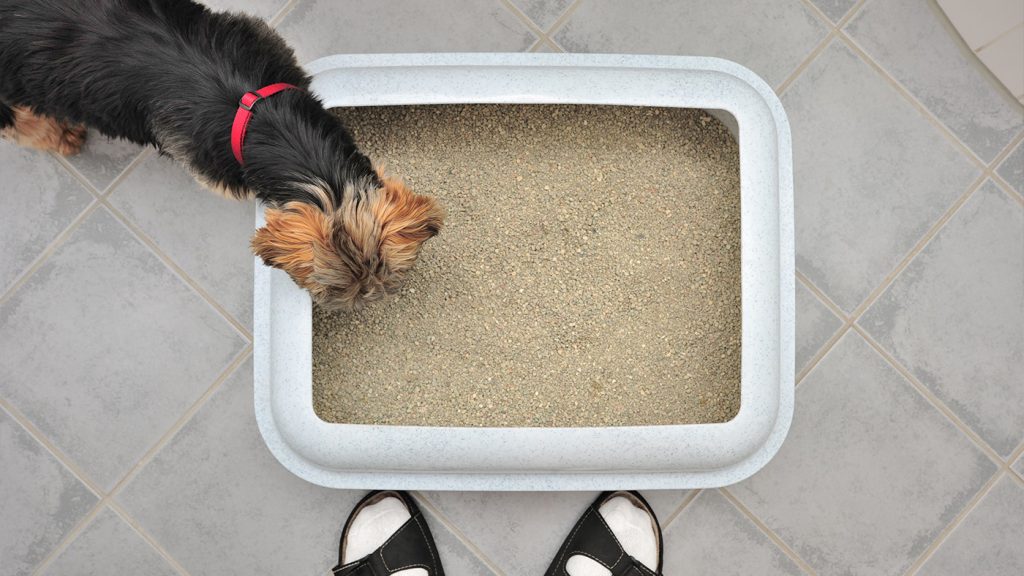
Have you ever wondered if your dog can use a cat litter box? It might sound unusual, but training your dog to use cat litter could save you time and keep your home cleaner.
Imagine never having to rush outside during bad weather or clean up accidents on the floor again. If you want to discover how this is possible and whether it’s right for your furry friend, keep reading. This simple idea might just change the way you handle your dog’s bathroom needs.
Credit: k9connoisseur.com
Benefits Of Training Dogs To Use Cat Litter
Training your dog to use cat litter might sound unusual, but it offers several practical benefits that can improve your daily routine. It can save time, reduce mess, and provide a cleaner living space. Let’s look at some clear advantages that might make you consider this training approach for your furry friend.
Convenience For Apartment Living
If you live in an apartment without easy outdoor access, teaching your dog to use cat litter can be a game-changer. You won’t have to rush outside during bad weather or late at night. This can reduce stress for both you and your dog, making potty breaks more manageable.
Cleaner And More Controlled Environment
Using cat litter helps contain odors and mess in one spot. Unlike outdoor potty areas, litter boxes can be kept clean with regular scooping, preventing stains and unpleasant smells around your home. This also helps if your dog tends to have accidents indoors, as the litter box offers a designated, easy-to-clean space.
Useful For Senior Or Sick Dogs
Older dogs or those with health issues may struggle with going outside frequently. Cat litter allows them to relieve themselves comfortably indoors. This can improve their quality of life and reduce the need for constant supervision or frequent outdoor trips.
Cost-effective Solution
Using cat litter can cut down on the expenses related to outdoor potty training, such as pee pads or cleaning up accidents. It also reduces wear and tear on your yard or outdoor spaces. Over time, this simple change can save you money and effort.
Encourages Independence In Your Dog
Training your dog to use cat litter can promote self-sufficiency. Your pet learns where to go without needing you to take them outside constantly. This can be especially helpful if you have a busy schedule or unexpected delays.
Choosing The Right Litter Box
Choosing the right litter box is crucial if you want your dog to successfully use cat litter. It’s not just about buying any box; you need to think about your dog’s size, comfort, and preferences. The right litter box can make the whole training process smoother and less stressful for both of you.
Size And Accessibility
Pick a litter box that fits your dog’s size comfortably. A box that’s too small will make your dog avoid it, while a very large one might seem overwhelming. Think about your dog’s height and length—can they easily step in and out?
Accessibility matters a lot, especially for older dogs or those with mobility issues. Low sides or a ramp can help your dog enter without struggling. Have you noticed if your dog hesitates before jumping into certain spaces? That hesitation might mean the box isn’t accessible enough.
Type Of Litter To Use
Not all cat litter types suit dogs. Avoid clumping litter since it can stick to your dog’s paws and cause discomfort. Instead, choose softer, non-clumping options like paper-based or wood pellets that feel gentler.
Think about the scent and texture too. Some dogs are sensitive to strong smells or rough surfaces. Have you observed your dog’s reaction to different textures during walks or playtime? Use that insight to pick a litter that feels natural to them.
Preparing Your Dog For Litter Training
Preparing your dog to use a cat litter box takes patience and care. Dogs need time to adjust to new habits. Creating a calm and inviting environment helps your dog feel safe. Gradual introduction to the litter box reduces fear and confusion. Clear steps make training easier for both you and your dog.
Creating A Comfortable Space
Choose a quiet spot for the litter box. Avoid busy or noisy areas. The space should be easy to access at all times. Keep the area clean and dry. Use a litter box size that fits your dog comfortably. Add a soft mat or towel nearby for comfort. This helps your dog associate the spot with relaxation and safety.
Introducing The Litter Box Gradually
Start by letting your dog explore the litter box. Do not force or rush the process. Reward your dog with praise or treats for curiosity. Show your dog where the litter box is located. Gently guide your dog to the box after meals or naps. Watch for signs your dog needs to go. Be patient and consistent with training sessions. Repeat this routine daily to build familiarity.

Credit: pethelpful.com
Step-by-step Training Process
Training a dog to use cat litter involves patience and clear guidance. Dogs need time to understand this new habit. This step-by-step process helps make training simple and effective.
Encouraging Exploration
Allow your dog to sniff and explore the litter box freely. Place the box in a quiet, accessible spot. Let the dog get used to its smell and texture. Avoid forcing them near it to prevent fear or confusion.
Use gentle praise when your dog shows interest. This builds a positive connection with the litter box.
Using Commands And Rewards
Choose a simple command like “go potty” to use consistently. Say the command clearly when guiding your dog to the litter box. Reward your dog immediately after they use the box. Use treats, petting, or verbal praise.
Repeat the command and reward cycle often. This helps your dog link the command to the action.
Monitoring And Reinforcing Behavior
Watch your dog closely for signs they need to go. Gently lead them to the litter box at these times. Praise and reward every successful use to strengthen the habit.
Be patient if accidents happen. Clean messes calmly and avoid punishment. Consistent reinforcement helps your dog learn faster.
Common Challenges And Solutions
Training a dog to use cat litter brings unique challenges. Dogs have different habits than cats. Adjusting to a litter box takes patience and consistency. Many owners face similar issues but can overcome them with practical solutions.
Avoiding Accidents
Accidents happen during training. Dogs may not understand the new spot at first. Place the litter box in a quiet, accessible area. Use positive reinforcement when your dog uses it correctly. Clean accidents immediately with enzyme cleaners. This removes smells that attract repeat accidents.
Dealing With Reluctance Or Fear
Some dogs feel unsure about the litter box. The texture or smell may seem strange. Introduce the box slowly. Let your dog sniff and explore it without pressure. Reward calm behavior near the box. Use familiar scents or treats inside the litter to encourage use.
Maintaining Cleanliness
Keeping the litter box clean is crucial. Dogs dislike dirty areas for toileting. Scoop waste daily to prevent bad odors. Wash the box regularly with mild soap. Use litter designed for dogs or unscented cat litter. This helps avoid irritation and keeps your dog comfortable.
Tips For Long-term Success
Consistency and patience build good habits in dogs learning to use cat litter. Reward calm behavior near the litter box to encourage use. Keep the area clean and quiet to make the dog comfortable and willing to try.
Training a dog to use cat litter can be a unique challenge, but with the right approach, it can be successful. Here are some practical tips to ensure long-term success with this unconventional training method. Embrace consistency, maintain cleanliness, and leverage positive reinforcement to encourage your furry friend.Consistent Routine
Establishing a consistent routine is key to success. Dogs thrive on predictability, so set specific times for bathroom breaks. This will help your dog associate litter use with those times, reducing accidents. Ensure the litter area is easily accessible and in a quiet spot. This helps your dog feel comfortable and secure. Consistency also builds trust, making your dog more likely to adapt to the new habit.Regular Cleaning And Maintenance
Regular cleaning of the litter box is essential. Dogs have a strong sense of smell and are more likely to use a clean area. Neglecting cleanliness can deter your dog from using the litter box. Develop a cleaning schedule, ideally once a day. This not only keeps odors at bay but also signals to your dog that the litter box is the appropriate place for bathroom needs.Positive Reinforcement Techniques
Use positive reinforcement to encourage your dog. Reward them with treats or praise immediately after they use the litter box correctly. This reinforces good behavior and motivates them to repeat it. Avoid scolding your dog for mistakes. Instead, redirect them gently and reward successful attempts. Positive experiences create a stronger learning bond and make training enjoyable for both you and your pet. Have you tried these techniques before? Share your experiences in the comments!When Litter Training May Not Be Suitable
Training a dog to use cat litter may not suit all pets, especially large breeds or those with mobility issues. Some dogs prefer outdoor spaces and might find litter boxes confusing or uncomfortable. Patience and observation help decide if this method fits your dog’s needs.
When considering litter training for your dog, it’s important to recognize that it might not always be the best fit. While some dogs adapt well, others may face challenges that make this method less effective. Understanding these limitations can help you make an informed decision about whether or not to pursue litter training for your canine companion.Behavioral Differences
Dogs and cats have different instincts when it comes to relieving themselves. While cats naturally gravitate toward litter boxes, dogs may need more time to understand the concept. Some dogs may even see the litter box as a play area rather than a place to do their business.Size And Breed Considerations
The size and breed of your dog can play a significant role in the success of litter training. Larger breeds might struggle with fitting comfortably in a litter box, leading to accidents outside the designated area. Smaller breeds or puppies might be more adaptable, but each dog is unique.Health And Medical Issues
Certain health conditions can complicate litter training. Dogs with joint issues or arthritis may find it difficult to step into a box. Additionally, if your dog has frequent digestive problems, a litter box might not be the most hygienic solution.Space And Environment
Your living environment can impact the feasibility of litter training. In smaller apartments, it might be challenging to find a suitable spot for a litter box that’s both accessible and discreet. Consider whether you have the right space to accommodate this setup without disrupting your home.Time And Commitment
Litter training a dog requires time and patience. Are you ready to invest the necessary hours to consistently train and guide your dog? If your schedule is already tight, litter training might add undue stress rather than convenience.
Credit: www.chewy.com
Frequently Asked Questions
Can Dogs Be Trained To Use Cat Litter Boxes?
Yes, dogs can be trained to use cat litter boxes with patience and consistency. Smaller breeds adapt easier. Use positive reinforcement and guide them to the litter regularly. Keep the box clean to encourage use and avoid accidents.
What Are The Best Litter Types For Dogs?
Clumping, non-toxic, and unscented litter types work best for dogs. Avoid dusty or scented litters, as dogs may find them irritating. Paper-based or wood pellet litters are also good options for safety and odor control.
How Long Does It Take To Train A Dog On Litter Use?
Training duration varies by dog size and temperament but typically takes 2 to 4 weeks. Consistent routines, rewards, and supervision speed up the process. Patience and persistence are key to successful litter training.
Is Litter Training Suitable For All Dog Breeds?
Litter training suits small to medium-sized breeds best. Larger dogs may find it uncomfortable or impractical. Consider your dog’s size, behavior, and lifestyle before starting litter training to ensure it fits their needs.
Conclusion
Training a dog to use cat litter takes time and patience. Dogs learn best with clear instructions and rewards. Not all dogs will adapt easily, but some can. A clean, quiet litter box helps your dog feel comfortable. Keep expectations realistic and watch your dog’s progress closely.
This method may work well in small spaces or bad weather. Remember, each dog is different and learns in its own way. Try and see if it fits your dog’s needs and lifestyle.

Lily Purrington is the founder of MyKittyPicks.com, a cozy corner of the web dedicated to helping cat lovers discover the best cat products, furniture, toys, and home decor ideas.
A lifelong cat enthusiast, Lily shares trusted tips, honest product recommendations, and stylish inspiration designed to keep kitties happy and homes beautiful.
Her mission is simple: to bring together practical advice and purr-fect picks that make life better for cats and the people who love them.


