
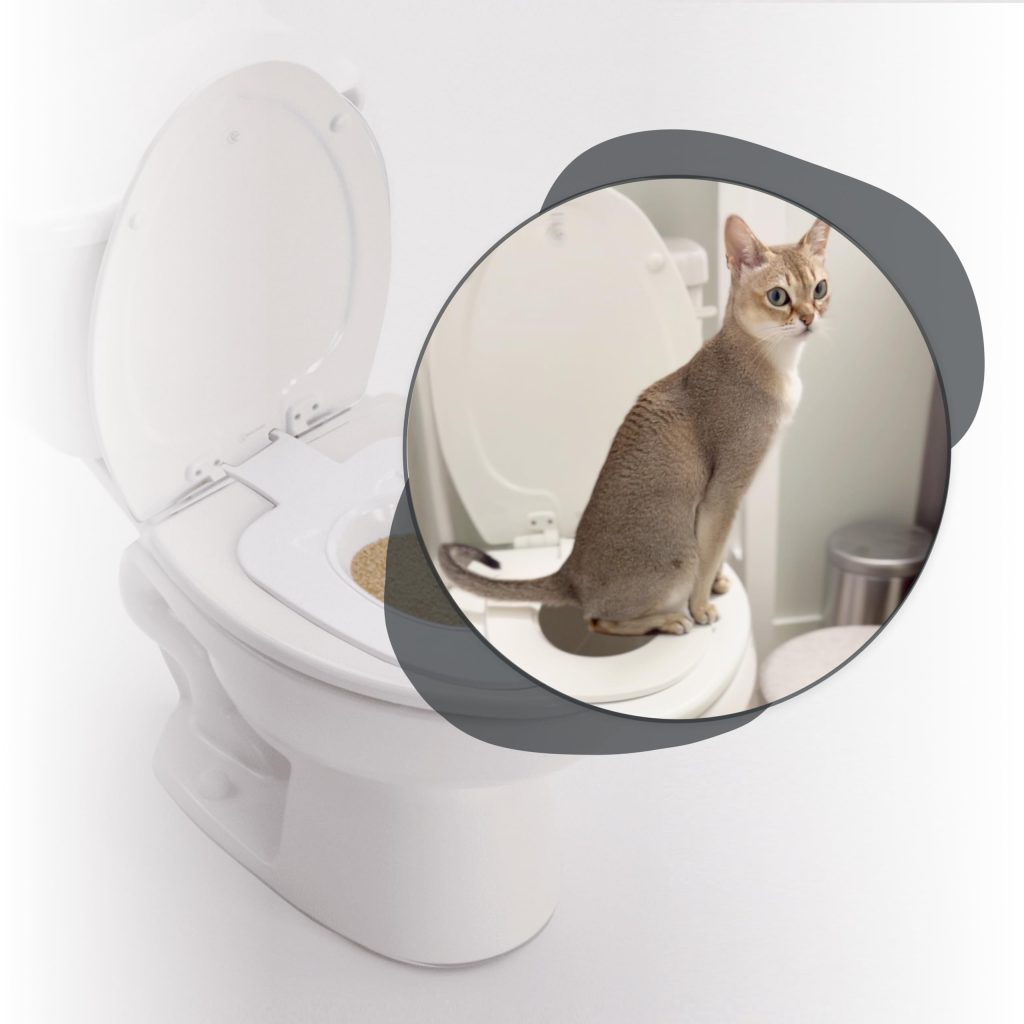
Imagine saying goodbye to the hassle of litter boxes forever. If you’ve ever wished your cat could use the toilet like you do, you’re in the right place.
Training your cat to use the toilet is easier than you might think, and it can save you time, money, and unpleasant odors. You’ll discover simple, step-by-step tips to guide your furry friend through this clever trick. Ready to transform your cat’s bathroom habits and make your life cleaner and easier?
Let’s dive in!

Credit: www.youtube.com
Benefits Of Toilet Training Cats
Training a cat to use the toilet offers many benefits for both pets and owners. It changes daily routines and brings convenience. Toilet training reduces mess and odors linked to litter boxes. It also saves money on litter and cleaning products. Cats feel proud and confident using the toilet. This training can strengthen the bond between cat and owner. The environment benefits from less litter waste. Overall, toilet training can make life cleaner and easier for everyone involved.
Reduces Cleaning And Maintenance
Toilet training cuts down on daily litter box cleaning. No more scooping or changing cat litter. This means less time spent on chores. It also lowers the risk of unpleasant smells in the house. A clean environment feels better for both humans and cats.
Saves Money On Litter And Supplies
Cat litter costs add up over time. Training your cat to use the toilet reduces these expenses. You no longer need to buy litter, liners, or deodorants. This saves money monthly and yearly. It also decreases trips to the store for supplies.
Improves Hygiene And Health
Using the toilet keeps waste away from your cat’s living area. This reduces the chance of infections and parasites. Toilet training encourages good habits and cleanliness. Your cat stays healthier and happier overall.
Supports Environmental Sustainability
Cat litter often contains clay or chemicals that harm the environment. Reducing litter use lowers landfill waste. Less litter production means fewer natural resources are consumed. Toilet training is a small step toward eco-friendly pet care.
Builds A Stronger Human-cat Relationship
Teaching a cat a new skill takes patience and trust. This process creates a closer bond between you and your pet. Cats learn to communicate and cooperate better. Positive interactions improve your cat’s behavior and mood.
Preparing Your Cat For Training
Preparing your cat for toilet training is a crucial phase that sets the foundation for success. It requires thoughtful planning and patience to help your feline friend adjust smoothly to this new habit. Before you start, consider your cat’s personality and comfort to avoid stress and resistance.
Choosing The Right Location
Pick a quiet bathroom with easy access for your cat. Avoid busy or noisy areas that might scare or distract your pet. The toilet should be stable and not prone to movement, so your cat feels secure while using it.
Think about where your cat usually prefers to relieve itself. Is it a corner, near a window, or a particular room? Mimicking this setting can make the transition easier.
Gathering Necessary Supplies
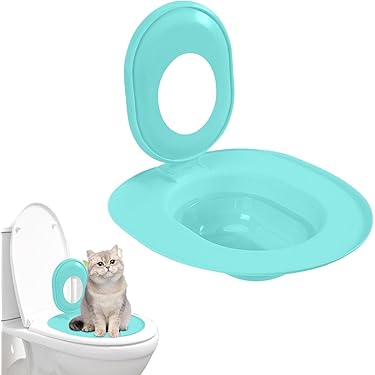
Prepare all the tools before you begin training. You’ll need a special cat toilet training seat, flushable litter, and cleaning supplies for hygiene. Having everything ready helps keep the training consistent and avoids interruptions.
Many pet stores offer kits designed specifically for this purpose. These kits often include step-by-step instructions, which can guide you through the process.
Creating A Comfortable Environment
Your cat’s comfort is key to successful training. Keep the bathroom warm and well-lit, and ensure the toilet seat is dry and clean. You might want to add a small rug or mat nearby to help your cat feel more at ease.
Consider spending some time with your cat in the bathroom to build positive associations. Play with your cat or offer treats to make the space inviting and less intimidating.
Step-by-step Toilet Training Process
Training a cat to use the toilet requires patience and clear steps. The process involves moving the cat gradually from the litter box to the toilet. Each stage helps the cat adjust to new habits. Small changes build confidence and reduce stress. Follow these steps for a smooth toilet training experience.
Introducing The Litter Box Near The Toilet
Place the litter box close to the toilet. This helps your cat get used to the new location. Keep the box there for a few days. Watch your cat use it comfortably. This step creates a link between the bathroom and the litter box.
Gradually Raising The Litter Box Height
Slowly lift the litter box a few inches every few days. Use stable objects to support the box. The goal is to match the toilet seat height. Your cat learns to jump up higher each time. Be patient and watch your cat’s comfort level.
Transitioning To A Training Seat
Replace the litter box with a special training seat. This seat fits over the toilet and holds litter. Encourage your cat to sit on it and use it. The training seat helps your cat adjust to the toilet. Keep the litter inside to simulate the box.
Reducing Litter And Encouraging Use
Start using less litter in the training seat. Gradually remove litter to encourage balance on the seat. Observe your cat carefully during this change. Praise or reward your cat for using the seat. This step teaches your cat to use the toilet bowl.
Removing The Training Seat Completely
Take away the training seat from the toilet. Your cat should now use the toilet seat directly. Keep the bathroom door open for easy access. Stay calm and patient if your cat hesitates. Celebrate small successes and continue gentle encouragement.

Credit: www.amazon.com
Common Challenges And Solutions
Training your cat to use the toilet can be rewarding, but it comes with its own set of challenges. Understanding these obstacles and how to address them will keep both you and your feline friend on the right track. Let’s look at some common issues and practical solutions that can help you succeed.
Dealing With Resistance
Not every cat takes to toilet training easily. Some may feel scared or confused by the change. You might notice your cat avoiding the toilet area or retreating to old habits.
To ease resistance, try breaking the process into smaller steps. Use positive reinforcement like treats or gentle praise when your cat shows interest in the toilet setup. Also, keep the bathroom environment calm and quiet to avoid overwhelming your cat.
Have you noticed your cat’s body language when near the toilet? Patience and observation can guide you to adjust your approach and make the transition smoother.
Handling Accidents
Accidents are part of the learning curve and can be frustrating. Your cat may miss the target or revert to the litter box unexpectedly. Instead of reacting harshly, stay calm and clean the area thoroughly to remove any odors.
Consider keeping the litter box nearby during training to give your cat a backup option. Gradually move it farther from the toilet as your cat gains confidence. Remember, consistency in your routine helps reduce mistakes.
What cleaning methods have you found most effective in discouraging repeat accidents? Sharing tips can make this phase less stressful.
Keeping Your Cat Motivated
Maintaining your cat’s interest over time is crucial. If the process drags on, your cat might lose motivation. Use frequent rewards and keep training sessions short but regular to hold their attention.
Changing the type of treats or toys can also renew enthusiasm. Sometimes, introducing a new playtime after a successful toilet visit creates a positive association.
How do you keep your cat excited about training? Experiment with different motivators to find what works best for your unique companion.
Tips For Successful Training
Training a cat to use the toilet takes time and effort. Success depends on clear steps and care. Use simple methods that suit your cat’s nature. Stay calm and observe your cat’s reactions. These tips help create a smooth training process.
Patience And Consistency
Patience is key. Cats need time to adjust to new habits. Keep training sessions short but regular. Avoid rushing or forcing your cat. Consistency helps build trust and understanding. Use the same commands and routines daily. This makes learning easier for your cat.
Positive Reinforcement
Reward good behavior immediately. Use treats, praise, or gentle petting. Positive feedback encourages your cat to repeat actions. Avoid punishment or negative reactions. These can cause fear and confusion. Celebrate small progress steps. This boosts your cat’s confidence.
Monitoring Your Cat’s Health
Watch for any signs of stress or illness. Toilet training can affect your cat’s health. Check for changes in appetite, energy, or litter habits. Consult a vet if you notice problems. A healthy cat learns faster and stays happy. Keep water and food available near the training area.
Credit: www.amazon.com
Frequently Asked Questions
How Long Does It Take To Train A Cat To Use The Toilet?
Training a cat to use the toilet typically takes 4 to 6 weeks. Consistency and patience are essential. Each cat learns at its own pace, so avoid rushing the process. Gradual steps help the cat adjust comfortably to the new routine.
What Supplies Do I Need To Toilet Train My Cat?
You need a cat toilet training kit, a stable toilet seat, and treats. The kit usually includes a training seat with a removable insert. Patience and positive reinforcement are also crucial to encourage your cat’s progress throughout training.
Can All Cats Be Trained To Use The Toilet?
Most cats can be trained, but some may resist due to personality or habits. Kittens and adaptable cats learn faster. Older or anxious cats might struggle. Assess your cat’s temperament and be prepared for alternative solutions if needed.
What Are Common Mistakes In Toilet Training Cats?
Common mistakes include rushing steps, not rewarding progress, and inconsistent training. Avoid forcing your cat or skipping stages. Lack of patience can cause setbacks. Gradual, positive reinforcement ensures success and reduces stress for your cat.
Conclusion
Training a cat to use the toilet takes time and patience. Start slow and be consistent with each step. Praise your cat often to encourage good habits. Watch for signs of stress or discomfort during training. Remember, every cat learns at its own pace.
With care, your cat can learn this skill. Enjoy the process and celebrate small successes along the way. Toilet training can save you time and keep your home cleaner. Keep your expectations realistic, and stay patient throughout. Your effort will pay off in the end.

Lily Purrington is the founder of MyKittyPicks.com, a cozy corner of the web dedicated to helping cat lovers discover the best cat products, furniture, toys, and home decor ideas.
A lifelong cat enthusiast, Lily shares trusted tips, honest product recommendations, and stylish inspiration designed to keep kitties happy and homes beautiful.
Her mission is simple: to bring together practical advice and purr-fect picks that make life better for cats and the people who love them.


