
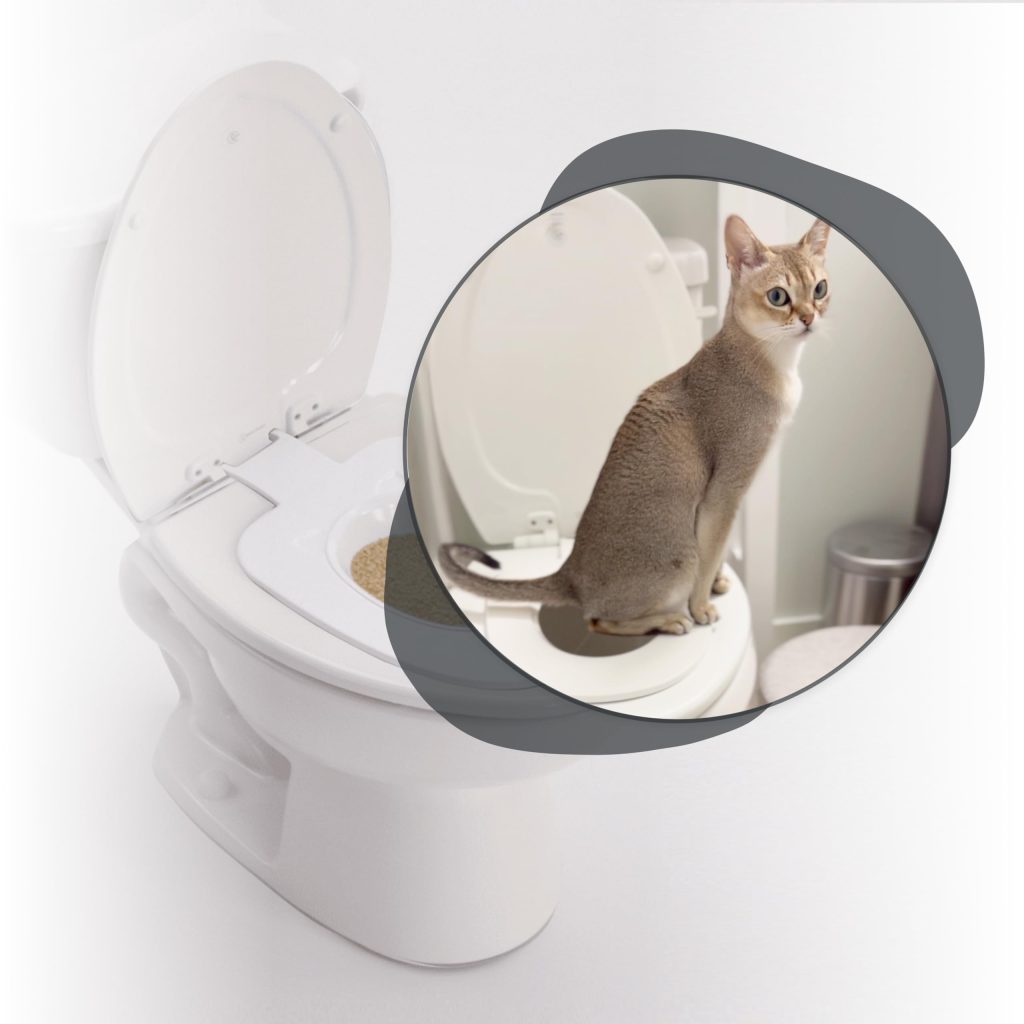
Potty training a cat might sound tricky, but it’s easier than you think. Imagine your cat using the toilet just like you do—no more litter boxes to clean or worries about odors.
You’re about to discover simple, step-by-step tips that will make this possible. If you want a cleaner home and a happier cat, keep reading. This guide will show you exactly how to train your cat to use the toilet with confidence.
Credit: www.chewy.com
Why Potty Train Your Cat
Potty training your cat might sound unusual, but it offers real benefits that can make your life easier and your home cleaner. Understanding why you might want to potty train your cat helps you see the practical value behind the effort. It’s not just about convenience; it can improve hygiene, save money, and even strengthen your bond with your pet.
Reduce Mess And Odors
Traditional litter boxes can create unwanted smells and mess around your home. Potty training your cat to use the toilet eliminates litter spills and reduces odor significantly. Imagine no more tracking litter outside the box or dealing with stinky corners—your living space stays fresher and cleaner.
Save Money On Litter
Litter costs can add up quickly, especially if you have multiple cats. By potty training your cat, you cut down or completely remove the need for litter. This small change can save you a surprising amount of money over time, freeing up your budget for other pet care essentials.
Make Cleaning Easier And Faster
Cleaning a litter box is a daily chore many pet owners dread. Potty training removes that task from your routine. This means less time spent scooping, washing, and replacing litter, and more time enjoying your cat’s company.
Encourage Better Hygiene For Your Cat
Some cats dislike litter boxes or have health issues that make using them difficult. Toilet training can be a cleaner and more comfortable option for these cats. It also reduces the risk of bacteria buildup that can happen in poorly maintained litter boxes.
Strengthen Your Relationship With Your Cat
Training your cat requires patience and interaction, which can build trust and understanding between you. Teaching your cat to use the toilet is a unique way to engage with them and showcase their intelligence. Have you noticed how your cat responds when they learn a new trick? Potty training can be just as rewarding.

Credit: www.youtube.com
Choosing The Right Equipment
Choosing a small, shallow litter box helps your cat adjust easily. Use a litter that feels natural to your cat’s paws for better results. Comfortable and familiar equipment makes training smoother and less stressful.
Choosing the right equipment is vital for successful cat potty training. The right tools make the process smoother and more comfortable for your feline friend. Let’s explore the essentials needed for potty training your cat.Selecting A Cat Toilet Trainer
A cat toilet trainer is a crucial part of the process. It helps transition your cat from litter box to toilet. Look for a model that fits securely on your toilet. It should be easy to clean and sturdy. Some trainers come with adjustable rings. This feature allows gradual adjustments, helping your cat adapt slowly. Ensure the trainer is stable to avoid accidents. A wobbly trainer can scare your cat away.Litter Type And Placement
Choosing the right litter is important. Clumping litter is often preferred by many cats. It is easy to clean and controls odors well. Avoid scented litters; some cats find them unpleasant. The placement of the litter is another key factor. It should be near the toilet initially. Gradually move it closer to the toilet over days. This helps your cat associate the toilet as the right place.Preparing Your Cat
Preparing your cat for potty training sets the stage for success. This phase helps your cat get used to new habits without stress. It takes patience and gentle guidance. Cats are creatures of habit and need time to adjust. Establishing a calm environment helps your cat feel secure. Small steps make the transition smoother.
Gradual Introduction To The Toilet
Start by placing the litter box near the toilet. Let your cat explore this new spot freely. Slowly raise the litter box height over days. Use sturdy books or boxes to avoid wobbling. This helps your cat get used to the toilet’s height. Next, move the litter box onto the closed toilet seat. This step prepares your cat to balance on the seat. Keep the litter box for comfort during this phase. Never rush; watch your cat’s comfort level closely.
Encouraging Positive Behavior
Praise your cat when it uses the toilet area correctly. Use gentle words and soft petting as rewards. Avoid punishment or negative reactions for accidents. Cats respond better to kindness and patience. Provide treats only when your cat succeeds. Keep a consistent routine to build good habits. Clean accidents quickly to remove smells that attract cats back. A calm, supportive attitude encourages your cat to learn faster.
Step-by-step Training Process
Potty training a cat takes patience and a clear plan. Breaking down the process into manageable stages helps your feline friend adjust without stress. Each phase builds on the previous one, guiding your cat toward using the toilet confidently.
Stage One: Moving The Litter Box
Start by gradually moving your cat’s litter box closer to the bathroom. Shift it a few inches each day to avoid startling your pet. The goal is to get the cat comfortable with the new location without causing confusion.
Watch your cat’s behavior closely. Are they hesitant or still using the box? If yes, slow down the moving pace. Your cat’s comfort is key to success here.
Stage Two: Transitioning To The Toilet
Once the litter box is right next to the toilet, place it on top of the closed toilet seat. This helps your cat get used to the height and position. Make sure the box is stable and secure to prevent any accidents.
Encourage your cat to jump up and use the box there. You might need to assist at first by gently lifting them. The idea is to make the toilet area feel like a natural spot for bathroom breaks.
Stage Three: Using The Toilet Trainer
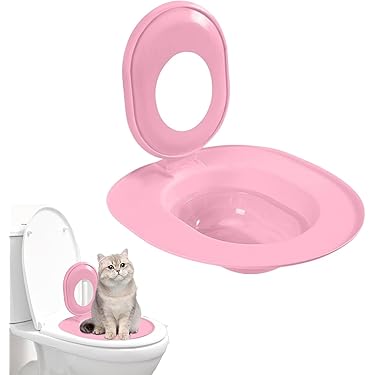
A toilet trainer is a special seat with a hole and removable inserts that fits over the toilet. Replace the litter box with the trainer and gradually remove inserts to increase the hole size. This teaches your cat to balance and use the toilet like a pro.
Patience is vital here. Some cats take longer to feel secure on the trainer. Praise and treats can motivate them to keep trying. Have you noticed your cat’s favorite reward? Use it to celebrate small wins during training.
Stage Four: Removing The Trainer
After your cat is comfortable using the trainer with a fully open hole, remove the trainer completely. Your cat should now be able to use the toilet directly. Keep the bathroom door open and accessible to encourage regular use.
Maintain cleanliness to avoid any setbacks. If your cat hesitates, revisit earlier stages or consider adding positive reinforcement. How does your cat respond to change? Adjust your approach based on their personality.
Troubleshooting Common Issues
Potty training a cat can bring challenges. Some cats may not adapt quickly. Others might have accidents. These issues can cause frustration but are normal. Troubleshooting common problems helps keep training on track. Patience and consistency are key. Understanding your cat’s behavior makes the process smoother.
Handling Accidents
Accidents happen during potty training. Never punish your cat. Punishment can create fear and confusion. Clean the area thoroughly with enzyme cleaner. This removes the smell and stops repeat accidents. Observe where accidents happen. Move the training tray closer if needed. Offer gentle encouragement to use the right spot. Reward your cat after successful use.
Dealing With Resistance
Some cats resist potty training at first. They may feel scared or unsure. Introduce the training toilet slowly. Let your cat explore it without pressure. Use treats and praise to build positive feelings. Keep the training area quiet and safe. If your cat avoids the toilet, try adjusting the setup. Change the height or type of toilet insert. Give your cat time to adjust. Patience helps reduce resistance.
Credit: www.amazon.com
Maintaining Success
Maintaining success after potty training your cat is key to a lasting routine. Consistency and care help your cat stay comfortable and confident. Keep your cat’s bathroom area clean and encourage their good habits daily. This keeps accidents away and supports a happy pet.
Cleaning And Hygiene Tips
Clean the potty area regularly to avoid smells and germs. Use mild, pet-safe cleaners to protect your cat’s sensitive nose. Remove waste daily and wash any removable parts weekly. Freshness invites your cat to use the spot again. Avoid strong chemicals that may scare your cat away.
Reinforcing Good Habits
Praise your cat after each successful use of the potty. Small treats or gentle petting work well as rewards. Keep the potty area in the same place to build routine. Watch for signs your cat needs to go. Promptly guide them to the potty to reinforce the habit. Patience helps keep your cat on track for success.
Frequently Asked Questions
How Long Does It Take To Potty Train A Cat?
Potty training a cat typically takes 2 to 6 weeks. Consistency and patience are key for success. Every cat learns at its own pace, so progress may vary. Regular positive reinforcement helps speed up the process effectively.
What Supplies Do I Need For Cat Potty Training?
You need a cat litter box, suitable litter, and cleaning supplies. A training seat or potty training kit can also help. Choose unscented, clumping litter to encourage use. Keep the area clean to maintain your cat’s interest.
Can All Cats Be Potty Trained Successfully?
Most cats can learn potty training with proper guidance. Kittens adapt more quickly than adult cats. Some cats may resist due to anxiety or health issues. Always consult a vet if training challenges persist.
How Do I Transition My Cat From Litter Box To Toilet?
Gradually move the litter box closer to the toilet. Use a training seat on the toilet with litter. Slowly reduce litter amount until the cat uses the toilet directly. Patience and rewards encourage smooth transition.
Conclusion
Potty training a cat takes time and patience. Start with small steps and stay consistent. Reward your cat for using the toilet correctly. Expect some accidents along the way. Keep the training area clean and quiet. Watch your cat’s behavior closely for signs of stress.
Celebrate progress, no matter how small. Your efforts will help your cat learn new habits. Enjoy a cleaner home and a happier pet. Remember, patience and kindness make training easier for both. Keep going—you and your cat can do this together.

Lily Purrington is the founder of MyKittyPicks.com, a cozy corner of the web dedicated to helping cat lovers discover the best cat products, furniture, toys, and home decor ideas.
A lifelong cat enthusiast, Lily shares trusted tips, honest product recommendations, and stylish inspiration designed to keep kitties happy and homes beautiful.
Her mission is simple: to bring together practical advice and purr-fect picks that make life better for cats and the people who love them.


