
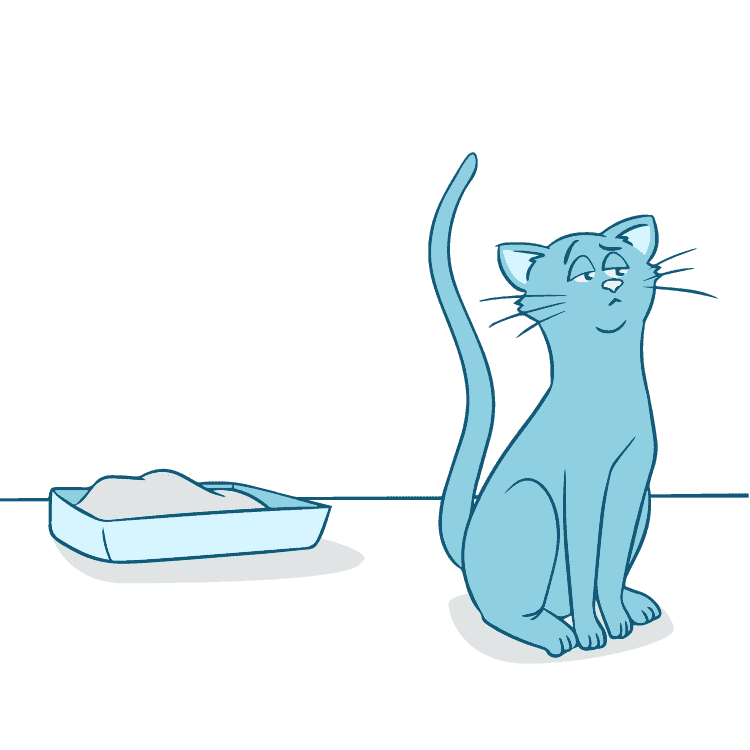
Have you ever wondered if your cat really needs potty training? You might think cats naturally know where to go, but there’s more to it than just instinct.
Understanding whether your furry friend needs some guidance can save you from messy surprises and help build a stronger bond. You’ll discover the truth about cat potty training, why it matters, and simple steps you can take to make life easier for both of you.
Keep reading to find out what every cat owner should know!

Credit: www.purina.com
Cat Bathroom Instincts
Cats have strong bathroom instincts that guide their behavior. These instincts come from their wild ancestors and help them stay clean and safe. Understanding these natural habits can make potty training easier for cat owners.
Natural Litter Habits
Cats naturally bury their waste to hide their scent from predators. This behavior keeps them safe in the wild. Domestic cats keep this habit even when they live indoors. They prefer soft, loose surfaces like sand or soil for digging and covering their waste.
This instinct makes litter boxes effective. Cats feel comfortable using litter that mimics natural ground. Cleanliness is important. Cats avoid dirty areas and will refuse to use a messy litter box.
How Cats Choose Spots
Cats pick bathroom spots carefully. They look for quiet, private places with easy access. Safety matters. They avoid areas with loud noises or frequent disturbances.
Texture plays a role. Cats like soft materials that allow easy digging. They avoid hard or sticky surfaces. Smell also influences their choice. Cats avoid places with strong or strange odors.
When Training Is Needed
While most cats naturally use a litter box, there are times when some may need a little extra guidance. Understanding when training is necessary can make life easier for both you and your feline friend. Whether you’re dealing with a new kitten or an older cat experiencing issues, identifying the signs can help you take action.
Signs Of Litter Issues
Is your cat avoiding the litter box? This behavior might signal a problem. Cats are usually tidy creatures, so any deviation from their usual habits should be noted.
Frequent accidents outside the litter box are a red flag. If your cat is leaving surprises around the house, it’s time to investigate. Stress, health issues, or simply the type of litter might be contributing factors.
Observe your cat’s behavior around the litter box. Reluctance to enter or quick exits might indicate discomfort. Consider if the litter box is in a location that feels safe and private for your cat.
Common Challenges
Finding the right litter can be a challenge. Some cats are picky about texture or scent. Experiment with different types to see which one your cat prefers.
In multi-cat households, competition over litter boxes can lead to issues. Ensure there are enough litter boxes for each cat, plus one extra. This prevents territorial disputes and ensures everyone has access.
Health problems like urinary tract infections can also cause litter box avoidance. If changes in behavior persist, it might be time to consult a vet. A health check can rule out any underlying medical issues.
Have you ever wondered if your cat is content with their litter box setup? Regularly monitoring and making small adjustments can maintain their comfort and keep your home clean. Take proactive steps to understand your cat’s needs, and you’ll both enjoy a happier living space.
Choosing The Right Litter Box
Choosing the right litter box plays a big role in your cat’s potty training success. Cats have different needs based on their size, age, and personality. Picking a box that fits these needs helps your cat feel comfortable and encourages good bathroom habits. A poorly chosen litter box may lead to accidents outside the box and stress for your cat. Consider size, type, and placement carefully to make the best choice.
Box Size And Type
Choose a litter box large enough for your cat to turn and dig comfortably. Small boxes can feel cramped and discourage use. For kittens, a smaller, low-sided box works best. Adult cats need bigger boxes with higher sides to prevent litter scatter.
- Open boxes are easy to access but may spread odor.
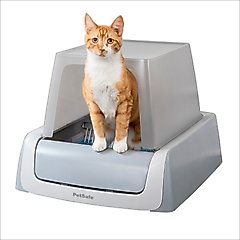
- Covered boxes help contain smells but some cats dislike feeling trapped.
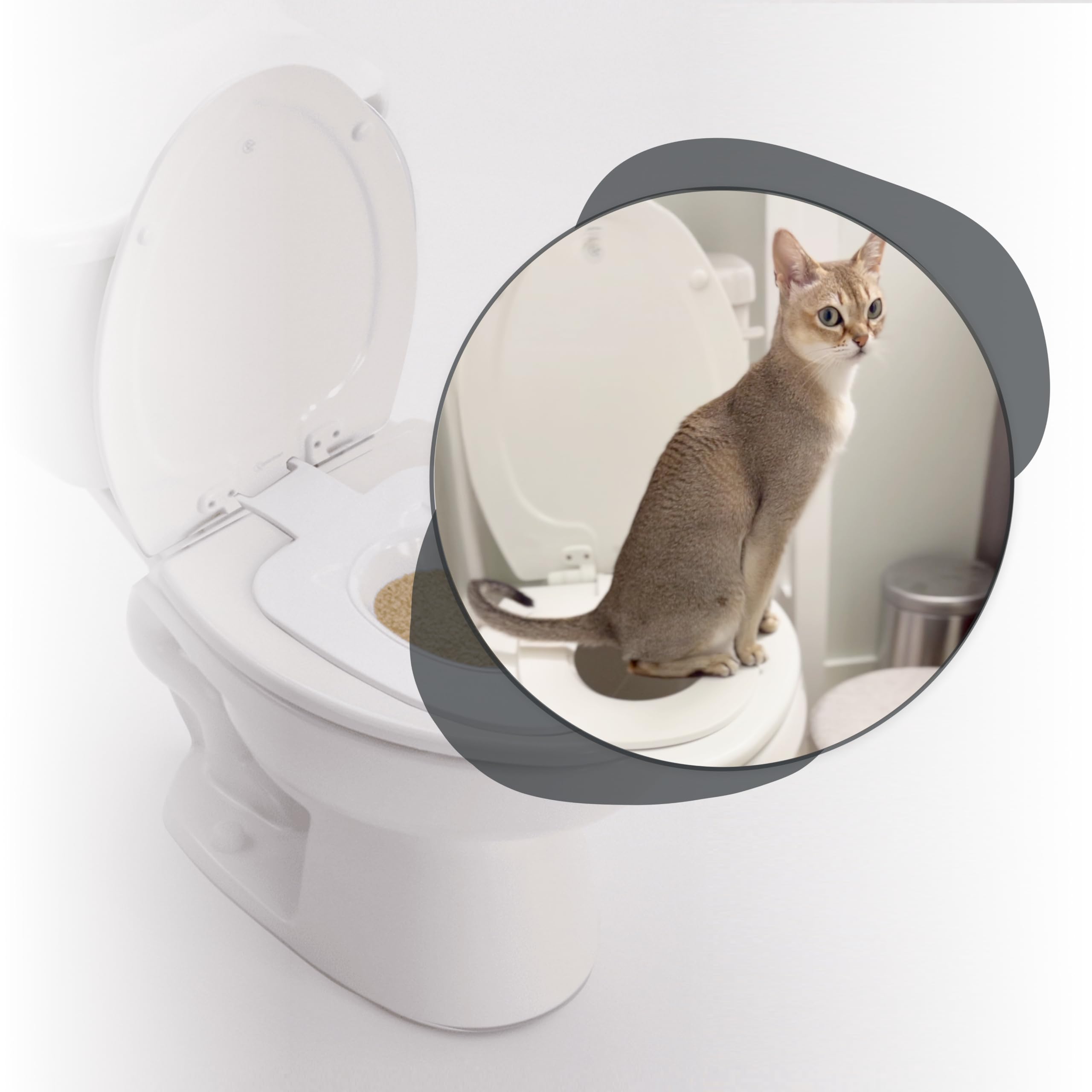
- Self-cleaning boxes reduce maintenance but cost more and can frighten shy cats.
Consider your cat’s preferences and habits when selecting the type. Some cats love digging deep; others prefer shallow litter.
Placement Tips
Place the litter box in a quiet, low-traffic area. Cats need privacy and calm to use the box stress-free. Avoid noisy spots near washing machines or loud appliances. Keep the box away from your cat’s food and water bowls.
Easy access matters. The box should be easy to reach without obstacles. Avoid tight corners or places where your cat may feel trapped. Provide multiple boxes in homes with many cats to reduce territorial issues.
Litter Box Training Steps
Litter box training is essential for a happy home with cats. Teaching your cat to use the litter box keeps your space clean and your pet healthy. The process involves a few clear steps to guide your cat toward good habits. Patience and consistency make a big difference in training success.
Introducing The Box
Place the litter box in a quiet, easy-to-access spot. Avoid noisy or busy areas that might scare your cat. Show your cat the box and gently place them inside a few times. Use a soft voice to encourage calm behavior. Keep the box clean and filled with fresh litter to attract your cat.
Encouraging Proper Use
Watch your cat for signs of needing to go, like sniffing or scratching. Gently place them in the litter box at those moments. Praise your cat with soft words or gentle pets after they use the box. Avoid punishment; it can create fear and confusion. Consistent positive reinforcement builds good litter habits.
Dealing With Accidents
Accidents happen, especially with young or new cats. Clean the area thoroughly to remove odors and prevent repeat accidents. Do not scold your cat; it won’t help and may cause stress. Check the litter box for cleanliness and location if accidents continue. Consult a vet if problems persist, as health issues might be the cause.
Litter Preferences
Cats can be surprisingly particular about their litter. Understanding their preferences can make potty training easier and keep your home fresher. Your choice of litter impacts your cat’s comfort and willingness to use the box regularly.
Types Of Litter
There are several types of cat litter available, each with unique qualities. Clay-based litter is popular because it clumps well, making cleaning straightforward. However, some cats dislike its dusty texture or strong scent.
Natural litters made from materials like corn, wheat, or pine appeal to owners looking for eco-friendly options. These litters often have less dust and a milder smell, which some cats prefer. Experimenting with different types can help you find what your cat likes best.
Silica gel litter is another choice, known for excellent odor control and low dust. But its texture might feel strange to some cats. Have you noticed your cat avoiding the box after switching litters? That could be a sign to try a different type.
Maintaining Cleanliness
Cleanliness is key to keeping your cat happy with their litter box. Cats are fastidious creatures and may refuse to use a dirty box. Scoop waste daily and change litter completely at least once a week.
Using a scoop with fine slots helps remove clumps without wasting clean litter. Consider lining the box to make cleaning easier and reduce odors. A clean box also reduces the risk of urinary tract infections in your cat.
How often do you check your cat’s litter box? Regular maintenance shows respect for your cat’s preferences and encourages consistent use. Remember, a clean box means a happy cat and a fresher home for you.
Credit: www.amazon.com
Special Cases
Some cats need extra attention in potty training due to their unique situations. These special cases include young kittens, senior cats, and those with behavioral challenges. Understanding their needs helps create a smooth training experience.
Kittens And Training
Kittens learn quickly but require gentle guidance. They need a clean, accessible litter box. Frequent litter box cleaning encourages good habits. Short training sessions and patience work best. Kittens might have accidents, so avoid scolding. Praise and rewards motivate them to use the box.
Senior Cats And Changes
Older cats might face health or mobility issues. These changes affect their bathroom habits. Place litter boxes in easy-to-reach spots. Use litter with a soft texture to protect sensitive paws. Keep the box clean to prevent discomfort. Monitor for signs of illness that affect toileting.
Handling Behavioral Issues
Some cats avoid the litter box due to stress or medical problems. Rule out health issues with a vet visit first. Address stress by keeping a calm environment. Introduce additional litter boxes in quiet areas. Clean accidents thoroughly to remove odors. Consult a behaviorist for persistent problems.
Health Factors Affecting Potty Habits
Understanding the health factors that affect your cat’s potty habits is crucial for keeping them comfortable and healthy. Changes in litter box behavior often signal underlying health issues rather than just behavioral quirks. Paying close attention to these signs can help you catch problems early and ensure your cat gets the care they need.
Medical Conditions
Several medical conditions can disrupt your cat’s normal potty routine. Urinary tract infections (UTIs) are common and can cause frequent or painful urination, making your cat avoid the litter box. Kidney disease and diabetes may increase urination frequency, confusing your cat’s usual habits.
Arthritis or other mobility issues might make it painful for your cat to climb into the litter box, especially if it has high sides. This can lead to accidents outside the box even if your cat wants to go there. Digestive problems like constipation or diarrhea also affect potty habits and may require dietary changes or medication.
When To See A Vet
Noticing any sudden changes in your cat’s bathroom behavior is a red flag. If your cat is urinating outside the litter box, straining to go, or showing signs of discomfort, it’s time to consult your vet. Early diagnosis can prevent serious complications and relieve your cat’s discomfort quickly.
Watch for symptoms like blood in urine, excessive licking of the genital area, or vocalizing during bathroom time. Don’t wait for these signs to worsen—prompt vet visits can save you stress and your cat pain. Have you ever caught your cat acting differently around their litter box? That could be the moment to take action.
Tips For Multi-cat Households
Managing a household with multiple cats can be tricky, especially when it comes to potty training. Cats are territorial by nature, and their bathroom habits can reflect that. Getting your cats to comfortably share litter boxes requires some thoughtful planning and attention to their individual needs.
Number Of Boxes Needed
Each cat should have access to their own litter box, plus one extra. This means if you have three cats, you should have at least four litter boxes.
This helps prevent competition and keeps each cat feeling secure. Think about the size of your home too; spread the boxes out in quiet, easily accessible areas to avoid crowding.
Preventing Territorial Problems
Territorial disputes often show up as inappropriate bathroom habits. To reduce this, keep litter boxes clean by scooping at least once a day and changing the litter regularly.
Using different types of litter or box styles can help if cats have different preferences. You might notice your shy cat prefers a covered box, while the dominant one goes for an open one.
Have you ever noticed one cat blocking another from a box? If so, try placing boxes in separate rooms to give each cat its own private space.
Credit: www.chewy.com
Frequently Asked Questions
Do Cats Naturally Know How To Use The Litter Box?
Most cats instinctively use a litter box due to their natural digging behavior. However, kittens may need gentle guidance to learn proper use. Providing a clean, accessible litter box encourages good habits and reduces accidents.
How Long Does It Take To Potty Train A Kitten?
Potty training a kitten typically takes one to two weeks. Consistency, patience, and positive reinforcement speed up the process. Early introduction to a litter box improves success and prevents inappropriate elimination.
Can Adult Cats Be Potty Trained Easily?
Adult cats can be potty trained, but it may take longer. Understanding their habits and preferences helps. Consistent routines and a clean litter box are crucial for retraining adult cats successfully.
What Are Common Litter Box Training Mistakes To Avoid?
Common mistakes include dirty litter boxes, inconsistent training, and using scented litter. Avoid punishing cats for accidents, as it causes stress. Proper hygiene and patience ensure effective litter box training.
Conclusion
Cats usually learn to use the litter box on their own. They do not need much training like dogs do. You just need to provide a clean, quiet place for them. Watch for signs if they have problems. Be patient and gentle with your cat.
A happy cat means a happy home. Potty training is simple with a little care. Keep their area tidy and comfortable. Cats naturally want to stay clean. Helping them with a good litter box makes life easier for everyone.

Lily Purrington is the founder of MyKittyPicks.com, a cozy corner of the web dedicated to helping cat lovers discover the best cat products, furniture, toys, and home decor ideas.
A lifelong cat enthusiast, Lily shares trusted tips, honest product recommendations, and stylish inspiration designed to keep kitties happy and homes beautiful.
Her mission is simple: to bring together practical advice and purr-fect picks that make life better for cats and the people who love them.


