

Training your cat to use a litter box might seem tricky at first, but it’s easier than you think. If you want a clean home and a happy pet, teaching your cat this simple habit is key.
Imagine never having to worry about accidents on your carpet or floors again. In this guide, you’ll discover easy steps and expert tips that make litter box training smooth and stress-free for both you and your furry friend. Ready to turn your cat into a litter box pro?
Keep reading to find out how!
Choosing The Right Litter Box
Choosing the right litter box is essential for training your cat effectively. A suitable litter box encourages your cat to use it regularly. This choice affects your cat’s comfort and cleanliness in your home. Consider the type, size, and placement of the litter box carefully to ensure success.
Types Of Litter Boxes
There are several types of litter boxes available. Each type serves different needs and preferences.
- Open Litter Boxes:Easy to access and clean. Great for cats who dislike feeling enclosed.
- Covered Litter Boxes:Provide privacy and reduce odor. Some cats may feel trapped, so watch your cat’s reaction.
- Self-Cleaning Litter Boxes:Automate cleaning but may be noisy. Suitable for busy owners but can be expensive.
- Disposable Litter Boxes:Convenient for travel or short-term use. Not ideal for long-term training.
Size And Placement Tips
Choose a litter box large enough for your cat to move freely. Cats prefer space to turn and dig without feeling cramped.
Place the litter box in a quiet, low-traffic area. Avoid noisy spots near appliances or busy rooms.
Keep the litter box away from your cat’s food and water bowls. Cats like to separate eating and bathroom areas.
Ensure the box is easy to find. Avoid hiding it in hard-to-reach places.

Credit: cats-magazine.com
Selecting Suitable Cat Litter
Choosing the right cat litter is crucial in training your cat to use the litter box successfully. The variety of options available can be overwhelming, but understanding the differences can make your decision easier. Consider factors like the material, scent, and your cat’s preferences to ensure a smooth transition.
Different Litter Materials
Cat litter comes in several materials, each with its own benefits and drawbacks. Clay is highly absorbent and clumps well, making it a popular choice. However, it’s heavier and can be dusty.
Silica gel litter is lightweight and controls odors effectively but is often more expensive. Biodegradable options like corn, wheat, and recycled paper are eco-friendly but may not clump as well.
Ask yourself, how important is environmental impact versus ease of cleaning for you? Experiment with a few types to see which your cat prefers.
Scented Vs Unscented Options
Scented litter can help mask odors, making it appealing for homes with multiple cats. However, some cats are sensitive to strong smells and may avoid the litter box entirely if the scent is too overpowering.
Unscented litter is a safer bet if you’re unsure of your cat’s preferences. It’s less likely to deter them from using the box, allowing them to focus on the texture and feel.
Remember, your cat’s nose is much more sensitive than yours. If you find a scent strong, imagine how your cat might feel. Prioritize their comfort to encourage consistent litter box use.
Preparing The Litter Box Area
Preparing the litter box area is essential for training a cat to use it consistently. The right setup makes your cat feel safe and comfortable. This encourages good habits from the start. Attention to the location and cleanliness of the box helps your cat adjust quickly.
Finding A Quiet Spot
Select a calm and quiet place for the litter box. Cats dislike loud noises and busy areas. A peaceful spot reduces stress and distractions. Avoid placing the box near food or water bowls. Privacy helps your cat feel secure while using the litter box.
Consider areas like a spare bathroom, laundry room, or a corner with low foot traffic. Make sure the spot is easy to reach but not in a noisy hallway. This encourages your cat to use the box regularly without hesitation.
Keeping The Area Clean
Cleanliness is vital for litter box success. Scoop the litter daily to remove waste. This keeps odors down and the box inviting. Wash the box with mild soap once a week. Avoid strong chemicals that may repel your cat.
Use unscented, clumping litter to maintain freshness. Place a mat under the box to catch stray litter. A tidy area shows your cat that the litter box is a pleasant place to use. This increases the chance of regular use and fewer accidents.
Credit: vetic.in
Introducing Your Cat To The Litter Box
Introducing your cat to the litter box sets the foundation for successful training. Cats need a clear and calm introduction to understand where to go. Patience and consistency help your cat feel safe and confident using the box.
Start early and make the litter box a natural part of your cat’s space. A positive introduction reduces accidents and stress for both of you.
Initial Placement And Guidance
Place the litter box in a quiet, easy-to-find spot. Avoid noisy or busy areas. Cats prefer privacy when they use the box.
Keep the box away from their food and water bowls. This separation helps your cat feel comfortable and clean.
Show your cat the box by gently placing them inside after meals and naps. Let them sniff and explore the litter surface.
Encouraging Exploration
Allow your cat to explore the box at their own pace. Do not force or rush them. Curiosity leads to learning.
Use a calm voice and soft petting to encourage your cat near the box. Positive attention builds trust.
Keep the litter clean and fresh. A dirty box can discourage use.
Reward your cat with gentle praise or a small treat after they use the box. This reinforces good behavior.
Establishing A Routine
Establishing a routine helps your cat learn where and when to use the litter box. Cats feel safe and comfortable with consistency. A steady routine reduces accidents and builds good habits. It also helps your cat understand what is expected. Two key parts of this routine are feeding times and litter box visits.
Regular Feeding Schedule
Feed your cat at the same times each day. This creates a predictable pattern for your cat’s digestion. A regular feeding schedule helps your cat know when to expect meals. It also makes bathroom habits more regular. You can use meal times to guide litter box training.
Keep feeding times consistent, even on weekends. Avoid free feeding or random meal times. This helps your cat develop a natural rhythm. A steady schedule supports healthy digestion and litter box use.
Timing For Litter Box Visits
Take your cat to the litter box after meals. Cats usually need to go soon after eating. Watch your cat closely for signs it needs to go. These signs include sniffing, pacing, or scratching the floor.
Encourage your cat to use the litter box by placing it gently inside. Praise your cat when it uses the box correctly. Repeat this routine daily to build a strong habit. Consistent timing helps your cat connect eating and bathroom times.
Positive Reinforcement Techniques
Positive reinforcement helps cats learn faster and feel safe. It builds good habits by encouraging desired behavior. Using rewards and praise makes the litter box a happy place.
Patience and kindness play a big role. Cats respond well to gentle training without fear.
Using Treats And Praise
Give your cat small treats after using the litter box. This links the action with a positive feeling.
- Choose tasty, healthy treats your cat likes.
- Offer treats immediately after successful use.
- Use a calm, happy voice to praise your cat.
- Pet your cat gently to show approval.
Consistency is key. Repeat this every time your cat uses the box correctly.
Avoiding Negative Reactions
Do not punish your cat for accidents. Punishment causes fear and confusion.
Never yell or spray water on your cat. These actions harm trust.
- Clean accidents calmly and thoroughly.
- Use enzyme cleaners to remove smells.
- Keep the litter box clean and accessible.
- Watch your cat’s behavior and adjust training gently.
Positive reinforcement works best with patience and respect.
Handling Common Issues
Training your cat to use the litter box can sometimes come with hurdles that test your patience. Handling common issues effectively is key to keeping both you and your feline friend stress-free. Recognizing the root causes and responding with calm, clear actions helps your cat feel confident and comfortable in their new routine.
Dealing With Accidents
Accidents happen, even to the best-trained cats. Instead of scolding, focus on cleaning the area thoroughly to remove any lingering odors that might attract your cat back to the same spot.
Use enzyme-based cleaners designed for pet messes. These break down the scent better than regular cleaners, reducing repeat accidents.
Ask yourself: is the litter box location convenient and quiet enough? Sometimes, moving the box to a more peaceful spot can reduce accidents significantly.
Addressing Litter Box Avoidance
If your cat avoids the litter box, try checking if the box is clean. Cats are very particular about hygiene, and a dirty box is a common reason for avoidance.
Consider the type of litter you’re using. Some cats prefer finer, unscented litter, so experiment with different options to find what your cat likes.
- Try adding an extra litter box in a new location
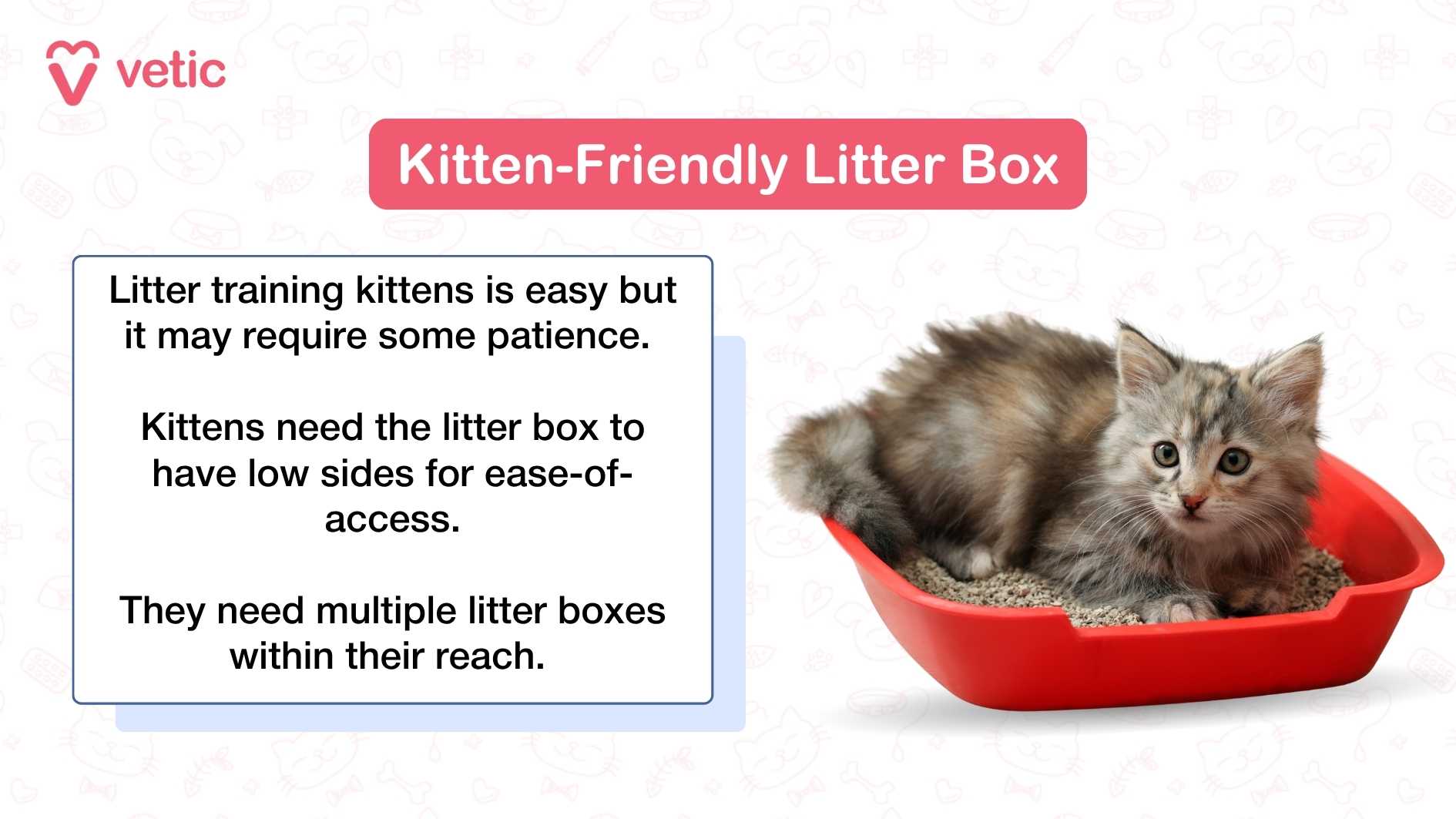
- Use a box with lower sides for easier access
- Observe if any stress or changes in the home might be causing anxiety
Have you noticed your cat’s behavior change after introducing a new pet or rearranging furniture? Environmental stress often leads to litter box avoidance.
Maintaining Long-term Success
Keeping your cat using the litter box takes ongoing effort. Habits can change, so consistent care is key. Small routines help avoid accidents and keep your home clean.
Maintaining good litter box habits supports your cat’s comfort and health. It also saves you from frustration. Focus on cleanliness and watch for signs your cat needs help.
Cleaning And Litter Replacement
Clean the litter box daily to remove waste. Cats prefer a fresh and tidy spot. Replace all litter and wash the box with mild soap weekly. Avoid strong smells that may scare your cat.
Use the same type of litter your cat likes. Changing suddenly can cause confusion or refusal. Keep enough litter in the box, about two to three inches deep. This allows your cat to dig and cover waste naturally.
Monitoring Behavior Changes
Watch your cat’s bathroom habits closely. Changes in frequency or location can signal problems. Stress, illness, or changes in the home can cause accidents.
Look for signs like:
- Sudden refusal to use the litter box
- Frequent attempts to urinate or defecate outside
- Excessive scratching or digging at the box
- Changes in appetite or activity levels
Address issues quickly by consulting a vet or behavior expert. Early action helps prevent bad habits from forming. Keep your cat comfortable and safe.
Credit: www.iams-india.com
Frequently Asked Questions
How Long Does It Take To Train A Cat To Use Litter Box?
Training a cat to use a litter box usually takes 1 to 2 weeks. Consistency and patience speed up the process. Young kittens learn faster than adult cats. Regularly placing your cat in the box after meals helps build a routine.
What Type Of Litter Box Is Best For Cats?
A large, uncovered litter box with low sides is ideal. It allows easy access and visibility. Avoid strong scents that may deter cats. Choose clumping, unscented litter for easy cleaning and comfort.
How Often Should I Clean The Litter Box?
Clean the litter box at least once daily. Scoop out waste to keep it fresh and odor-free. A fully emptied and washed box should be done weekly. Cleanliness encourages cats to use the box consistently.
Can I Train An Older Cat To Use A Litter Box?
Yes, older cats can learn with patience and encouragement. Use positive reinforcement and keep the box accessible. Address any health issues that may affect litter habits. Consistent routine helps older cats adapt successfully.
Conclusion
Training your cat to use the litter box takes time and patience. Keep the box clean and in a quiet spot. Praise your cat when it uses the box correctly. Watch for signs if your cat needs help or is confused.
Small steps make a big difference. Soon, your cat will use the litter box with ease. A happy cat means a happy home. Keep trying, and success will come.

Lily Purrington is the founder of MyKittyPicks.com, a cozy corner of the web dedicated to helping cat lovers discover the best cat products, furniture, toys, and home decor ideas.
A lifelong cat enthusiast, Lily shares trusted tips, honest product recommendations, and stylish inspiration designed to keep kitties happy and homes beautiful.
Her mission is simple: to bring together practical advice and purr-fect picks that make life better for cats and the people who love them.


