
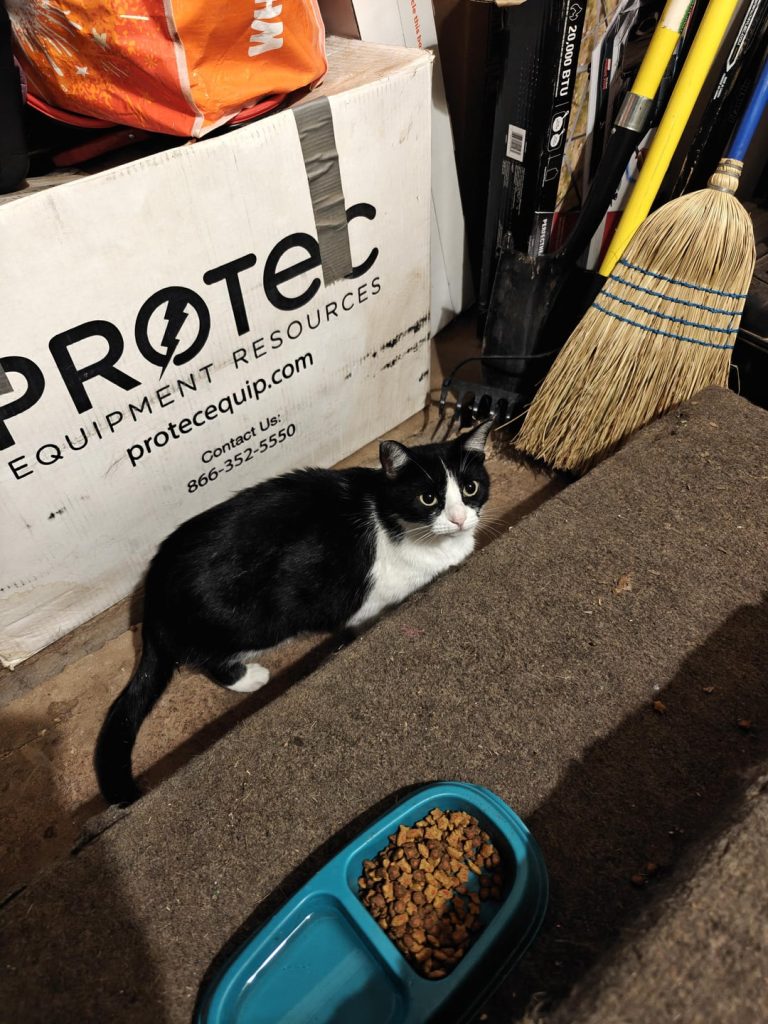
Taking in a stray cat can be a rewarding experience, but teaching it to use a litter box can feel like a challenge. You want your new furry friend to feel comfortable and keep your home clean.
The good news? With the right approach, you can help your stray cat quickly learn where to go. In this guide, you’ll discover simple, effective steps to litter box train your stray cat. Keep reading to make this transition smooth for both you and your feline companion.
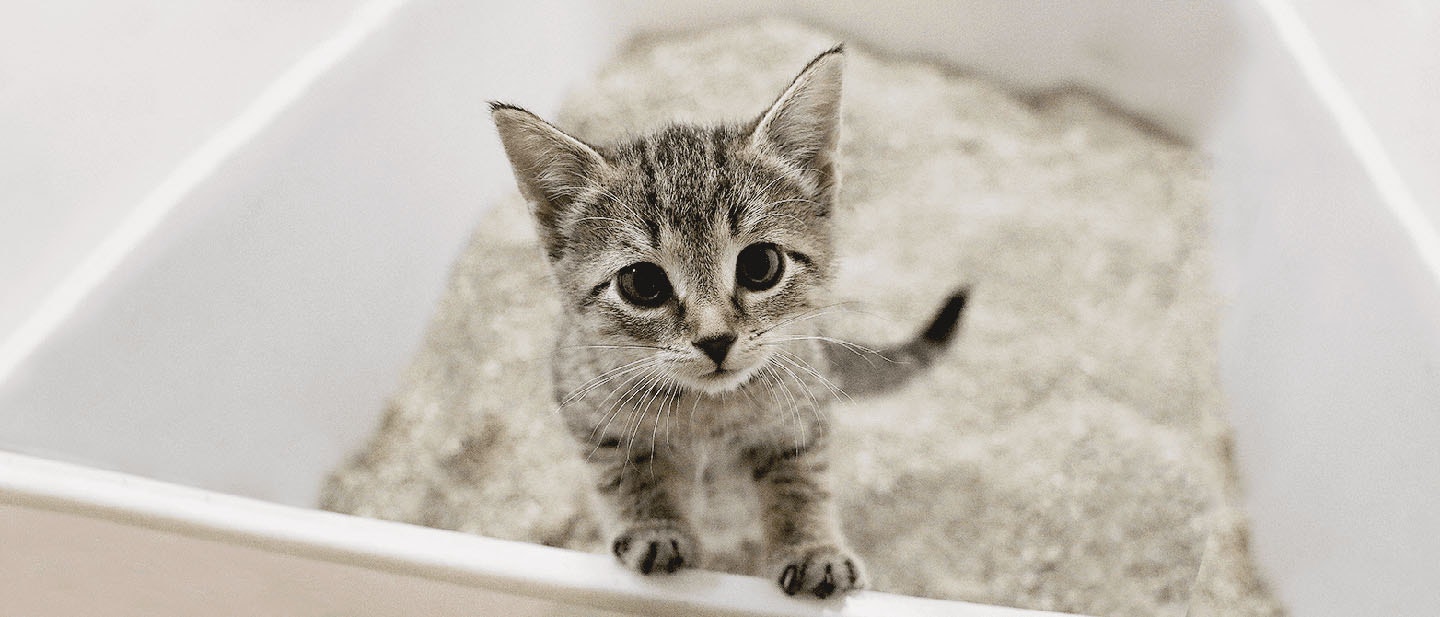
Credit: www.whiskas.com.ph
Preparing For Training
Preparing for litter box training a stray cat sets the stage for success. A calm environment helps the cat feel safe. The right tools make learning easier. Start by gathering all essentials before bringing the cat to your home. This preparation reduces stress for both you and the cat.
Choosing The Right Litter Box
Select a litter box that fits the cat’s size and needs. A box with low sides allows easy entry. Avoid covered boxes at first; they can trap smells and scare the cat. A larger box gives more room to move and dig. Make sure the box is stable and won’t tip over.
Selecting Suitable Cat Litter
Pick a litter that feels natural to the cat. Unscented, clumping litter is often best. It controls odors and is easy to clean. Avoid litters with strong perfumes or crystals; they can irritate sensitive paws. Use a small amount at first to avoid overwhelming the cat.
Setting Up A Safe Space
Create a quiet, comfortable area for the cat to explore. This space should have food, water, and the litter box nearby. Keep the area free from loud noises and busy foot traffic. Provide a soft bed or blanket for resting. This helps the cat relax and trust the new environment.
Introducing The Cat To The Litter Box
Introduce the stray cat to a quiet, clean litter box in a calm space. Gently place the cat inside the box after meals or naps. Praise the cat softly when it uses the box to build positive habits.
Introducing a stray cat to a litter box can be an exciting and rewarding experience. It’s a process that requires patience, understanding, and a bit of creativity. By focusing on creating a calm environment, encouraging exploration, and recognizing signs of readiness, you can successfully guide your feline friend towards using the litter box.Creating A Calm Environment
Cats are sensitive creatures. A chaotic or noisy environment can make them anxious and less likely to try new things. Ensure the space around the litter box is quiet and free from disturbances. Place the litter box in a low-traffic area where your cat can feel safe. Consider using calming scents like lavender or chamomile nearby. These can help soothe your stray cat and make the area more inviting.Encouraging Exploration
Curiosity is a cat’s best friend. Encourage your stray to explore the litter box by gently guiding them towards it. You might sprinkle a bit of catnip around the area to pique their interest. Leave treats near the litter box to create positive associations. Watch as they sniff and paw around, getting familiar with this new addition to their territory. Have you noticed how quickly cats can become intrigued by new objects?Recognizing Signs Of Readiness
Understanding your cat’s body language is key. Look for signs that they are ready to use the litter box, such as sniffing or scratching the ground. These behaviors indicate they are seeking a place to relieve themselves. If your cat starts to show these signs elsewhere, gently move them to the litter box. Praise them when they use it correctly. Your encouragement can make all the difference in helping them feel confident and secure.Establishing A Routine
Establishing a routine is key to helping a stray cat adjust to a new home. Cats thrive on predictability, so setting regular times for feeding and bathroom breaks helps them feel secure. This structure makes litter box training easier and builds trust between you and the cat.
Feeding And Litter Box Timing
Feed the cat at the same times each day. Cats often need to use the litter box shortly after eating. Place the cat in the litter box about 15 to 20 minutes after meals. This timing helps the cat connect eating with using the box. Keep the litter box clean and in a quiet spot.
Positive Reinforcement Techniques
Praise the cat softly when it uses the litter box correctly. Use gentle petting or a calm voice to show approval. Avoid loud noises or punishment, which can scare the cat. Offer small treats to encourage good behavior. Positive feedback helps the cat learn faster.
Handling Accidents Calmly
Accidents happen. Stay calm and avoid yelling or punishment. Clean the area thoroughly to remove any smell. Use an enzymatic cleaner to prevent repeat accidents. Guide the cat gently back to the litter box. Patience and calmness build a better bond and trust.

Credit: www.purina.com
Troubleshooting Common Issues
Troubleshooting common issues during litter box training can save you from frustration and help your stray cat adjust more smoothly. Challenges like avoidance, aversion, and conflicts with other cats often pop up, but you can handle them with patience and smart strategies. Understanding these problems lets you respond effectively, creating a peaceful environment for your feline friend.
Dealing With Avoidance
If your stray cat avoids the litter box, look for stress triggers in their environment. Cats often steer clear if the box is in a noisy or high-traffic area. Try moving it to a quiet, private spot where your cat feels safe.
Sometimes, the type of litter or box itself causes avoidance. Experiment with different litters—unscented and clumping varieties usually work well. Also, ensure the box is clean; cats dislike dirty litter boxes and may refuse to use them.
Have you noticed your cat hiding or acting nervous? Spend extra time near the box, gently encouraging your cat with treats or soft praise when they approach. This builds trust and helps them associate the box with positive experiences.
Addressing Litter Box Aversion
Litter box aversion often comes from a bad experience, like pain from a urinary tract infection or discomfort from the box itself. If your cat suddenly stops using the box, a vet checkup is crucial to rule out health issues.
Once health problems are cleared, focus on comfort. Try different box styles—some cats prefer open trays, others covered boxes. Also, avoid strong-smelling litters; they can repel sensitive noses.
Cleaning accidents with enzyme cleaners removes odors that might attract your cat back to the wrong spot. Have you cleaned the accident areas thoroughly? Lingering smells can reinforce unwanted habits.
Managing Multiple Cats
Introducing a stray cat into a home with other cats can complicate litter box training. Territorial disputes or stress can make cats avoid the box. Provide one litter box per cat, plus an extra one, to reduce competition.
Place boxes in different locations to give each cat privacy and choice. Watch for signs of bullying or blocking access to the boxes and intervene gently if needed.
Have you noticed one cat guarding the litter box? Consider feeding cats in separate areas to lower tension around resources. Creating a calm, respectful environment helps all cats feel secure using their boxes.
Maintaining Long-term Success
Maintaining long-term success in litter box training a stray cat needs patience and care. Consistency keeps your cat comfortable and confident. Small changes can make a big difference in their behavior. Understanding your cat’s needs helps prevent accidents and stress. Keep the litter box area clean and inviting. Stay observant and ready to adjust your approach. This way, your cat will continue using the litter box happily.
Cleaning And Litter Box Maintenance
Clean the litter box daily to avoid odors and mess. Scoop out waste at least once every day. Replace the litter fully once a week to keep it fresh. Use unscented litter to prevent upsetting your cat’s nose. Wash the box with mild soap and warm water. Avoid harsh chemicals that can deter your cat from using it. Keep the box in a quiet, private spot for your cat’s comfort.
Adjusting Training As Needed
Watch your cat’s behavior closely for signs of stress or confusion. Change the litter type if your cat seems unhappy with it. Try different box sizes or styles if accidents happen often. Move the box to a better location if it’s too noisy or busy. Reward good litter box habits with gentle praise or treats. Stay patient and flexible; every cat learns at their own pace.
Ensuring Ongoing Comfort
Provide a calm environment around the litter box area. Avoid loud noises or heavy traffic near the box. Make sure your cat always has easy access to the box. Keep multiple boxes if you have several cats or a large home. Monitor your cat’s health as illness can affect litter habits. Give your cat plenty of love and attention to build trust. Comfort helps your cat feel safe and secure using the litter box.

Credit: cats-magazine.com
Frequently Asked Questions
How Long Does Litter Training A Stray Cat Take?
Litter training a stray cat usually takes one to two weeks. Consistency and patience speed up the process. Some cats adjust faster, while others need more time to feel comfortable.
What Type Of Litter Box Is Best For Strays?
A large, low-sided litter box works best for strays. It allows easy access and enough space to move. Choose an unscented, clumping litter for better odor control and acceptance.
How To Encourage A Stray Cat To Use The Litter Box?
Place the box in a quiet, accessible area. Gently place the cat inside after meals or naps. Clean the box regularly to keep it inviting and prevent accidents.
Can Strays Be Litter Trained Without Force?
Yes, gentle encouragement and positive reinforcement work best. Avoid punishment or force, as it can scare the cat. Patience and consistency build trust and promote good habits.
Conclusion
Training a stray cat to use a litter box takes time and patience. Stay calm and keep the box clean every day. Give the cat a quiet, safe place to feel comfortable. Praise small successes to build trust and good habits.
Watch for signs the cat needs to go, and guide gently. With care and routine, the cat will learn soon. This helps both you and the cat live happily together. Keep trying, and enjoy your new furry friend.

Lily Purrington is the founder of MyKittyPicks.com, a cozy corner of the web dedicated to helping cat lovers discover the best cat products, furniture, toys, and home decor ideas.
A lifelong cat enthusiast, Lily shares trusted tips, honest product recommendations, and stylish inspiration designed to keep kitties happy and homes beautiful.
Her mission is simple: to bring together practical advice and purr-fect picks that make life better for cats and the people who love them.


