
Are you tired of your cat scratching up your furniture, walls, or favorite belongings? You’re not alone.
Scratching is a natural behavior for cats, but that doesn’t mean you have to accept the damage it causes. Imagine keeping your home safe and your cat happy at the same time. You’ll discover simple and effective ways to prevent your cat from scratching where it shouldn’t.
Keep reading, and you’ll learn how to protect your space without upsetting your furry friend.
Why Cats Scratch
Cats scratch for many natural reasons. It is a normal behavior for them.
Understanding why cats scratch can help prevent damage to your home.
Natural Instincts
Scratching is part of a cat’s natural instincts. It helps them stretch their muscles.
Cats also use scratching to stay active and healthy. It keeps their bodies flexible.
Territory Marking
Cats scratch to mark their territory. They have scent glands in their paws.
When they scratch, they leave both a visual mark and a scent. This warns other animals.
- Visual marks show other cats where they have been
- Scent marks signal ownership of the area
- This helps reduce fights between cats
Claw Maintenance
Scratching helps cats keep their claws sharp and clean. It removes old claw layers.
This process stops claws from becoming too long or dull. It also prevents damage to claws.
Common Areas Cats Scratch
Cats scratch to mark territory, sharpen claws, and stretch muscles.
Knowing where cats often scratch helps prevent damage at home.
Furniture
Furniture like sofas and chairs are favorite scratching spots for cats.
- Armrests and corners wear out quickly from scratching.
- Wooden legs and fabric upholstery can get damaged.
- Cats choose furniture due to its texture and height.
Walls And Doors
Cats often scratch walls and doors to climb or mark areas.
| Area | Why Cats Scratch |
|---|---|
| Walls near furniture | To stretch and sharpen claws |
| Door edges | Mark territory and gain attention |
| Baseboards | Accessible scratching spots |
Carpets And Curtains
Cats enjoy scratching carpets and curtains because of their texture.
- Carpets offer a rough surface to remove old claw layers.
- Curtains provide vertical scratching spots for stretching.
- Both can be damaged easily by repeated scratching.
Choosing The Right Scratching Posts
Scratching is natural for cats. It helps them mark territory and keep nails sharp.
Choosing the right scratching post can protect your furniture and keep cats happy.
Materials Cats Prefer
Cats like certain materials more than others for scratching. These materials feel good on their claws.
- Sisal rope is rough and durable.
- Carpet offers a soft texture but may wear out fast.
- Cardboard is cheap and cats often love its texture.
- Wood posts can be sturdy but not all cats like them.
Placement Tips
Place scratching posts in spots where cats like to scratch. These include near their sleeping and eating areas.
- Put posts close to furniture cats often scratch.
- Keep posts in quiet areas where cats feel safe.
- Make sure posts are tall and stable.
- Try multiple locations to find the favorite spot.
Different Types Of Posts
Scratching posts come in many shapes and sizes. Different cats prefer different types.
| Type | Description | Best For |
| Vertical Post | Tall post covered with sisal or carpet. | Cats that like to stretch up. |
| Horizontal Mat | Flat scratching surface on the floor. | Cats that scratch on the ground. |
| Inclined Post | Angled post for scratching and stretching. | Cats that like to lean while scratching. |
| Scratching Box | Cardboard box or pad for scratching and resting. | Cats that enjoy cardboard texture. |
Credit: www.amazon.ca
Training Your Cat To Use Scratching Posts
Cats need to scratch to keep their claws healthy. Scratching posts protect your furniture from damage. Training your cat to use these posts takes patience and care.
Use simple steps to guide your cat toward the scratching post. This helps your cat learn good habits without stress.
Positive Reinforcement
Reward your cat when it uses the scratching post. Praise and treats encourage your cat to repeat good behavior. This makes training faster and easier.
Do not punish your cat for scratching furniture. Negative actions can cause fear and confusion. Focus on rewarding the right actions instead.
Using Catnip And Toys
Catnip can attract your cat to the scratching post. Sprinkle some on the post to make it more inviting. Toys near the post also make it fun to use.
- Sprinkle catnip on the scratching post
- Place toys around or on the post
- Play with your cat near the post
Redirecting Scratching Behavior
When your cat starts to scratch furniture, gently move it to the scratching post. This teaches the right place to scratch. Be patient and consistent with this redirection.
Cover furniture with materials cats dislike, like double-sided tape. This helps prevent scratching there. Always provide a good scratching post as an alternative.
Protecting Furniture And Household Items
Cats love to scratch. It helps them mark their space and keep their claws sharp. This can damage your furniture and household items.
You can protect your belongings by using covers, sprays, and tapes. These tools keep cats away from places you want safe.
Furniture Covers And Guards
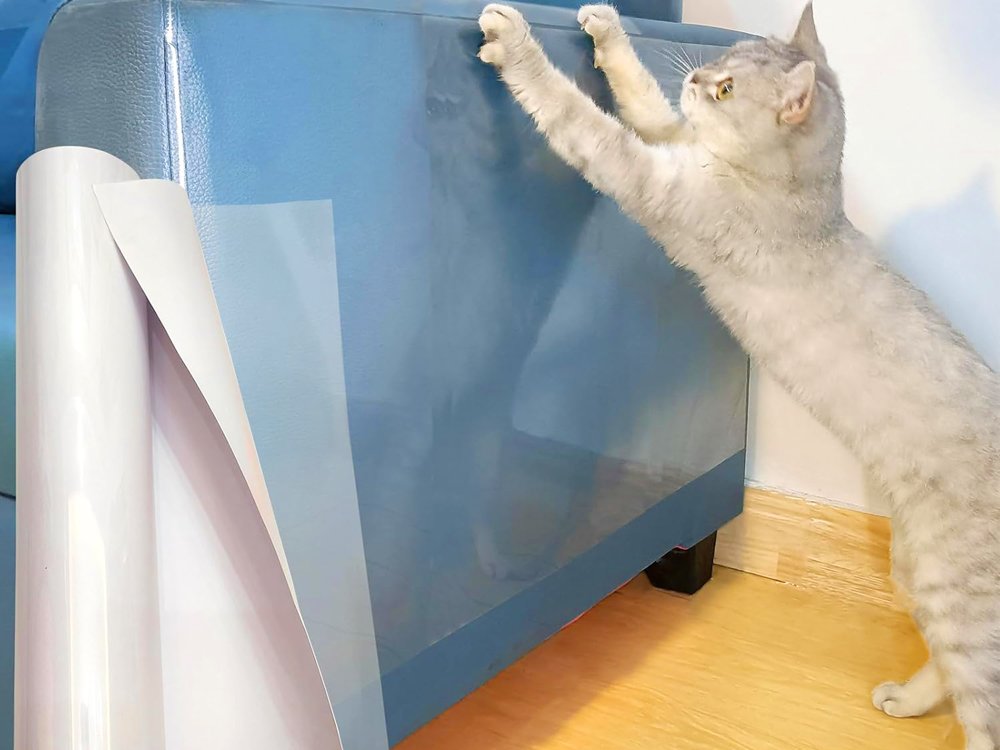
Furniture covers protect your sofas and chairs from cat scratches. They are easy to put on and clean.
Guards made of plastic or vinyl can stop cats from scratching corners or edges. They create a hard surface cats dislike.
- Covers made of tough fabric resist claws
- Plastic guards fit on chair legs and corners
- Use transparent covers to keep furniture look
- Replace or clean covers regularly
Deterrent Sprays
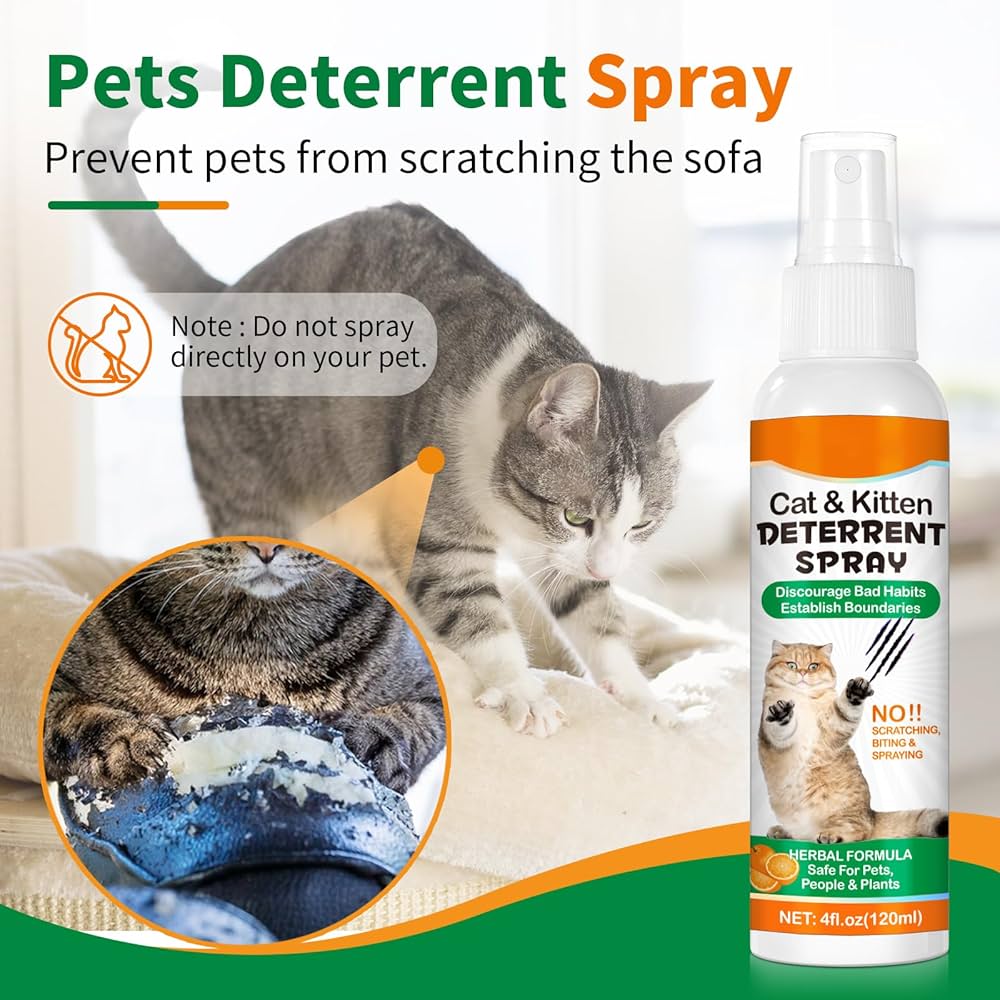
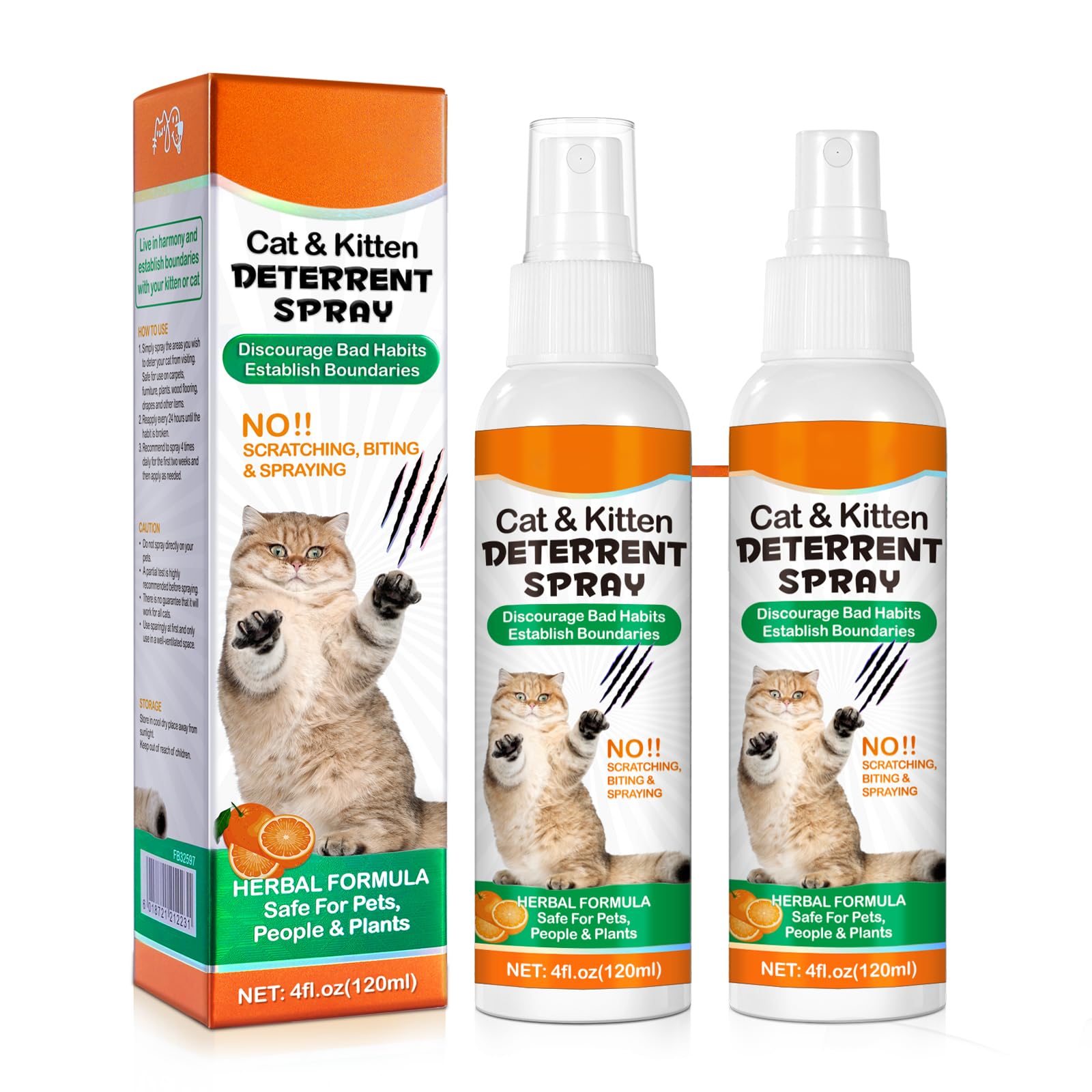
Deterrent sprays have smells cats do not like. Spray them on furniture to keep cats away.
These sprays are safe and do not harm cats. You may need to reapply after cleaning or after a few days.
- Use sprays designed for cats
- Test spray on a small furniture spot first
- Spray often for best results
- Combine sprays with other protection methods
Double-sided Tape Tricks
Cats dislike sticky surfaces. Put double-sided tape on furniture where cats scratch.
The tape feels uncomfortable on their paws. This stops them from scratching that spot again.
- Apply tape to sofa arms and edges
- Replace tape when it loses stickiness
- Use wide tape for better effect
- Remove tape gently to avoid damage
Regular Nail Care
Cats love to scratch, but it can damage furniture. Keeping their nails trimmed helps reduce this behavior. Regular nail care is important for both your cat and your home.
With the right tools and techniques, you can manage your cat’s scratching habits effectively. Let’s explore some methods.
Trimming Nails Safely
Trimming your cat’s nails is a simple way to prevent scratching. Use clippers made for pets. Be careful to avoid the quick, which is the sensitive part of the nail.
- Hold your cat gently.
- Press the paw to extend the nail.
- Trim the sharp tip of the nail.
- Give a treat after to reward good behavior.
Soft Nail Caps
Soft nail caps are a great option to reduce damage from scratching. They are small caps that fit over your cat’s nails. They come in various sizes and colors.
- Trim the nails first.
- Use adhesive to attach the cap.
- Press gently and hold for a few seconds.
- Check regularly to ensure they are secure.
When To Seek Professional Help
If you’re unsure about trimming your cat’s nails, a vet or groomer can help. They have experience and can show you the right technique.
| Service | Benefits |
| Veterinarian | Professional trimming and health check |
| Pet Groomer | Expert handling and grooming advice |
Creating An Enriching Environment
Cats scratch to keep their claws sharp and to mark their territory. Creating an enriching environment helps reduce unwanted scratching. It keeps your cat active and happy.
An enriching environment provides mental and physical stimulation. This can discourage your cat from scratching furniture and other items.
Providing Toys And Playtime
Toys are essential for a cat's mental and physical health. They provide an outlet for your cat’s energy and natural hunting instincts.
- Interactive toys keep your cat engaged
- Soft toys mimic prey for hunting
- Laser pointers offer fun chase opportunities
Climbing Structures
Cats love to climb and explore their surroundings. Providing climbing structures can satisfy this need and reduce scratching on furniture.
- Cat trees offer multiple levels for climbing
- Shelves on walls create vertical space
- Scratching posts redirect scratching behavior
Reducing Stress And Anxiety
Stress and anxiety can lead to unwanted scratching. Creating a calm environment helps your cat feel safe and secure.
Provide hiding spots where your cat can retreat. Consider using calming sprays or diffusers that mimic feline pheromones.
- Quiet areas for rest and relaxation
- Regular feeding and play schedules
- Comfortable beds and blankets

Credit: www.youtube.com
Credit: www.ysdiecut.com
Frequently Asked Questions
How Can I Stop My Cat From Scratching Furniture?
Provide scratching posts near furniture. Use catnip to attract cats. Cover furniture with protective covers. Trim your cat’s nails regularly. Reward good scratching behavior to encourage it.
Why Do Cats Scratch Surfaces Frequently?
Cats scratch to mark territory, stretch muscles, and shed nail sheaths. It’s a natural, instinctive behavior important for their health and communication.
What Materials Do Cats Prefer For Scratching?
Cats prefer rough materials like sisal, cardboard, or carpet for scratching. These textures help remove old nail sheaths and satisfy their scratching needs.
Can Nail Trimming Prevent Cat Scratching Damage?
Yes, regular nail trimming reduces damage. Short nails cause less harm to furniture and skin. Trim nails carefully or seek professional help.
Conclusion
Preventing cats from scratching takes patience and care. Give your cat proper scratching posts to save furniture. Trim their nails regularly to reduce damage. Use gentle training to guide their behavior. Remember, cats scratch to feel happy and healthy. With love and the right tools, you protect your home and keep your cat content.
Small steps make a big difference every day. Stay consistent, and you will see results soon.

Lily Purrington is the founder of MyKittyPicks.com, a cozy corner of the web dedicated to helping cat lovers discover the best cat products, furniture, toys, and home decor ideas.
A lifelong cat enthusiast, Lily shares trusted tips, honest product recommendations, and stylish inspiration designed to keep kitties happy and homes beautiful.
Her mission is simple: to bring together practical advice and purr-fect picks that make life better for cats and the people who love them.


