
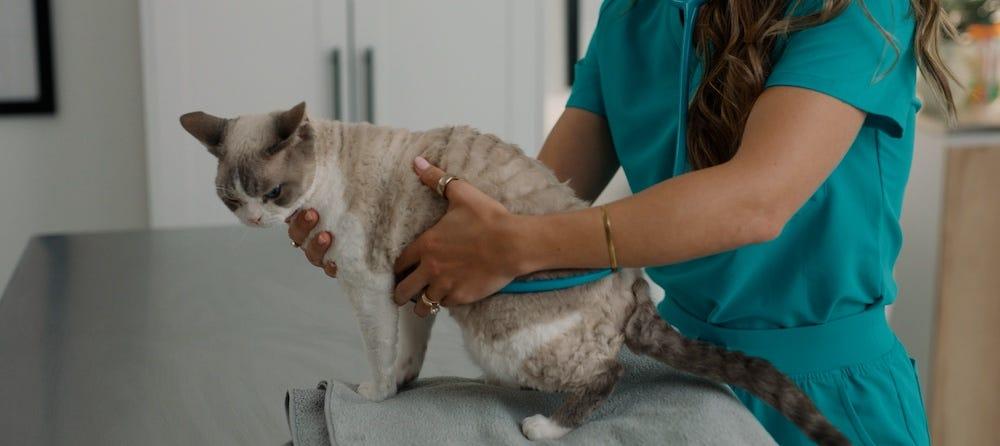
If you have a male cat, you know how important his health is to you. One serious problem that many cat owners face is urinary blockage.
It’s painful for your cat and can become life-threatening if not treated quickly. But the good news is, you can take simple steps to help prevent this condition. You’ll discover easy and effective ways to keep your cat’s urinary system healthy.
Keep reading to learn what signs to watch for and how to protect your furry friend from this dangerous issue. Your cat’s comfort and safety depend on it.
Causes Of Urinary Blockage
Urinary blockage is a serious health problem in male cats. It happens when urine cannot leave the bladder. This can cause pain and other health issues.
Understanding the causes helps owners prevent this condition. Several factors can lead to urinary blockage in male cats.
Diet And Hydration Factors
The food a cat eats affects its urine health. Dry food can reduce water intake. This may cause urine to become thick and form crystals.
Not drinking enough water also raises the risk of blockage. Cats need fresh water daily to keep their urine clear and flowing well.
- High magnesium or phosphate levels in food can cause stones
- Low moisture diets make urine more concentrated
- Limited water intake decreases urine output
Anatomical Risks In Male Cats
Male cats have a narrow urethra compared to females. This small tube carries urine out of the body. Its size makes it easier to block.
Any swelling or debris can quickly block this narrow passage. This puts male cats at higher risk of urinary blockage than females.
- Narrow urethra limits urine flow
- Longer urethra increases blockage chances
- Swelling or inflammation can close the urethra
Common Health Conditions
Some health problems increase the risk of urinary blockage. Urinary tract infections cause swelling and pain. Bladder stones can block urine flow.
Other conditions like bladder inflammation or crystals in urine also raise the risk. Treating these issues early helps prevent blockage.
- Urinary tract infections cause swelling
- Bladder stones block urine flow
- Crystals in urine can form plugs
- Bladder inflammation narrows the urethra
Recognizing Early Signs
Male cats can suffer from urinary blockage. Catching early signs helps prevent serious problems. Watch your cat closely for changes.
Knowing what to look for can save your cat’s life. This guide shows key signs in urination, behavior, and physical condition.
Changes In Urination Habits
Look for any change in how your cat urinates. These changes may be subtle but are important to notice quickly.
- Straining or pain while urinating
- Frequent attempts to urinate with little output
- Urinating outside the litter box
- Blood in the urine
- Complete inability to urinate
Behavioral Symptoms
Your cat’s behavior may change if it feels discomfort or pain from urinary blockage.
| Behavior | What It Means |
| Excessive licking of genital area | Trying to ease irritation or pain |
| Restlessness or pacing | Cannot find a comfortable position |
| Hiding or avoiding interaction | Feeling weak or unwell |
| Loss of appetite | General discomfort or illness |
Physical Indicators
Physical signs can help confirm if your cat is at risk. Check its body carefully and often.
Watch for these physical indicators:
- Swollen or tender abdomen
- Signs of pain when touched
- Vomiting or lethargy
- Rapid breathing or panting
Dietary Strategies
Diet plays a key role in preventing urinary blockage in male cats. Feeding the right diet helps keep their urinary tract healthy and clear.
Focus on food choices, water intake, and helpful supplements. These steps support your cat’s urinary health and reduce risks.
Choosing The Right Food
Select foods that support urinary health. Wet food often helps by adding moisture. Look for diets designed to lower urinary crystals.
- Choose wet food over dry to increase water intake.
- Pick foods with controlled magnesium and phosphorus levels.
- Avoid high ash content, which can increase crystal formation.
- Consult your vet for prescription urinary diets if needed.
Importance Of Water Intake
Water helps flush the urinary tract and dilute minerals that form crystals. Encourage your cat to drink more often to reduce blockage risk.
| Method | How It Helps |
|---|---|
| Fresh Water Bowls | Keep clean water available all day |
| Water Fountains | Stimulate cats to drink by running water |
| Adding Water to Food | Increase moisture intake through wet food |
| Multiple Water Stations | Place water in different rooms |
Supplements And Additives
Some supplements help maintain healthy urine pH and reduce crystal formation. Always check with your vet before adding supplements.
- Cranberry extract may support urinary tract health.
- Omega-3 fatty acids reduce inflammation in the urinary tract.
- DL-Methionine helps acidify urine to prevent crystals.
- Probiotics can improve overall digestion and health.

Credit: urbananimalveterinary.com
Lifestyle Adjustments
Male cats can suffer from urinary blockage, which is a serious health issue. Making lifestyle changes can help prevent this problem. Simple steps at home improve your cat’s urinary health.
Focus on daily habits that support your cat’s well-being. These changes reduce the risk of blockage and keep your cat happy.
Encouraging Activity
Physical activity helps keep your male cat healthy. Active cats are less likely to develop urinary problems.
Try to provide toys and playtime every day. Encourage your cat to move and stay fit.
- Use interactive toys like feather wands or laser pointers
- Set aside at least 15 minutes for play daily
- Create climbing areas with cat trees or shelves
- Rotate toys often to keep interest high
Litter Box Maintenance
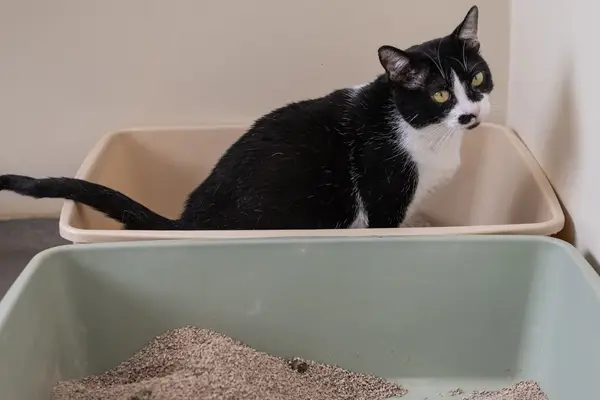
A clean litter box is important for your cat’s health. Dirty boxes can cause stress and avoidant behavior.
Keep the litter box clean to encourage regular urination. This helps prevent blockages from developing.
- Scoop waste daily
- Change litter completely once a week
- Use unscented, clumping litter
- Place the box in a quiet, easy-to-access spot
- Provide one litter box per cat plus one extra
Stress Reduction Techniques
Stress can cause urinary problems in male cats. Lowering stress helps keep their urinary tract healthy.
Make your home calm and safe. Use these ideas to reduce your cat’s anxiety.
- Keep a regular feeding and play schedule
- Provide quiet areas for rest
- Use pheromone diffusers to calm your cat
- Avoid sudden changes in the environment
- Give gentle attention and petting when your cat wants it
Regular Vet Check-ups
Regular visits to the vet are very important for your male cat’s health. These visits help catch problems early, especially urinary blockages.
Keeping up with vet check-ups can prevent serious health issues and keep your cat comfortable and happy.
Routine Urinalysis
Routine urinalysis tests your cat’s urine for signs of infection or crystals. These tests help find problems before they get worse.
- Detect early urinary tract infections
- Find crystals that can cause blockages
- Check kidney function
- Monitor hydration levels
Monitoring Weight And Health
Watching your cat’s weight and overall health helps spot changes that may show urinary problems. Overweight cats have higher risk.
| Health Aspect | What to Watch |
| Weight | Sudden gain or loss |
| Activity | Less play or movement |
| Eating Habits | Changes in appetite |
| Drinking | More or less water intake |
Vaccinations And Preventive Care
Vaccines keep your cat safe from diseases that can affect the urinary tract. Preventive care reduces illness risk.
- Keep vaccinations up to date
- Use flea and tick preventives
- Follow vet advice on supplements
- Schedule regular health screenings
Credit: gsvs.org
Emergency Measures
Male cat urinary blockage is a serious condition. Quick action can save your cat’s life. Knowing emergency measures is important for any cat owner.
In emergencies, every minute counts. Understanding the steps to take can make a big difference in your cat’s health.
When To Seek Immediate Help
If your cat is straining to urinate, it needs help. Other signs include crying or licking the urinary opening.
Take your cat to the vet if it is in pain or cannot urinate. These signs show a blockage that needs urgent care.
First Aid Tips
While waiting for the vet, keep your cat calm. Stress can worsen the blockage.
Do not try to squeeze the bladder. This can cause more harm. Make sure your cat stays warm and comfortable.
Post-emergency Care
After treatment, follow the vet’s advice. Give your cat plenty of water to drink. This helps prevent future blockages.
Monitor your cat’s behavior and bathroom habits. Report any changes to your vet. Proper diet and hydration are key to recovery.
- Provide fresh water daily
- Feed a urinary health diet
- Regular vet check-ups
Credit: www.goodrx.com
Frequently Asked Questions
What Causes Urinary Blockage In Male Cats?
Urinary blockage in male cats is mainly caused by crystals, stones, or mucus plugs blocking the urethra. This condition restricts urine flow, leading to pain and potential kidney damage. It often results from dehydration, poor diet, or urinary tract infections.
How Can Diet Prevent Male Cat Urinary Blockage?
A balanced diet with proper hydration helps prevent urinary blockages. Feeding wet food increases water intake, reducing crystal formation. Specialized veterinary diets can also dissolve crystals and maintain urinary pH, minimizing blockage risks in male cats.
Why Is Hydration Important For Male Cat Urinary Health?
Hydration dilutes urine and flushes out crystals, preventing blockages. Male cats are prone to urinary issues due to narrower urethras. Providing fresh water and wet food encourages drinking, supporting urinary tract health and reducing blockage risks.
When Should I See A Vet For My Cat’s Urinary Issues?
Seek immediate veterinary care if your cat strains to urinate, cries, or shows frequent attempts without success. These symptoms indicate urinary blockage, a medical emergency needing prompt treatment to avoid serious complications or death.
Conclusion
Preventing urinary blockage in male cats needs care and attention. Keep their water bowls full and clean. Feed them balanced food made for urinary health. Watch for signs like straining or frequent urination. Regular vet visits catch problems early. Small changes help your cat stay healthy and happy.
Simple steps today can avoid big issues later. Caring for your cat’s urinary health protects their life and comfort. Stay alert and act quickly if symptoms appear. Your cat depends on you for a healthy life.

Lily Purrington is the founder of MyKittyPicks.com, a cozy corner of the web dedicated to helping cat lovers discover the best cat products, furniture, toys, and home decor ideas.
A lifelong cat enthusiast, Lily shares trusted tips, honest product recommendations, and stylish inspiration designed to keep kitties happy and homes beautiful.
Her mission is simple: to bring together practical advice and purr-fect picks that make life better for cats and the people who love them.


