
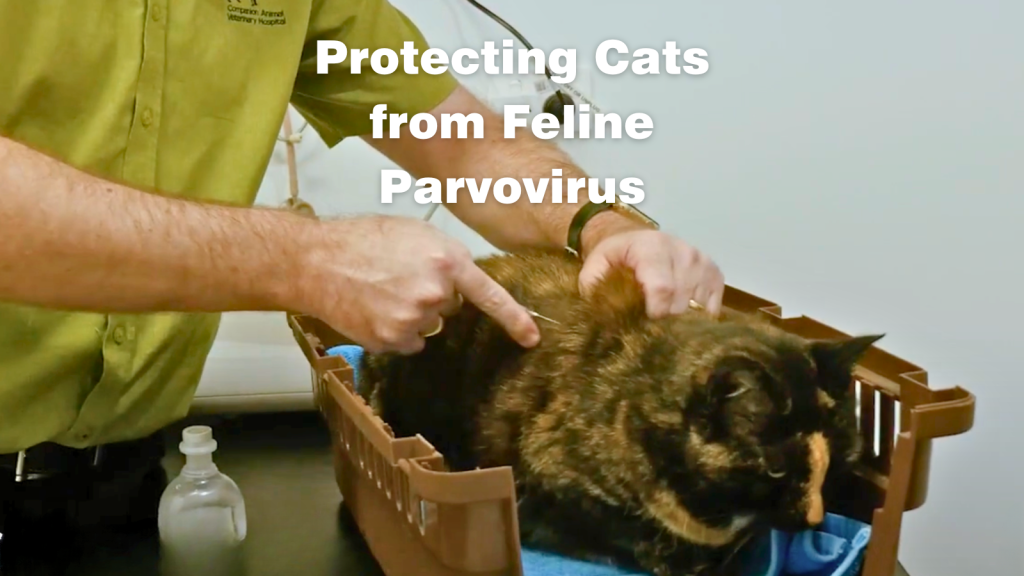
If you love your cat, keeping it safe from serious diseases is a top priority. Parvo is a dangerous virus that can strike quickly and cause severe illness in cats.
But here’s the good news: you can take simple, effective steps to protect your furry friend from this threat. You’ll discover easy ways to prevent parvo and keep your cat healthy and happy. Keep reading to learn what you need to do before it’s too late.
Causes Of Parvo In Cats
Parvo is a serious virus that affects cats. It can cause severe illness and needs quick care.
Understanding what causes parvo helps prevent its spread. Knowing how it spreads keeps cats safe.
What Is Parvovirus
Parvovirus is a tiny virus that attacks a cat’s intestines and blood cells. It causes vomiting, diarrhea, and weakness.
This virus is very strong and can live outside the body for months. It is hard to kill without strong cleaning.
How Parvo Spreads
Parvo spreads through contact with infected cats or their waste. The virus passes in feces and urine.
Cats get infected by touching dirty areas or grooming themselves after contact. People can also carry the virus on shoes or clothes.
- Contact with infected cat feces or urine
- Touching contaminated objects like bedding or bowls
- Direct contact with sick cats
- Carrying the virus on hands, clothes, or shoes
Recognizing Parvo Symptoms
Parvo is a serious virus that can harm cats. Early detection helps protect your pet’s health.
Knowing the signs of parvo helps you act fast. Watch your cat closely for any changes.
Common Signs To Watch
Cats with parvo often feel weak and tired. They may lose their appetite and stop eating.
Other signs include vomiting and diarrhea. These symptoms can cause dehydration quickly.
- Loss of appetite
- Vomiting
- Diarrhea, often with blood
- Weakness and lethargy
- Fever or low body temperature
Severity And Progression
Parvo symptoms get worse fast if untreated. The virus attacks the cat’s intestines and immune system.
Without quick care, cats can become very sick or die. Early veterinary help is critical.
- Symptoms start mild but worsen over days
- Severe dehydration may develop
- Weakness can cause collapse
- Fever may drop as illness worsens
- Rapid medical treatment improves chances
Vaccination Strategies
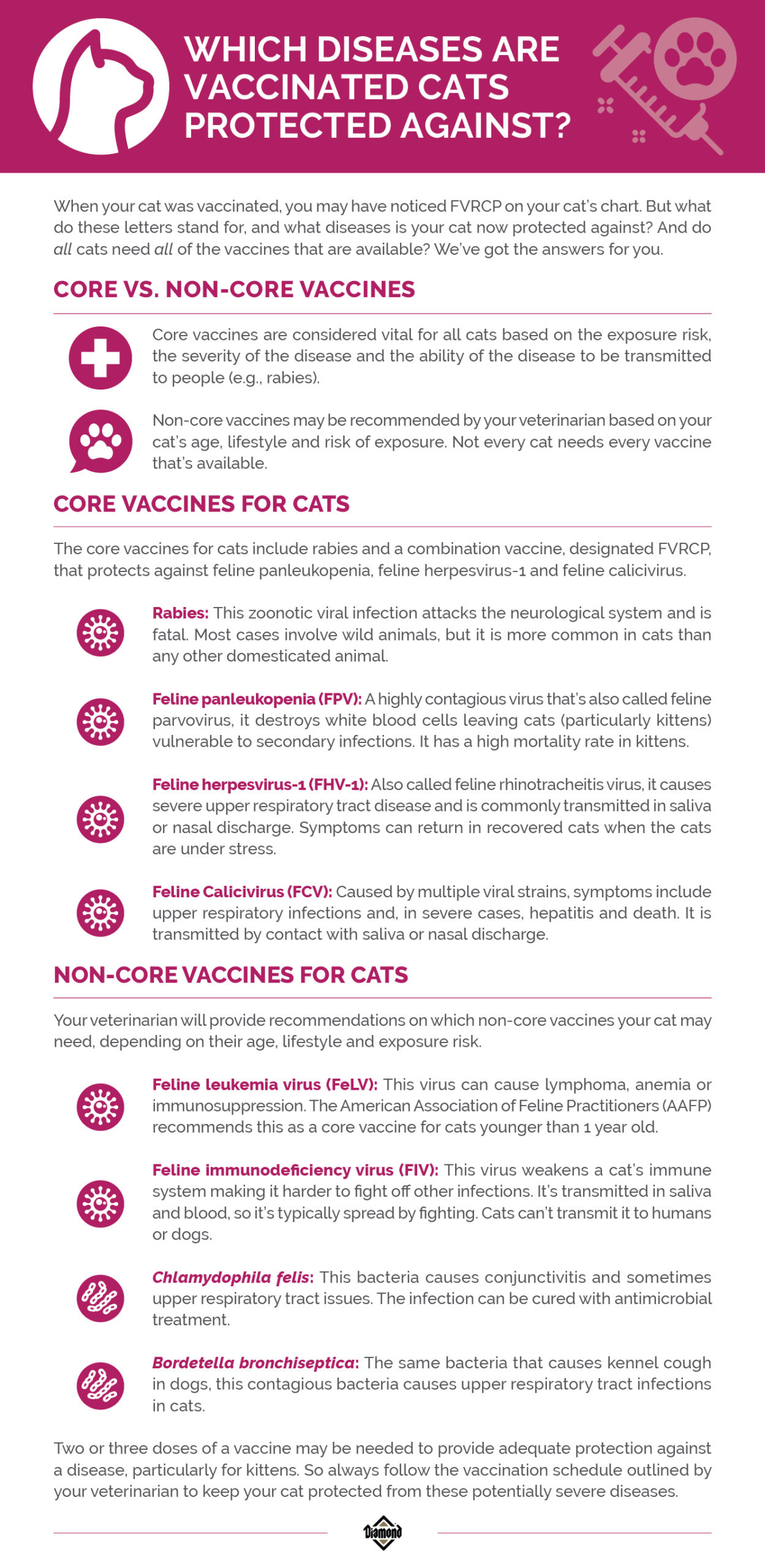
Parvo is a serious disease that can affect cats. Vaccination helps protect cats from this virus. Giving vaccines on time builds strong immunity.
It is important to know which vaccines to use and when to give them. Proper vaccination stops the spread of parvo in cats.
Vaccines Available
There are vaccines that protect cats from parvo virus. These vaccines contain a safe form of the virus. They help the cat’s body learn to fight the disease.
Most vaccines combine protection against parvo with other common feline diseases. This gives cats wider protection with fewer shots.
- Modified live virus (MLV) vaccines
- Killed virus vaccines
- Combination vaccines (FVRCP) covering parvo, calicivirus, and herpesvirus
Vaccination Schedule
Kittens need several vaccine doses to build strong immunity. Adult cats need booster shots to keep protection strong. Your vet will help set the right schedule.
| Age | Vaccine Dose |
|---|---|
| 6-8 weeks | First dose |
| 10-12 weeks | Second dose |
| 14-16 weeks | Third dose |
| 1 year | Booster dose |
| Every 1-3 years | Booster doses as advised |
Follow your vet’s advice for vaccine timing. Keep records of all vaccinations for your cat’s health.
Credit: www.diamondpet.com
Hygiene Practices
Keeping your cat’s environment clean helps stop parvo infection. Parvo virus spreads fast through contact with infected feces. Good hygiene lowers risk and keeps cats safe.
Daily cleaning and careful handling are key steps. These practices reduce the chance of the virus spreading in your home.
Cleaning And Disinfection
Use strong disinfectants to kill parvo virus on surfaces. Clean litter boxes, floors, and cat bedding often. Wash your hands well after cleaning.
- Wear disposable gloves during cleaning
- Use bleach diluted with water (1 part bleach to 30 parts water)
- Let disinfectant sit for 10 minutes before rinsing
- Wash cat bedding in hot water every week
- Dispose of waste safely in sealed bags
Safe Handling Tips
Handle cats carefully to avoid spreading the virus. Keep sick cats separated. Clean your hands before and after touching any cat.
| Handling Practice | Reason |
| Wash hands with soap | Removes virus particles |
| Use separate litter boxes | Prevents cross-contamination |
| Keep cats in quarantine if sick | Limits virus spread |
| Disinfect carriers after use | Kills lingering virus |
| Avoid sharing food bowls | Stops direct contact spread |
Preventing Exposure
Parvo is a serious illness that can affect cats. Preventing exposure is key to keeping your cat healthy.
Learn how to minimize risks and keep your feline safe from this virus.
Limiting Contact With Infected Animals
Keeping your cat away from infected animals is essential. This reduces the risk of catching parvo.
- Keep your cat indoors if there is an outbreak.
- Avoid areas where infected animals have been.
- Do not allow your cat to interact with stray cats.
- Quarantine new pets until they are checked by a vet.
Safe Outdoor Practices
Outdoor time can be safe with the right precautions. Protect your cat when they are outside.
Consider these safe outdoor practices:
- Use a leash to control your cat’s movements.
- Supervise your cat at all times outside.
- Choose clean and safe areas for outdoor play.
- Limit time spent outside to reduce exposure.
Credit: urbananimalveterinary.com
Nutrition And Immune Support
Keeping your cat healthy means focusing on nutrition and immune support. These elements play a key role in preventing diseases like parvo. A balanced diet and proper supplements can strengthen your cat’s immune system.
Let’s explore how a balanced diet and the right supplements can help in maintaining your cat’s health. Proper nutrition is the foundation of preventing illnesses.
Balanced Diet Benefits
A balanced diet provides essential nutrients that support your cat’s overall health. It ensures your cat gets the right mix of proteins, fats, and carbohydrates.
- Proteins help in building strong muscles.
- Fats are essential for energy and healthy skin.
- Carbohydrates provide necessary energy for daily activities.
Supplements For Immunity
Supplements can boost your cat’s immune system. They fill nutritional gaps that a regular diet may not cover.
| Supplement | Benefit |
| Vitamin C | Boosts immunity |
| Omega-3 fatty acids | Supports heart health |
| Probiotics | Improves gut health |
When To Visit The Vet
Parvo is a serious illness in cats that needs quick attention. Knowing when to see the vet can save your cat’s life.
Watch your cat closely. If you see signs of illness, do not wait to get help.
Early Warning Signs
Early signs of parvo infection include vomiting and diarrhea. Your cat may also lose appetite and seem very tired.
Other signs can be a fever, dehydration, and weakness. These signs mean you should visit the vet soon.
- Vomiting and diarrhea
- Loss of appetite
- High fever
- Lethargy or weakness
- Signs of dehydration
Emergency Care Tips
If your cat shows severe signs like blood in stool or constant vomiting, get emergency care immediately. Time is very important.
Keep your cat warm and calm during the trip to the vet. Offer small amounts of water if your cat can drink.
- Take your cat to the vet right away
- Keep your cat warm and quiet
- Offer water in small sips
- Do not try to give medicine without vet advice
- Follow all vet instructions carefully
Credit: cvhcp.com
Frequently Asked Questions
What Is Parvo In Cats And How Does It Spread?
Parvo, or feline panleukopenia, is a contagious virus affecting cats. It spreads through contact with infected feces, surfaces, or direct cat-to-cat interaction. The virus is highly resilient, surviving months in the environment, making hygiene and vaccination crucial for prevention.
How Can I Vaccinate My Cat Against Parvo?
Vaccination is the most effective Parvo prevention. Kittens need a series of vaccines starting at 6-8 weeks old. Adult cats require regular boosters. Consult your vet to establish a vaccination schedule tailored to your cat’s health and risk factors.
What Hygiene Practices Prevent Parvo Infection?
Clean litter boxes and living areas daily with disinfectants effective against Parvo virus. Wash hands after handling cats or cleaning. Avoid contact with unknown or unvaccinated cats. Proper sanitation reduces the virus’s presence and lowers infection risk.
Can Outdoor Cats Get Parvo More Easily?
Yes, outdoor cats face higher Parvo risk due to exposure to infected animals and contaminated environments. Limiting outdoor access or supervising outside time reduces exposure. Vaccination and hygiene remain essential for cats that go outdoors.
Conclusion
Preventing parvo in cats protects their health and saves lives. Keep your cat’s environment clean and avoid contact with sick animals. Regular vaccinations build strong defenses against this virus. Watch for early signs and act quickly if needed. Simple steps make a big difference in keeping cats safe.
Caring for your cat means staying alert and informed. Stay consistent with prevention to enjoy many happy years together. Small efforts create a safer world for your furry friend.

Lily Purrington is the founder of MyKittyPicks.com, a cozy corner of the web dedicated to helping cat lovers discover the best cat products, furniture, toys, and home decor ideas.
A lifelong cat enthusiast, Lily shares trusted tips, honest product recommendations, and stylish inspiration designed to keep kitties happy and homes beautiful.
Her mission is simple: to bring together practical advice and purr-fect picks that make life better for cats and the people who love them.


