
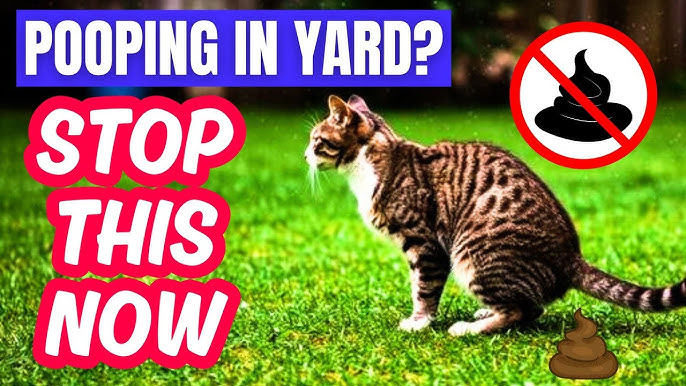
Are you tired of finding unwanted cat poop in your beautiful garden? It’s frustrating to see your plants disturbed and your outdoor space spoiled.
But don’t worry—there are simple, effective ways to keep cats out without causing them harm. You’ll discover easy tips and tricks that protect your garden and bring you peace of mind. Keep reading to learn how to enjoy a clean, healthy garden that stays cat-free!

Credit: uk.news.yahoo.com
Reasons Cats Poop In Gardens
Cats often choose gardens to poop because of natural behavior. Understanding these reasons can help stop this problem.
This guide looks at three main causes: natural instincts, attraction to soil, and lack of a proper litter box.
Natural Instincts
Cats bury their waste to hide their scent from predators. Gardens offer soft soil that is easy to dig. This instinct makes gardens attractive as a toilet spot.
Attraction To Soil
Many gardens have loose, fresh soil. Cats like this type of soil for pooping and digging. Some plants or fertilizers can also attract cats.
- Soft, loose soil is easy to dig.
- Gardens often smell fresh after rain.
- Some fertilizers or plants may draw cats.
- Mulch or compost can feel comfortable to cats.
Lack Of Proper Litter Box
Cats poop outside if their litter box is dirty or missing. A clean and accessible litter box helps prevent garden pooping. Age or health problems can also affect litter box use.
| Problem | Effect on Cat Behavior |
| Dirty litter box | Cat avoids it and poops outside |
| No litter box | Cat looks for other places |
| Litter box hard to reach | Cat may choose garden instead |
| Health issues | Cat loses control or avoids box |
Signs Of Cat Activity In Garden
Cats often leave clues when they visit gardens. Knowing these signs helps you protect your plants.
Look carefully for evidence of cats to stop them from pooping in your garden.
Visible Cat Droppings
Cat droppings are a clear sign of their presence. They are usually small and dark.
Spotting droppings early helps you clean the garden and avoid health risks.
Disturbed Soil Or Plants
Cats dig in soft soil to bury waste. This leaves the soil uneven or dug up.
- Soil looks freshly turned in small patches.
- Plants near the dug areas may be broken or bent.
- Mulch or leaves can be scattered around.
- Repeated digging spots often show worn paths.
Footprints And Paw Prints
Cat footprints appear in soft or muddy soil. They show four toes with no claws.
| Feature | Description |
| Number of Toes | Four on each paw |
| Claw Marks | Usually none, claws retract |
| Size | Small, about 1 to 1.5 inches wide |
| Shape | Round with distinct toe pads |
Physical Barriers To Keep Cats Out
Cats often use gardens as their bathroom. This can damage plants and soil. Using physical barriers helps keep cats away.
These barriers block cats from entering and making a mess. They are safe and do not harm animals.
Fencing Options
Fences stop cats from jumping into your garden. Choose fences that are tall and have no gaps. Cats can climb or squeeze through small spaces.
Adding angled tops or smooth surfaces can stop cats from climbing. Secure the bottom to prevent cats from digging under.
- Use tall fences, at least 6 feet high
- Choose smooth materials like metal or plastic
- Install angled or curved tops to block climbing
- Check and close gaps regularly
- Secure the fence base to stop digging
Netting And Covers
Netting can cover soil or plants to stop cats from digging. Place it tightly over garden beds. Cats do not like walking on netting.
Garden covers protect the soil surface. You can use wire mesh or plastic grids. These barriers keep cats away without hurting them.
- Use garden netting over soil and plants
- Choose strong mesh with small holes
- Secure edges to prevent cats from slipping under
- Use plastic or wire covers on garden beds
- Remove covers during planting and harvesting
Planting Cat-repellent Plants
Certain plants keep cats away with their smell. Plant these around your garden edges or beds. Cats dislike these scents and avoid the area.
These plants are safe and add beauty to your garden. They also help reduce cat visits without using chemicals.
- Lavender – strong scent cats avoid
- Rosemary – aromatic and easy to grow
- Rue – bitter smell deters cats
- Citronella – natural mosquito and cat repellent
- Coleus canina – nicknamed “scaredy cat” plant
Natural Repellents And Deterrents
Cats often dig and poop in gardens, causing problems for gardeners. Using natural repellents is a safe way to keep cats away.
These repellents use smells and textures cats dislike. They help protect plants without harming animals.
Citrus Peels And Scents
Cats dislike the strong smell of citrus fruits. Placing orange, lemon, or lime peels in your garden can keep cats away.
You can also use citrus-scented sprays. These sprays make the garden smell unpleasant to cats.
- Scatter fresh citrus peels around plants
- Replace peels regularly to keep scent strong
- Use diluted citrus oil spray on soil or leaves
Coffee Grounds And Vinegar
Used coffee grounds have a smell cats avoid. Spread dry grounds in garden beds to deter cats from digging.
Vinegar has a sharp smell that cats dislike. Spraying a vinegar solution around your garden can act as a natural barrier.
- Dry used coffee grounds before spreading
- Sprinkle grounds thinly; avoid thick layers
- Mix equal parts water and vinegar for spray
- Reapply vinegar spray after rain
Commercial Cat Repellents
There are many commercial products made from natural ingredients. These repellents use smells cats hate to protect gardens.
Most products are safe for plants and pets. Use them as directed for best results.
- Granules or powders to spread on soil
- Sprays with natural scents like citrus or herbs
- Ultrasonic devices that emit sounds cats avoid
Behavioral Techniques
Stopping cats from pooping in your garden needs some smart behavior tricks. Cats act on habits and feelings. Changing these can keep your garden clean.
Using tools and training helps teach cats to stay away. These methods work by making the garden less fun or by guiding cats to better spots.
Motion-activated Sprinklers
Motion-activated sprinklers spray water when they sense movement. This surprises cats and makes the garden less cozy. Cats dislike sudden water sprays.
Place sprinklers near spots where cats often poop. The water will scare them away without harming them. This method uses natural dislike to water.
Ultrasonic Devices
Ultrasonic devices send out sounds only cats can hear. These sounds bother cats and keep them away. The sound is safe for pets and humans.
Set these devices near your garden area. Cats will avoid the noise and stop visiting. This is a quiet and clean way to protect plants.
Training And Redirection
Training cats takes patience and rewards. Show cats a better place to do their business. Use soft commands and treats for good behavior.
Redirect cats to a sandbox or a litter box outside. Keep the new spot clean and easy to find. Praise cats when they use the new place.
- Use treats to reward good behavior
- Keep the garden area less attractive
- Provide clean, easy-to-find alternatives
- Be patient and consistent with training
Garden Maintenance Tips
Keeping your garden clean and tidy can help stop cats from pooping in it. Cats like quiet and undisturbed places to do their business. Regular care will make your garden less attractive to them.
There are simple steps you can take to keep your garden cat-free. Let’s explore some effective methods that work well.
Regular Cleaning
Cleaning your garden regularly is essential. This will remove any scents that attract cats. It also helps prevent them from coming back.
- Rake leaves and debris from the soil.
- Remove any fallen fruits or vegetables.
- Regularly trim overgrown plants and bushes.
Covering Soil
Cats prefer soft soil to dig. Covering the soil can deter them from using your garden as their litter box.
You can also use decorative rocks or stones. These are not only functional but also add to the garden’s beauty.
Using Mulch Or Gravel
Applying mulch or gravel can be a smart choice. It helps in keeping cats away and maintains soil moisture.
| Material | Benefit |
| Mulch | Retains moisture |
| Gravel | Discourages digging |
Choose materials that suit your garden’s look and feel. These will help in keeping your garden tidy and cat-free.
Providing Alternatives For Cats
Cats often choose gardens for their bathroom needs. Offering alternatives can help keep your garden clean. Here are ways to provide better options for cats.
Designated Sand Or Litter Areas
Creating a specific area with sand or litter can attract cats. It mimics natural conditions and encourages them to use it instead of your garden.
Place the sand or litter area in a quiet corner. Make sure it is easy for cats to access and keep it clean regularly.
- Choose a shaded spot for comfort
- Use fine sand or quality litter
- Clean the area daily to maintain hygiene
Encouraging Use Of Litter Boxes
Litter boxes can be a great solution for outdoor cats. Place them near the garden to divert cats from pooping in unwanted areas.
Make sure the litter box is covered to protect it from rain. Regularly change the litter to keep it fresh and appealing.
- Position boxes near garden entry points
- Use odor-control litter for freshness
- Ensure easy access for all cats
Creating A Cat-friendly Space
Designing a cat-friendly space can keep cats occupied. Add elements like scratching posts and plants that cats enjoy.
This space should be separate from your main garden. It will provide a safe and enjoyable area for cats, reducing their interest in your garden.
- Include catnip plants for attraction
- Add perches for climbing
- Use safe, non-toxic plants only
Credit: www.amazon.com
When To Seek Professional Help
Sometimes, cats keep pooping in your garden even after trying many ways to stop them. This can be frustrating and difficult to handle alone.
Knowing when to get help from a professional can save your garden and reduce stress for you and the cats.
Persistent Issues
If cats keep coming back and pooping despite your efforts, the problem might need expert advice. Professionals can find hidden reasons and suggest better solutions.
They use safe, effective ways to stop cats without harming them or your plants. If your garden is a constant target, do not wait too long to ask for help.
Health Concerns
Cat feces can carry germs that might cause sickness in people and pets. If you notice health issues or risk of infection, call a professional quickly.
Experts can also check if the cats are healthy or need medical care. Protecting your family and animals is very important.
Community Solutions
Sometimes, many neighbors face the same cat problem in their gardens. Professionals can help organize group plans to keep cats away safely.
They may suggest shared strategies or contact animal control for advice. Working together can make your neighborhood cleaner and safer for cats and people.

Credit: uk.news.yahoo.com
Frequently Asked Questions
How Can I Stop Cats From Pooping In My Garden?
Use natural deterrents like citrus peels, coffee grounds, or vinegar spray. Install physical barriers such as chicken wire or garden fencing to keep cats out. Regularly disturb the soil to discourage digging and consider motion-activated sprinklers to scare cats away.
What Plants Repel Cats From Garden Areas?
Plants like lavender, rosemary, rue, and Coleus canina repel cats. Their strong scents deter cats from entering garden spaces. Planting these around your garden borders creates a natural barrier and reduces cat intrusions without harming them.
Are Commercial Cat Repellents Safe For Gardens?
Yes, many commercial cat repellents are garden-safe. Choose non-toxic, eco-friendly products specifically designed for outdoor use. Always follow label instructions to protect plants, pets, and wildlife while effectively keeping cats away.
Does Covering Soil Help Prevent Cats From Pooping?
Covering soil with mulch, stones, or chicken wire discourages cats from digging. Cats prefer loose, soft soil for toileting. Physical barriers make the area less attractive and help maintain a clean garden environment.
Conclusion
Preventing cats from pooping in your garden takes patience and care. Use natural barriers like plants or stones to keep cats away. Try safe repellents or motion-activated sprinklers to discourage visits. Creating a small litter area for neighborhood cats can help too.
Keep your garden clean and check it often. Small steps can protect your plants and keep your garden fresh. With time, these methods work well and keep unwanted surprises out of your garden. Stay consistent, and enjoy your peaceful outdoor space.

Lily Purrington is the founder of MyKittyPicks.com, a cozy corner of the web dedicated to helping cat lovers discover the best cat products, furniture, toys, and home decor ideas.
A lifelong cat enthusiast, Lily shares trusted tips, honest product recommendations, and stylish inspiration designed to keep kitties happy and homes beautiful.
Her mission is simple: to bring together practical advice and purr-fect picks that make life better for cats and the people who love them.


