

Are you tired of finding your garden trampled, dug up, or littered with cat mess? You’re not alone.
Cats can turn your beautiful garden into a battlefield, leaving you frustrated and unsure how to protect your plants. But don’t worry—there are simple, effective ways to keep cats away without harming them or your garden. You’ll discover easy tips and tricks that work, so you can enjoy a peaceful, cat-free garden space.
Keep reading, and take back control of your garden today!
Credit: dengarden.com
Why Cats Visit Gardens
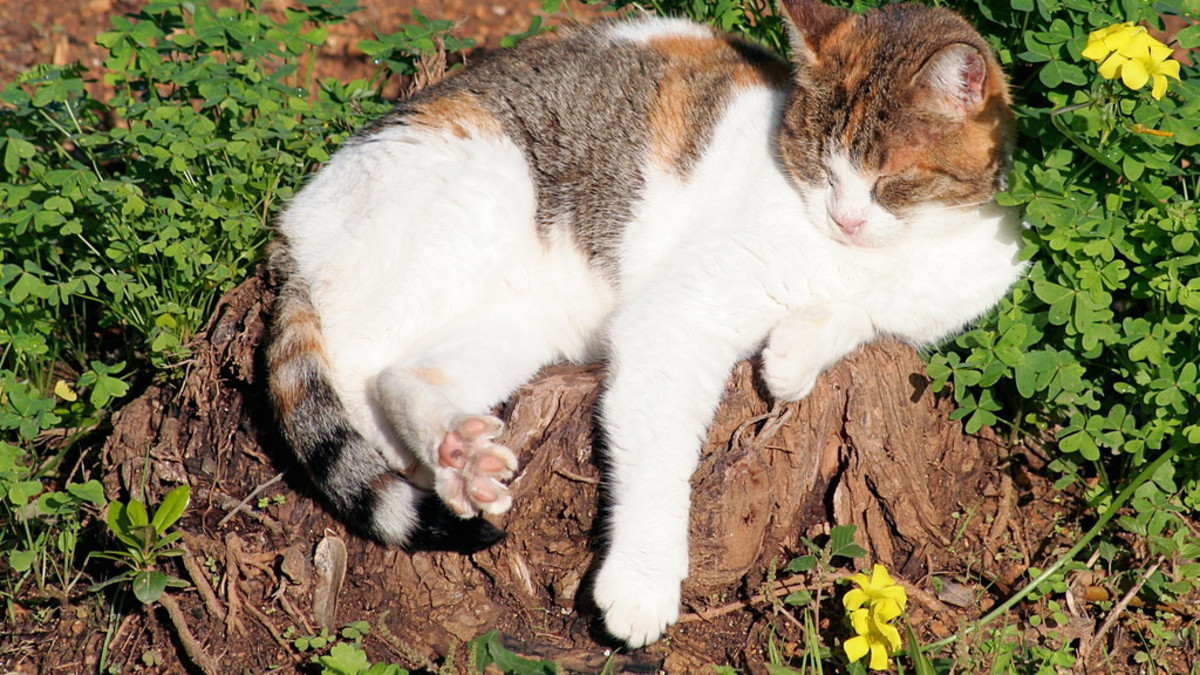
Cats often visit gardens for many reasons. Gardens offer food, shelter, and fun places to explore.
Understanding why cats come to your garden helps you stop them from causing trouble.
Common Reasons Cats Enter Gardens
Cats enter gardens to find a safe space. They like quiet spots to rest and hide.
Many cats look for food in gardens. They may hunt birds, insects, or eat plants.
- Searching for shelter or resting spots
- Hunting small animals like birds or mice
- Marking territory by scratching or spraying
- Looking for food scraps or plants to nibble
- Playing and exploring new areas
Attraction Factors For Cats
Certain features attract cats to gardens more than others. Soft soil, water, and safe hiding spots are key.
Strong smells from plants or food can also pull cats into your garden.
- Loose soil for digging and burying waste
- Water sources like ponds or birdbaths
- Dense bushes or tall grass for hiding
- Food smells from compost or pet dishes
- Warm sunny areas for resting

Credit: jardina.com
Natural Deterrents For Cats
Cats often visit gardens, which can cause damage to plants and soil. Using natural deterrents helps keep cats away without harm.
This guide covers plants cats dislike and scents that repel them. These methods are safe and easy to apply in your garden.
Using Plants Cats Dislike
Some plants have smells or textures that cats find unpleasant. Planting these can reduce cat visits in your garden.
- Rue – strong scent that cats avoid
- Lavender – fragrant but disliked by cats
- Rosemary – woody smell cats avoid
- Coleus canina – also called “scaredy cat plant”
- Peppermint – sharp scent cats dislike
Essential Oils And Scents
Essential oils give off smells that cats find unpleasant. Use them safely to keep cats out of garden areas.
| Oil | Effect |
| Citrus (lemon, orange) | Strong scent cats avoid |
| Eucalyptus | Sharp smell deters cats |
| Peppermint | Repels cats and insects |
| Lavender | Unpleasant scent for cats |
Mix a few drops of oil with water in a spray bottle. Spray around garden edges but not on plants directly.
Tip: Reapply sprays after rain or watering for best results.
Physical Barriers To Keep Cats Out
Cats can damage plants and dig up soil in your garden. Using physical barriers helps stop cats from entering your garden space.
These barriers create a clear boundary that cats do not like to cross. They protect your plants without hurting the cats.
Fencing And Netting Options
Fences can block cats from jumping into your garden. Choose fences that are tall and close enough to stop cats from squeezing through.
Netting works well to cover plants or soil. It stops cats from digging or walking on your garden beds.
- Use wire mesh or chicken wire fences at least 6 feet tall
- Install angled fences to prevent climbing
- Cover plants with garden netting or bird netting
- Secure netting tightly to the ground to stop cats from slipping under
Garden Layout Adjustments
Change your garden layout to make it less attractive to cats. Avoid open soil patches where cats like to dig.
Plant thick, prickly bushes or ground covers around your garden edges. These plants make cats uncomfortable and keep them away.
- Use gravel or mulch instead of bare soil
- Add dense plants like lavender or rosemary
- Place stones or bark chips near plants
- Create raised beds with smooth edges
:max_bytes(150000):strip_icc()/GettyImages-987124336-cfedea8ab77e4e97b7f0b142f8163e2d.jpg)
Credit: www.thespruce.com
Safe Repellents And Devices
Keeping cats out of your garden can protect plants and flowers. Using safe repellents and devices helps without harming animals.
These tools use sound, motion, or water to gently discourage cats from entering your garden area.
Ultrasonic Repellents
Ultrasonic repellents send high-frequency sounds that cats do not like. These sounds are usually silent to humans.
When a cat approaches, the device activates and emits the sound, encouraging the cat to leave.
- Safe for cats and humans
- Easy to install in garden areas
- Works best with clear line of sight
- Needs batteries or power source
Motion-activated Sprinklers
Motion-activated sprinklers spray water when they detect movement. Cats dislike sudden water sprays and avoid the area.
This method is safe and uses water, which is harmless to animals and plants.
- Easy to set up in garden beds
- Helps water plants while deterring cats
- Works well in sunny or shaded areas
- Requires regular water source connection
Behavioral Strategies
Stopping cats from roaming in your garden needs gentle methods. Behavioral strategies help guide cats without harm.
These methods focus on changing where cats go and how they act. They work by giving cats better choices and rewards.
Providing Alternative Areas For Cats
Create special spots where cats can play and rest. Cats like soft soil, shade, and quiet places.
- Set up a sandy or mulched area for digging
- Place cozy beds or blankets in a quiet corner
- Add cat-safe plants like catnip or cat grass
- Provide shaded areas to relax during hot days
- Keep food and water in these spots to attract cats
Training And Positive Reinforcement
Train cats to avoid your garden by rewarding good behavior. Use treats and praise when they stay in allowed areas.
| Training Tip | How to Use | Expected Result |
| Use a clicker or sound | Make the sound when the cat is in the right spot | Cat learns to associate sound with reward |
| Give treats | Offer treats only in allowed areas | Cat prefers allowed areas over garden |
| Redirect gently | Move cat away softly from garden | Cat understands garden is off limits |
| Be consistent | Repeat training daily | Behavior change lasts longer |
Maintaining A Cat-free Garden
Cats can be curious visitors in gardens. They may dig, scratch, or leave unwanted surprises. Keeping them out can protect your plants and maintain garden harmony.
There are simple steps to discourage cats from entering your garden. By following these tips, you can enjoy a cat-free space.
Regular Garden Maintenance
Maintaining your garden can deter cats. They prefer messy areas to explore. Keeping it tidy makes it less attractive.
Trim your plants and clean up fallen leaves. Remove any debris that may be inviting for cats.
- Trim overgrown bushes
- Regularly mow the lawn
- Remove fallen leaves promptly
- Clear any clutter or debris
Dealing With Persistent Cats
Some cats may be persistent. They may keep returning to your garden. You can try safe deterrents to discourage them.
Consider using natural repellents like citrus peels. Cats dislike the smell and will avoid these areas.
- Scatter citrus peels around the garden
- Install motion-activated sprinklers
- Plant cat-repellent herbs like lavender or rosemary
- Create barriers with chicken wire or fences
Frequently Asked Questions
How Can I Keep Cats Out Of My Garden Naturally?
Use natural deterrents like citrus peels, coffee grounds, or vinegar spray. Plant cat-repellent plants such as lavender or rosemary. These methods discourage cats without harming them or your garden.
What Plants Repel Cats From Gardens Effectively?
Plants like lavender, rosemary, rue, and Coleus canina repel cats. Their strong scents deter cats from entering garden areas. Plant these around your garden’s perimeter for best results.
Are Ultrasonic Cat Repellents Safe For Gardens?
Yes, ultrasonic repellents emit high-frequency sounds that annoy cats but are inaudible to humans. They are safe for plants and do not cause harm to cats or other wildlife.
Can Physical Barriers Prevent Cats From Entering Gardens?
Yes, installing fences, chicken wire, or garden netting helps keep cats out. Ensure barriers are secure and at least 3-4 feet high to prevent cats from jumping in.
Conclusion
Keeping cats out of your garden takes patience and simple steps. Use safe barriers and natural scents to keep cats away. Planting strong-smelling herbs can help protect your plants. Regularly check your garden for signs of cats and act quickly.
Remember, kindness works better than harm. A peaceful garden is possible with gentle care and smart choices. Start today to enjoy a cat-free garden tomorrow.

Lily Purrington is the founder of MyKittyPicks.com, a cozy corner of the web dedicated to helping cat lovers discover the best cat products, furniture, toys, and home decor ideas.
A lifelong cat enthusiast, Lily shares trusted tips, honest product recommendations, and stylish inspiration designed to keep kitties happy and homes beautiful.
Her mission is simple: to bring together practical advice and purr-fect picks that make life better for cats and the people who love them.


