
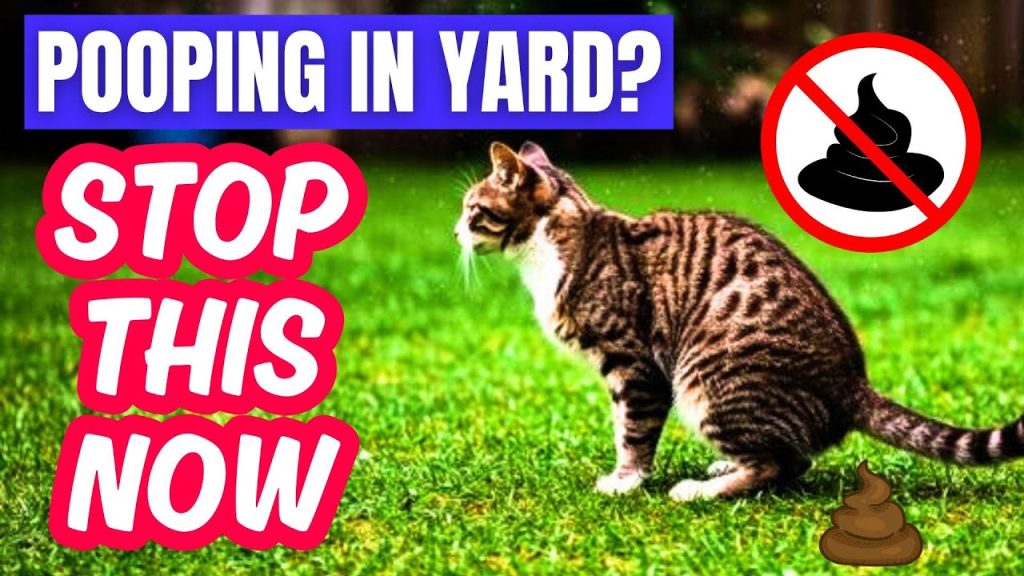
Are you tired of finding unwanted cat messes in your garden? It can be frustrating to see your beautiful plants ruined by cats using your flower beds as their personal litter box.
But don’t worry—you’re not alone, and there are simple ways to keep your garden clean and cat-free. You’ll discover easy and effective tips to stop cats from pooping in your garden, so you can enjoy your outdoor space without the stress.
Keep reading to learn how to protect your garden and bring back the joy of a fresh, clean yard.

Credit: www.reddit.com
Why Cats Choose Gardens
Cats like gardens because these places offer safety and comfort. Gardens have soft soil that cats find easy to dig in.
Many cats also enjoy the quiet and privacy gardens provide. These spots help them hide and feel secure.
Attractive Features For Cats
Gardens have many things that attract cats. Soft dirt, shade, and small animals make gardens inviting.
- Soft soil is easy for cats to dig and cover their waste.
- Plants and bushes offer shade and hiding spots.
- Insects and small animals provide hunting opportunities.
- Warm sunlit areas are perfect for resting.
Common Garden Invaders
Cats are not the only ones who enter gardens. Some animals can cause damage or annoy gardeners.
| Animal | Reason They Visit | Possible Issues |
| Cats | Digging, resting, hunting | Soil disturbance, waste |
| Rabbits | Eating plants | Plant damage |
| Birds | Looking for food | Seed loss, droppings |
| Squirrels | Searching for nuts | Plant damage |
Physical Barriers To Keep Cats Out
Cats often use gardens as their bathroom. You can stop this by using physical barriers. These barriers keep cats away without hurting them.
Here are two main ways to block cats from your garden: fencing and netting, and using plant covers with mulch.
Fencing And Netting Options
Fencing and netting create a strong barrier to stop cats from entering your garden. Choose the right height and material for best results.
- Wire Fencing:Use wire mesh with small holes to block cats. Make sure it is at least 4 feet tall.
- Chicken Wire:Lightweight and easy to install. Lay it on the ground or around plants.
- Plastic Netting:Soft netting can cover plants or soil. Cats dislike walking on it.
- Roller Barriers:Attach rollers on top of fences. Cats find it hard to climb over.
Using Plant Covers And Mulch
Plant covers and mulch make the soil hard or uncomfortable for cats to dig. This helps keep them away from flower beds and vegetable patches.
| Material | Benefits |
| Sharp Pine Needles | Uncomfortable to step on, natural |
| Large Gravel | Hard to dig, decorative look |
| Cocoa Hull Mulch | Strong smell cats dislike |
| Plastic Plant Covers | Protects soil and roots |
Natural Deterrents For Cats
Cats often dig and poop in gardens, causing problems for gardeners. Using natural deterrents helps keep cats away without harm.
This guide shows plants cats avoid and home remedies with scents that cats dislike. These tips protect your garden naturally.
Plants Cats Avoid
Some plants have smells or textures that cats dislike. Planting these in your garden helps keep cats out.
- Lavender: Its strong scent deters cats.
- Rosemary: Cats avoid this herb’s smell.
- Rue: A bitter-smelling plant cats dislike.
- Citronella: Its citrus scent keeps cats away.
- Thorny plants: Cats avoid sharp or prickly textures.
Home Remedies And Scents
Using home remedies with certain scents can stop cats from pooping in your garden. These smells are unpleasant to cats.
- Citrus peels: Orange, lemon, or lime peels repel cats.
- Vinegar: Spraying diluted vinegar discourages cats.
- Coffee grounds: Cats dislike the smell of coffee.
- Peppermint oil: A few drops on cotton balls keep cats away.
- Garlic: The strong smell is unpleasant to cats.
Commercial Repellents
Keeping cats out of your garden can be a challenge. Commercial repellents offer solutions to deter them effectively.
These repellents come in various forms, including sprays, granules, and ultrasonic devices.
Sprays And Granules
Sprays and granules are easy to apply. They create a scent barrier that cats dislike. You can find them in most garden stores.
- Read the instructions on the product label.
- Apply the repellent around the garden perimeter.
- Reapply after rain to maintain effectiveness.
Ultrasonic Devices
Ultrasonic devices emit high-frequency sounds. These sounds are unpleasant for cats but silent to humans. Place them strategically in your garden.
These devices often include motion sensors. When a cat enters the area, the sound activates, deterring the feline without harm.
Behavioral Techniques
Cats often use gardens as litter boxes. Teaching them to avoid your garden can help protect your plants. Behavioral techniques can guide cats away without harm.
Using tools that respond to a cat’s presence can discourage them from pooping in your garden. These methods use natural reactions to change cat behavior.
Motion-activated Tools
Motion-activated tools detect movement and respond automatically. They surprise cats and make the garden less inviting for them.
- Motion-activated lights turn on when a cat enters the area.
- Sound emitters produce noise that scares cats away.
- Sprinklers activate briefly when motion is detected.
These tools work best when placed near garden beds or entry points cats use. They train cats to avoid the space over time.
Water Sprays
Cats dislike sudden water sprays. This method uses gentle water bursts to discourage cats from pooping in your garden.
| Type of Water Spray | How it Works | Benefits |
| Manual Spray Bottle | Owner sprays cat when seen | Immediate feedback, easy to control |
| Motion-Activated Sprinkler | Sprays water automatically on motion | Hands-free, consistent deterrent |
| Timed Sprinkler | Sprays at set intervals | Discourages cats with unpredictable timing |
Water sprays teach cats that your garden is not a good place to dig or poop. Consistency helps cats learn to stay away.

Credit: uk.news.yahoo.com
Maintaining A Cat-friendly Zone
Cats may visit gardens, leaving behind unwanted messes. Creating a cat-friendly zone can help keep your garden clean.
By understanding what attracts cats, you can make your garden less appealing for them to use as a litter box.
Creating Alternative Areas
Provide cats with spaces they prefer, so they avoid your garden. Consider adding specific features to attract them elsewhere.
- Set up a sandbox for cats to dig and play.
- Plant catnip in a designated area to entice them.
- Place scratching posts nearby to divert attention.
Encouraging Positive Behavior
Train cats to use their new areas. Reward them for spending time in these zones and discourage garden visits.
Consider using non-toxic sprays to deter cats from garden areas. These sprays are safe and help keep cats away.
By maintaining a cat-friendly zone, you can enjoy a cleaner garden and happy feline visitors.
Cleaning And Preventing Odors
Keeping your garden free from cat waste helps maintain its beauty and safety. Proper cleaning stops smells and discourages cats from coming back.
Using the right methods to clean and remove odors is key to protecting your plants and enjoying your outdoor space.
Removing Waste Efficiently
Remove cat waste as soon as you see it. This prevents smell from spreading and stops other cats from visiting.
- Wear gloves to protect your hands.
- Use a plastic bag or scoop to pick up solid waste.
- Dispose of waste in a sealed trash bin.
- Rinse the area with water to clear leftover debris.
- Dry the spot to prevent mold or mildew growth.
Using Enzymatic Cleaners
Enzymatic cleaners break down waste molecules and remove odors deep in the soil. They are safe for plants and pets.
| Cleaner Type | Purpose | Safe for Plants |
| Enzymatic Cleaner | Breaks down organic waste and odors | Yes |
| Vinegar Solution | Neutralizes smell and deters cats | Use with caution |
| Baking Soda | Absorbs moisture and odor | Yes |

Credit: uk.news.yahoo.com
Frequently Asked Questions
How Can I Stop Cats From Pooping In My Garden?
Use natural repellents like citrus peels or coffee grounds. Install motion-activated sprinklers to scare cats away. Cover soil with mulch or stones to deter digging. Regularly clean areas to remove scents attracting cats.
What Plants Repel Cats From Garden Areas?
Plants like lavender, rosemary, and rue repel cats. Their strong scents discourage cats from entering garden beds. Plant these around your garden perimeter for effective deterrence.
Are Commercial Cat Repellents Safe For Gardens?
Yes, many commercial repellents are safe if used as directed. Choose non-toxic, eco-friendly options to protect plants and pets. Always follow the manufacturer’s instructions for best results.
How Does Garden Design Help Prevent Cat Intrusion?
Using dense ground cover and thorny plants limits cat access. Raised beds with barriers reduce soil exposure. Design paths and borders to minimize open soil areas.
Conclusion
Stopping cats from pooping in your garden takes patience and care. Use safe barriers like plants or fences to keep cats away. Try natural repellents to make your garden less inviting. Clean up quickly if cats visit to avoid repeat visits.
Remember, gentle methods work best for both cats and your plants. A little effort can protect your garden and keep it beautiful. Stay consistent, and your garden will stay cat-free. Simple steps make a big difference.

Lily Purrington is the founder of MyKittyPicks.com, a cozy corner of the web dedicated to helping cat lovers discover the best cat products, furniture, toys, and home decor ideas.
A lifelong cat enthusiast, Lily shares trusted tips, honest product recommendations, and stylish inspiration designed to keep kitties happy and homes beautiful.
Her mission is simple: to bring together practical advice and purr-fect picks that make life better for cats and the people who love them.


