
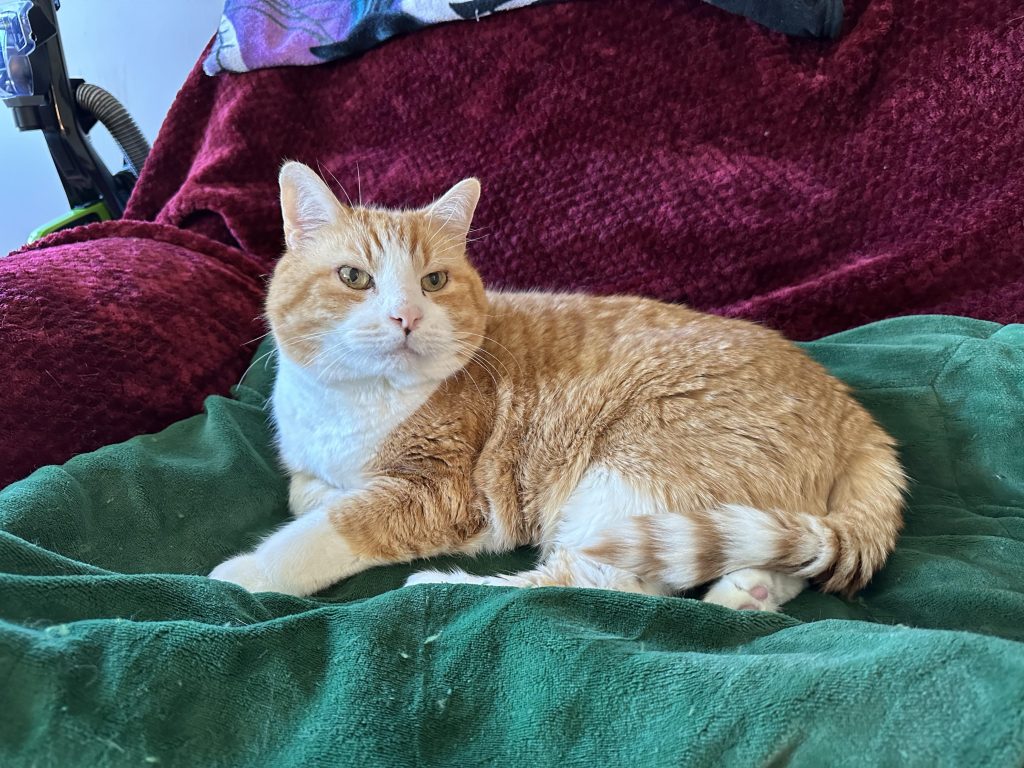
If your cat has been diagnosed with stage 4 kidney disease, you’re probably feeling worried and uncertain about what lies ahead. You want to know how long your furry friend might live and what you can do to make their time comfortable and meaningful.
Understanding the realities of this advanced illness can help you prepare, make better decisions, and cherish every moment with your beloved pet. Keep reading to discover important facts, hopeful insights, and practical tips that will guide you through this challenging journey.

Credit: www.reddit.com
Stage 4 Kidney Disease In Cats
Stage 4 kidney disease is the last and most severe stage in cats. It means the kidneys have lost most of their function. This stage needs careful care and monitoring.
Cats with stage 4 kidney disease often show clear signs of illness. Early detection helps manage symptoms and improve comfort.
Symptoms To Watch For
Knowing the symptoms can help you spot kidney disease early. Watch your cat closely for these signs:
- Increased thirst and urination
- Weight loss and poor appetite
- Vomiting or nausea
- Weakness and lethargy
- Bad breath with a chemical smell
- Dehydration and dry gums
- Hiding or decreased activity
Diagnosis Methods
Veterinarians use tests to confirm stage 4 kidney disease. These tests check how well the kidneys work and the cat’s overall health.
| Test | Purpose |
| Blood Test | Measures kidney function and waste levels |
| Urine Test | Checks concentration and protein in urine |
| Ultrasound | Shows kidney size and structure |
| Physical Exam | Assesses symptoms and hydration |
Factors Affecting Life Expectancy
Caring for a cat with stage 4 kidney disease can be challenging. Life expectancy depends on several key factors. Understanding these can help you provide better care.
Each cat’s condition is unique. The following sections explain what influences how long a cat may live with this disease.
Age And Overall Health
Older cats or those with weak immune systems may have shorter survival times. Younger cats with good health often tolerate treatments better.
- Young cats usually recover better.
- Strong immune systems fight infections easier.
- Chronic illnesses lower life expectancy.
- Healthy weight helps kidney function.
Severity Of Kidney Damage
The extent of kidney damage greatly affects survival. Stage 4 means severe loss of kidney function. Some cats respond well to treatment, others do not.
| Kidney Function Level | Expected Life Span |
| Less than 15% remaining | Weeks to months |
| 15% to 25% remaining | Several months |
| More than 25% remaining | Months to a year |
Presence Of Other Conditions
Other health problems can reduce life expectancy. Cats with heart disease or diabetes often face more challenges.
Common additional conditions include:
- High blood pressure
- Urinary tract infections
- Dental disease
- Thyroid problems
Managing these issues can improve quality of life.
Treatment Options
Cats with stage 4 kidney disease need special care to help them live longer. Treatments focus on reducing symptoms and improving quality of life.
Several treatment options can slow the disease’s progress. These include medicines, diet changes, and fluid therapy.
Medications And Supplements
Medications help control symptoms and protect the kidneys. Vets often prescribe drugs to lower blood pressure and reduce protein loss.
Supplements like phosphate binders and omega-3 fatty acids may support kidney function. These can reduce waste buildup and inflammation.
- Blood pressure medicines to prevent kidney damage
- Phosphate binders to lower phosphate levels
- Omega-3 supplements to reduce inflammation
- Medications to control nausea and vomiting
Dietary Changes
Diet plays a big role in managing stage 4 kidney disease. Special diets have less protein and phosphorus to ease the kidneys’ work.
These diets also include more calories and vitamins to keep cats strong. Feeding smaller, frequent meals can help with appetite.
- Low protein to reduce kidney strain
- Low phosphorus to protect kidney health
- Added vitamins and calories for energy
- Small, frequent meals to improve eating
Fluid Therapy
Fluid therapy helps prevent dehydration, common in cats with kidney disease. It keeps the kidneys working better and removes toxins.
Fluids can be given under the skin at home or in the vet clinic. This treatment supports overall health and comfort.
- Subcutaneous fluids to prevent dehydration
- Helps flush out toxins from the body
- Can be given at home or by the vet
- Improves energy and appetite

Credit: www.goodrx.com
Managing Quality Of Life
Caring for a cat with stage 4 kidney disease focuses on comfort and well-being. Quality of life matters most during this time.
Owners can take steps to ease symptoms and make daily life better for their cat.
Pain And Symptom Relief
Managing pain and symptoms helps your cat feel less discomfort. Medications can reduce nausea and pain. Appetite stimulants may help if your cat stops eating.
- Use pain relievers prescribed by a vet
- Give anti-nausea medicine as directed
- Offer small, frequent meals to improve appetite
- Keep your cat hydrated with fresh water or fluids
Environmental Adjustments
Changing your cat’s environment can lower stress and improve safety. Make life easier for your cat with simple changes.
| Adjustment | Purpose |
| Soft bedding | Comfort and joint support |
| Easy access to litter box | Reduce strain and prevent accidents |
| Quiet resting spots | Lower stress and promote rest |
| Fresh water nearby | Encourage hydration |
Regular Veterinary Care
Frequent vet visits track your cat’s health and adjust care plans. Tests check kidney function and other organs.
- Schedule check-ups every few weeks
- Follow prescribed treatments carefully
- Report any changes in behavior or appetite
- Ask the vet about palliative care options
Prognosis And Survival Times
Cats with stage 4 kidney disease face serious health challenges. This stage means severe kidney failure. Their kidneys cannot filter waste well.
Understanding their expected survival time helps owners prepare and care for their pets. This guide explains typical life expectancy and factors that help cats live longer.
Typical Life Expectancy Range
Cats with stage 4 kidney disease usually live for a few weeks to a few months. The average survival time is about one to three months. Some cats may live longer with good care.
Life expectancy depends on how quickly the disease progresses and how the cat responds to treatment. Without treatment, survival time is often shorter.
Factors Leading To Longer Survival
Several factors can help cats with stage 4 kidney disease live longer. Early diagnosis and proper treatment improve survival time. Good nutrition and hydration also support health.
- Regular veterinary check-ups to monitor kidney function
- Medications to control symptoms and blood pressure
- Special diets low in protein and phosphorus
- Fluid therapy to prevent dehydration
- Managing other health problems like infections
- Providing a stress-free and comfortable environment

Credit: www.reddit.com
Support For Pet Owners
Caring for a cat with stage 4 kidney disease is challenging. Pet owners need support and information to help their beloved pets.
Understanding emotional coping strategies and finding supportive communities can ease the burden. Let’s explore these resources.
Emotional Coping Strategies
Dealing with a pet’s illness can be emotionally draining. It’s important to find ways to cope and support yourself during this time.
- Talk to friends or family about your feelings.
- Join a support group for pet owners in similar situations.
- Engage in activities that relax and calm you.
Resources And Communities
Accessing the right resources can make a big difference. Many communities offer support and information for pet owners.
| Resource | Type |
| Pet Owner Forums | Online Community |
| Local Vet Clinics | In-Person Support |
| Books on Pet Care | Educational Material |
Frequently Asked Questions
How Long Do Cats Typically Live With Stage 4 Kidney Disease?
Cats with stage 4 kidney disease usually live a few weeks to months. Survival depends on treatment, care, and the cat’s overall health.
What Factors Affect Survival In Cats With Stage 4 Kidney Disease?
Survival depends on age, treatment quality, hydration, nutrition, and presence of other illnesses. Early intervention can improve lifespan.
Can Treatment Extend Life In Cats With Stage 4 Kidney Disease?
Yes, treatments like fluid therapy, diet changes, and medications can improve quality and length of life.
What Are Common Symptoms In Cats With Stage 4 Kidney Disease?
Symptoms include weight loss, vomiting, lethargy, increased thirst, and decreased appetite. Monitoring these helps manage the disease.
Conclusion
Cats with stage 4 kidney disease face a tough road ahead. Life expectancy varies based on care and health. Quality of life matters most during this time. Feeding special diets and giving medicines help cats feel better. Regular vet visits catch problems early and ease symptoms.
Loving attention comforts cats through their illness. Each cat’s journey is unique and precious. Keep hope alive and focus on small joys. Your care makes a big difference every day.

Lily Purrington is the founder of MyKittyPicks.com, a cozy corner of the web dedicated to helping cat lovers discover the best cat products, furniture, toys, and home decor ideas.
A lifelong cat enthusiast, Lily shares trusted tips, honest product recommendations, and stylish inspiration designed to keep kitties happy and homes beautiful.
Her mission is simple: to bring together practical advice and purr-fect picks that make life better for cats and the people who love them.


