

Have you ever wondered what that mysterious part under your car does—the one called a cat converter? Understanding this small device can make a big difference in how your car runs and how clean the air around you stays.
If you want to know why your car needs it, how it works, and what happens if it stops working, you’re in the right place. Keep reading, and you’ll discover everything you need to know about the cat converter and why it matters to you and your vehicle.

Credit: www.cgon.co.uk
Role Of A Cat Converter
The role of a catalytic converter in your car is crucial for keeping the environment cleaner and your vehicle running efficiently. It acts as a filter that transforms harmful gases from your engine’s exhaust into less damaging substances. Understanding how it works and its impact on emission control can help you appreciate why it’s a vital part of your car’s system.
How It Works
Your catalytic converter sits between the engine and the muffler, where exhaust gases pass through it. Inside, it contains a ceramic or metal core coated with catalysts like platinum, palladium, and rhodium. These materials trigger chemical reactions that convert harmful gases into safer ones before they exit your car’s tailpipe.
When you drive, the converter heats up quickly, enabling it to break down three main pollutants:
- Carbon monoxide– a poisonous gas
- Hydrocarbons– unburned fuel causing smog
- Nitrogen oxides– contributors to acid rain and smog
Emission Control
The catalytic converter’s main job is to reduce your car’s emission of toxic gases. This is not just about meeting legal standards but also about improving air quality around you. Without it, your car would release dangerous pollutants that can harm your health and the environment.
Have you noticed how newer cars have fewer visible fumes? That’s thanks to advanced catalytic converters doing their job better. Keeping your converter in good shape means you’re actively reducing your carbon footprint every time you hit the road.
Credit: www.odyclub.com
Types Of Cat Converters
Understanding the different types of catalytic converters helps you make smarter choices for your vehicle’s performance and emissions control. Each type serves a specific purpose and fits various car models and environmental regulations. Knowing these options can guide you when it’s time for a replacement or upgrade.
Two-way Converters
Two-way converters focus on reducing carbon monoxide (CO) and hydrocarbons (HC) from your exhaust. They use a simple design with a single catalyst to convert these harmful gases into less toxic substances.
While they were common in older vehicles, two-way converters are less effective with modern engines. If you drive an older car, you might still encounter this type, but newer models require more advanced systems.
Three-way Converters
Three-way converters are the most common type in modern cars. They reduce three main pollutants: carbon monoxide, hydrocarbons, and nitrogen oxides (NOx).
This converter uses a combination of oxidation and reduction catalysts to handle these gases simultaneously. If your car meets current emissions standards, it almost certainly has a three-way converter.
High-flow Converters
High-flow converters are designed to improve exhaust flow, which can boost engine performance. They still reduce emissions but allow for better airflow compared to standard converters.
Many car enthusiasts choose high-flow converters to balance power gains with legal emissions compliance. Have you ever wondered if upgrading your cat converter could improve your car’s responsiveness without sacrificing environmental responsibility?
Signs Of A Failing Cat Converter
Recognizing the signs of a failing catalytic converter can save you from costly repairs and keep your car running smoothly. Your vehicle depends on this part to reduce harmful emissions and maintain engine efficiency. When it starts to fail, it often shows clear symptoms that you shouldn’t ignore.
Reduced Engine Performance
Have you noticed your car struggling to accelerate or feeling sluggish? A clogged or damaged catalytic converter restricts exhaust flow, which can choke the engine’s power. This leads to slower acceleration and even stalling in severe cases.
Pay attention if your car hesitates or lags when you press the gas pedal. These issues often signal that your catalytic converter isn’t working properly and is affecting overall engine performance.
Unusual Exhaust Smell
Does your car’s exhaust have a strange, rotten egg-like odor? This smell usually indicates a buildup of sulfur compounds, a sign that the catalytic converter isn’t processing emissions correctly. It’s a clear warning that something is wrong under your vehicle.
Ignoring this smell can lead to worsening damage and increased pollution. Take note if you detect this odor, especially after your car has been running for a while.
Check Engine Light
One of the most obvious signs is your dashboard’s check engine light turning on. Modern cars have sensors that monitor the catalytic converter’s efficiency and alert you when it’s failing. Don’t dismiss this warning; it’s your car’s way of telling you to get it checked.
If the light stays on for a prolonged period, it can lead to failed emissions tests and reduced fuel efficiency. Have your vehicle inspected promptly to avoid bigger problems down the road.
Maintenance Tips
Keeping your car's cat converter in good shape can save you from costly repairs and keep your vehicle running smoothly. Proper maintenance not only extends the life of this crucial component but also helps reduce harmful emissions. Here are some practical tips to make sure your cat converter stays healthy.
Regular Inspections
Check your cat converter regularly for any signs of damage or clogging. A rattling noise or a sudden drop in engine performance can signal problems. You don’t need to be a mechanic to spot these issues—just pay attention to unusual sounds or changes in how your car drives.
Scheduling inspections during routine oil changes is a smart move. Mechanics can also scan your car’s computer for error codes related to the cat converter. Catching problems early often means easier and cheaper repairs.
Fuel Quality Impact
The type of fuel you use directly affects your cat converter’s performance. Low-quality fuel can cause deposits to build up, which clog the converter and reduce its efficiency. Think of it like feeding your car junk food—it won’t perform well and will wear out faster.
Using fuel with the correct octane rating and avoiding additives that aren’t recommended by your car’s manufacturer can help. Have you ever noticed a difference when switching to a higher-grade fuel? Many drivers report smoother running engines and better fuel economy after making that simple change.
Replacement And Cost
Replacing a catalytic converter is essential for keeping a car’s emissions low and performance steady. The replacement process depends on the converter’s condition and vehicle type. Costs vary widely based on parts and labor. Understanding when to replace and the typical price range helps drivers plan maintenance effectively.
When To Replace
Signs of a failing catalytic converter include:
- Check engine light stays on
- Reduced engine power or acceleration
- Rattling noise from under the car
- Failed emissions test
- Decreased fuel efficiency
Ignoring these signs can lead to more damage and higher repair costs.
Price Range
The cost of a new catalytic converter depends on:
- Car make and model
- Converter type (OEM or aftermarket)
- Labor charges
Prices typically range from $500 to $2,500. Luxury or hybrid cars may cost more. Labor can add $100 to $300 to the total cost. Some converters are available as direct-fit, which reduces installation time and cost.
Credit: www.vevor.com
Legal And Environmental Impact
The legal and environmental impact of a catalytic converter on your car extends far beyond just reducing exhaust smells. Understanding these effects helps you see why this small device plays a big role in your vehicle’s compliance and the planet’s health. Let’s break down how emission laws affect you and what benefits your car gains environmentally.
Emission Regulations
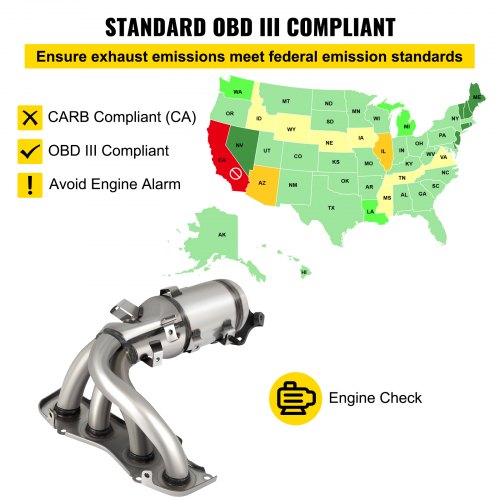
Governments set strict rules on the amount of harmful gases a car can release. Catalytic converters help your vehicle meet these legal limits by converting toxic gases like carbon monoxide, nitrogen oxides, and hydrocarbons into less harmful substances.
If your car’s catalytic converter is missing or faulty, you risk failing emissions tests, which can lead to fines or even restrictions on driving your vehicle. Have you ever wondered how regularly checking your converter could save you from unexpected legal trouble?
Environmental Benefits
Catalytic converters significantly cut down air pollution by transforming dangerous emissions into water vapor and carbon dioxide. This cleaner exhaust reduces smog and improves air quality, directly benefiting your community’s health.
Think about the air you breathe every day. By maintaining your catalytic converter, you’re helping reduce respiratory problems linked to vehicle pollution. Small actions, like replacing a worn-out converter, can make a big difference in protecting the environment around you.
Frequently Asked Questions
What Is A Cat Converter On A Car?
A cat converter, or catalytic converter, reduces harmful gases from car exhaust. It converts toxic emissions into less harmful substances, helping to protect the environment and meet emission standards.
How Does A Catalytic Converter Work?
It uses catalysts like platinum and palladium to trigger chemical reactions. These reactions convert carbon monoxide, hydrocarbons, and nitrogen oxides into water, carbon dioxide, and nitrogen, reducing pollution.
Why Is A Cat Converter Important For Cars?
A cat converter lowers vehicle emissions, which helps improve air quality. It also ensures cars comply with environmental laws and prevents harmful gases from being released into the atmosphere.
Can A Car Run Without A Catalytic Converter?
Yes, but it will emit higher levels of pollutants. Running without a cat converter may cause legal issues, fail emissions tests, and reduce fuel efficiency.
Conclusion
Understanding a cat converter helps maintain your car’s performance. This component reduces harmful emissions, making the air cleaner. Regular checks ensure it functions properly. Keep it in good condition for a smoother ride. A faulty converter affects fuel efficiency. It also impacts your car’s overall health.
Pay attention to unusual noises or smells. These signs might indicate a problem. Timely repairs can save money in the long run. Your car and the environment benefit from a well-maintained converter. Make it a priority in your vehicle care routine.
Stay informed and drive responsibly.

Lily Purrington is the founder of MyKittyPicks.com, a cozy corner of the web dedicated to helping cat lovers discover the best cat products, furniture, toys, and home decor ideas.
A lifelong cat enthusiast, Lily shares trusted tips, honest product recommendations, and stylish inspiration designed to keep kitties happy and homes beautiful.
Her mission is simple: to bring together practical advice and purr-fect picks that make life better for cats and the people who love them.


