

If you’re a cat owner, you know how upsetting it is to see your furry friend in pain. Urinary tract infections (UTIs) are a common problem that can cause discomfort and serious health issues for your cat.
But the good news is, you can take simple steps to protect your cat and keep those painful infections at bay. You’ll discover practical tips and easy habits to help prevent UTIs, so your cat stays happy, healthy, and comfortable.
Keep reading—you owe it to your feline companion to learn how to keep them safe from this common but avoidable issue.
Causes Of Urinary Tract Infections
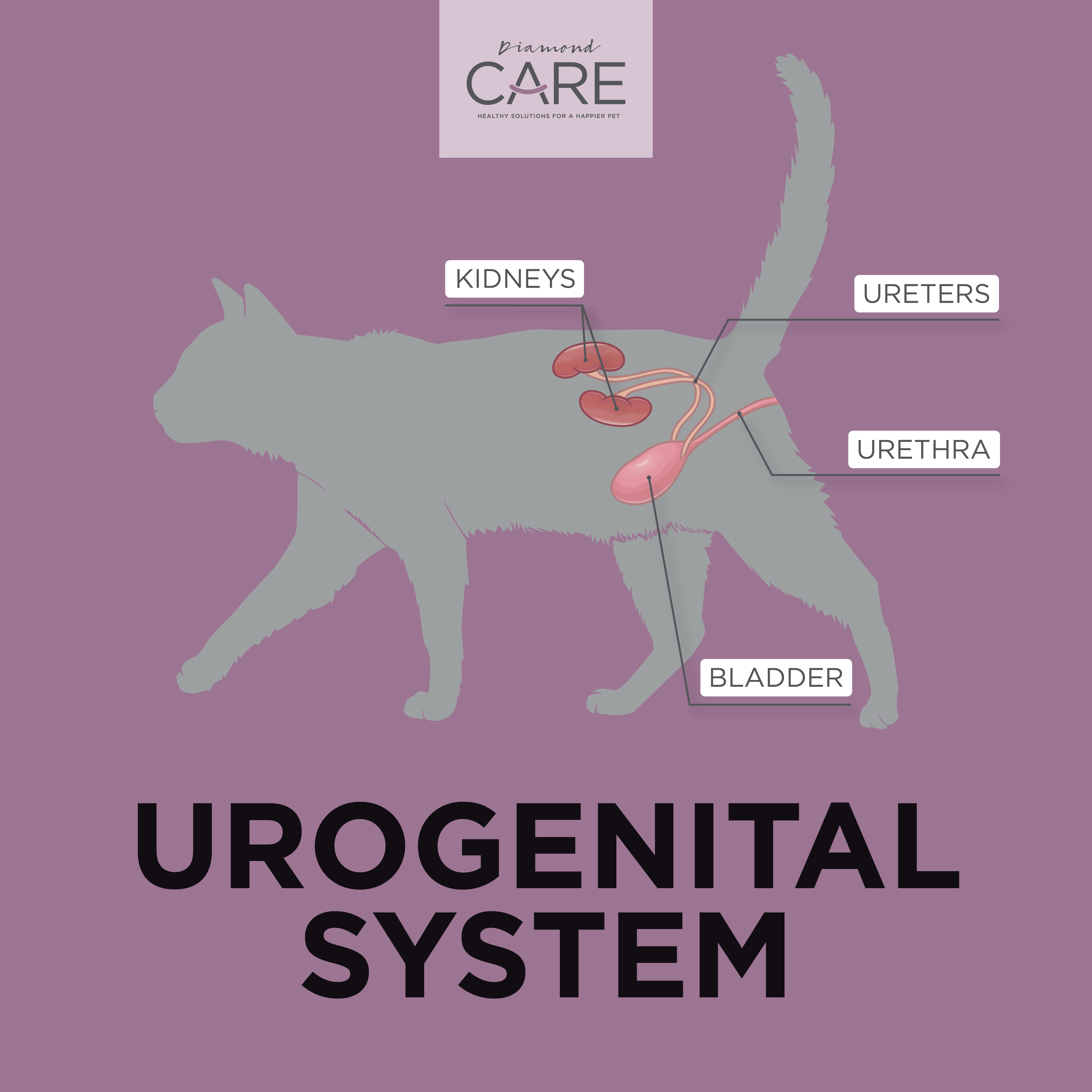
Urinary tract infections (UTIs) in cats happen when bacteria enter the urinary system. These infections can cause pain and discomfort.
Understanding what causes UTIs helps cat owners prevent them. Several factors can lead to infections in cats.
Common Bacterial Sources
Bacteria that cause UTIs usually come from the cat’s skin or environment. The bacteria travel up the urethra to the bladder.
Escherichia coli (E. coli) is the most common bacteria found in cat UTIs. Other bacteria like Staphylococcus and Proteus can also cause infections.
- Escherichia coli (E. coli)
- Staphylococcus species
- Proteus species
- Klebsiella species
Risk Factors In Cats
Certain conditions make cats more likely to get UTIs. Older cats and those with weak immune systems are at higher risk.
Other risk factors include obesity, stress, and poor litter box hygiene. Cats with urinary blockages or stones also face more risk.
- Age and weakened immunity
- Obesity
- Stress and anxiety
- Poor litter box cleaning
- Urinary stones or blockages
Role Of Diet And Hydration
Diet and water intake affect urinary health in cats. Low water intake can concentrate urine and help bacteria grow.
Certain diets help keep urine healthy and reduce infection risk. Wet food and fresh water encourage hydration in cats.
- Encourage wet food to increase water intake
- Provide fresh water daily
- Feed balanced diets to maintain urinary health
- Avoid high mineral diets that cause stones
Credit: www.diamondpet.com
Recognizing Symptoms Early
Urinary tract infections (UTIs) in cats can cause discomfort and serious health problems. Early detection helps your cat get the right care fast.
Watch your cat closely for signs that something is wrong. Knowing these symptoms can protect your pet.
Behavioral Changes
Cats with UTIs often act differently. They may avoid the litter box or seem restless.
Look for signs like increased licking of the genital area or hiding more than usual.
- Frequent attempts to urinate with little success
- Sudden aggression or irritability
- Less activity or playfulness
- Hiding in unusual places
Physical Signs
Physical symptoms can include changes in your cat’s urine or appearance. These signs show the infection may be present.
Check for blood in the urine or strong smells. Your cat may also have a fever or show pain when urinating.
- Cloudy or bloody urine
- Strong or foul-smelling urine
- Frequent licking of the urinary opening
- Squatting for long periods without producing urine
When To See A Vet
If you notice these symptoms, contact your vet quickly. Early treatment can stop the infection from worsening.
Do not wait if your cat stops eating or seems very tired. These can be signs of a serious problem.
- Signs last more than 24 hours
- Blood appears in urine
- Cat has trouble urinating
- Loss of appetite or lethargy
Maintaining Proper Hydration
Keeping your cat well hydrated helps prevent urinary tract infections. Water flushes out the urinary system and keeps it healthy. Cats need enough water every day to stay hydrated.
Some cats do not drink enough water on their own. You can encourage them to drink more and provide food that supports hydration.
Encouraging Water Intake
Offer fresh water in different bowls around your home. Cats like clean water, so change it daily. Some cats prefer running water from a pet fountain.
- Place water bowls in quiet, easy-to-reach places
- Use wide and shallow bowls to avoid whisker stress
- Try pet fountains to keep water fresh and moving
- Add a little flavor with low-sodium broth or tuna juice
- Offer ice cubes as a playful way to drink
Wet Vs. Dry Food Benefits
Wet food contains more moisture and helps increase your cat’s water intake. Dry food has less moisture but is convenient and can help dental health.
| Food Type | Moisture Content | Benefits | Considerations |
|---|---|---|---|
| Wet Food | 70% – 80% | Increases hydration, tasty, easier to chew | Can spoil quickly, more expensive |
| Dry Food | 10% – 12% | Convenient, helps with teeth cleaning, longer shelf life | Less moisture, can cause dehydration if no extra water |
Dietary Adjustments For Prevention
Diet plays a key role in preventing urinary tract infections in cats. Feeding the right food helps keep their urinary system healthy. Adjusting diet supports overall health and reduces infection risks.
Good nutrition balances urine pH and flushes harmful bacteria. These changes lower chances of urinary tract problems in cats.
Choosing Urinary Health Cat Food
Select cat food made for urinary health. These foods control minerals and acid levels to reduce crystal and stone formation. They also help keep urine diluted.
- Look for foods labeled “urinary health” or “urinary care.”
- Choose wet food to increase water intake.
- Avoid foods with high magnesium and phosphorus.
- Pick formulas that support a balanced urine pH.
- Consult your vet for the best food choice.
Supplements That Support Urinary Health
Supplements can improve urinary health by reducing inflammation and preventing crystals. Use only vet-approved supplements to avoid harm.
| Supplement | Benefit |
| Cranberry Extract | Limits bacteria growth in the bladder |
| D-Mannose | Helps flush harmful bacteria |
| Omega-3 Fatty Acids | Reduces inflammation in urinary tract |
| Vitamin C | Supports immune system and acidifies urine |
Hygiene And Litter Box Tips
Urinary tract infections in cats can cause pain and discomfort. Clean habits help keep your cat healthy. Proper litter box care is important to prevent infections.
Good hygiene and smart litter box choices reduce risks. This guide covers cleaning and placement tips for your cat’s litter box.
Keeping The Litter Box Clean
Cleaning the litter box often stops bacteria build-up. A dirty box invites infections and causes your cat to avoid it.
- Scoop waste daily to keep the box fresh.
- Change all litter and wash the box weekly.
- Use mild soap and warm water to clean the box.
- Rinse well to remove soap residue that can irritate your cat.
- Dry the box completely before adding new litter.
Litter Box Placement And Number
Choose a quiet, low-traffic spot for the litter box. Cats need privacy to feel safe using it.
| Tip | Why It Helps |
| Place boxes away from food and water | Keeps litter box area clean and inviting |
| Use one litter box per cat plus one extra | Reduces stress and prevents accidents |
| Keep boxes in different rooms | Allows cats options and avoids fights |
| Ensure easy access for older or sick cats | Prevents accidents and discomfort |

Credit: www.amazon.com
Stress Reduction Strategies
Reducing stress is important for your cat’s health. Stress can lead to urinary tract infections. Follow these strategies to help your cat stay calm and healthy.
Creating A Calm Environment
A calm environment helps reduce your cat’s stress. Keep noise levels low at home. Provide a quiet space for your cat to retreat.
Consider using calming products like diffusers. They release soothing scents that can help your cat relax.
- Keep loud noises to a minimum
- Create a quiet area for your cat
- Use calming diffusers or sprays
Interactive Play And Exercise
Interactive play keeps your cat active and engaged. Exercise is important to reduce stress and maintain health.
Use toys that mimic hunting. This allows your cat to use their natural instincts.
- Schedule regular play sessions
- Use toys like feather wands and balls
- Encourage climbing with cat trees
Regular Vet Checkups
Cats need regular vet checkups to stay healthy. These visits help prevent urinary tract infections.
A vet can spot issues early. This keeps your cat comfortable and happy.
Routine Urine Testing
Routine urine testing is important for cats. It helps find problems before they get worse.
A vet tests urine for signs of infection. Early detection means easier treatment.
- Checks for bacteria in the urine
- Monitors pH levels to avoid crystals
- Detects early signs of kidney issues
Early Intervention Benefits
Finding problems early has many benefits. It can save your cat from pain.
Early intervention reduces treatment costs. It also prevents serious health issues.
- Lower vet bills with early treatment
- Less stress for your cat
- Better long-term health outcomes
Credit: www.amazon.com
Frequently Asked Questions
What Are Common Signs Of Urinary Tract Infections In Cats?
Common signs include frequent urination, straining, blood in urine, and excessive licking of the genital area. Cats may also show signs of discomfort or urinate outside the litter box.
How Can Diet Help Prevent Urinary Tract Infections In Cats?
Feeding a balanced diet with proper hydration supports urinary health. Wet food increases water intake, reducing the risk of infection by diluting urine and flushing the urinary tract.
Why Is Hydration Important For Preventing Cat Urinary Infections?
Hydration helps dilute urine and flush out bacteria from the urinary tract. Providing fresh water encourages cats to drink more, lowering the risk of infections and promoting overall kidney health.
How Often Should A Cat’s Litter Box Be Cleaned?
Clean the litter box daily to prevent bacteria buildup. A clean environment reduces stress and lowers the chance of urinary tract infections in cats.
Conclusion
Preventing urinary tract infections in cats takes simple daily steps. Keep their water fresh and bowl clean. Feed a balanced diet to support their health. Watch for signs like frequent urination or discomfort. Regular vet visits catch problems early. Clean litter boxes often to reduce bacteria.
These habits protect your cat’s urinary health. Healthy cats are happy cats. Small efforts bring big benefits in the long run. Stay attentive and care for your cat’s needs every day.

Lily Purrington is the founder of MyKittyPicks.com, a cozy corner of the web dedicated to helping cat lovers discover the best cat products, furniture, toys, and home decor ideas.
A lifelong cat enthusiast, Lily shares trusted tips, honest product recommendations, and stylish inspiration designed to keep kitties happy and homes beautiful.
Her mission is simple: to bring together practical advice and purr-fect picks that make life better for cats and the people who love them.


