

Have you ever watched two cats gently licking each other and wondered why they do it? It’s more than just keeping clean.
When cats groom each other, they’re sharing a special bond that goes beyond what meets the eye. Understanding this behavior can give you a deeper connection with your furry friends and help you see your cats in a whole new light.
Keep reading to discover the surprising reasons behind this affectionate act and what it means for your cats’ happiness and health.
Credit: basepaws.com
Social Bonding
Social bonding is a key reason cats groom each other. This behavior goes beyond just keeping clean; it helps cats connect on a deeper level. When cats groom each other, they build trust and comfort, which strengthens their social ties.
Strengthening Relationships
Grooming acts like a friendly handshake or hug between cats. It shows acceptance and care within the group. When you see cats licking each other’s fur, they are saying, “I trust you” and “You belong here.”
If you have multiple cats, you might notice how grooming reduces tension. Cats that groom regularly tend to have fewer fights and more peaceful interactions. This practice helps maintain harmony and makes your cats feel safer together.
Group Cohesion
Cats use grooming to keep their group tight and united. In the wild, strong bonds increase the chances of survival. Grooming helps identify and reinforce who is part of the group.
Have you observed how cats in the same household groom each other but avoid outsiders? This behavior creates a sense of belonging. It reminds you that grooming is not just about hygiene but about building a supportive social circle.
Next time you see your cats grooming each other, think about the invisible threads of connection they are weaving. This simple act supports their emotional well-being and strengthens their group identity.
Hygiene Benefits
Grooming each other offers cats clear hygiene benefits that go beyond simple cleanliness. It’s a practical way to keep their coats healthy and free from irritants. You might notice your cats spending a lot of time licking and cleaning one another, but there’s more to this behavior than just bonding.
Removing Dirt And Parasites
Cats can reach spots on their bodies easily, but dirt and parasites often hide in places they can’t fully clean themselves. When one cat grooms another, it helps to remove stubborn dirt particles and tiny pests like fleas or ticks that could cause discomfort or infections.
Have you ever seen your cat scratch or bite at a certain area? That might be a sign they need a grooming partner to help get rid of something irritating them. Sharing grooming duties helps keep both cats healthier and less bothered by these unwelcome guests.
Reaching Difficult Spots
Cats struggle to groom areas like the back of the head, neck, and between the shoulder blades. These spots are tricky to reach with their own tongues. A grooming partner can easily access these areas, ensuring no part of their coat is left unattended.
Think about how you might need help washing your back in the shower. Cats rely on each other in the same way. This teamwork keeps their skin clean and reduces the risk of skin problems caused by dirt buildup or irritation.
Stress Relief
Cats groom each other to reduce stress and build trust within their group. This shared grooming helps calm nerves and strengthens social bonds. It’s a simple way cats feel safe and relaxed together.
Cats grooming each other is more than just a hygiene ritual. It’s a comforting practice that helps them relax. This mutual grooming behavior plays a significant role in stress relief.Calming Effects
Grooming releases endorphins in cats’ brains. These chemicals promote feelings of happiness and calmness. Cats feel at ease and more content during and after grooming. The rhythmic action of licking can soothe them.Reducing Anxiety
Mutual grooming helps reduce anxiety in cats. It strengthens bonds between them, creating a sense of security. Cats feel more secure in their environment. This reduces their overall stress levels. Grooming acts as a comforting routine.Establishing Hierarchy
Cats groom each other to set their social order within a group. This behavior helps them show who leads and who follows. Grooming is not just about cleaning. It is a way to send clear messages. These messages help keep peace and balance among cats.
Dominance Signals
The cat in charge often starts grooming others first. This act shows control and power. The dominant cat may groom the neck or head, places harder to reach. This shows trust but also authority. Other cats accept this grooming as a sign of respect. It helps the leader keep their place in the group.
Submissive Behavior
Lower-ranked cats often groom the dominant one back. This shows submission and acceptance of the hierarchy. They may groom softer or focus on easier spots. This behavior reduces conflict and builds bonds. Grooming by submissive cats says, “I respect you.” It helps keep calm and order in the group.
Communication Through Grooming
Cats grooming each other is more than just a cleaning routine; it’s a rich form of communication. Through grooming, cats exchange important social signals that help build and maintain their relationships. Understanding this behavior can give you a deeper insight into how cats interact and express themselves.
Scent Sharing
When cats groom each other, they transfer their unique scents across their bodies. This scent sharing helps create a group identity, signaling trust and belonging. You might notice your cats grooming more after they’ve spent time apart—this helps refresh their shared scent and reaffirm their bond.
Think about your own pets. Have you seen them grooming each other after a play session or a nap? It’s their way of saying, “We’re part of the same team.”
Nonverbal Messages
Grooming sends subtle nonverbal messages between cats. A gentle lick can indicate affection and reassurance, while more intense grooming might show dominance or establish social order. Pay attention to how your cats groom; the speed, pressure, and focus can reveal what they’re trying to communicate.
Have you ever watched two cats grooming and noticed one suddenly stops or moves away? That small action can mean “enough” or “I need space.” Observing these cues can help you understand your cats’ moods and relationships better.
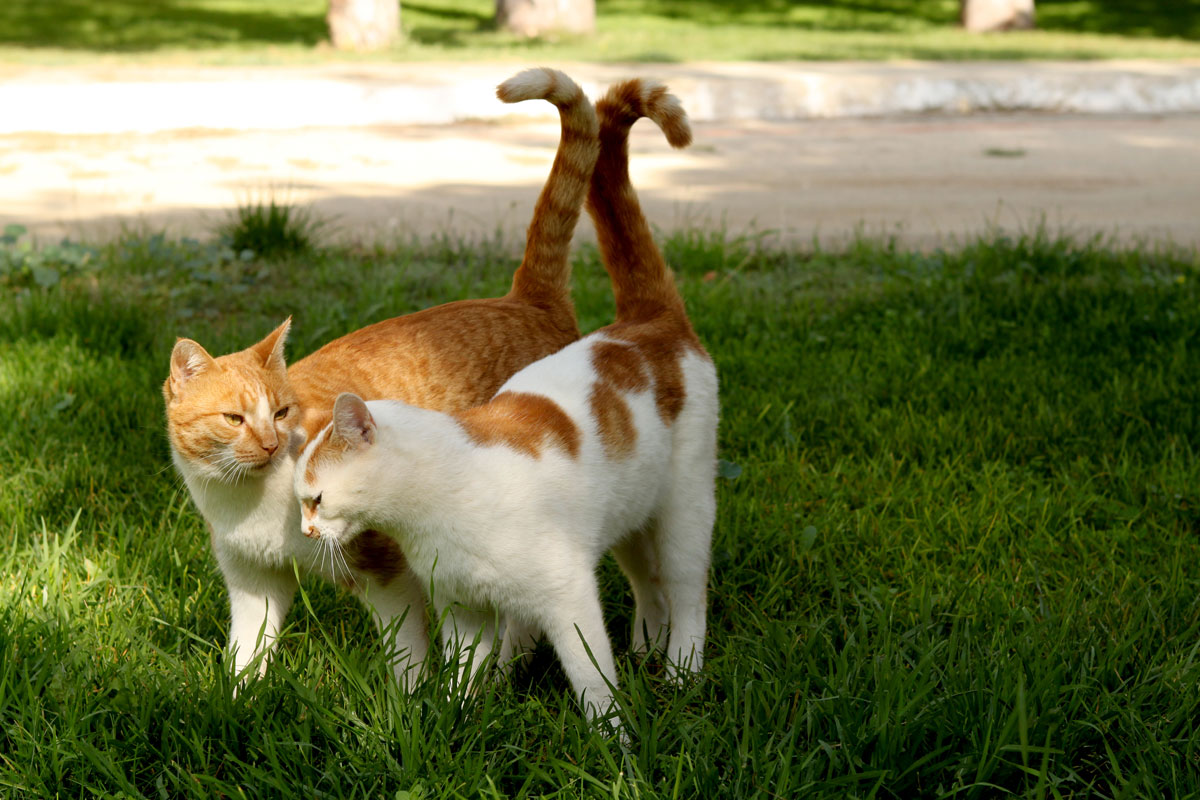
Credit: www.companionanimalpsychology.com
Grooming And Kitten Care
Grooming plays a vital role in kitten care. It helps keep kittens clean and healthy. Grooming also builds strong bonds between the mother cat and her kittens. This early care teaches kittens important social skills. It sets the foundation for their behavior as adult cats.
Mother’s Role
The mother cat grooms her kittens frequently. She licks their fur to remove dirt and parasites. This action also stimulates their circulation and digestion. Grooming calms the kittens and makes them feel safe. It is a way for the mother to show love and care.
Teaching Grooming Habits
Kittens learn grooming by watching their mother. She teaches them to clean themselves and others. Grooming helps kittens recognize family members and form groups. This behavior reduces stress and encourages cooperation. It is a key skill for cats living in social groups.

Credit: www.youtube.com
Frequently Asked Questions
Why Do Cats Groom Each Other Frequently?
Cats groom each other to strengthen social bonds and build trust. It helps reduce stress and promotes group harmony. Mutual grooming also keeps their fur clean and helps remove parasites. This behavior is common among cats that share close relationships, like siblings or companions.
How Does Mutual Grooming Benefit Cats Socially?
Mutual grooming reinforces social connections and hierarchy within a cat group. It signals affection and acceptance, reducing aggression and tension. This behavior fosters cooperation and peaceful coexistence among cats sharing the same environment, improving their overall well-being.
Can Grooming Indicate A Cat’s Health Status?
Yes, grooming behavior reflects a cat’s health and emotional state. Healthy cats groom regularly, while sick or stressed cats may groom less. Mutual grooming can help detect skin issues early, as cats notice changes during grooming sessions.
Do All Cats Groom Each Other Equally?
No, grooming varies by individual and relationship closeness. Cats tend to groom those they trust and share strong bonds with. Strangers or less familiar cats usually don’t engage in mutual grooming, highlighting its social importance.
Conclusion
Cats groom each other to stay clean and build strong bonds. This behavior helps them feel safe and loved. Grooming also reduces stress and keeps their fur healthy. Watching cats groom can show how close they are. It’s a simple way cats show friendship and trust.
Understanding this helps us care for our pets better. Cats use grooming to communicate without words. This small act means a lot in their world. It’s a natural part of cat life and friendship.

Lily Purrington is the founder of MyKittyPicks.com, a cozy corner of the web dedicated to helping cat lovers discover the best cat products, furniture, toys, and home decor ideas.
A lifelong cat enthusiast, Lily shares trusted tips, honest product recommendations, and stylish inspiration designed to keep kitties happy and homes beautiful.
Her mission is simple: to bring together practical advice and purr-fect picks that make life better for cats and the people who love them.


