

Have you ever noticed your cat quickly start licking itself right after a meal? It might seem like a simple habit, but there’s more to this behavior than meets the eye.
Understanding why your cat grooms after eating can reveal important clues about their health, comfort, and even their mood. If you’ve ever wondered what’s behind this curious ritual, keep reading—you’re about to discover surprising reasons that will change the way you see your furry friend’s post-meal routine.

Credit: www.feliway.co.uk
Cats And Grooming Habits
Cats are known for their fastidious grooming habits, which often puzzle cat owners, especially when they start grooming right after a meal. Understanding why cats groom after eating gives you insight into their natural instincts and behaviors. Observing your cat’s grooming routine can reveal more about their health and comfort than you might expect.
Grooming As A Natural Behavior
Grooming is an instinctive action for cats. It helps them stay clean, remove loose fur, and regulate body temperature.
After eating, grooming also serves to get rid of any food smells or residue on their fur. This behavior is deeply rooted in their wild ancestry, where masking scent helped avoid predators.
Think about your cat licking their paws and face after finishing a meal. This isn’t just about cleanliness; it’s about feeling secure and calm in their environment.
Timing Of Grooming Sessions
Have you noticed your cat grooming immediately after eating? This timing is very deliberate. Grooming right after a meal helps transition your cat from feeding to resting.
It can also aid digestion by encouraging relaxation and reducing stress levels. Cats often pick the quiet moments after eating to focus on self-care.
Next time you see your cat grooming after a meal, ask yourself: is this a sign they feel safe and content? Or could it signal discomfort or food-related anxiety?
Physical Reasons For Post-meal Grooming
After your cat finishes a meal, it often starts grooming itself. This behavior is not just about looking good; there are solid physical reasons behind it. Understanding these reasons can help you appreciate your cat’s natural habits and ensure they stay healthy.
Cleaning Food Residue
One obvious reason cats groom after eating is to clean off any food stuck to their fur. Cats use their tongues to remove bits of food that might cling around their mouths or whiskers. This keeps their coat clean and prevents attracting unwanted insects or dirt.
Have you noticed how your cat’s tongue feels rough? That texture is perfect for scraping off food particles. By cleaning themselves, cats also avoid developing unpleasant smells that could attract predators or other animals.
Aiding Digestion Through Saliva
Grooming after meals stimulates saliva production, which plays a role in digestion. Saliva contains enzymes that begin breaking down food right in the mouth, making digestion easier once the food reaches the stomach. This natural process helps your cat absorb nutrients more effectively.
Think about the way you sometimes lick your lips after eating—your cat’s grooming is a more intense version of this. The act of licking spreads saliva throughout the mouth and throat, preparing the digestive system for the next stage.
Next time you see your cat grooming after a meal, consider it a smart, physical routine that supports both hygiene and digestion. Isn’t it fascinating how such a simple action serves multiple important functions?
Psychological Benefits Of Grooming
Cats groom after eating to feel calm and clean. This habit helps reduce stress and keeps their fur free from food particles. Grooming also boosts their mood and comfort.
Cats are fascinating creatures, often leaving us intrigued by their behaviors. One such behavior is grooming after eating. While it may seem like a simple act of cleanliness, grooming offers significant psychological benefits for our feline friends. Let’s explore how this ritual plays a crucial role in their well-being.Stress Relief After Eating
After a satisfying meal, grooming acts as a stress reliever for cats. Eating can be an exciting but potentially stressful event, especially for those in multi-cat households. By engaging in grooming, cats can calm themselves, transitioning smoothly from the excitement of eating to a more relaxed state. Imagine your cat as it meticulously licks its fur after dinner. This rhythmic action is not just about cleaning; it’s a soothing mechanism that helps lower their stress levels. It’s like how some of us might enjoy a cup of tea or a moment of quiet after a busy day.Comfort And Routine
Grooming is more than just a post-meal activity; it’s a comforting routine for cats. Routine provides a sense of security and familiarity, essential for their psychological health. By grooming, cats are not only keeping themselves clean but also adhering to a routine that brings them comfort. Think about your daily routines and the comfort they bring. Similarly, cats find solace in their grooming habits, which serve as a predictable part of their day. This consistency can significantly impact their overall happiness and emotional stability. Have you ever noticed how your cat seems more content after a grooming session? This isn’t just a coincidence. By understanding these psychological benefits, you can better appreciate why grooming is such an integral part of your cat’s life.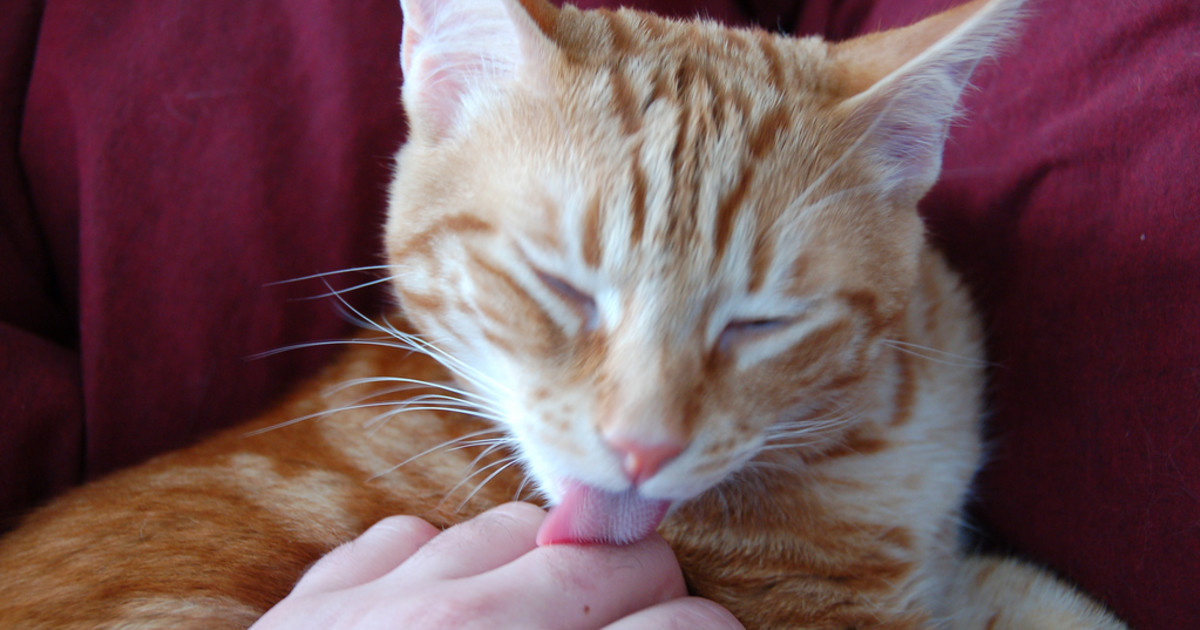
Credit: pethelpful.com
Evolutionary And Survival Factors
Cats grooming after eating is deeply rooted in their evolution and survival instincts. This behavior helped wild cats stay safe and healthy. Grooming removes traces of food and scent that might attract danger. It also keeps their fur clean, which is important for life in the wild.
Removing Food Scents To Avoid Predators
Wild cats rely on stealth to survive. Food smells on their fur can alert predators or rival animals. By grooming, cats erase these scents quickly. This makes it harder for enemies to track them. Staying undetected increases their chances of survival in dangerous environments.
Maintaining Hygiene In The Wild
Clean fur protects cats from parasites and infections. Dirt and food residues can cause skin problems. Grooming removes these harmful substances. It also helps cats regulate their body temperature. Healthy fur supports better hunting and movement in nature’s challenges.
Variations Among Cat Breeds And Personalities
Cats are unique creatures, and their grooming habits after eating can vary widely. These differences often come down to breed traits and individual personality quirks. Understanding these variations can help you better interpret your cat’s behavior and respond to their needs.
Differences In Grooming Intensity
Some breeds, like the Persian or Maine Coon, are known for their thick, long fur. These cats tend to groom more intensely after meals to prevent matting and keep their coats clean. On the other hand, short-haired breeds such as the Siamese might groom less vigorously but still maintain their sleek appearance.
Personality also plays a big role. A shy or anxious cat may groom excessively as a way to calm down after eating, while a more relaxed cat might barely notice the need. Have you noticed if your cat’s grooming changes with their mood or stress levels?
Impact Of Environment And Upbringing
Your cat’s environment influences how and why they groom after eating. Cats raised in calm, stable homes often develop more relaxed grooming routines. In contrast, those in noisy or stressful environments might groom more frequently or even obsessively.
Upbringing matters too. Cats that had positive socialization and gentle handling as kittens usually show balanced grooming habits. Those who experienced neglect or sudden changes might use grooming as a coping mechanism. Reflect on your cat’s history—does it explain their grooming style?
When Grooming Signals Health Issues
Grooming is a natural and essential behavior for cats, often indicating good health and comfort. But what if your cat suddenly starts grooming more than usual after eating? This change can be a subtle sign that something isn’t quite right with their health. Paying attention to these signals can help you catch potential issues early before they become serious.
Excessive Grooming Warning Signs
Excessive grooming means your cat spends much more time licking or biting their fur than normal, especially after meals. Look for bald patches, redness, or scabs on their skin, which can indicate irritation or allergies. If your cat seems restless, agitated, or is grooming so much that it disrupts their eating or sleeping habits, take note.
Sometimes, cats groom excessively to soothe stomach discomfort or dental pain caused by eating. You might notice your cat licking their lips repeatedly or pawing at their mouth. These signs often point to underlying health problems like gastrointestinal issues or dental disease.
Consulting A Veterinarian
If you observe any of the warning signs, it’s important to consult a veterinarian promptly. Your vet can perform a thorough examination and run tests to identify infections, allergies, or other medical conditions. Don’t wait for symptoms to worsen—early diagnosis often leads to easier and more effective treatment.
Remember, your cat cannot tell you when they feel unwell. Watching how their grooming habits change after eating gives you a valuable insight into their well-being. Have you noticed any unusual grooming behaviors in your cat lately? Sharing these observations with your vet can make all the difference.
Credit: www.northroadvet.com.au
Frequently Asked Questions
Why Do Cats Groom Immediately After Eating?
Cats groom after eating to clean food residue from their fur. This behavior helps them maintain hygiene and avoid attracting predators with food scents. Grooming also soothes cats and aids digestion by calming their nervous system.
Does Grooming After Meals Help Cats Digest Food Better?
Yes, grooming after meals can aid digestion. It relaxes the cat, reducing stress and stimulating digestive enzymes. This calming effect supports smoother digestion and overall well-being.
Is Post-eating Grooming A Sign Of Cat Health?
Regular grooming after eating usually indicates good health. It shows the cat feels comfortable and maintains hygiene. However, excessive grooming might signal stress or health issues, so monitor your cat’s behavior closely.
Can Grooming After Eating Prevent Bad Breath In Cats?
Grooming helps reduce food particles in the mouth and fur. This can minimize bad breath by limiting bacteria growth. However, it does not replace regular dental care for cats.
Conclusion
Cats groom after eating to keep clean and healthy. This behavior helps remove food smell and dirt from their fur. Grooming also calms cats and aids digestion. It is a natural habit that shows they feel safe and relaxed. Understanding this helps owners care better for their pets.
Watching your cat groom after meals can be a sign of comfort and well-being. Simple, natural, and important.

Lily Purrington is the founder of MyKittyPicks.com, a cozy corner of the web dedicated to helping cat lovers discover the best cat products, furniture, toys, and home decor ideas.
A lifelong cat enthusiast, Lily shares trusted tips, honest product recommendations, and stylish inspiration designed to keep kitties happy and homes beautiful.
Her mission is simple: to bring together practical advice and purr-fect picks that make life better for cats and the people who love them.


