

Have you ever watched your cat carefully grooming itself, only to notice it suddenly biting its own fur or skin? It might leave you wondering, “Why does my cat do that?”
This curious behavior can be puzzling and even a little concerning. Understanding why cats bite themselves when grooming can help you keep your furry friend happy and healthy. You’ll discover the reasons behind this common habit and learn what signs to watch for to ensure your cat isn’t in discomfort.
Keep reading—you might be surprised by what’s really going on beneath those gentle licks and bites.
Normal Grooming Behavior
Cats spend a lot of time grooming themselves. This behavior is normal and important for their health. Grooming helps cats stay clean and comfortable. It also controls their body temperature and reduces stress. Cats use their teeth and tongue carefully during grooming. Understanding how they do this explains why they sometimes bite themselves.
How Cats Use Their Teeth
Cats use their sharp teeth to clean their fur gently. Their teeth help remove dirt, loose hair, and small parasites. They nibble lightly to avoid hurting their skin. This nibbling is often mistaken as biting. Teeth also help untangle mats and knots in the fur. Cats control their bite strength to keep grooming safe and effective.
Common Grooming Patterns
Cats follow certain patterns when grooming. They start with their face, using paws and tongue. Next, they move to their neck, back, and sides. Cats lick and nibble in small, repeated motions. They spend more time on areas that feel itchy or dirty. Grooming sessions may last from a few minutes to over an hour. This routine keeps their coat healthy and shiny.

Credit: www.reddit.com
When Biting Becomes Excessive
Cats often bite themselves during grooming to clean hard-to-reach areas or remove dirt. This behavior is natural and usually harmless. But sometimes, biting turns into overgrooming. Excessive biting can harm a cat’s skin and fur. It may also signal stress, allergies, or other health problems.
Signs Of Overgrooming
- Frequent licking or biting of the same spot
- Visible bald patches or thinning fur
- Red or inflamed skin in groomed areas
- Scabs, sores, or bleeding from biting
- Restlessness or agitation during grooming
Impact On Cat’s Skin And Fur
Overgrooming damages the skin’s protective barrier. It causes redness, irritation, and sometimes infection. Fur may become patchy or fall out. The skin can develop scabs or open wounds. This makes the cat uncomfortable and vulnerable to further health issues.
Possible Causes Of Self-biting
Cats may bite themselves due to skin irritation, allergies, or parasites like fleas. Stress and anxiety can also cause this behavior during grooming. Sometimes, infections or wounds make cats chew their fur or skin.
Cats often bite themselves during grooming. This behavior might seem odd. Yet, it can signal underlying issues. Identifying the causes helps in providing relief. Below, we explore possible reasons for this behavior.Allergies And Skin Irritations
Cats can suffer from allergies, just like humans. These allergies can lead to itchy skin. Common allergens include pollen, dust, or certain foods. Skin irritations might also arise from harsh grooming products. When a cat bites itself, it might be trying to relieve the itch. Frequent scratching or licking can worsen the irritation.Parasites And Flea Infestations
Parasites can be a common cause of self-biting. Fleas and mites cause intense itching. Cats may bite to remove these pesky invaders. Flea saliva is highly irritating to cats. Even a few flea bites can cause a strong reaction. Regular flea control can help prevent infestations.Stress And Anxiety Triggers
Cats are sensitive creatures. Changes in the environment can cause stress. New pets, moving, or loud noises might trigger anxiety. Stress can lead to excessive grooming. This, in turn, leads to biting. Providing a calm environment can help ease their stress.Underlying Medical Conditions
Some medical conditions can cause a cat to bite itself. Conditions like dermatitis or infections can make skin sensitive. Hormonal imbalances might also be a factor. If biting persists, consult a veterinarian. Early diagnosis can prevent further discomfort.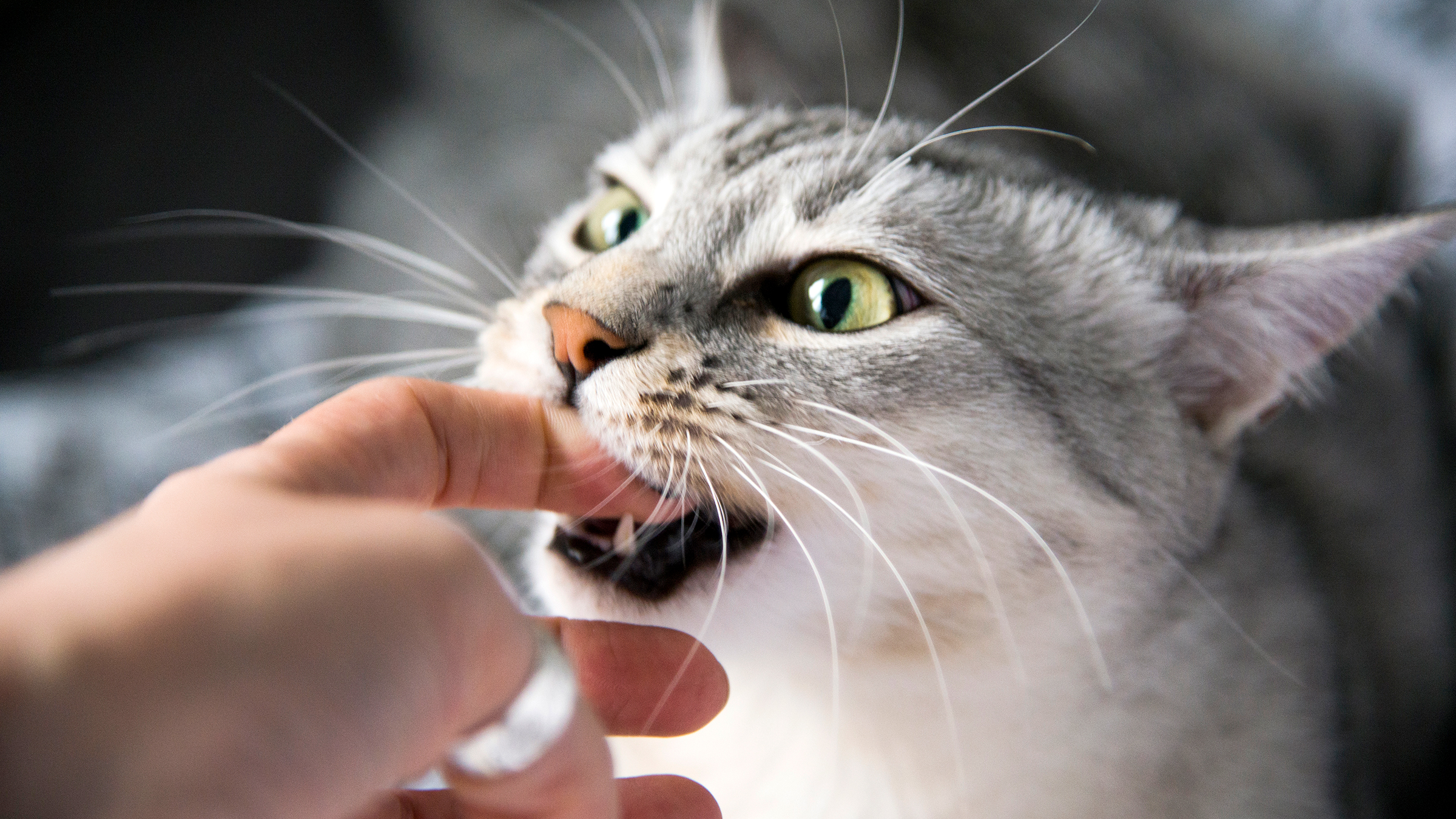
Credit: www.goodrx.com
Behavioral Factors
Cats often bite themselves during grooming due to various behavioral reasons. These actions go beyond simple cleaning. They can signal emotional or environmental issues affecting the cat. Understanding these factors helps pet owners respond wisely.
Boredom And Lack Of Stimulation
Cats need mental and physical activity daily. Without enough playtime or interaction, they may groom excessively. Biting themselves becomes a way to pass time or relieve frustration. This behavior can turn into a habit if not addressed early.
Indoor cats especially face this risk. Limited space and fewer stimuli increase boredom. Providing toys, scratching posts, and regular play sessions reduces the chance of self-biting. It also keeps cats happier and healthier.
Territorial And Social Stress
Cats are territorial animals. Changes in their environment can cause stress. New pets, visitors, or loud noises may make them anxious. This anxiety often shows in grooming habits, including biting themselves.
Social stress from other cats or family members can trigger the same response. Grooming becomes a coping mechanism to feel safe. Recognizing stress signs helps prevent worsening behavior and supports the cat’s well-being.
How To Help Your Cat
Helping your cat stop biting themselves during grooming starts with understanding why they do it. It’s not always just about cleaning; sometimes, there’s a deeper reason behind this behavior. You can make a big difference by observing closely and taking the right actions.
Identifying The Root Cause
First, watch your cat’s grooming habits carefully. Are they biting just a little or causing wounds? Notice if your cat scratches more than usual or seems restless. These signs can point to allergies, parasites, or even stress.
Think about recent changes in your cat’s life. Did you switch their food? Introduce a new pet? Sometimes, small changes can trigger discomfort. Pinpointing the cause helps you choose the best solution.
Environmental Enrichment Tips
Stress and boredom often make cats bite themselves. You can help by adding toys and playtime to your cat’s daily routine. Simple things like puzzle feeders or new scratching posts can keep their mind busy and reduce anxiety.
Try setting up a cozy spot near a window or playing calming music. Cats love variety, so rotating their toys or introducing new scents can make a huge difference. Have you noticed your cat’s mood improve with more attention and stimulation?
When To Consult A Veterinarian
If your cat’s biting causes open sores, hair loss, or lasts for days, it’s time to see a vet. Persistent biting might mean skin infections, allergies, or even pain that only a professional can diagnose. Don’t wait for things to get worse.
Be honest with your vet about what you’ve observed and any changes in your cat’s environment. This helps them recommend the right treatment fast. Your cat’s comfort and health depend on timely care.
Preventing Future Issues
Preventing future issues related to cats biting themselves during grooming starts with understanding their needs. Taking simple steps helps keep your cat healthy and comfortable. These steps reduce stress and skin problems, which often cause excessive biting.
Regular Grooming Routine
Brushing your cat regularly removes loose fur and dirt. It stops mats and tangles that cause discomfort. Grooming also helps you spot skin problems early. Use a brush suited for your cat’s fur type. Keep sessions short and calm to avoid stress.
Managing Stressful Situations
Cats bite themselves more when stressed or anxious. Create a quiet, safe space for your cat to relax. Keep a consistent daily routine for feeding and playtime. Use calming pheromone sprays or diffusers if needed. Avoid loud noises and sudden changes around your cat.
Flea And Allergy Control
Fleas cause itching and biting. Check your cat often for fleas and use vet-approved treatments. Allergies can also cause skin irritation. Watch for signs like redness, swelling, or hair loss. Consult a vet to identify and treat allergies properly.

Credit: www.reddit.com
Frequently Asked Questions
Why Do Cats Bite Themselves While Grooming?
Cats bite themselves during grooming to clean hard-to-reach areas. It helps remove dirt, loose fur, and parasites effectively. This behavior is natural and essential for their hygiene and comfort.
Is Self-biting In Cats A Sign Of Stress?
Sometimes, cats bite themselves due to stress or anxiety. Excessive biting can indicate nervousness or boredom. If frequent, consult a vet to rule out behavioral or medical issues.
Can Biting During Grooming Cause Harm To Cats?
Usually, cats bite gently and do not harm themselves. However, excessive biting may lead to skin irritation or wounds. Monitor your cat’s behavior and seek vet advice if needed.
Do Cats Bite Themselves To Relieve Itching?
Yes, cats bite themselves to relieve itching caused by fleas or allergies. This behavior helps soothe irritated skin. Persistent biting may require veterinary attention to address underlying issues.
Conclusion
Cats bite themselves while grooming to clean and remove dirt. This behavior helps them stay healthy and comfortable. Sometimes, biting can mean stress or skin problems. Watch your cat closely to notice changes in behavior. Offer gentle care and regular vet visits to keep them happy.
Understanding why cats bite themselves helps you care better. Small actions can improve your cat’s well-being every day. Keep learning and observing your furry friend’s needs. Caring for cats is simple when you know their habits.

Lily Purrington is the founder of MyKittyPicks.com, a cozy corner of the web dedicated to helping cat lovers discover the best cat products, furniture, toys, and home decor ideas.
A lifelong cat enthusiast, Lily shares trusted tips, honest product recommendations, and stylish inspiration designed to keep kitties happy and homes beautiful.
Her mission is simple: to bring together practical advice and purr-fect picks that make life better for cats and the people who love them.


