
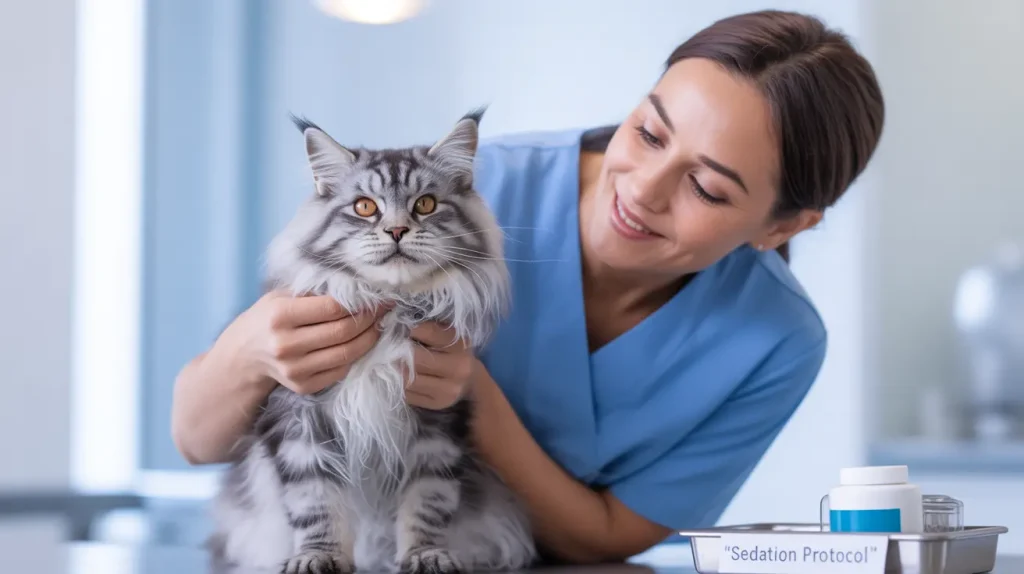
Grooming your cat at home can be a stressful experience—for both you and your furry friend. If your cat gets anxious or restless during grooming, you might be wondering how to make the process smoother and safer.
Knowing how to sedate a cat at home for grooming can help you keep your pet calm without causing harm. In this guide, you’ll discover simple, effective methods to help your cat relax, making grooming less of a battle and more of a bonding moment.
Keep reading to find out how to make grooming easier for you and your cat.
Reasons To Sedate Cats For Grooming
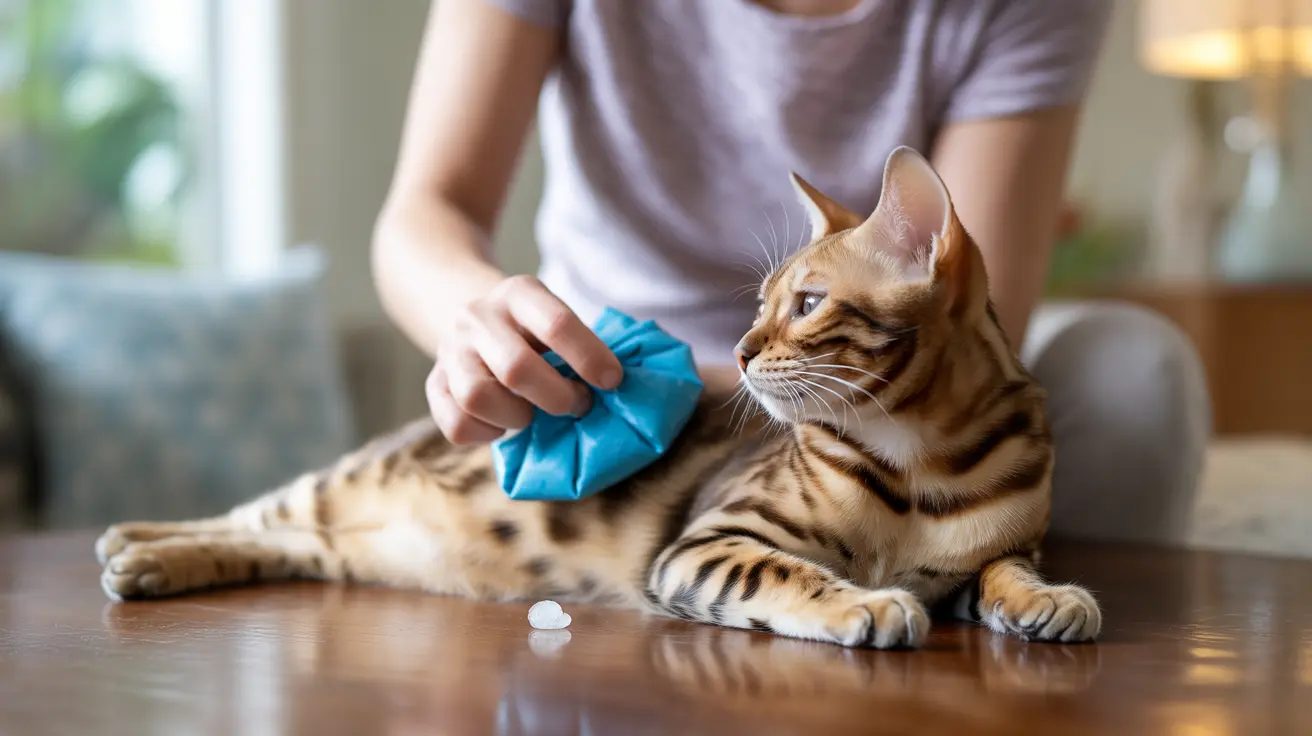
Some cats resist grooming, causing stress for both cat and owner. Sedation helps calm the cat during difficult grooming sessions. It creates a safer environment for grooming tasks like nail trimming and fur brushing. Sedating a cat is sometimes the only way to complete grooming safely. Understanding the reasons helps decide when sedation is needed.
Common Grooming Challenges
- Cats with thick or matted fur can resist brushing fiercely.
- Nail clipping often causes fear and sudden movements.
- Cats with anxiety may hide or scratch during grooming.
- Older or sick cats may feel pain and become uncooperative.
- Some cats dislike water, making baths a struggle.
Benefits Of Sedation
- Reduces stress and anxiety for the cat.
- Prevents injuries to both cat and owner.
- Allows grooming to be thorough and effective.
- Makes handling sensitive areas easier and safer.
- Helps groomers work faster and with less struggle.
Credit: www.petscare.com
Signs Your Cat Needs Sedation
Knowing when your cat needs sedation is important for safe grooming. Some cats show clear signs of distress or aggression. Sedation can help keep them calm and prevent injury during grooming sessions.
Watch your cat closely for behaviors that suggest sedation might be necessary. These signs often relate to how your cat reacts to touch or changes in the environment. Recognizing these signs early can make grooming easier and safer for both you and your pet.
Aggressive Behavior
- Hissing or growling when touched
- Swatting or biting during grooming attempts
- Trying to escape or hide aggressively
- Ears flattened back against the head
- Sudden, sharp movements to avoid handling
Aggression often shows fear or pain. Sedation can reduce this risk and protect both cat and owner.
Stress And Anxiety Indicators
- Excessive meowing or crying
- Rapid breathing or panting
- Trembling or shaking
- Refusing to eat or drink before grooming
- Excessive grooming or licking of fur
Stress signs show your cat feels overwhelmed. Sedation can calm anxiety and make grooming manageable.
Safe Sedation Methods At Home
Keeping your cat calm during grooming is essential for both their comfort and your safety. Using safe sedation methods at home can help ease anxiety and make the process smoother. However, it’s important to choose options that won’t harm your feline friend or cause unwanted side effects.
Natural Sedatives
Many cat owners find success with natural sedatives that gently calm their pets. Herbs like valerian root and chamomile can help reduce stress without strong side effects. You might also try pheromone sprays or diffusers, which mimic calming scents cats naturally respond to.
I once used a chamomile tea rinse diluted with water during grooming, and it noticeably relaxed my cat without any sedation risks. Have you noticed your cat responding to certain smells or herbs? That could be a good starting point.
Over-the-counter Options
There are mild over-the-counter supplements specifically designed for cats. Products containing L-theanine or melatonin can help reduce anxiety safely. Always check the label for proper dosages and confirm the ingredients are cat-safe.
Be cautious with human medications—some can be toxic to cats. Instead, look for pet-specific calming chews or liquids available at pet stores or online. These options can offer temporary relief during grooming without needing a prescription.
When To Consult A Vet
If your cat is extremely anxious or aggressive during grooming, it’s best to talk to your vet before trying any sedation. Some situations require prescription sedatives or professional handling to ensure safety. Your vet can recommend the best approach tailored to your cat’s health and temperament.
Have you ever struggled to groom your cat despite trying calming methods? A quick vet consultation might uncover underlying issues or provide stronger, yet safe, sedation options. Never guess on dosages—professional guidance can prevent serious health risks.
Preparing Your Cat For Sedation
Preparing your cat for sedation is a crucial step to ensure the grooming process goes smoothly and safely. It involves more than just giving medication; it’s about creating the right atmosphere and carefully managing timing and dosage. These factors can greatly affect how your cat responds and recovers.
Setting A Calm Environment
Your cat’s mood before sedation can influence how well the medication works. Create a quiet space away from loud noises and other pets. Dim the lights and keep the room temperature comfortable to help your cat feel relaxed.
Try to spend some calm, gentle time with your cat before administering sedation. Speak softly and use slow movements to avoid startling them. I once found that playing soft classical music helped my cat settle down quickly before grooming.
Have all grooming tools ready in advance. This reduces the time your cat spends under sedation. A calm, prepared setting helps minimize stress for both you and your pet.
Timing And Dosage Tips
Always follow your veterinarian’s guidelines for timing and dosage of sedatives. Giving medication too early or too late can affect its effectiveness. Administer sedatives just before your cat is expected to be calm but still alert enough to swallow the medication safely.
Keep a close watch on your cat after giving the sedative. Note any unusual behavior or reactions. If you notice anything worrying, contact your vet immediately.
Remember, dosage varies by weight and health condition. Never guess the amount—accurate measurement is key. Have a small notebook to record dosage times and amounts; it helps avoid mistakes and keeps your vet informed.
Step-by-step Sedation Process
Understanding how to sedate a cat at home for grooming can ease the process. Begin by creating a calm environment. Introduce a mild sedative prescribed by a vet, ensuring the dosage is correct. Always monitor your cat closely for any reactions.
Grooming your feline friend can sometimes be a challenging task, especially if your cat is a bit skittish or uncooperative. Knowing how to safely sedate your cat at home can make the grooming process smoother for both you and your pet. This step-by-step guide will walk you through the process of administering sedatives and monitoring your cat’s response to ensure their safety and comfort.Administering Sedatives Safely
Before giving any sedative, consult your veterinarian. They can recommend the right product and dosage for your cat’s weight and health condition. This is crucial to avoid any adverse reactions. Once you have the appropriate sedative, administer it according to the vet’s instructions. Typically, this involves mixing it with food or a treat. Ensure your cat consumes the entire dose for it to be effective. Be patient. It may take some time for the sedative to kick in. Use this waiting period to prepare your grooming tools and create a calming environment.Monitoring Your Cat’s Response
Keep a close eye on your cat once the sedative has been administered. Watch for signs of drowsiness and relaxation, which indicate the sedative is working. If your cat shows any signs of distress or unusual behavior, contact your vet immediately. It’s essential to act quickly if something seems off. As your cat becomes more relaxed, proceed with grooming gently. Speak softly and move slowly to maintain a calming atmosphere. Have you ever noticed how your voice can soothe your pet? Use this to your advantage. Remember, each cat is unique. Some may need more time to relax, while others might need less. Adjust your approach based on your cat’s response and comfort level.
Credit: www.reddit.com
Grooming Tips While Cat Is Sedated
Grooming a sedated cat requires care and patience. The cat is calm but still delicate. Use this time to gently clean and care for your pet. Focus on comfort and safety to avoid injury or stress.
Tools And Techniques
Choose soft brushes and combs for grooming. Use a damp cloth for wiping dirt. Have grooming scissors ready for matted fur. Avoid loud or sharp tools that could startle the cat.
- Soft bristle brush for loose fur
- Wide-tooth comb for tangles
- Grooming scissors for mats
- Damp cloth for gentle cleaning
Work slowly and gently. Use light strokes to avoid hurting the skin. Keep movements calm and steady to maintain relaxation.
Handling Sensitive Areas
Pay extra attention to sensitive spots. These include the belly, paws, ears, and face. Use gentle pressure and avoid pulling on fur. Check for any signs of irritation or injury.
- Clean ears with a soft cloth
- Trim nails carefully, avoiding quick
- Brush around eyes with a damp cotton ball
- Gently comb belly and inner legs
Stop immediately if the cat shows discomfort. Always be prepared to pause and wait if needed.
Post-grooming Care
After sedating your cat for grooming, the care you provide afterward can make all the difference in their comfort and safety. Post-grooming care is about helping your feline friend bounce back smoothly from sedation and ensuring no complications arise. Paying close attention to their behavior and environment will help you spot any issues early and keep your cat happy.
Helping Your Cat Recover
Find a quiet, warm spot for your cat to rest after grooming. Sedation can make them groggy and unsteady, so limit their movement to prevent falls or injuries.
Offer water once they seem alert, but don’t force them to drink. Some cats may feel nauseous after sedation, so let them drink at their own pace.
Keep the room dim and calm, avoiding loud noises or sudden activity. Your cat will feel more secure and can recover faster in a peaceful environment.
Watching For Side Effects
Monitor your cat closely for unusual symptoms like excessive drooling, vomiting, or difficulty breathing. These can be signs of an adverse reaction to the sedative.
Check their gums and tongue color. Pale or blue-tinted gums indicate low oxygen levels and need immediate veterinary attention.
Keep track of how long it takes for your cat to fully wake up. If they remain lethargic or unresponsive for more than a few hours, contact your vet without delay.
Have you ever noticed subtle changes in your cat’s behavior after sedation that others might miss? Being attentive can truly save your pet’s life.
Alternatives To Sedation
Many pet owners seek ways to groom cats without using sedation. Sedation can carry risks and may not always be necessary. Exploring alternatives helps keep your cat calm and safe. These options often create a better experience for both you and your pet.
Professional Groomers
Professional groomers have experience handling anxious cats. They use gentle techniques to keep cats relaxed. Groomers often have specialized tools to make grooming quick and safe. Their calm approach can reduce stress during grooming sessions. Visiting a groomer can prevent the need for sedation at home.
Behavioral Training
Training your cat to accept grooming is a long-term solution. Start by introducing grooming tools slowly and calmly. Reward your cat with treats and praise during sessions. Regular short grooming practices build comfort and trust. This method helps cats stay calm during grooming without sedation.
Common Mistakes To Avoid
Knowing common mistakes helps keep your cat safe during grooming sedation. Many pet owners try to sedate cats without full knowledge. This can cause serious harm or stress to your pet. Avoiding errors ensures a smooth and safe grooming session.
Overdosing Risks
Giving too much sedative is very dangerous. Overdosing can lead to breathing problems or even death. Always follow the exact dose recommended by your vet. Never guess or increase the amount to make your cat calmer. Watch your cat closely after sedation for signs of trouble.
Ignoring Health Conditions
Some cats have health problems that affect sedation safety. Heart, liver, or kidney issues can make sedation risky. Always tell your vet about any health conditions your cat has. Sedation may need adjustment or a special approach. Ignoring health issues can cause serious side effects.
Credit: visapoint.travel
Frequently Asked Questions
How Can I Safely Sedate My Cat At Home?
Consult your vet before sedating your cat. Use only vet-approved sedatives and follow dosage instructions carefully to ensure safety.
What Natural Methods Help Calm Cats For Grooming?
Use calming sprays, pheromone diffusers, or gentle massage. Soft music and a quiet environment also reduce stress during grooming.
When Should I Avoid Sedating My Cat At Home?
Avoid sedation if your cat has health issues or is very old. Always seek vet advice before attempting sedation at home.
How Long Does Cat Sedation Last For Grooming?
Sedation duration varies by medication, typically lasting 1 to 4 hours. Follow your vet’s guidance on timing and aftercare.
Conclusion
Sedating a cat at home requires care and patience. Always consult your vet before trying any sedation method. Use safe products and follow instructions closely. Watch your cat’s behavior for any signs of distress. Keep the environment calm and quiet during grooming.
Sedation can help reduce stress but is not always needed. Your cat’s health and comfort come first. Stay gentle and calm throughout the process. With the right steps, grooming can become easier for both of you.

Lily Purrington is the founder of MyKittyPicks.com, a cozy corner of the web dedicated to helping cat lovers discover the best cat products, furniture, toys, and home decor ideas.
A lifelong cat enthusiast, Lily shares trusted tips, honest product recommendations, and stylish inspiration designed to keep kitties happy and homes beautiful.
Her mission is simple: to bring together practical advice and purr-fect picks that make life better for cats and the people who love them.


