
Have you ever been scratched by a cat and wondered if it could make you sick? Cat Scratch Fever Disease is something you should know about, especially if you love spending time with your feline friends.
This illness might sound harmless, but it can cause real health problems if left untreated. Understanding what Cat Scratch Fever is and how it affects you can help keep you safe and healthy. Keep reading to discover the signs, risks, and simple steps you can take to protect yourself and your beloved pet.

Credit: www.reddit.com
Cat Scratch Fever Basics
Cat Scratch Fever is an illness people get from cats. It happens after a cat scratch or bite. The disease is caused by bacteria called Bartonella henselae.
Most people with Cat Scratch Fever have mild symptoms. The illness usually goes away without serious problems. It is important to know the signs and how to prevent it.
How Cat Scratch Fever Spreads
The bacteria spread when a cat scratches or bites a person. Cats carry the bacteria in their saliva and claws. Fleas on cats can also spread the bacteria to humans.
- Cat scratches or bites are the main cause
- Contact with flea feces on cats can infect humans
- Not all cats carry the bacteria
- People with weak immune systems are at higher risk
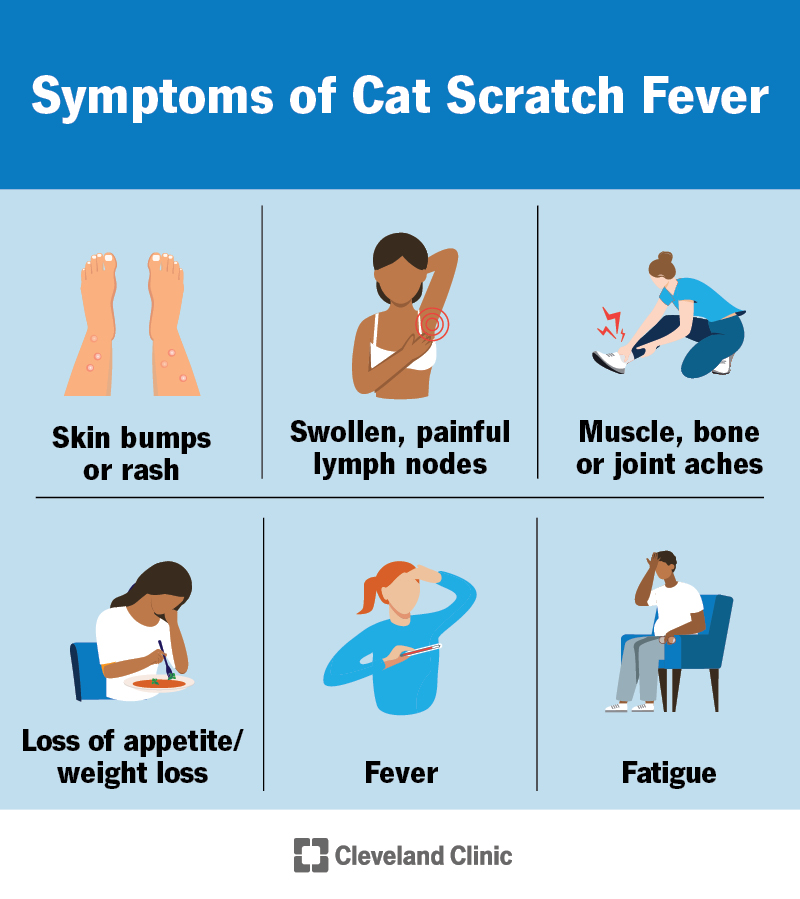
Symptoms Of Cat Scratch Fever
Symptoms usually appear within 1 to 2 weeks after the scratch or bite. The first sign is a small sore or bump at the injury site. Lymph nodes near the scratch may swell and become tender.
- Red bump or blister on skin
- Swollen lymph nodes
- Fever and tiredness
- Headache
- Loss of appetite
Who Is At Risk?
Children and young adults get Cat Scratch Fever more often. People who have close contact with cats are at risk. Those with weak immune systems may have worse symptoms.
- Children under 15 years old
- Cat owners and pet workers
- People with HIV or cancer
- People with organ transplants
Prevent Cat Scratch Fever by avoiding cat scratches and bites. Wash hands after handling cats. Keep cats free of fleas with regular treatment.
- Do not let cats lick open wounds
- Trim cat nails to reduce scratches
- Use flea control on pets
- Clean cat bites and scratches immediately
Common Symptoms
Cat Scratch Fever is an infection caused by a bacteria from cats. It often starts with mild symptoms. Knowing these signs helps in early care.
The symptoms can vary but usually involve the skin, fever, and swollen lymph nodes. Some other signs may also appear.
Skin Lesions And Swelling
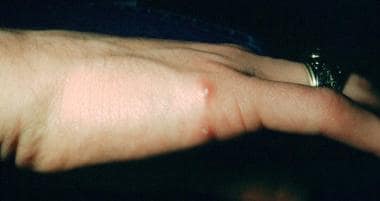
After a cat scratch or bite, a small bump or blister may form at the site. This lesion can be red and swollen. It may last for several days or weeks.
The lesion usually appears one to two weeks after contact with the cat. It can be tender or itchy.
Fever And Fatigue
People with Cat Scratch Fever often experience fever and feel very tired. The fever is usually low-grade but can last for days.
- Low-grade fever
- Feeling weak or tired
- Chills may occur
Lymph Node Enlargement
Swollen lymph nodes near the scratch or bite are a common symptom. These lumps can be painful and warm to touch.
| Location | Description |
| Armpits | Swollen and tender lymph nodes |
| Neck | Lumps near the jaw or neck area |
| Groin | Enlarged nodes in the groin region |
Other Possible Signs
Some people may have headaches, muscle pain, or a rash. Rarely, more serious problems can develop if the infection spreads.
Causes And Transmission
Cat Scratch Fever is an infection caused by bacteria. It spreads mainly through cats. Understanding the causes helps prevent this disease.
The infection passes from cats to humans in several ways. Knowing how it spreads lowers the risk of catching it.
Bartonella Henselae Bacteria
Bartonella henselae is the main bacteria behind Cat Scratch Fever. It lives in the blood of infected cats. This bacteria causes illness in humans after transmission.
The bacteria do not usually harm cats much. But when they scratch or bite, they can pass Bartonella henselae to people.
How Cats Spread The Infection
Cats spread Cat Scratch Fever mainly through scratches and bites. Fleas on cats also carry the bacteria. Flea feces can contaminate cat claws.
- Scratches from infected cats
- Bites that break the skin
- Contact with flea dirt on cat fur
- Touching cat saliva on broken skin
Risk Factors
| Risk Factor | Description |
| Young Cats | More likely to carry Bartonella henselae |
| Children | Often play roughly with cats and get scratched |
| Flea Infestation | Increases bacteria spread among cats |
| Weakened Immune System | Higher chance of severe infection |
| Outdoor Cats | More exposure to fleas and other infected animals |
Diagnosis Methods
Cat scratch fever is a disease caused by bacteria from cat scratches or bites. Diagnosing it correctly helps in giving proper treatment. Doctors use several ways to find out if someone has this illness.
These methods include checking the body for signs, running lab tests, and ruling out other diseases that look similar. Each step gives important clues about the infection.
Physical Examination
Doctors look for swollen lymph nodes near the scratch or bite. They also check for fever and skin redness. The exam helps find common signs of cat scratch fever.
Laboratory Tests
Lab tests confirm the infection by detecting bacteria or antibodies. Blood tests are common to check for immune response. Cultures from lymph nodes or skin may also be done.
- Blood antibody test (serology)
- Bacterial culture from lymph node fluid
- Polymerase chain reaction (PCR) to find bacteria DNA
- Complete blood count to check white cell levels
Differential Diagnosis
Doctors use a table to compare cat scratch fever with similar diseases. This helps avoid mistakes in diagnosis.
| Disease | Symptoms | Key Differences |
|---|---|---|
| Tuberculosis | Long fever, weight loss | Chest X-ray shows lung problems |
| Lyme Disease | Rash, joint pain | Tick bite history, positive Lyme test |
| Infectious Mononucleosis | Fatigue, sore throat | Positive monospot test |
| Cat Scratch Fever | Swollen lymph nodes, fever | History of cat contact |
Treatment Options
Cat Scratch Fever is an infection caused by bacteria from cat scratches or bites. Treating it early helps avoid serious problems.
Treatment usually involves medicine and care to ease symptoms. Doctors decide the best plan based on how bad the infection is.
Antibiotic Therapy
Antibiotics are the main treatment for Cat Scratch Fever. They kill the bacteria causing the infection.
Common antibiotics include azithromycin, doxycycline, or ciprofloxacin. The doctor chooses the right one for each person.
- Azithromycin is often used for mild to moderate cases.
- Doxycycline may be given for more severe infections.
- Antibiotics usually last 5 to 14 days.
Symptom Management
Along with antibiotics, managing symptoms helps you feel better faster. Rest and care are important parts.
Use over-the-counter pain relievers to reduce fever and soreness. Keep the scratch clean and avoid scratching it more.
- Take acetaminophen or ibuprofen for pain and fever.
- Wash the affected area with soap and water daily.
- Apply cool compresses to reduce swelling.
- Rest to help your body fight the infection.
When To Seek Medical Help
See a doctor if symptoms get worse or do not improve after a few days. Some cases need urgent care.
Seek help if you have high fever, swollen lymph nodes, or spreading redness around the scratch. Early treatment prevents serious problems.
- High fever that lasts more than two days.
- Large, painful swollen lymph nodes.
- Redness spreading from the scratch.
- Feeling very tired or weak.
- Signs of infection like pus or increasing pain.

Credit: www.reddit.com
Prevention Tips
Cat Scratch Fever is a disease caused by bacteria. It spreads through cat scratches or bites. Knowing how to prevent it is important for pet owners.
Taking simple steps can keep both you and your pet safe. Follow these tips to reduce the risk of infection.
Safe Cat Handling
Properly handling cats is key to preventing scratches. Stay calm and gentle when playing with them.
- Use toys instead of hands for playtime
- Train your cat to avoid scratching
- Keep your cat’s nails trimmed
Wound Care
If you get scratched, clean the wound immediately. Use soap and water to reduce infection risk.
Reducing Exposure Risks
Reducing contact with stray cats can lower your risk. It is also important to keep your home environment clean.
| Action | Benefit |
| Keep cats indoors | Minimizes contact with stray animals |
| Regular vet visits | Keeps your cat healthy |
| Wash hands after petting | Reduces bacterial spread |
Complications To Watch For
Cat Scratch Fever is an infection from cat bites or scratches. It usually causes mild symptoms but can lead to complications.
Understanding these complications helps in early detection and treatment.
Severe Infections
In some cases, the disease can cause more than just a fever. The infection may spread and become severe.
- Lymph nodes may swell and become painful.
- The liver or spleen can get inflamed.
- Rarely, it can affect the brain or heart.
Long-term Effects
Most people recover fully, but some may face long-term effects. These effects can impact daily life and health.
| Complication | Possible Long-term Effect |
| Chronic pain | Ongoing discomfort |
| Vision issues | Blurred or impaired sight |
| Fatigue | Persistent tiredness |
At-risk Groups
Some people are more at risk for complications. Awareness helps in taking preventive measures.
- Young children
- People with weak immune systems
- Older adults
Credit: emedicine.medscape.com
Frequently Asked Questions
What Causes Cat Scratch Fever Disease?
Cat Scratch Fever is caused by Bartonella henselae bacteria. It spreads through scratches or bites from infected cats. The bacteria enter the skin, leading to infection and symptoms.
What Are Common Symptoms Of Cat Scratch Fever?
Common symptoms include swollen lymph nodes, fever, headache, fatigue, and skin redness near the scratch. Symptoms usually appear within 3 weeks after exposure.
How Is Cat Scratch Fever Diagnosed?
Diagnosis is based on medical history, physical exam, and blood tests. Doctors look for symptoms and possible contact with cats to confirm infection.
Can Cat Scratch Fever Be Treated Effectively?
Yes, Cat Scratch Fever is treatable with antibiotics. Mild cases may resolve without treatment, but antibiotics speed recovery and prevent complications.
Conclusion
Cat Scratch Fever is a mild illness caused by bacteria from cats. Most people recover quickly with simple care and rest. Watch for symptoms like swollen lymph nodes and fever. Avoid rough play with cats to reduce scratches and bites.
Clean any wounds right away to prevent infection. Knowing the signs helps you act fast and stay healthy. Cats are fun pets but require careful handling. Stay informed and protect yourself from this common disease.

Lily Purrington is the founder of MyKittyPicks.com, a cozy corner of the web dedicated to helping cat lovers discover the best cat products, furniture, toys, and home decor ideas.
A lifelong cat enthusiast, Lily shares trusted tips, honest product recommendations, and stylish inspiration designed to keep kitties happy and homes beautiful.
Her mission is simple: to bring together practical advice and purr-fect picks that make life better for cats and the people who love them.


