

Imagine you’re playing with your furry feline friend, and suddenly, you feel a scratch. It’s nothing new for cat owners, but did you know it could lead to something more serious?
This is where cat scratch fever comes into play. You might be wondering how common this condition is and if it’s something you should worry about. By understanding the prevalence and implications of cat scratch fever, you can ensure both you and your beloved pet stay healthy.
Unravel the facts and protect yourself from unexpected surprises. Dive into this article to discover what you need to know about cat scratch fever and how it might impact you.
Cat Scratch Fever Basics
Cat Scratch Fever might sound like a casual nickname for a playful kitty mishap, but it’s a real infection that can catch you off guard. Understanding the basics helps you stay safe while enjoying your feline friend’s company. Let’s break down what causes this illness and how it spreads from cats to humans.
What Causes Cat Scratch Fever
Cat Scratch Fever is caused by a bacterium called Bartonella henselae. This tiny germ lives harmlessly in many cats without making them sick.
However, when the bacteria enter your body through a scratch or bite, it can trigger an infection. You might notice swollen lymph nodes, fever, or fatigue if infected.
Have you ever wondered why some scratches heal quickly while others leave you feeling unwell? It’s often about whether this bacterium was involved.
How Cats Spread The Infection
Cats spread the infection mainly through their claws and teeth. Fleas play a hidden role by carrying the bacteria between cats, increasing the chance your pet is a carrier.
When a cat scratches or bites you, the bacteria can transfer into your skin. Even a tiny scratch can be enough to cause Cat Scratch Fever.
Think about your last playful moment with a cat—did a sudden scratch leave you worried? Understanding this helps you act quickly, cleaning wounds thoroughly to prevent infection.
Frequency Of Cat Scratch Fever
Cat Scratch Fever is an infection caused by bacteria from cat scratches or bites. It is more common than many think. The frequency varies by region and population. Understanding its occurrence helps in prevention and awareness.
Incidence Rates Worldwide
Cat Scratch Fever occurs worldwide but rates vary. In the United States, about 12,000 cases are reported yearly. Tropical and subtropical regions show higher cases due to more stray cats. Some countries report fewer cases due to less contact with cats. Many cases go unreported because symptoms are mild.
Populations Most At Risk
Children and young adults have higher risk. They play with cats more often and may get scratched. People with weak immune systems face more severe symptoms. Cat owners and veterinary workers have increased exposure. Stray cat caretakers also show higher infection rates.
Symptoms To Watch For
Cat Scratch Fever shows several signs that signal its presence. Knowing these symptoms helps in early care. The infection usually starts after a cat scratch or bite. Symptoms vary from mild to more serious conditions. Watch closely for any changes after contact with a cat.
Early Signs After A Scratch
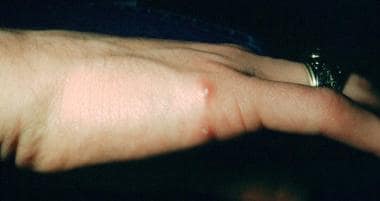
- Redness and swelling around the scratch
- Small blister or bump near the wound
- Fatigue or feeling tired
- Slight fever or chills
- Swollen lymph nodes near the scratch site
- Headache or muscle aches
These signs often appear within one to two weeks after a scratch. Early symptoms are usually mild but should not be ignored. Prompt attention can prevent the infection from worsening.
Complications And Severe Cases
- High fever lasting several days
- Severe swelling of lymph nodes
- Skin infection spreading around the wound
- Joint pain or swelling
- Neurological symptoms like confusion or seizures
- Eye infections or vision problems
Severe cases need medical treatment quickly. Complications can affect different body parts. In rare cases, the infection may spread to the liver or spleen. Early medical help lowers risk of serious problems.

Credit: www.yahoo.com
Diagnosis And Treatment
Diagnosing cat scratch fever can be tricky because its symptoms mimic other illnesses. Early detection helps start treatment quickly. Doctors use specific tests and observations to confirm the disease. Treatment focuses on easing symptoms and preventing complications.
How Doctors Identify The Disease
Doctors begin by asking about recent cat scratches or bites. They check for swollen lymph nodes and fever. Blood tests help detect antibodies against the bacteria causing cat scratch fever.
Sometimes, doctors use imaging tests to rule out other infections. Physical exams focus on the area of the scratch or bite. Clear signs include redness, swelling, and small bumps near the injury.
Effective Treatment Options
Most cases improve without strong medicine. Rest and fluids help the body fight the infection. Pain relievers reduce fever and discomfort.
Doctors may prescribe antibiotics if symptoms are severe or last longer. Common antibiotics include azithromycin and doxycycline. Treatment usually lasts one to two weeks.
Watch for any worsening symptoms. Seek medical help if swelling spreads or fever stays high.
Prevention Tips
Preventing Cat Scratch Fever is easier than you might think. By taking a few simple precautions, you can enjoy your feline friends without the risk of infection. Let’s look at practical steps you can use every day to keep both you and your cat safe.
Safe Handling Of Cats
Always wash your hands after petting or playing with your cat. Cats carry the bacteria in their claws and mouths, so cleaning your hands reduces the chance of transmission.
Trim your cat’s nails regularly to minimize scratches. If your cat is playful or easily startled, use toys instead of your hands to avoid accidental scratches.
Keep your cat indoors or in a controlled outdoor space. This limits their exposure to fleas, which can carry the bacteria responsible for Cat Scratch Fever.
- Clean any scratches or bites immediately with soap and water.
- Disinfect your cat’s living area to reduce bacteria buildup.
- Consider flea prevention treatments recommended by your vet.
When To Seek Medical Help
If you notice redness, swelling, or pain around a scratch or bite, don’t ignore it. These could be early signs of infection, and prompt treatment can prevent complications.
Watch for symptoms like fever, fatigue, or swollen lymph nodes near the injury site. These signs suggest the infection may be spreading and require medical attention.
Ask yourself: Is the injury healing as expected, or is it worsening? If the wound is not improving within a few days or you experience increasing discomfort, see a healthcare professional immediately.
Credit: emedicine.medscape.com
Myths And Facts
Cat Scratch Fever, or Bartonella henselae infection, is often misunderstood. Many people carry misconceptions that shape how they react to cat scratches or bites. Clearing up these myths and understanding the facts can help you protect yourself without unnecessary fear.
Common Misconceptions
One common myth is that every cat scratch will lead to Cat Scratch Fever. This simply isn’t true. Most cat scratches do not cause any illness, especially if your cat is healthy and you clean the wound promptly.
Another misconception is that only stray or outdoor cats carry the bacteria. Even indoor cats can be carriers, but the risk remains low if they don’t have fleas, which are known to spread the bacteria between cats.
Some people believe Cat Scratch Fever is always serious or requires heavy medical treatment. In reality, many cases are mild and resolve on their own without antibiotics.
What Research Actually Shows
Studies indicate that about 10-15% of cats carry Bartonella henselae at some point, but only a small fraction of scratches result in infection. This means your chances of getting sick from a cat scratch are relatively low.
Research also highlights the role of flea control in preventing the spread of Cat Scratch Fever. Keeping your cat flea-free drastically reduces the risk of transmission.
Medical evidence supports that most healthy people recover quickly from Cat Scratch Fever with minimal intervention. However, people with weakened immune systems should be more cautious and seek medical advice if scratched.
Have you ever wondered why some cat owners never get sick despite frequent scratches? It might be because they practice good hygiene and maintain their cat’s flea control regularly. What simple steps can you add to your routine to keep safe?

Credit: www.goodrx.com
Frequently Asked Questions
How Common Is Cat Scratch Fever In Pet Owners?
Cat scratch fever affects about 12,000 people annually in the U. S. , mostly pet owners. It is more common in children and young adults. The risk increases if cats carry Bartonella henselae bacteria. Proper hygiene and avoiding rough play reduce infection chances significantly.
Can Indoor Cats Transmit Cat Scratch Fever?
Yes, indoor cats can carry Bartonella henselae bacteria and transmit cat scratch fever. Fleas often spread the bacteria among cats. Even healthy-looking indoor cats can be carriers. Regular flea control and veterinary check-ups help minimize the risk of transmission.
What Are The Symptoms Of Cat Scratch Fever?
Symptoms include swollen lymph nodes near the scratch site, fever, fatigue, and headache. A small bump or blister may appear where the cat scratched or bit. Symptoms usually develop within 3 to 14 days after exposure. Most cases resolve without treatment in a few weeks.
How Can I Prevent Cat Scratch Fever?
To prevent cat scratch fever, avoid rough play with cats. Wash cat scratches or bites immediately with soap and water. Use flea control products on your cats regularly. Keep your cat indoors to reduce exposure to infected fleas. Consult a vet if your cat shows signs of illness.
Conclusion
Cat scratch fever is more common than many think. Most cases happen after a cat scratch or bite. The illness usually causes mild symptoms like fever and swelling. Serious problems are rare but can occur. Knowing the risks helps you stay safe around cats.
Washing scratches and bites right away reduces infection chances. If symptoms appear, see a doctor quickly. Cats are lovable pets but can carry germs. Being careful keeps both you and your cat healthy. Stay informed to protect yourself from cat scratch fever.

Lily Purrington is the founder of MyKittyPicks.com, a cozy corner of the web dedicated to helping cat lovers discover the best cat products, furniture, toys, and home decor ideas.
A lifelong cat enthusiast, Lily shares trusted tips, honest product recommendations, and stylish inspiration designed to keep kitties happy and homes beautiful.
Her mission is simple: to bring together practical advice and purr-fect picks that make life better for cats and the people who love them.


