

Have you ever felt a sudden itch or noticed a scratch after playing with your cat? While those little scratches might seem harmless, they can sometimes lead to something called Cat Scratch Disease.
You might wonder how to keep yourself safe without giving up the joy of being around your furry friend. This article will guide you step-by-step on simple, effective ways to protect yourself and your loved ones. Keep reading, and you’ll learn how to enjoy your cat’s company with confidence and peace of mind.
What Is Cat Scratch Disease
Cat scratch disease is an infection caused by bacteria. It happens after a scratch or bite from a cat.
This illness can cause swelling and pain near the scratch. It may also bring fever and tiredness.
How Cat Scratch Disease Spreads
The bacteria live in cat fleas. Cats get fleas from the environment and carry the bacteria on their skin.
When a cat scratches or bites, the bacteria can enter the human body through broken skin.
Common Symptoms
- Red bump or blister near the scratch
- Swollen lymph nodes close to the injury
- Fever and chills
- Headache and fatigue
Who Is At Risk
Children and people with weak immune systems have higher risk. People who handle cats often can catch it more easily.
How To Recognize Cat Scratch Disease
| Symptom | Description |
| Skin Lesion | Small sore or bump at the scratch site |
| Swollen Lymph Nodes | Nodes near the scratch become large and tender |
| Fever | Mild to moderate fever may appear |
| Fatigue | Feeling tired or weak |
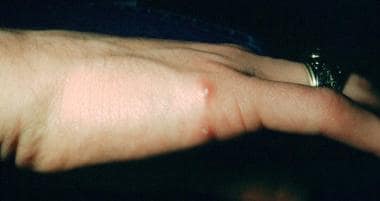
Credit: emedicine.medscape.com
Common Symptoms To Watch For
Cat Scratch Disease can cause many symptoms in people. Recognizing these signs early helps you get treatment fast.
The disease often starts after a cat scratch or bite. Watch for changes in your body near the scratch area.
Swollen Lymph Nodes
Swollen lymph nodes are a key symptom. They usually appear near the scratch or bite site.
The nodes can feel tender or painful. They may grow larger over several days.
Red Bump Or Blister
A red bump or blister can form at the scratch or bite spot. This may look like a small pimple or sore.
The bump might be itchy or sore for a few days before other symptoms start.
Fever And Fatigue
Many people with Cat Scratch Disease get a mild fever. The fever usually lasts a few days.
Fatigue or feeling very tired is common. Rest helps the body fight the infection.
Headache And Body Aches
Headaches often come with the fever. Some people also feel aches in their muscles or joints.
These symptoms can make daily tasks harder. Drinking water and resting can ease discomfort.
Skin Rash
A skin rash may appear on the body. The rash is usually light red and spreads near the scratch area.
Not everyone with Cat Scratch Disease gets a rash, but watch for it as a warning sign.
How Cats Transmit The Disease
Cat Scratch Disease is caused by bacteria that cats can carry. The bacteria live on cats without making them sick.
People can get the disease when they are scratched or bitten by a cat. It can also spread through contact with cat saliva.
Scratches From Infected Cats
Cat Scratch Disease spreads mainly through cat scratches. The bacteria live under the cat’s claws.
If a cat scratches your skin, the bacteria can enter the wound and cause infection.
Bites That Break The Skin
Cat bites can also transmit the disease. The bacteria are present in the cat’s mouth.
A bite that breaks the skin lets bacteria enter the body and cause illness.
Contact With Cat Saliva
Cat saliva can carry the bacteria that cause the disease. Touching saliva can infect you.
If saliva gets on broken skin or eyes, the bacteria can enter and cause infection.
Fleas As Disease Carriers
Fleas on cats can carry the bacteria too. Flea bites or flea dirt can infect cats.
Infected cats can then pass the bacteria to people through scratches or bites.
Safe Handling Of Cats
Handling cats carefully helps prevent cat scratch disease. This disease can spread through scratches or bites. Learning how to treat cats gently keeps both you and your pet safe.
Here are important tips on how to approach cats, avoid rough play, and use protective clothing.
Approaching Cats Gently
Always let the cat see your hand before you touch it. Move slowly and speak softly. Never grab or surprise a cat. Watch for signs that the cat is scared or angry, like hissing or flattening ears.
Avoiding Rough Play
Rough play can cause cats to scratch or bite. Use toys instead of your hands to play. Teach children not to chase or grab cats. Keep play sessions calm and short to avoid stress.
- Use wand toys for interactive play
- Avoid using your fingers as toys
- Stop play if the cat shows signs of irritation
- Provide scratching posts to redirect claws
- Never tease or corner a cat
Protective Clothing Tips
| Clothing Item | Purpose | Tips |
|---|---|---|
| Long-sleeved shirts | Protect arms from scratches | Choose thick fabric |
| Gloves | Protect hands during handling | Use leather or heavy fabric gloves |
| Closed shoes | Protect feet from scratches | Wear sturdy shoes during outdoor play |
Keeping Cats Healthy
Keeping cats healthy is very important to prevent diseases. Healthy cats are less likely to spread infections like cat scratch disease.
Taking good care of your cat helps protect both your pet and your family from illness.
Regular Vet Checkups
Regular vet visits help find health problems early. The vet can check for signs of illness and give vaccines if needed.
Doctors also offer advice on diet, exercise, and care. Schedule at least one visit a year for your cat.
Flea Control Measures
Fleas carry bacteria that can cause cat scratch disease. Controlling fleas reduces the risk of infection.
Use flea treatments recommended by your vet. Check your cat often and remove fleas quickly.
- Apply flea medication monthly
- Clean bedding and carpets regularly
- Keep outdoor areas free of flea habitats
Maintaining Clean Living Spaces
Clean homes help keep cats and humans safe from germs. Dirty areas can increase the chance of disease.
Wash your cat’s bedding often. Clean litter boxes every day to reduce bacteria and parasites.
- Vacuum floors and furniture regularly
- Disinfect feeding bowls and water dishes
- Remove trash and waste quickly

Credit: indianexpress.com
Immediate Care For Scratches And Bites
Cat scratch disease can be prevented with proper care. Quick action helps to lower infection risk.
Knowing how to clean wounds is important. Learn when to seek medical advice if needed.
Proper Wound Cleaning
Cleaning cat scratches or bites is key. It helps in preventing infections.
- Wash the area with soap and water.
- Apply an antiseptic to the wound.
- Cover with a clean bandage.
When To See A Doctor
Some wounds need a doctor’s care. Watch for signs of infection.
| Sign | Action |
| Swelling | Consult a doctor |
| Redness | Seek medical advice |
| Fever | Visit a healthcare provider |
Educating Children About Cat Safety
Cat scratch disease can be prevented by teaching children how to interact with cats safely. It’s important for kids to learn both how to be gentle and how to recognize when a cat is upset.
Educating children about cat behavior helps keep both the kids and the cats safe. Understanding these basics can prevent scratches and bites.
Teaching Gentle Interaction
Children should learn how to gently touch and play with cats. They should know the right way to hold and pet a cat without causing stress or harm.
- Teach kids to stroke a cat’s back gently.
- Show them how to avoid pulling the cat’s tail.
- Explain why they should not squeeze a cat tightly.
Recognizing Cat Warning Signs
Cats have ways to show they are not happy or want to be left alone. Recognizing these signs can prevent scratches and bites.
| Warning Sign | What It Means |
| Hissing | The cat feels threatened or scared. |
| Flattened Ears | The cat is feeling angry or defensive. |
| Swishing Tail | The cat is annoyed or agitated. |
| Back Arched | The cat is trying to look bigger to scare off a threat. |
By teaching children these simple tips, we can help them enjoy their time with cats safely.
Additional Precautions For High-risk Groups
Cat Scratch Disease can be more serious for some people. This is true for those with weak immune systems and pregnant women. They need extra care to stay safe.
Taking the right steps can lower the risk of infection. This guide shows what to do for these high-risk groups.
Immunocompromised Individuals
People with weak immune systems should avoid cat scratches and bites. They must also keep cats clean and healthy.
- Do not allow cats to lick open wounds or broken skin.
- Wear gloves when handling cats or cleaning litter boxes.
- Keep cats indoors to reduce flea exposure.
- Wash hands thoroughly after touching cats.
- Seek medical advice promptly if scratched or bitten.
Pregnant Women
Pregnant women should be careful to prevent infection. Cat Scratch Disease can harm both mother and baby.
| Precaution | Reason |
| Avoid rough play with cats | Prevents scratches and bites |
| Do not clean cat litter | Reduces contact with cat feces |
| Wash hands after touching cats | Removes bacteria from skin |
| Keep cats indoors | Limits flea exposure |
| Inform doctor if scratched | Early treatment can prevent complications |

Credit: www.goodrx.com
Frequently Asked Questions
What Causes Cat Scratch Disease?
Cat Scratch Disease is caused by the bacterium Bartonella henselae. It spreads mainly through cat scratches or bites. Kittens are more likely to carry this bacteria. The infection usually affects humans who have close contact with cats.
How Can I Prevent Cat Scratch Disease?
To prevent Cat Scratch Disease, avoid rough play with cats. Wash cat scratches or bites immediately with soap and water. Keep cats’ claws trimmed and discourage scratching. Consult a vet to keep your cat flea-free, as fleas transmit the bacteria.
What Are The Symptoms Of Cat Scratch Disease?
Symptoms include swollen lymph nodes near the scratch, fever, fatigue, and headache. The scratch area may develop a blister or sore. Symptoms usually appear within 1-2 weeks after contact with an infected cat. Most cases resolve without serious complications.
When Should I See A Doctor For Cat Scratch Disease?
See a doctor if you have swollen lymph nodes, fever, or prolonged symptoms after a cat scratch. Early treatment with antibiotics can prevent complications. Seek medical advice if your immune system is weak or symptoms worsen.
Conclusion
Preventing cat scratch disease is simple with the right steps. Keep your cat’s claws trimmed and clean. Avoid rough play that can cause scratches. Wash any scratches or bites quickly with soap and water. Teach children how to handle cats gently.
Regular vet visits help keep your cat healthy. These small actions reduce the risk of infection. Stay safe while enjoying time with your pet. A little care goes a long way in protection. Your health and your cat’s well-being both benefit.
Stay aware, stay safe, and enjoy your cat’s company.

Lily Purrington is the founder of MyKittyPicks.com, a cozy corner of the web dedicated to helping cat lovers discover the best cat products, furniture, toys, and home decor ideas.
A lifelong cat enthusiast, Lily shares trusted tips, honest product recommendations, and stylish inspiration designed to keep kitties happy and homes beautiful.
Her mission is simple: to bring together practical advice and purr-fect picks that make life better for cats and the people who love them.


