

Do you want to spoil your cat with delicious, healthy treats made right at home? Making your own cat treats is easier than you think, and it gives you full control over the ingredients.
Imagine seeing your furry friend’s eyes light up when you offer a tasty snack made just for them. You’ll discover simple steps and tips to create treats your cat will love. Ready to become your cat’s favorite chef? Let’s get started!
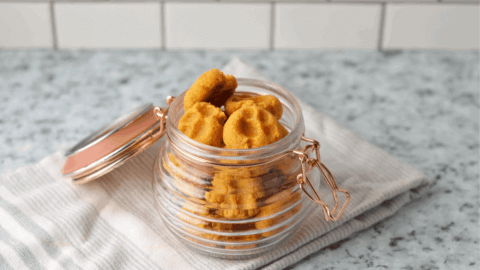
Credit: wellnessmama.com
Benefits Of Homemade Cat Treats
Homemade cat treats offer many benefits for both cats and their owners. Making treats at home allows you to control what goes into them. This control leads to healthier snacks for your feline friend. It also saves money and lets you tailor treats to your cat’s tastes. These benefits make homemade treats a smart choice for pet care.
Healthier Ingredients
Homemade treats use fresh, natural ingredients. You avoid artificial colors, preservatives, and fillers. These can cause allergies or stomach problems in cats. Using real meat, fish, or vegetables keeps treats nutritious. Cats get more vitamins and minerals from homemade snacks. You know exactly what your cat is eating. It promotes better health and digestion.
Cost Savings
Store-bought cat treats can be expensive. Homemade treats cost less to make. Ingredients like chicken, tuna, or pumpkin are affordable. Making treats in batches reduces waste and expense. You can use leftovers or simple pantry items. This helps you save money while still pampering your pet. It is a budget-friendly way to show love.
Customization For Preferences
Cats have unique tastes and dietary needs. Homemade treats can be customized for each cat. You can choose flavors your cat loves. You can avoid ingredients that cause allergies or sensitivities. Adjust texture from soft to crunchy based on preference. You control portion size to avoid overfeeding. Custom treats keep your cat happy and healthy.

Credit: wellnessmama.com
Essential Ingredients For Cat Treats
Choosing the right ingredients is key to making cat treats that your feline friend will love and benefit from. Each ingredient plays a vital role in taste, texture, and nutrition. Understanding what to add helps you create treats that are safe, healthy, and irresistibly delicious for your cat.
Protein Sources
Cats are obligate carnivores, meaning protein is essential in their diet. Use high-quality protein like cooked chicken, turkey, or fish. These provide amino acids that support muscle health and energy.
Sometimes, I add small amounts of canned tuna or salmon for variety. Just be careful with bones and avoid raw fish to prevent health issues. If you want a budget-friendly option, cooked eggs also work well as a protein source.
Cat-safe Vegetables
Vegetables aren’t a must, but they add fiber and nutrients to your treats. Good choices include steamed carrots, pumpkin, or peas. These veggies support digestion and add a mild sweetness cats often enjoy.
Have you ever noticed your cat sniffing a carrot? Some cats surprisingly like the crunch and taste. Avoid onions, garlic, and other toxic vegetables—always double-check before adding something new.
Binders And Flavor Enhancers
Binders hold the treat together and improve texture. Common options are oat flour, cooked rice, or a small amount of plain yogurt. These ingredients make treats easier to chew and less crumbly.
To make treats more tempting, add a bit of chicken broth or a pinch of catnip. These natural flavor boosters can turn a simple treat into a crave-worthy snack. What flavor does your cat respond to best?
Basic Equipment Needed
Making cat treats at home is simple, but having the right basic equipment makes the process smoother and more enjoyable. You don’t need fancy gadgets—just a few essential tools that help you mix, bake, and store the treats safely. Let’s look at what you really need on your kitchen counter before you start.
Mixing Tools
A sturdy mixing bowl is your first must-have. It should be big enough to handle all your ingredients without spills. I prefer stainless steel bowls—they’re easy to clean and don’t hold onto odors.
Along with the bowl, get a good spatula or wooden spoon for stirring. These tools help you combine ingredients evenly without overworking the dough. Have you noticed how a simple spatula can make mixing less of a chore?
Baking Essentials
Next up is your baking setup. A reliable baking sheet or tray is key, preferably non-stick or lined with parchment paper to keep treats from sticking. I learned this the hard way after my first batch ended up broken on the tray!
Don’t forget a simple oven thermometer if your oven doesn’t have a precise setting. Cats’ treats bake best at steady temperatures, so this small tool ensures you don’t overbake or underbake.
Storage Containers
Once your treats are ready, you need the right containers to keep them fresh. Airtight containers prevent moisture and odors from ruining your hard work. Glass jars with sealing lids or BPA-free plastic containers work well.
Think about the size—small containers are great if you bake often in small batches. Have you ever opened a container only to find the treats soggy? Proper storage stops that from happening.
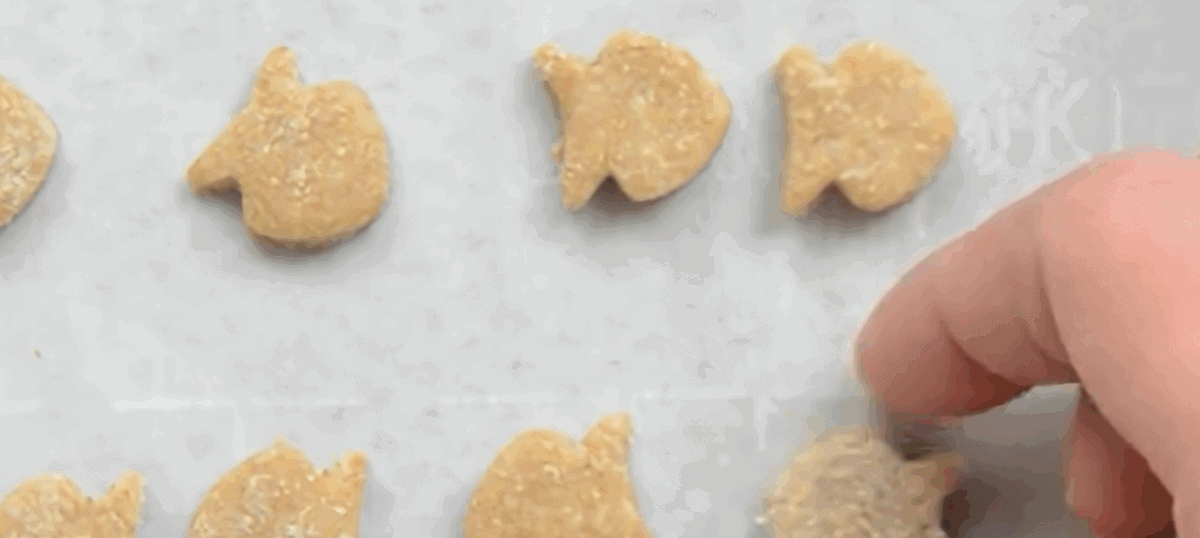
Credit: www.thecookierookie.com
Simple No-bake Cat Treats
Simple no-bake cat treats are a fantastic way to spoil your furry friend without spending too much time in the kitchen. These treats require minimal ingredients and no oven, making them perfect for quick preparation. Plus, you control exactly what goes into them, ensuring your cat enjoys only healthy, safe snacks.
Tuna And Oat Bites
Tuna and oats make a perfect combo for cats who love fish and need some fiber. These bites are easy to shape and hold together well without baking.
- Ingredients:1 can of tuna in water (drained), 1 cup of oat flour, 1 tablespoon of plain yogurt
- Instructions:Mix tuna and yogurt until smooth. Gradually add oat flour until you get a dough-like consistency.
- Roll small balls and flatten them slightly. Place them on a tray lined with parchment paper.
- Chill in the refrigerator for at least an hour so they firm up before serving.
Have you noticed how your cat reacts to the smell of tuna? These treats often get an enthusiastic response, making training sessions more rewarding.
Chicken And Catnip Snacks
Combining chicken with catnip creates a treat that appeals to your cat’s taste buds and playful instincts. You only need a few ingredients and no cooking.
- Ingredients:1/2 cup cooked shredded chicken, 1 tablespoon dried catnip, 1/4 cup cream cheese
- Instructions:Mix all ingredients until well blended. If the mixture is too soft, add a little oat flour to firm it up.
- Shape into small bite-sized pieces and refrigerate for 30 minutes before serving.
Does your cat go wild for catnip toys? These treats tap into that same excitement but add a nutritious punch. You’re not just treating your cat—you’re engaging their senses and encouraging healthy play.
Easy Baked Cat Treat Recipes
Baking cat treats at home is simple and fun. It lets you control ingredients and avoid fillers. Cats love fresh, homemade snacks that taste natural. These easy baked cat treat recipes use common ingredients. They are quick to prepare and healthy for your pet.
Salmon And Sweet Potato Bites
Salmon and sweet potato make a tasty and nutritious snack. Salmon provides omega-3, which supports skin and coat health. Sweet potato adds fiber and vitamins for good digestion.
- Preheat oven to 350°F (175°C).
- Mix 1 cup cooked sweet potato, mashed.
- Add ½ cup canned salmon, drained and flaked.
- Stir in 1 egg and ½ cup oat flour.
- Shape mixture into small bite-sized balls.
- Place bites on a baking sheet lined with parchment paper.
- Bake for 15-20 minutes or until firm.
- Cool completely before serving.
Cheese And Egg Treats
Cheese and egg treats are rich in protein and easy to make. They have a mild flavor cats enjoy.
- Preheat oven to 325°F (165°C).
- Beat 1 egg in a bowl.
- Mix in ½ cup shredded cheese (cheddar or mozzarella).
- Add ½ cup whole wheat flour or oat flour.
- Stir until a dough forms.
- Roll dough and cut into small shapes.
- Place on a baking tray lined with parchment paper.
- Bake for 12-15 minutes until golden.
- Let treats cool before giving to your cat.
Tips For Safe Treat Making
Making treats for your cat at home can be fun and rewarding. Safety is the top priority during this process. Simple tips help keep your furry friend healthy and happy. Careful choices in ingredients, portion sizes, and storage ensure treats stay fresh and safe.
Avoiding Harmful Ingredients
Some foods are toxic to cats. Never use onions, garlic, chocolate, or grapes. Avoid artificial sweeteners like xylitol. Stay away from excessive salt and sugar. Choose natural, cat-safe ingredients like cooked chicken or fish. Read labels carefully on any added products.
Portion Control
Homemade treats should be small and given in moderation. Cats have tiny stomachs and need balanced meals. Treats are extras, not meal replacements. Keep treats under 10% of daily calories. Use small pieces to prevent overeating and weight gain.
Storage And Shelf Life
Store treats in airtight containers to keep freshness. Refrigerate homemade treats to slow spoilage. Most homemade treats last about one week in the fridge. Freeze treats for longer storage but thaw before giving. Always check for signs of mold or bad smell before feeding.
Introducing Treats To Your Cat
Introducing treats to your cat is a special moment. It can build trust and strengthen your bond. Cats may be curious or cautious about new foods. Start slow and watch how your cat reacts. This helps keep treat time safe and enjoyable.
Monitoring Reactions
Observe your cat closely after giving treats. Look for signs like eagerness or hesitation. Watch for any stomach upset or allergic reactions. Note changes in behavior or energy levels. This helps ensure the treat suits your cat well.
Adjusting Recipes
Change treat ingredients based on your cat’s response. Use simple, natural items that your cat likes. Avoid spices, sugar, or harmful foods. Make small batches to test new flavors. Adjust texture for easier chewing or digestion.
Rewarding Good Behavior
Use treats to encourage positive actions. Reward calmness, using the litter box, or playing gently. Keep treats small and given at the right moment. This builds good habits and makes training fun. Your cat learns to connect treats with good behavior.
Frequently Asked Questions
How Do You Make Homemade Cat Treats Safely?
Use cat-safe ingredients like tuna, chicken, and oat flour. Avoid toxic foods like onions, garlic, and chocolate. Bake or dehydrate treats at low temperatures to retain nutrients. Always check with your vet before introducing new treats.
What Are Easy Ingredients For Diy Cat Treats?
Common ingredients include canned tuna, cooked chicken, oat flour, and catnip. These are safe, nutritious, and appealing to most cats. Avoid artificial additives or seasonings. Homemade treats can be healthy and simple with minimal ingredients.
How Long Do Homemade Cat Treats Last?
Store treats in an airtight container for up to two weeks. Refrigerate to extend freshness. For longer storage, freeze treats and thaw before serving. Proper storage ensures treats remain tasty and safe for your cat.
Can I Use Human Food To Make Cat Treats?
Yes, but only cat-safe foods like cooked meat and certain veggies. Avoid toxic foods such as onions, garlic, grapes, and chocolate. Always prepare treats without salt, sugar, or spices. Consult your vet for safe options.
Conclusion
Making cat treats at home is simple and fun. You control the ingredients and keep your cat safe. Homemade treats can be healthy and tasty. Try different recipes to find what your cat loves. Fresh treats show your pet you care.
Enjoy the process and share the joy with your furry friend. Making treats yourself saves money and builds trust. Give it a try—you and your cat will both benefit.

Lily Purrington is the founder of MyKittyPicks.com, a cozy corner of the web dedicated to helping cat lovers discover the best cat products, furniture, toys, and home decor ideas.
A lifelong cat enthusiast, Lily shares trusted tips, honest product recommendations, and stylish inspiration designed to keep kitties happy and homes beautiful.
Her mission is simple: to bring together practical advice and purr-fect picks that make life better for cats and the people who love them.


