

Have you ever wondered what makes cats so unique and captivating? Whether you’re a lifelong cat lover or just curious about these mysterious creatures, understanding their key traits can deepen your connection with them.
You’ll discover the 7 characteristics of cats that set them apart from other pets. Knowing these traits will help you appreciate your feline friend even more and make your time together truly special. Keep reading to unlock the secrets behind your cat’s fascinating behavior!
Physical Agility
Physical agility is one of the most striking traits of cats. It allows them to move with grace and speed. Their bodies are built to jump, climb, and twist with ease. This agility helps cats hunt and escape dangers quickly. Understanding this trait shows why cats are such skilled creatures.
Exceptional Balance
Cats have an amazing sense of balance. Their tails act like a tightrope walker’s pole. This helps them stay steady on narrow surfaces. Cats can walk along fences and ledges without falling. Their inner ear helps control this balance too. It sends signals to the brain about body position. This skill lets cats land on their feet after a fall.
Sharp Reflexes
Cats react very fast to any movement. Their sharp reflexes help them catch prey or dodge attacks. They can jump or run in a split second. Even the smallest sound can make a cat alert. These quick responses come from their strong nerves and muscles. Sharp reflexes keep cats safe and effective hunters.

Credit: weareallaboutcats.com
Independent Nature
Cats often prefer to do things on their own, showing a strong sense of independence. They enjoy exploring and making decisions without much help. This trait is one of the key characteristics that make cats unique pets.
Cats are known for their independent nature. This trait is one of their most defining characteristics. Unlike dogs, cats often prefer solitude. They are content to spend time alone. This makes them perfect for busy individuals. Their independence doesn’t mean they don’t enjoy human company. They just need it on their terms.Self-sufficiency
Cats are self-sufficient creatures. They groom themselves meticulously. This reduces the need for frequent baths. They can entertain themselves for hours. A simple toy or a sunny spot suffices. Cats adapt well to being left alone. They don’t require constant attention or supervision. Their ability to manage without human help is impressive.Selective Affection
Cats show affection selectively. They choose when to interact. This makes their affection feel special. Cats bond closely with their human companions. They express love through subtle gestures. A gentle nuzzle or purr signifies trust. Unlike dogs, they won’t always seek attention. This selective nature adds to their charm.Curiosity
Curiosity is one of the most captivating traits of cats. It drives their behavior and shapes how they interact with the world around them. This natural inquisitiveness helps cats learn, adapt, and stay mentally sharp.
Exploring Habits
Cats have a strong urge to investigate their surroundings. They often inspect new objects, corners, and even sounds with intense focus. Watching a cat gently paw at a strange item or peek into a bag shows how curiosity motivates their actions.
Your cat’s exploring habits can tell you a lot about its personality. Some cats prefer slow and cautious exploration, while others dive right into new experiences. Encouraging safe exploration can keep your cat entertained and mentally stimulated.
Problem-solving Skills
Curiosity fuels a cat’s ability to solve problems. When faced with puzzles like closed doors or hidden toys, cats rely on their inquisitive nature to figure out solutions. This is why interactive toys that challenge their minds are so effective.
You might have noticed your cat trying to open cabinets or unlock doors. This persistence is a clear sign of their problem-solving skills in action. Providing opportunities for mental challenges can improve your cat’s well-being and reduce boredom.
Communication Styles
Cats have unique ways of sharing their feelings and thoughts. Their communication styles help them express comfort, fear, or curiosity. Understanding these signals improves your bond and keeps your cat happy.
Vocalizations
Cats use different sounds to talk. Meowing is common and often means they want attention or food. Purring usually shows contentment but can also mean they feel safe. Hissing or growling signals fear or anger. Chirps and trills often express excitement or greeting.
- Meow: Asking or seeking attention
- Purr: Comfort and happiness
- Hiss/Growl: Warning or discomfort
- Chirp/Trill: Friendly greeting
Body Language
Cats use their bodies to communicate clearly. Tail position shows mood: a raised tail means happiness, while a puffed-up tail means fear. Eyes also tell stories—slow blinking means trust. Ears facing forward indicate curiosity, while flattened ears show stress. Body posture can reveal if a cat feels safe or threatened.
- Raised tail: Friendly and confident
- Puffed tail: Scared or startled
- Slow blink: Trust and calmness
- Flattened ears: Fear or anger
- Relaxed body: Comfort and ease
Hunting Instinct
The hunting instinct is one of the most fascinating traits of cats. It drives their behavior from a very young age and shapes how they interact with their environment. Understanding this instinct can help you appreciate your cat’s actions and even improve your bond.
Stalking Techniques
Cats are natural stalkers. They approach their target with slow, deliberate movements, keeping their bodies low to the ground. This silent approach helps them get as close as possible without being noticed.
Have you ever watched your cat freeze mid-step, eyes locked on a toy or insect? That’s their hunting instinct kicking in, fine-tuning their focus and patience. They use their whiskers and keen sense of hearing to detect the slightest movement or sound.
Try observing your cat during playtime. Notice how they pause, adjust their position, and then pounce. These stalking techniques are not just for catching prey; they’re a way for cats to stay sharp and engaged.
Play As Practice
Playtime is more than just fun for cats—it’s practice for hunting. When your cat chases a feather wand or bats a ball, they’re honing skills that come from their wild ancestors. This play keeps their reflexes fast and their minds active.
If your cat seems obsessed with certain toys, it’s because those toys mimic prey movements. Quick, unpredictable motions trigger their instinct to chase and capture. Providing a variety of toys can keep your cat mentally and physically fit.
Have you noticed how some cats prefer solo play while others enjoy interactive games with you? Both styles help fulfill their hunting instinct but in different ways. Engaging with your cat during play strengthens your relationship and keeps their natural drives satisfied.
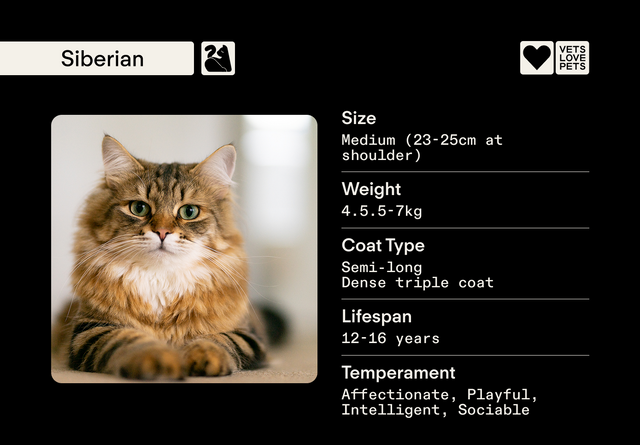
Credit: vetslovepets.com.au
Territorial Behavior
Cats have a strong sense of territory. They see their space as their safe zone. Territorial behavior helps cats feel secure and in control. This behavior is natural and important for their well-being. It shapes how cats interact with their surroundings and other animals.
Marking Territory
Cats mark their territory to show ownership. They use scent glands on their face, paws, and tail. Rubbing against furniture or walls leaves their scent. Scratching surfaces also marks territory visually and with scent. These marks tell other cats to stay away. It creates a clear boundary around their space.
Territory Defense
Cats protect their territory from intruders. They may hiss, growl, or stare down threats. Sometimes, they use physical actions like chasing or swatting. This defense helps avoid conflicts and keeps their area safe. Cats can be very alert and quick to react. Their defense keeps their environment calm and stable.
Social Bonds
Social bonds play a key role in a cat’s life. Cats are often seen as independent animals, but they form strong connections. These bonds help them feel safe and loved. Understanding how cats bond socially reveals much about their behavior and needs.
Bonding With Humans
Cats show affection to their owners in many ways. They may purr, knead, or follow you around the house. Eye contact and slow blinking are signs of trust. Some cats enjoy sitting on laps or sleeping close by. These actions build a strong human-cat relationship.
Regular playtime and gentle petting strengthen the bond. Cats remember kindness and respond with loyalty. Each cat has its own way to express love.
Relationships With Other Pets
Cats can live peacefully with other animals. They often form friendships with dogs or other cats in the home. Proper introductions help avoid stress and fights. Cats use body language to communicate with pets.
They may groom each other or sleep nearby. These behaviors show acceptance and friendship. Social bonds with other pets improve a cat’s happiness and well-being.

Credit: www.four-paws.org.au
Frequently Asked Questions
What Are The Main Physical Traits Of Cats?
Cats typically have sharp retractable claws, keen eyesight, flexible bodies, and soft fur. These traits aid in hunting and agility.
How Do Cats Communicate Their Emotions?
Cats use body language, purring, meowing, and tail movements to express feelings like happiness, fear, or aggression.
Why Are Cats Known For Their Independence?
Cats are naturally solitary hunters. They often prefer alone time but can bond closely with humans and other pets.
What Unique Behavioral Traits Do Cats Have?
Cats are curious, territorial, and nocturnal. They enjoy exploring, marking territory, and being most active during dawn and dusk.
Conclusion
Cats are unique animals with many special traits. They are curious, playful, and independent. Their sharp senses help them explore the world. Cats also show affection in quiet ways. Understanding these seven traits helps you appreciate cats more. Each cat has its own personality and charm.
Remember, knowing these traits makes living with cats easier and more fun. Cats bring joy and comfort to many homes. Their natural behaviors make them great companions. Enjoy learning about these fascinating creatures every day.

Lily Purrington is the founder of MyKittyPicks.com, a cozy corner of the web dedicated to helping cat lovers discover the best cat products, furniture, toys, and home decor ideas.
A lifelong cat enthusiast, Lily shares trusted tips, honest product recommendations, and stylish inspiration designed to keep kitties happy and homes beautiful.
Her mission is simple: to bring together practical advice and purr-fect picks that make life better for cats and the people who love them.


