
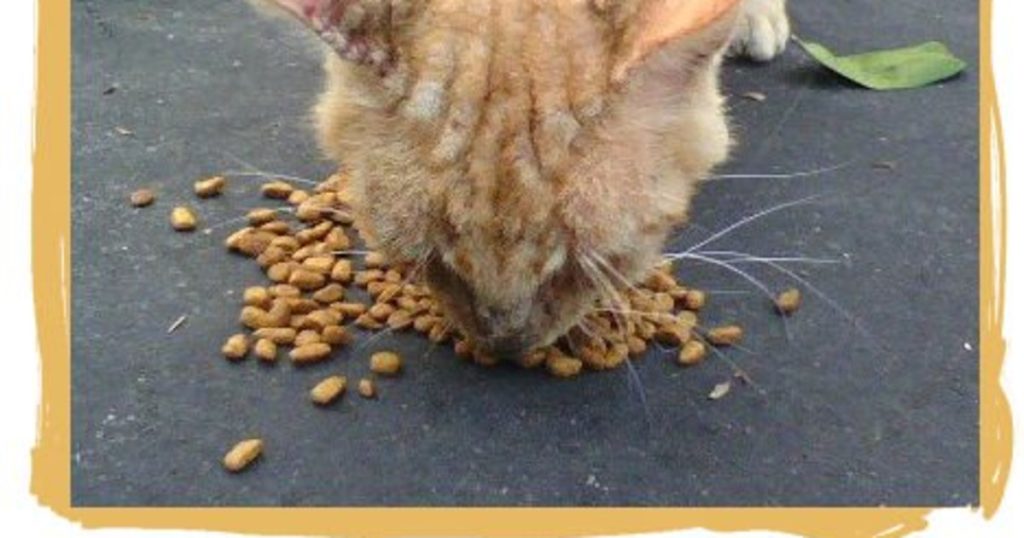
If your cat is scratching more than usual or has patches of missing fur, you might be dealing with mange. This skin condition can make your furry friend uncomfortable and restless.
But don’t worry—you can take steps to help your cat feel better fast. You’ll discover simple, effective ways to treat mange and protect your cat’s health. Keep reading to learn exactly what you need to do to bring relief to your beloved pet.
Identifying Mange In Cats
Identifying mange in cats is crucial for early treatment and relief. Mange is a skin condition caused by tiny mites. These mites irritate the skin and cause discomfort. Knowing the signs helps you act fast and protect your cat’s health. The symptoms and types of mange can vary. Recognizing these differences guides proper care and treatment.
Common Symptoms
- Hair loss in patches, especially around the face and ears
- Red, inflamed, or scaly skin
- Intense itching and scratching
- Crusty or scabby skin areas
- Restlessness or irritability due to discomfort
- Odor from infected or damaged skin
- Thickened skin in severe cases
Types Of Mange
| Type | Cause | Symptoms |
|---|---|---|
| Sarcoptic Mange | Sarcoptes scabiei mite | Severe itching, hair loss, red skin |
| Notoedric Mange | Notoedres cati mite | Scaly skin, crusts, itching, mostly on ears and head |
| Demodectic Mange | Demodex mite | Hair loss, mild itching, usually in immune-compromised cats |

Credit: www.amazon.com
Veterinary Diagnosis
Veterinary diagnosis plays a key role in treating mange in cats. A professional diagnosis ensures the correct treatment plan. Mange symptoms can look like other skin problems. Only a vet can confirm mange through proper tests and examination.
Importance Of Professional Evaluation
A vet examines your cat carefully. They check the skin for signs of mites and irritation. Early diagnosis prevents the condition from worsening. Self-diagnosis may lead to wrong treatment and harm your cat. Vets also assess the cat’s overall health. This helps to choose safe and effective treatment options.
Diagnostic Tests
Several tests confirm mange presence. The vet usually starts with a skin scraping. This involves gently scraping the skin to collect mites or eggs. The sample is viewed under a microscope. Sometimes, hair plucks or skin biopsies are needed. Blood tests may check for infections or immune issues. These tests identify the specific mite type causing mange. Correct identification guides the best treatment choice.
Topical Treatments
Topical treatments play a key role in managing mange in cats. These treatments work directly on the skin to kill mites and soothe irritation. They help remove scabs, reduce itching, and promote healing. Consistent use is essential for best results.
Medicated Shampoos
Medicated shampoos contain ingredients that kill mange mites and clean the skin. Bathing your cat with these shampoos helps remove dirt and dead skin. They also reduce inflammation and stop mites from spreading. Use the shampoo as directed by the vet, usually once or twice a week. Be gentle while washing, avoiding the cat’s eyes and ears.
Prescription Ointments
Prescription ointments target mange mites and help heal affected areas. These ointments often include acaricides that kill mites quickly. Apply the ointment to clean, dry skin, following the vet’s instructions. Avoid letting your cat lick the ointment to ensure effectiveness. These treatments usually need daily application until the skin clears up.
Oral Medications
Oral medications play a crucial role in treating mange in cats. They work from the inside out, targeting the parasites causing the skin condition. This approach can be especially useful for severe infestations or when topical treatments alone are not enough.
Antiparasitic Drugs
Several antiparasitic drugs are available to treat mange in cats. Common ones include ivermectin, milbemycin oxime, and selamectin. Each drug works by disrupting the nervous system of the mites, leading to their elimination.
Choosing the right medication depends on the type of mange, the severity of the infection, and your cat’s overall health. Your vet will recommend the best option after a thorough examination. Have you ever wondered why some treatments take longer to show results? It often relates to how these drugs target different stages of the mites’ life cycle.
Dosage And Administration
Accurate dosage is key to effectively treating mange without causing harm. Veterinarians calculate doses based on your cat’s weight and specific health needs. Never guess the amount—too little may not clear the infection, and too much can be dangerous.
Oral medications are usually given once daily or as prescribed for a set number of days. You might find it easier to mix the medicine with a small amount of food or use a pill pocket. Have you noticed how some cats refuse pills? Patience and gentle handling often make a big difference.
Home Remedies
Home remedies can be a gentle way to support your cat’s recovery from mange. They often involve natural ingredients you might already have at home. While these remedies may ease symptoms, it’s important to stay cautious and know when to seek professional care.
Natural Ingredients
Several natural ingredients can help soothe your cat’s irritated skin and reduce mites. Aloe vera gel, for example, is calming and can relieve itching. You can apply a thin layer directly to the affected areas, but be sure your cat doesn’t lick it off immediately.
Another option is coconut oil, known for its antibacterial and antifungal properties. Gently rubbing a small amount into your cat’s fur might create an environment less friendly to mites. Some pet owners have found success using diluted apple cider vinegar as a rinse, but it must be carefully diluted to avoid burning sensitive skin.
These ingredients are easy to find and budget-friendly. Have you noticed how your cat reacts to these natural treatments? Observing their response can guide you in choosing what works best.
Precautions And Limitations
Not all home remedies are safe or effective for every cat. Some ingredients can cause allergic reactions or worsen the condition if used incorrectly. Always do a patch test on a small skin area before applying anything broadly.
Remember, mange can be a serious condition that sometimes requires prescription medication. Home remedies should not replace veterinary advice, especially if your cat’s symptoms worsen or don’t improve within a week. Are you prepared to act quickly if home care isn’t enough?
Keep in mind that cleanliness is crucial during treatment. Regularly wash your cat’s bedding and vacuum your home to reduce mite spread. Combining home remedies with good hygiene practices gives your cat a better chance to heal comfortably.

Credit: www.amazon.com
Environmental Management
Managing the environment around your cat is crucial when treating mange. The mites causing mange can live outside your pet, lurking in bedding, carpets, and furniture. Without tackling these hidden sources, your cat might keep getting reinfected, making treatment less effective.
Cleaning And Disinfecting
Start by washing all your cat’s bedding, blankets, and soft toys in hot water. Heat helps kill the mites and their eggs, preventing them from spreading back to your cat.
Vacuum carpets, rugs, and upholstery thoroughly. This removes loose fur, skin flakes, and mites hiding in fibers. Remember to dispose of the vacuum bag or clean the canister immediately to avoid recontamination.
Use pet-safe disinfectants on hard surfaces like floors and furniture. Some sprays specifically target parasites, so check labels carefully. Avoid harsh chemicals that could irritate your cat’s skin or respiratory system.
Preventing Reinfestation
Have you considered how easily mites can travel on other pets or even your clothes? Keep your cat isolated from other animals until treatment is complete. This reduces the chance of passing mites back and forth.
Maintain a regular cleaning schedule during and after treatment. Mange mites can survive for weeks in the environment, so repeated cleaning is necessary. Don’t forget less obvious spots like under furniture and inside pet carriers.
Check with your vet about environmental sprays or powders that can help. Some treatments target the mites in your home without harming your cat. Using these alongside direct treatment speeds up recovery and keeps your home mite-free.
Preventive Measures
Preventing mange in your cat is easier than treating it after an outbreak. Taking proactive steps helps keep your feline friend healthy and itch-free. Focus on simple habits that support their skin and immune system.
Regular Check-ups
Schedule routine vet visits to catch any early signs of mange. Your vet can spot subtle symptoms before they become serious. Don’t wait for your cat to scratch excessively or lose patches of fur—early detection saves a lot of discomfort.
During check-ups, ask about skin health and parasite prevention. Your vet might recommend topical treatments or supplements tailored to your cat’s needs. How often do you examine your cat’s skin at home? Make it a weekly habit to look for unusual redness or flaking.
Nutritional Support
A strong immune system helps your cat fight off mange mites naturally. Feed a balanced diet rich in omega-3 and omega-6 fatty acids to support skin health. Foods like salmon, flaxseed oil, or specially formulated cat foods can make a big difference.
Consider adding supplements like vitamin E or zinc, but always check with your vet first. A healthy diet isn’t just about preventing mange—it improves your cat’s overall well-being. Have you noticed how diet changes affect your cat’s coat shine and energy?

Credit: www.amazon.com
When To Seek Professional Help
Knowing when to seek professional help for mange in cats is crucial. Mange can worsen quickly without proper care. Early treatment by a vet can prevent serious health issues. Some signs and symptoms need immediate attention from an expert. Recognizing these signs helps protect your cat’s health and comfort.
Signs Of Severe Infestation
- Widespread hair loss covering large areas
- Intense itching and constant scratching
- Open sores or scabs on the skin
- Swelling or redness around the affected spots
- Foul odor coming from the skin
- Visible mites or crusty debris on the fur
These signs show the mange is advanced. A vet can confirm the diagnosis and suggest the best treatment.
Complications And Risks
- Secondary bacterial infections from scratching
- Spread of mites to other pets or humans
- Skin thickening and permanent damage
- Loss of appetite and weakness due to discomfort
- Risk of systemic illness in severe cases
Ignoring mange can lead to these risks. Professional care reduces complications and speeds recovery.
Frequently Asked Questions
What Are The Common Symptoms Of Mange In Cats?
Mange in cats causes itching, hair loss, redness, and scabs. Cats may also show restlessness and skin inflammation. Early detection helps effective treatment and prevents spread to other pets.
How Do Vets Diagnose Mange In Cats?
Veterinarians diagnose mange by skin scrapings and microscopic examination. They identify mites causing the infestation. Sometimes, additional tests like skin biopsies are needed for confirmation.
What Treatments Effectively Cure Mange In Cats?
Effective treatments include medicated shampoos, topical ointments, and oral medications. Veterinarians recommend specific anti-parasitic drugs to eliminate mites. Treatment duration varies, but follow-up care is essential for full recovery.
Can Mange Spread From Cats To Humans?
Yes, some types of mange mites can spread to humans. However, human infection is usually mild and temporary. Proper hygiene and quick treatment reduce transmission risk.
Conclusion
Treating mange in cats needs quick action and care. Clean your cat’s bedding and living space well. Use vet-approved medicine exactly as directed. Watch your cat’s skin and behavior every day. Keep your cat comfortable and stress-free. Mange can clear up with proper treatment.
Don’t delay visiting the vet for help. A healthy cat is a happy cat. Stay patient and consistent to see good results. Mange is tough but beatable with care.

Lily Purrington is the founder of MyKittyPicks.com, a cozy corner of the web dedicated to helping cat lovers discover the best cat products, furniture, toys, and home decor ideas.
A lifelong cat enthusiast, Lily shares trusted tips, honest product recommendations, and stylish inspiration designed to keep kitties happy and homes beautiful.
Her mission is simple: to bring together practical advice and purr-fect picks that make life better for cats and the people who love them.


