
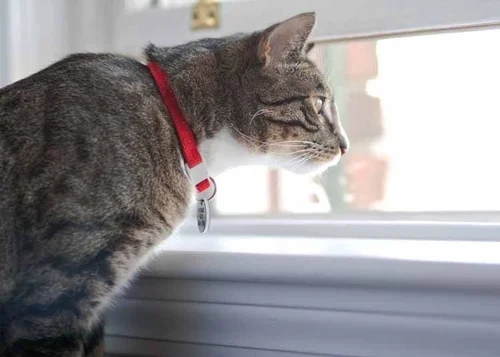
Have you ever wondered if your feline friend should wear a collar? It’s a question many cat owners grapple with.
On one hand, collars can offer safety and identification. On the other, there are concerns about comfort and potential risks. As a cat lover, you want the best for your pet. You’re looking for ways to ensure their safety while keeping them happy and healthy.
We’ll explore the benefits and drawbacks of collars for cats. By the end, you’ll have a clearer understanding of what’s best for your furry companion. Ready to dive in and discover the truth about cat collars? Keep reading to find out more!
Credit: www.smithsonianmag.com
Benefits Of Cat Collars
Cat collars offer more than just a stylish accessory for your feline friend. They bring real benefits that can make a big difference in your cat’s safety and your peace of mind. From helping lost pets find their way home to providing critical information in emergencies, collars serve practical and essential purposes.
Identification And Lost Pet Recovery
One of the biggest advantages of a cat collar is clear identification. If your cat slips outside and gets lost, a collar with an ID tag can be a lifesaver. It instantly shows that your cat belongs to someone and provides a way for strangers or animal shelters to contact you.
I once found a stray cat wandering near my neighborhood. Because it wore a collar with the owner’s phone number, I called them immediately. The cat was safely returned home within hours, avoiding a stressful and uncertain situation.
Safety Features And Visibility
Collars can also improve your cat’s safety by making them more visible. Reflective or brightly colored collars are especially useful for outdoor cats, helping drivers and pedestrians spot them easily, especially at night.
Many collars now come with breakaway features that prevent choking if the collar gets caught on something. This thoughtful design balances safety with protection, so you don’t have to worry about your cat getting stuck or injured.
Medical And Contact Information
Including medical details on your cat’s collar can be a crucial lifesaver. If your cat has allergies, requires medication, or has a chronic condition, displaying this info can guide someone who finds your pet on how to care for them properly.
Adding your contact information alongside medical notes ensures quick action in emergencies. Imagine your cat needing urgent help but no one knows who to call — a collar with this info closes that gap immediately.

Credit: www.familyhandyman.com
Risks Of Wearing Collars
While collars can help identify your cat and add a touch of personality, they also come with risks that you should carefully consider. Not every cat reacts well to wearing a collar, and some may face serious dangers. Understanding these risks helps you decide if a collar is truly right for your furry friend.
Potential For Injury
Collars can sometimes cause injuries if they get caught on objects like branches, fences, or furniture. Cats are curious and agile, but a stuck collar can lead to panic and even physical harm.
One cat owner shared how their pet almost strangled on a loose collar snagged on a garden trellis. This highlights the importance of choosing breakaway collars designed to release under pressure.
Choking Hazards
Traditional collars without safety features can pose choking risks. If your cat pulls too hard or the collar is too tight, it can restrict breathing or cause injury to the neck.
Always check the fit of the collar—two fingers should fit comfortably between the collar and your cat’s neck. Consider collars with quick-release mechanisms to prevent choking incidents.
Discomfort And Stress
Some cats feel uncomfortable wearing collars and may show signs of stress, such as excessive scratching or trying to remove the collar. This discomfort can affect their behavior and well-being.
Ask yourself: is the collar more stressful for your cat than the benefits it provides? If your cat resists wearing it consistently, alternatives like microchipping might be a better solution.
Choosing The Right Collar
Choosing the right collar for your cat is important for comfort and safety. The collar must fit well and suit your cat’s lifestyle. Consider the material, safety features, and any extra functions the collar offers. A good collar helps keep your cat safe without causing stress or harm.
Material And Fit
Soft, lightweight materials are best for cat collars. Nylon and leather are common choices. The collar should not be too tight or too loose. You should fit two fingers between the collar and your cat’s neck. Avoid collars that can irritate or choke your cat.
Breakaway And Safety Collars
Breakaway collars release if the collar gets caught on something. This feature helps prevent choking or injury. Safety collars reduce risks when cats explore outdoors. Always choose collars with quick-release clasps for your cat’s protection.
Reflective And Gps Options
Reflective collars improve visibility at night. They make it easier to spot your cat near roads or in dark areas. GPS collars help track your cat’s location. This is useful if your cat roams outside or tends to wander far from home.
Credit: catexplorer.co
Proper Collar Use And Maintenance
Using a collar on your cat isn’t just about style or identification—it requires careful attention to ensure your cat’s safety and comfort. Proper collar use and regular maintenance help prevent accidents, skin irritation, and discomfort. Let’s dive into how you can keep your cat safe and happy while wearing a collar.
Regular Fit Checks
Check your cat’s collar fit frequently, especially if your cat is still growing or shedding. You should be able to comfortably fit two fingers between the collar and your cat’s neck. If it’s too tight, it can choke or irritate your cat; too loose, and your cat might slip out or get the collar caught on something.
Think about how active your cat is. A collar that fit well last month might feel different now after your cat’s recent adventure or weight change. When was the last time you checked your cat’s collar fit?
Cleaning And Replacement
Collars get dirty quickly. Dirt, fur, and oils can build up and cause skin problems if not cleaned regularly. Use mild soap and warm water to clean the collar, and rinse thoroughly before putting it back on your cat.
Keep an eye on wear and tear. A frayed or broken collar isn’t safe. Replace collars promptly when you notice cracks, fraying, or if the material becomes stiff or brittle. This protects your cat from potential injury or escape.
When To Remove The Collar
There are times your cat should not wear a collar. If your cat is indoors only and microchipped, you might choose to remove the collar during playtime or sleep to avoid accidental injury. Also, remove the collar if your cat shows signs of irritation, swelling, or discomfort around the neck.
Do you notice your cat scratching more or acting restless? That might be a sign the collar needs a break. Always observe your cat’s reaction and adjust collar use accordingly to keep them happy and safe.
Alternatives To Collars
If you’re unsure about putting a collar on your cat, don’t worry—there are other ways to keep your feline friend safe and identifiable. Alternatives to collars can offer security without the discomfort or risks some cats face with collars. Let’s look at some practical options you might consider for your cat’s safety and well-being.
Microchipping
Microchipping is a small, painless procedure that implants a tiny chip under your cat’s skin. This chip stores your contact information, making it easy to reunite with your pet if they get lost. Unlike collars, microchips can’t fall off or be removed, providing a permanent form of identification.
Many animal shelters and vets scan for microchips, so it’s a reliable way to ensure your cat can be identified even if they wander far from home. Have you checked if your local shelter scans for microchips regularly? That’s a key point to keep in mind.
Harnesses And Leashes
If you want to take your cat outside safely, a harness and leash can be a great alternative. Harnesses are designed to fit snugly and prevent escape, offering control without the risks collars sometimes pose.
Walking your cat this way can also provide mental stimulation and exercise. Start slow and let your cat get used to wearing the harness indoors first. Have you tried leash-walking your cat? It might surprise you how much they enjoy exploring safely by your side.
Indoor Safety Measures
Keeping your cat indoors is one of the safest choices, especially if you’re concerned about collar safety. You can enhance their indoor environment with plenty of toys, scratching posts, and climbing spaces to keep them active and happy.
Consider creating a cozy window perch so your cat can watch the outdoors without any danger. Do you know how much your cat’s behavior can improve with enriched indoor spaces? It’s worth experimenting with different setups to find what your cat enjoys most.
Frequently Asked Questions
Should Cats Wear Collars For Safety?
Yes, collars help identify cats and prevent accidents. They increase the chance of lost cats returning home safely.
What Type Of Collar Is Best For Cats?
Breakaway collars are safest. They release under pressure, preventing choking if caught on objects or during play.
Can Collars Harm Cats?
Improper collars can cause injury or discomfort. Always choose lightweight, adjustable, and safe designs to protect your cat.
How To Choose The Right Collar Size?
Measure your cat’s neck snugly with two fingers space. A well-fitted collar should not be too tight or loose.
Conclusion
Cats wearing collars can help keep them safe and easy to identify. Choose a collar that fits well and has a quick-release feature. Always check the collar often to avoid discomfort or injury. Some cats may not like wearing collars, so be patient and gentle.
Remember, collars are useful but not always needed. Keep your cat’s safety and comfort as the top priority.

Lily Purrington is the founder of MyKittyPicks.com, a cozy corner of the web dedicated to helping cat lovers discover the best cat products, furniture, toys, and home decor ideas.
A lifelong cat enthusiast, Lily shares trusted tips, honest product recommendations, and stylish inspiration designed to keep kitties happy and homes beautiful.
Her mission is simple: to bring together practical advice and purr-fect picks that make life better for cats and the people who love them.


