
Have you ever wondered if your male cat will come back home after he goes out to mate? It’s a question many cat owners ask, especially when their furry friend disappears for hours or even days.
You might feel worried, confused, or even a bit frustrated. Understanding why male cats behave this way can help you feel more in control and less anxious. You’ll discover the surprising reasons behind your cat’s comings and goings, and what you can expect once he’s done mating.
Keep reading to learn how to keep your cat safe and happy during these times.

Credit: www.reddit.com
Male Cat Mating Behavior
Male cat mating behavior is driven by instincts and natural urges. After mating, their actions often puzzle cat owners. Understanding these behaviors helps explain why male cats roam or return home. Their patterns reflect survival and reproductive needs.
Typical Patterns After Mating
Male cats usually leave soon after mating. They rarely stay with the female. Their goal is to find more mates. This increases their chances of fathering kittens. Some males return home, but many continue roaming. Their behavior depends on environment and competition.
Territorial Instincts
Male cats mark territory to warn rivals. They use scent glands and urine spraying. This behavior protects their mating rights. They fight or chase other males away. Strong territorial instincts keep them dominant. Territory size affects their confidence and movement.
Roaming Range
Male cats can roam far from home. They travel several miles searching for females. Roaming helps them find new mates. It also exposes them to dangers like traffic or predators. Roaming range varies by cat and habitat. Urban cats tend to stay closer than rural ones.
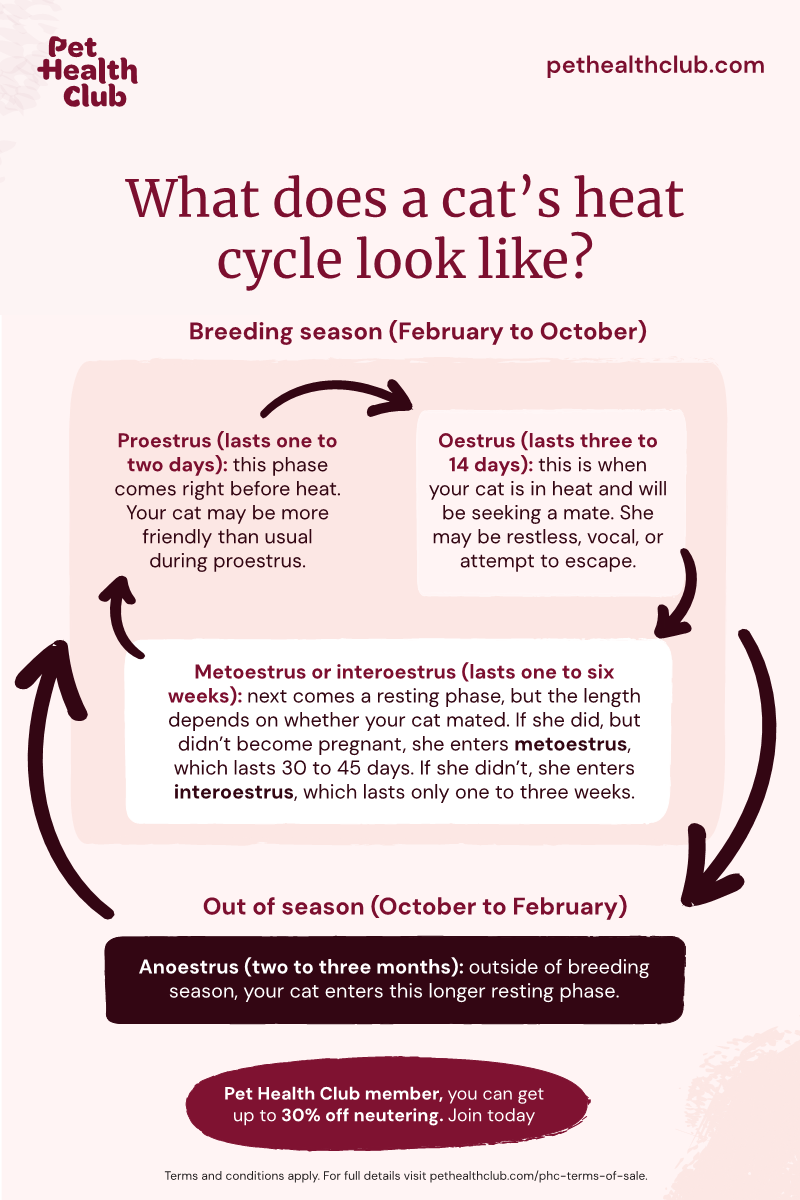
Credit: www.pethealthclub.com
Reasons Male Cats Return Home
Male cats often return home after mating for several key reasons. Their behavior is influenced by instinct, comfort, and survival needs. Understanding why they come back helps cat owners feel more connected to their pets. It also explains the natural habits of male cats during their mating period.
Seeking Familiar Territory
Male cats feel safer in known places. Their home provides a familiar area where they can rest and avoid dangers. After mating, they return to this territory to regain security. Staying in a familiar environment reduces stress and confusion.
Food And Shelter Needs
Hunting for food takes energy, and male cats need to eat regularly. Their home offers reliable access to meals and water. Shelter protects them from bad weather and predators. Returning home ensures they meet these basic survival needs.
Bond With Owners
Many male cats develop strong bonds with their humans. They seek affection, comfort, and care from their owners. Returning home means reconnecting with the people they trust. This bond encourages them to come back despite roaming outside.
Cases When Male Cats Don’t Return
Sometimes, male cats don’t come back after mating, leaving their owners worried and puzzled. Understanding why this happens can help you better care for your feline friend and know when to be concerned. Here are some common reasons why male cats might not return home after their mating excursions.
Extended Roaming For Mates
Male cats often travel far and wide to find more females in heat. This can lead them to roam beyond their usual territory for days or even weeks. If your cat is gone longer than usual, it might be because he’s still searching for mates or marking new areas.
Have you noticed your cat disappearing for multiple nights? It’s likely he’s on a mating mission, which can be exhausting and risky for him.
Injuries Or Predators
Male cats fighting for mates often get into serious scrapes. These conflicts can result in injuries that prevent them from returning home quickly. Additionally, roaming cats face threats from larger animals and predators, making the journey back dangerous.
Remember, a sudden absence could mean your cat has been hurt or is hiding due to fear. Checking local shelters or vets for injured cats can sometimes help reunite you.
Disorientation And Getting Lost
After long travels, some male cats become disoriented and struggle to find their way back. Unfamiliar surroundings, changes in landmarks, or even human interference can confuse them. Older or less experienced cats are especially vulnerable to getting lost during their mating journeys.
Have you considered placing a GPS tracker on your cat? It can provide peace of mind and help locate him if he doesn’t return as expected.
Impact Of Neutering On Roaming
Neutering has a strong effect on a male cat’s roaming habits. It can change both his behavior and how far he travels. This often makes the cat less likely to wander far from home. Understanding these changes helps pet owners keep their cats safe and nearby.
Behavioral Changes
Neutering lowers the drive to seek mates. Male cats often stop marking territory with strong smells. Aggressive actions toward other cats usually decrease. The cat becomes calmer and more affectionate. These changes create a less restless and more home-oriented cat.
Reduced Roaming Tendency
After neutering, many male cats stay closer to home. Their urge to explore and patrol large areas fades. This reduces the risk of fights or accidents outside. Neutered cats tend to be content in familiar surroundings. This helps owners feel more secure about their pet’s safety.
Tips To Encourage Male Cats To Return
Getting your male cat to come back home after mating can be challenging, but there are practical ways to encourage his return. Creating a welcoming and secure environment helps him feel safe and valued. Let’s look at some effective tips that can make your cat more likely to come back to you.
Safe Outdoor Spaces
Male cats are natural explorers, but they need a safe space to roam. Setting up a secure outdoor area, like a fenced garden or a catio, gives your cat freedom without the risk of getting lost or hurt. You can add hiding spots and shaded areas to make this space comfortable and inviting.
Do you notice how your cat behaves when outside? If he seems hesitant, try spending time with him there to build trust. This way, he associates the outdoor space with positive experiences and is more likely to return.
Consistent Feeding Schedule
Establishing a regular feeding routine creates a strong reason for your cat to come home. Cats quickly learn when and where their food will be available. Serving meals at the same times each day builds anticipation and loyalty.
Try using a special bowl or feeding spot reserved just for him. The familiar sights and smells can act as a beacon, encouraging him to return after his adventures. Have you noticed if your cat prefers certain treats or meals? Use those to make your feeding times even more appealing.
Identification And Tracking
Ensuring your cat has proper identification increases the chances of a safe return. A collar with an ID tag can help others recognize him if he wanders too far. Microchipping is another reliable option that gives you peace of mind.
Consider a GPS tracker designed for cats. This small device lets you monitor his location in real-time and helps you act quickly if he strays too far. Would knowing exactly where your cat is reduce your worry when he’s outside?

Credit: www.reddit.com
Frequently Asked Questions
Do Male Cats Come Back After Mating?
Male cats often leave after mating to seek other females. They rarely stay near the female once mating ends. Their focus is on reproduction, not forming bonds or staying in one place.
Why Do Male Cats Roam After Mating?
Male cats roam to find more mates and establish territory. This behavior increases their chances of passing on genes. Roaming also helps them avoid competition from other males.
How Long Do Male Cats Stay Near Females?
Male cats usually stay only briefly during mating. Afterward, they quickly move on to find new mates. Their presence near females is temporary and driven by reproductive needs.
Can Neutering Affect Male Cats’ Roaming Behavior?
Yes, neutering reduces roaming and mating instincts in male cats. It makes them less likely to leave home after mating. Neutering also decreases aggressive and territorial behaviors.
Conclusion
Male cats often wander after mating. They seek new adventures and territories. Yet, many do return home. Their home offers food, comfort, and safety. Owners should ensure a welcoming environment. This encourages their return. Regular meals, affection, and playtime help.
Neutering also reduces wandering. It keeps them closer to home. Patience is key. Cats have their own schedules. Understanding their behavior is important. Always provide a safe space. It strengthens their bond with home. In time, your cat may return more often.
Just be patient and observant.

Lily Purrington is the founder of MyKittyPicks.com, a cozy corner of the web dedicated to helping cat lovers discover the best cat products, furniture, toys, and home decor ideas.
A lifelong cat enthusiast, Lily shares trusted tips, honest product recommendations, and stylish inspiration designed to keep kitties happy and homes beautiful.
Her mission is simple: to bring together practical advice and purr-fect picks that make life better for cats and the people who love them.


