
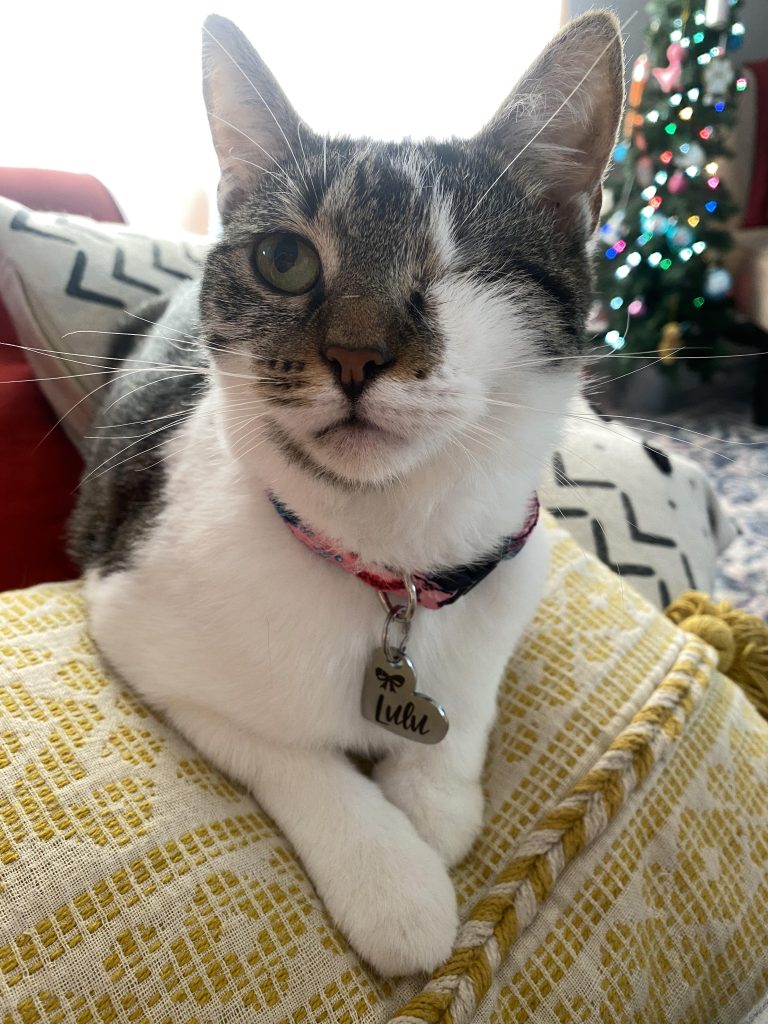
Have you ever wondered if your cat can wear a collar all day, every day? You’re not alone.
Many cat owners like you are curious about the safety and comfort of their feline friends when it comes to wearing collars 24/7. While collars can help identify your pet and even keep them safe with a little bell, you might be concerned about their impact on your cat’s well-being.
Imagine knowing exactly how your cat feels about their collar and making an informed choice that benefits both of you. Stick around, because this article will unravel the mysteries of cats and collars, giving you peace of mind and a happy cat.
Pros And Cons Of 24/7 Collars
Wearing a collar all day and night has both advantages and disadvantages for cats. Owners should weigh these carefully before deciding. Understanding the pros and cons helps keep cats safe and comfortable.
Benefits For Identification
Collars help identify cats quickly. They often carry tags with the owner’s contact details. This increases the chance of lost cats returning home.
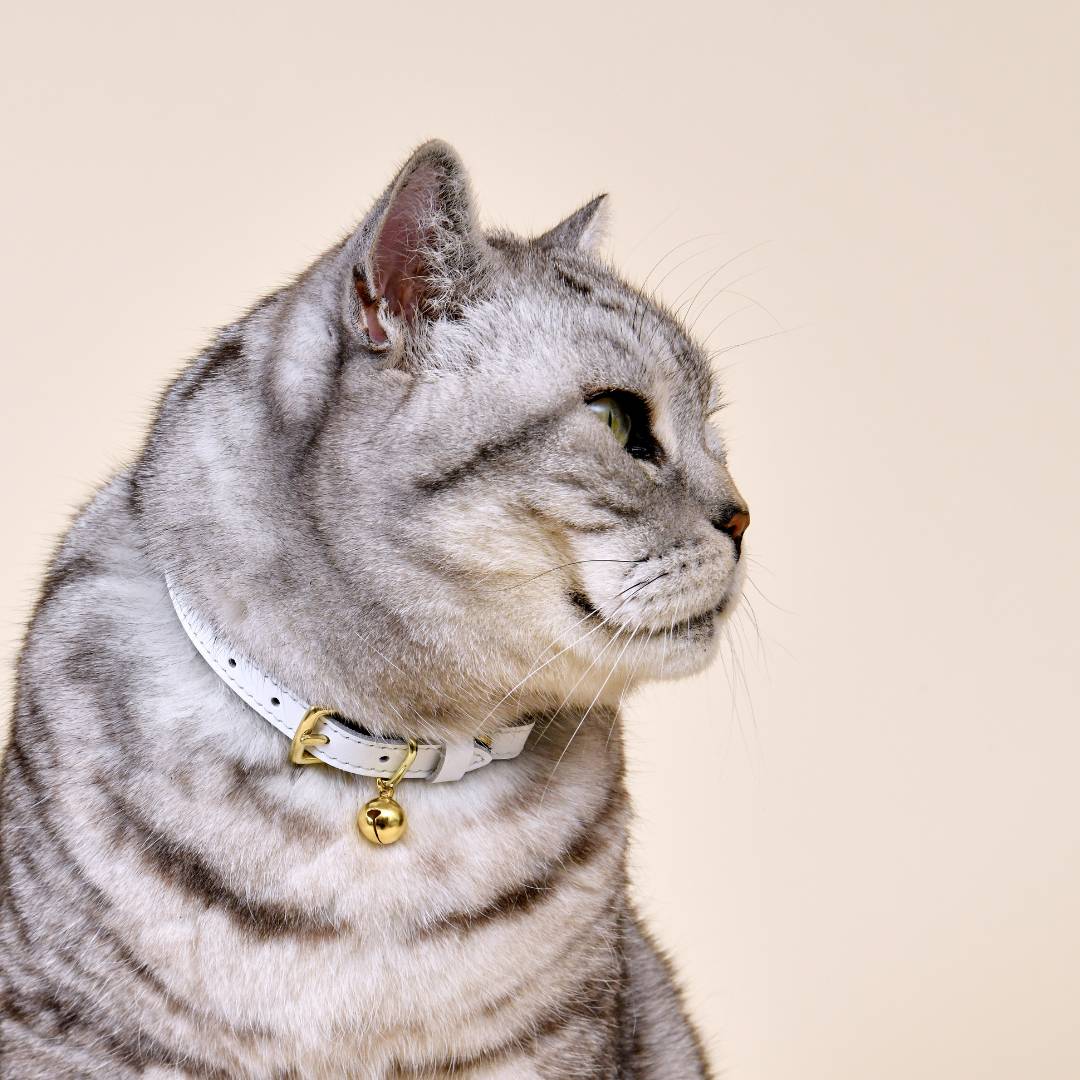
Collars can also hold bells. Bells warn birds and small animals, reducing hunting success. This protects local wildlife and keeps cats safer outdoors.
Bright or reflective collars improve visibility. This helps drivers see cats at night. It reduces the risk of accidents near roads.
Potential Risks And Discomfort
Wearing a collar 24/7 can cause discomfort. Some cats find collars itchy or tight. This may lead to skin irritation or hair loss.
Collars can catch on objects. This might trap cats or cause injury. Breakaway collars reduce this risk but do not eliminate it.
Not all collars fit well. Poorly fitted collars can choke or injure cats. Regular checks and adjustments are necessary to avoid harm.

Credit: www.reddit.com
Types Of Safe Collars For Cats
Choosing a safe collar for your cat is essential for their comfort and safety. Not all collars suit every cat, so picking the right type matters. Safe collars come with features that reduce risks like choking or getting stuck.
These collars allow cats to wear them for long periods without harm. They come in different materials and designs to fit your cat’s needs. Let’s explore two popular types of safe collars.
Breakaway Collars
Breakaway collars have a special clasp that releases under pressure. This feature helps prevent choking if the collar gets caught on something. Cats can move freely without feeling trapped or stressed.
These collars often come with bells or ID tags. The bell alerts you to your cat’s location. The ID tag helps others return your cat if lost.
Breakaway collars are usually lightweight and made from soft materials. They fit snugly but are not tight, ensuring comfort all day. Many veterinarians recommend breakaway collars for outdoor cats.
Elastic And Adjustable Options
Elastic collars stretch when needed, giving your cat extra room. This flexibility prevents strangling if the collar tightens suddenly. They are easy to put on and take off.
Adjustable collars let you change the size as your cat grows or gains weight. They provide a secure fit without being too tight. Materials like nylon and soft fabric are common choices.
These collars often include safety features like quick-release buckles. The buckles make removal simple during emergencies. Elastic and adjustable collars suit indoor and outdoor cats well.
Signs Your Cat Dislikes The Collar
Not every cat takes to wearing a collar naturally. Some might tolerate it briefly, while others show clear signs of dislike that you shouldn’t ignore. Recognizing these signs early helps prevent stress or injury to your feline friend.
Behavioral Changes To Watch
Watch how your cat acts after putting on a collar. Does your cat suddenly scratch at its neck more than usual or try to bite the collar off? These actions often mean the collar feels irritating or unfamiliar.
You might also notice your cat hiding more often or avoiding being petted. These subtle shifts can indicate discomfort or anxiety caused by the collar. Has your cat stopped playing or eating as enthusiastically as before? These are important clues.
Physical Indicators Of Discomfort
Look closely at your cat’s neck for redness, hair loss, or sores. These physical signs show the collar might be too tight, rubbing the skin, or causing an allergic reaction. Even a small amount of swelling should be taken seriously.
Check if your cat’s fur is flattened or missing around the collar area. This can happen if the collar is too heavy or if your cat is trying to remove it frequently. Have you noticed your cat’s breathing or movement changing? These could be signs the collar restricts normal activity.
Proper Collar Fit And Adjustment
Ensuring your cat’s collar fits properly is key to their safety and comfort, especially if they wear it all day. A collar that’s too tight can cause irritation or injury, while one that’s too loose risks slipping off or getting caught on objects. Taking time to measure and adjust the collar regularly helps keep your feline friend safe and happy.
Measuring For The Right Size
Start by measuring your cat’s neck with a soft tape measure or a piece of string you can mark and then measure. Leave enough space to fit two fingers comfortably between the collar and their neck. This simple check prevents the collar from being too tight or too loose.
Remember, cats vary in size and shape. Some have thicker fur that adds to the neck circumference, so consider that when choosing the collar size.
Checking Fit Regularly
Collars can loosen or tighten over time, especially as your cat grows or sheds fur. Make it a habit to check the fit at least once a week. Run your fingers between the collar and your cat’s neck to ensure it still slides comfortably without slipping off.
Watch how your cat reacts to the collar. If you notice scratching, redness, or discomfort, it’s time to adjust or replace it. Regular checks prevent small issues from turning into bigger problems.
When To Remove The Collar
Knowing when to remove your cat’s collar is just as important as putting one on. Leaving a collar on all the time can sometimes cause discomfort or even risk your cat’s safety. Paying attention to specific moments helps keep your feline friend happy and healthy.
During Sleep Or Playtime
Cats often move a lot during play and twitch in their sleep. A collar can get caught on furniture, toys, or bedding, which might hurt your cat or damage the collar. Removing the collar during these times reduces the risk of accidents and lets your cat relax completely.
Think about your own comfort—would you want to wear a tight necklace while tossing and turning in bed? Cats feel the same. Giving your cat collar-free time during sleep or intense play helps them stay safe and stress-free.
Bathing And Grooming Sessions
Water and collars don’t mix well. When you bathe your cat or help with grooming, it’s best to take off the collar. Wet collars can cause skin irritation or become a breeding ground for bacteria.
Also, grooming with a collar on can be tricky. Loose fur and skin folds might get caught under the collar, causing discomfort. Removing the collar makes grooming easier for both you and your cat.

Credit: www.holistapet.com
Additional Safety Tips
Keeping your cat safe while wearing a collar all day and night involves more than just choosing the right collar. Small habits and checks can make a big difference in preventing accidents or discomfort. Paying attention to these additional safety tips helps ensure your cat stays happy and secure.
Regular Collar Inspection
Check your cat’s collar daily for signs of wear and tear. Look for fraying, broken clasps, or any damage that could cause it to break unexpectedly.
Make sure the collar still fits properly. Cats can lose or gain weight, so a collar that was perfect last month might be too tight or too loose now.
Ask yourself: Can you fit two fingers comfortably between the collar and your cat’s neck? If not, adjust it immediately to prevent choking or slipping off.
Using Id Tags And Microchips
Always attach an ID tag with your contact information to the collar. This simple step can reunite you with your cat if they wander off.
Consider adding a breakaway collar to avoid choking hazards, especially if your cat goes outdoors.
Microchipping your cat offers a permanent form of identification, even if the collar is lost. Have you updated your microchip details recently? Keep them current to improve the chances of a safe return.
Credit: www.cheshireandwain.com
Frequently Asked Questions
Can Cats Wear Collars All Day Long Safely?
Yes, cats can wear collars 24/7 if the collar is breakaway and comfortable. Regular checks ensure no irritation or injury occurs.
What Type Of Collar Is Best For Cats?
A breakaway collar is safest for cats. It releases under pressure, preventing choking or getting stuck, ensuring your cat’s safety.
How Often Should I Check My Cat’s Collar?
Check your cat’s collar daily to ensure it fits well and isn’t causing discomfort or hair loss. Adjust or replace as needed.
Can Collars Cause Health Issues In Cats?
Improper collars can cause skin irritation, hair loss, or injury. Using a proper breakaway collar reduces these risks effectively.
Conclusion
Cats can wear collars most of the time, but safety matters. Choose a collar that fits well and is breakaway type. Check the collar often to avoid discomfort or injury. Remove collars during playtime or sleep if needed. Always watch your cat for signs of stress or irritation.
Comfort and safety come first for happy cats. A collar helps identify your cat but should never cause harm. Keep your furry friend safe and comfortable every day. Simple care makes a big difference in your cat’s life.

Lily Purrington is the founder of MyKittyPicks.com, a cozy corner of the web dedicated to helping cat lovers discover the best cat products, furniture, toys, and home decor ideas.
A lifelong cat enthusiast, Lily shares trusted tips, honest product recommendations, and stylish inspiration designed to keep kitties happy and homes beautiful.
Her mission is simple: to bring together practical advice and purr-fect picks that make life better for cats and the people who love them.


