
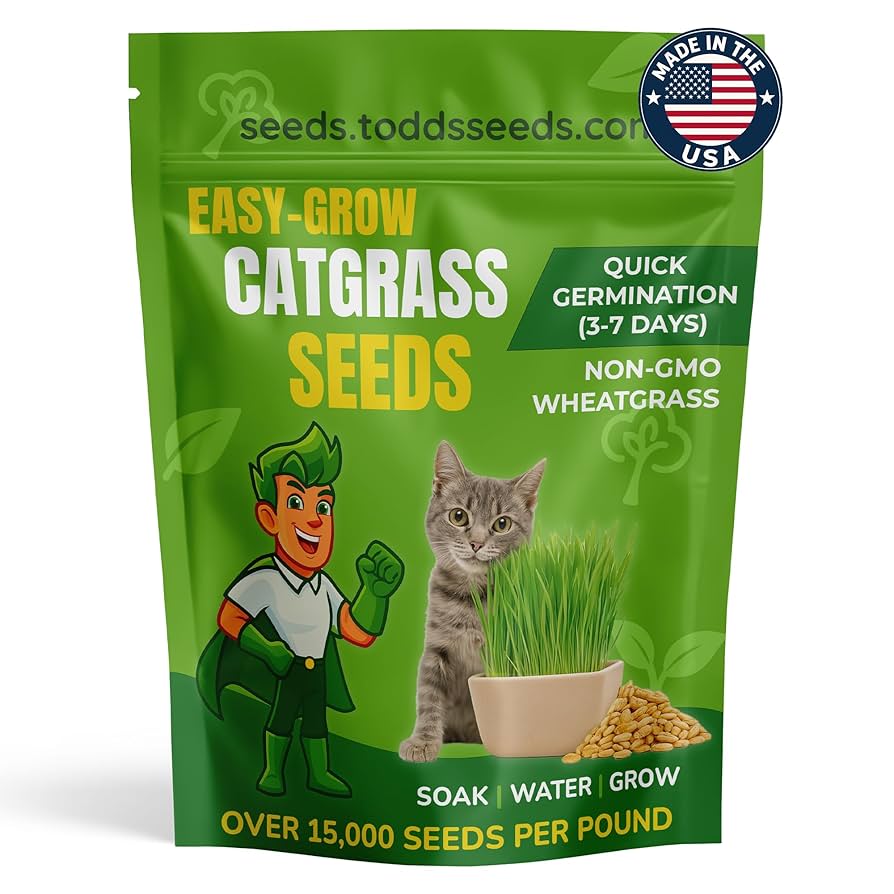
Have you ever caught your dog munching on something green and wondered if it’s safe? You might be surprised to find out that many pet owners face the same dilemma, especially when it comes to cat grass.
Yes, that’s right—cat grass. It’s typically known for its feline fans, but your curious canine might find it equally enticing. Before you panic or rush to the vet, let’s explore whether this seemingly harmless plant poses any risks to your beloved pup.
By the end of this article, you’ll have a clear understanding of whether cat grass is a friend or foe to your dog, ensuring peace of mind the next time your furry friend gets a taste for greenery.
Cat Grass Basics
Understanding the basics of cat grass is key before considering whether it’s safe for your dog. Cat grass is more than just a trendy plant for pet owners—it can be a helpful addition to your home. But what exactly is cat grass, and which types are most common? Let’s break it down so you can make an informed choice for your furry friends.
What Is Cat Grass?
Cat grass is a type of grass grown specifically for pets to nibble on. It’s not a special breed of grass, but usually young sprouts of common grasses that are safe for cats and often dogs. Many pet owners use it to help their cats digest or to prevent them from chewing on harmful plants.
Have you noticed your pets sometimes chewing on random plants around the house? Cat grass offers a safer alternative that might satisfy that urge. It’s easy to grow indoors and doesn’t require much care, making it a popular choice for pet owners.
Common Types Of Cat Grass
Several types of grass can be labeled as cat grass, but the most popular ones include:
- Wheatgrass:Known for its bright green color and high nutrient content, wheatgrass is gentle on pets’ stomachs.
- Barley grass:Rich in vitamins and minerals, it’s another favorite for pet owners looking to add variety.
- Oat grass:Mild in taste and texture, oat grass is a safe option for both cats and dogs.
Choosing the right type depends on what your pet prefers and any dietary considerations. If you’ve ever grown wheatgrass on your kitchen windowsill, you might know how fast it sprouts and how inviting it looks to pets.
Would your dog enjoy a little green snack? Understanding these basics helps you decide if cat grass fits into your pet’s diet safely.
Safety Of Cat Grass For Dogs
Wondering if cat grass is safe for your dog? Many pet owners notice their dogs nibbling on plants and worry about what’s harmless and what’s harmful. Understanding the safety of cat grass for dogs can help you decide if it’s a good addition to your pet’s environment.
Toxicity Levels
Cat grass is generally non-toxic to dogs. It usually consists of oat, wheat, or barley grasses, which are safe for pets to chew on. However, always double-check the specific type of grass you have, as some plants sold as cat grass mixes may contain harmful additives or pesticides.
If your dog tends to chew on plants, ensure the cat grass is pesticide-free and grown organically. Have you ever caught your dog munching on grass and wondered if it was dangerous? Knowing the toxicity level helps ease that worry.
Potential Health Benefits
Cat grass can aid your dog’s digestion and help with hairball control, similar to its benefits for cats. The fiber in grass can help move things along if your dog has an upset stomach.
Some dogs eat grass to induce vomiting when they feel unwell. Providing safe cat grass could offer a controlled way for them to do this without reaching for toxic outdoor plants. Have you noticed your dog grazing outside? Offering cat grass at home might satisfy that urge safely.
Possible Risks And Side Effects
While cat grass is safe, overeating can cause mild stomach upset or diarrhea in some dogs. Also, watch for any allergic reactions like itching or swelling after your dog tries cat grass for the first time.
Another risk is contamination. If the grass is grown in soil with fertilizers or chemicals, it could harm your dog. Always grow your own or buy from trusted sources to avoid these risks.
Would you consider growing cat grass at home to monitor its safety? That way, you control what your dog is eating and reduce potential risks.
How Dogs React To Cat Grass
Dogs may react to cat grass in various ways. Some dogs show curiosity while others might avoid it. Their reaction depends on personality and past experiences. Observing your dog’s behavior around cat grass helps understand their comfort level.
Behavioral Responses
Many dogs sniff cat grass before touching it. Some chew on the grass gently, showing mild interest. Others may paw at it or roll nearby. A few dogs might ignore cat grass completely. Watch for signs of enjoyment or discomfort. If your dog seems stressed, remove the grass.
Digestive Effects
Eating cat grass can aid some dogs’ digestion. It may help them pass hairballs or relieve mild stomach upset. Some dogs vomit after chewing grass, which can clear their stomach. Not all dogs experience these effects. Monitor your dog’s reaction after eating cat grass. Stop offering it if vomiting or diarrhea occurs frequently.

Credit: www.amazon.com
Alternatives To Cat Grass For Dogs
Cat grass is popular for cats, but dogs need different options. Many dogs enjoy nibbling on greens for digestion and nutrients. Choosing safe alternatives keeps dogs healthy and happy. These plants and herbs offer good benefits without risk.
Safe Plants For Dogs
Several plants are safe for dogs to eat or chew on. They can help with digestion and provide fiber. Some common safe plants include:
- Oat grass – gentle and easy to grow.
- Wheatgrass – rich in vitamins and antioxidants.
- Barley grass – helps with digestion and freshens breath.
- Spider plant – safe to chew but non-toxic.
- Bamboo palm – adds greenery and is non-toxic.
These plants are good choices to keep around the home. They add variety and safety to your dog’s environment.
Dog-friendly Herbs
Herbs can boost your dog’s health and offer fresh flavors. They are often safe and easy to grow indoors or outdoors. Some dog-friendly herbs include:
- Parsley – supports digestion and freshens breath.
- Basil – contains antioxidants and can calm inflammation.
- Thyme – helps with respiratory health and digestion.
- Mint – freshens breath but should be given in small amounts.
- Rosemary – improves memory and digestion in dogs.
Always introduce herbs slowly and watch for any reactions. These herbs add healthy options besides cat grass.
Tips For Introducing Cat Grass To Dogs
Introducing cat grass to your dog can be a fun and healthy way to add some variety to their diet. However, it’s important to do this carefully to make sure your dog enjoys it safely. Taking a thoughtful approach helps you spot any issues early and keeps your furry friend happy.
Monitoring Your Dog
Start by giving your dog a small amount of cat grass and watch how they react. Some dogs may love it right away, while others might be unsure or even ignore it. Pay attention to any changes in behavior, digestion, or signs of discomfort.
Ask yourself: Is your dog chewing the grass gently, or are they trying to eat large clumps? Eating too much at once can cause stomach upset. Keep an eye on their energy and bathroom habits for a few days after introducing the grass.
Safe Feeding Practices
Only offer cat grass in moderation to avoid any digestive problems. You can place a small pot of fresh grass within your dog’s reach but not in places where they can overeat. Remove any wilted or dirty grass promptly to prevent bacteria buildup.
Make sure the grass hasn’t been treated with pesticides or fertilizers, as these can be harmful. If you grow your own, water it with clean water and keep it in a sunny spot. Consider rotating the grass supply every week to keep it fresh and inviting.
- Start with just a few blades to test tolerance.
- Use clean pots and soil free from chemicals.
- Supervise your dog during the first few feedings.
Would your dog enjoy having a little green treat? Try these tips and observe how they respond to cat grass as a safe and natural snack.

Credit: trueleafmarket.com
When To Consult A Veterinarian
Knowing when to consult a veterinarian is important for your dog’s health. Cat grass is generally safe, but some dogs may have problems. Watch your dog closely after they eat cat grass. Early action can prevent serious issues.
Signs Of Allergic Reactions
Allergic reactions to cat grass can appear quickly. Look for:
- Itching or scratching more than usual
- Red or swollen skin
- Hives or bumps
- Vomiting or diarrhea
- Swelling of the face or paws
- Difficulty breathing or coughing
These signs need fast veterinary care. Allergic reactions can get worse fast.
Handling Overconsumption
Eating too much cat grass can upset a dog’s stomach. Signs include:
- Excessive drooling
- Frequent vomiting
- Diarrhea
- Lethargy or weakness
- Loss of appetite
Contact a vet if these symptoms last over a few hours. Your vet can guide you on safe care and treatment. Early help can prevent dehydration or other problems.

Credit: www.amazon.com
Frequently Asked Questions
Is Cat Grass Safe For Dogs To Eat?
Yes, cat grass is generally safe for dogs. It can aid digestion and provide fiber. However, always monitor your dog’s reaction and consult a vet if unsure.
Can Dogs Benefit From Eating Cat Grass?
Dogs may benefit from cat grass as it helps with digestion and relieves stomach discomfort. It also provides some essential nutrients and fiber.
Are There Any Risks Feeding Dogs Cat Grass?
Risks are minimal if the grass is pesticide-free. Overconsumption may cause vomiting or diarrhea. Always ensure the grass is clean and safe before offering it to dogs.
How Much Cat Grass Can Dogs Safely Consume?
Dogs should eat cat grass in moderation. Small amounts are enough to aid digestion without causing upset stomach or diarrhea. Monitor your dog’s intake carefully.
Conclusion
Cat grass is generally safe for dogs in small amounts. It can help with digestion and reduce upset stomachs. Watch your dog closely when introducing new plants. Avoid overfeeding to prevent any tummy troubles. Always choose organic or pesticide-free grass for safety.
If your dog shows any signs of discomfort, stop giving the grass. Consult your vet for advice on your dog’s diet. Simple care and attention keep pets happy and healthy. Cat grass can be a natural, gentle addition to your dog’s routine.

Lily Purrington is the founder of MyKittyPicks.com, a cozy corner of the web dedicated to helping cat lovers discover the best cat products, furniture, toys, and home decor ideas.
A lifelong cat enthusiast, Lily shares trusted tips, honest product recommendations, and stylish inspiration designed to keep kitties happy and homes beautiful.
Her mission is simple: to bring together practical advice and purr-fect picks that make life better for cats and the people who love them.


