
You love your cat, and you want what’s best for them. But lately, you’ve been wondering: is it cruel to keep a cat indoors?
This question tugs at your heartstrings and challenges your instincts as a pet parent. You might be thinking about the freedom of the outdoors, the thrill of chasing birds, or the simple joy of basking in the sunlight. But on the other hand, there’s the worry about traffic, predators, and the unknown dangers lurking outside.
Your mind is a whirlwind of concerns and contradictions, and you’re not alone. Many cat owners grapple with this very dilemma. We’ll explore the emotional and practical sides of this issue, helping you make an informed decision that aligns with both your values and your cat’s well-being. Stick around; you might just find the clarity you’re seeking.
Benefits Of Indoor Living
Keeping a cat indoors offers many benefits that improve their quality of life. Indoor living protects cats from dangers and promotes good health. It helps cats live longer and happier lives. Understanding these benefits helps owners make the best choice for their pets.
Safety From Outdoor Hazards
Indoor cats avoid risks like traffic accidents and fights with other animals. They stay away from poisons, predators, and harsh weather. This protection reduces injuries and stress. Indoor spaces keep cats safe from diseases spread by other animals.
Health Advantages
Indoor cats usually have fewer health problems. They get regular meals and clean water, which help maintain a healthy weight. Owners can watch for signs of illness more easily. Indoor cats are less likely to catch parasites like fleas and ticks.
Longer Lifespan
Indoor cats often live years longer than outdoor cats. The safe environment lowers the chance of accidents and infections. Regular vet visits are easier to manage. A longer life means more time to enjoy with your furry friend.

Credit: weareallaboutcats.com
Challenges Faced By Indoor Cats
Keeping a cat indoors can protect them from many dangers, but it also presents some unique challenges. Indoor cats often face difficulties that affect their mental and physical well-being. Understanding these challenges can help you create a happier, healthier environment for your feline friend.
Lack Of Stimulation
Indoor cats miss out on the variety of sights, smells, and sounds they would experience outside. This lack of stimulation can lead to boredom and frustration. You might notice your cat staring at walls or pacing without a clear purpose.
Try adding interactive toys, puzzle feeders, or even safe window perches. These simple changes can keep your cat engaged and curious. Have you considered how much your cat’s environment sparks their natural hunting instincts?
Behavioral Issues
When cats don’t get enough mental or physical exercise, they may develop unwanted behaviors. Scratching furniture, excessive meowing, or aggression can be signs of stress or boredom. One cat I knew started knocking objects off shelves just to get attention and break the monotony.
Regular playtime and enrichment activities can reduce these issues. Simple routines like daily play sessions or rotating toys can make a big difference. What behavior changes have you noticed in your cat when they seem understimulated?
Physical Health Concerns
Indoor cats are often less active, which can lead to weight gain and related health problems like diabetes or arthritis. Lack of sunlight may also affect their vitamin D levels, impacting bone health. I’ve seen cats become sluggish and overweight within months of moving indoors without enough activity.
Encourage movement with climbing trees, laser pointers, or even short training sessions. Keeping your cat physically active supports their overall health and longevity. How do you motivate your cat to stay active indoors?
Outdoor Risks For Cats
Allowing cats to roam outside brings many dangers. Outdoor risks can threaten a cat's health and safety. Understanding these risks helps decide if keeping a cat indoors is kinder.
Traffic And Accidents
Cars pose a major threat to outdoor cats. Fast-moving vehicles can cause serious injury or death. Streets and highways are common places for accidents.
Other hazards include bicycles, lawnmowers, and machinery. Cats may not react quickly enough to avoid harm. Even quiet roads carry hidden risks.
Predators And Other Animals
Wild animals can attack cats outside. Coyotes, foxes, and large birds are natural predators. Other neighborhood pets, like dogs, may also pose danger.
Fights with other cats can lead to wounds. These injuries may become infected without proper care. Outdoor cats face constant threats from animals.
Disease Exposure
Outdoor cats risk catching many illnesses. Parasites like fleas, ticks, and worms are common outdoors. These can cause discomfort and serious health problems.
Viruses and bacteria spread easily in the wild. Feline leukemia and feline immunodeficiency virus are examples. Vaccinated indoor cats have better protection.
Credit: www.catster.com
Enhancing Indoor Cat Life
Keeping a cat indoors does not mean a dull life. Cats need stimulation and variety to stay happy and healthy. Enhancing indoor life can meet their natural needs. It can reduce stress and unwanted behavior. Simple changes make a big difference.
Environmental Enrichment
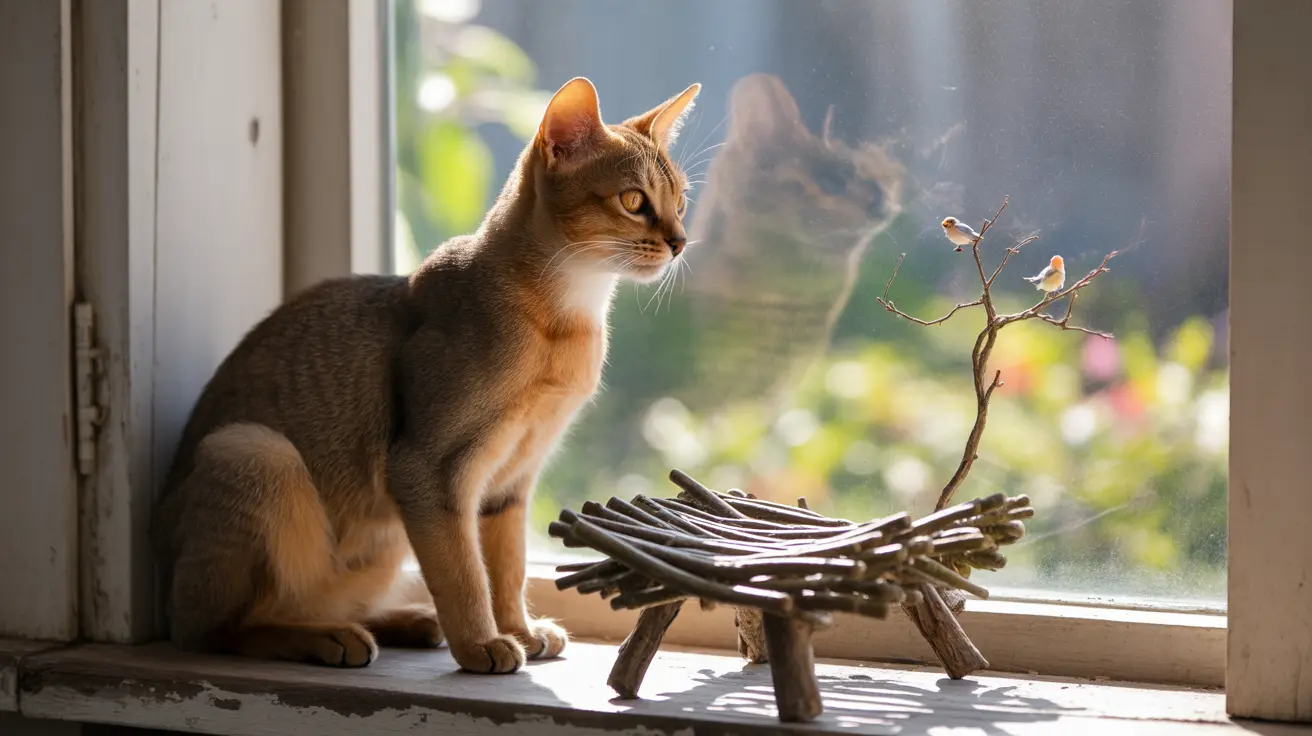
Create a space that excites your cat’s senses. Use climbing shelves and scratching posts. Add cozy hiding spots and soft beds. Place bird feeders outside windows for natural entertainment. Rotate toys regularly to keep interest high. Use puzzle feeders to challenge their minds.
Interactive Play
Spend time playing with your cat every day. Use wand toys and laser pointers to mimic hunting. Short, frequent sessions work best. Play helps release energy and strengthens your bond. Vary the games to prevent boredom. Reward with treats for added fun.
Safe Outdoor Experiences
Offer outdoor time without risks. Use a secure harness and leash for walks. Try a catio or enclosed patio for fresh air. Supervise closely to avoid dangers. Outdoor scents and sounds enrich your cat’s world. These safe outings provide exercise and mental stimulation.
Balancing Freedom And Safety
Balancing a cat’s freedom and safety is a common concern for pet owners. Cats love to explore outside. Yet, dangers like cars, predators, and diseases exist. Providing a safe way to enjoy the outdoors helps keep cats happy and healthy. There are several ways to offer outdoor experiences without risking harm.
Supervised Outdoor Time
Taking your cat outside under your watch is a good option. Use a harness and leash for control. This lets your cat explore safely and prevents wandering off. Short sessions outside reduce stress and increase confidence. Watch for signs of fear or discomfort. Always stay close to protect your cat from hazards.
Catios And Enclosures
Catios are secure outdoor spaces attached to your home. They let cats enjoy fresh air and sunshine without escaping. Enclosures come in various sizes and styles. Some are small window boxes. Others are large walk-in areas. These spaces protect cats from traffic and predators. They also prevent hunting of local wildlife.
Training And Recall
Training cats to respond to commands improves safety outdoors. Teach your cat to come when called using treats and praise. Consistent training builds trust and understanding. This skill helps bring your cat back quickly if needed. It also gives you peace of mind during outdoor time.
Credit: www.petscare.com
Owner Responsibilities
Keeping a cat indoors requires more than just closing doors and windows. Owners hold the key to a happy and healthy life for their feline friends. Responsibility means paying close attention to the cat’s needs every day. Indoor cats depend entirely on their owners for safety, comfort, and well-being. This section covers essential duties that every cat owner should fulfill.
Monitoring Behavior And Health
Watch your cat’s behavior closely. Changes in eating, sleeping, or activity levels can signal health issues. Look for signs of stress, such as hiding or excessive grooming. Early detection helps prevent serious problems. Keep a daily routine to observe habits. Note any unusual behavior and act promptly.
Providing Proper Nutrition
Feed your cat balanced meals made for indoor cats. Proper nutrition supports energy and weight control. Avoid free-feeding to prevent overeating and obesity. Fresh water must be available at all times. Choose high-quality food with the right mix of proteins and nutrients. Treats are fine but should be limited.
Regular Vet Visits
Schedule veterinary check-ups at least once a year. Vaccinations, dental care, and parasite control keep cats healthy. Indoor cats still face risks like infections and allergies. Routine exams catch problems early. Follow your vet’s advice for care and treatment. Keep records of all visits and treatments.
Frequently Asked Questions
Is It Harmful To Keep Cats Indoors All The Time?
Keeping cats indoors is generally safe and protects them from dangers. Indoor cats live longer and avoid accidents, diseases, and predators. However, they need mental and physical stimulation to stay healthy and happy.
How Can Indoor Cats Stay Mentally Stimulated?
Indoor cats need toys, climbing structures, and interactive playtime. Puzzle feeders and regular human interaction help prevent boredom. Providing a variety of activities mimics outdoor exploration and keeps cats engaged.
Do Indoor Cats Get Enough Exercise?
Indoor cats can exercise through play, climbing, and running indoors. Owners should encourage active play sessions daily. This helps maintain a healthy weight and prevents behavioral problems caused by inactivity.
Can Indoor Cats Develop Behavioral Problems?
Yes, lack of stimulation can cause stress and boredom in indoor cats. This may lead to scratching, aggression, or depression. Proper enrichment and attention reduce these risks significantly.
Conclusion
Keeping a cat indoors is not cruel if done right. Cats need safety, love, and mental stimulation. Indoor cats live longer and avoid many dangers outside. Give them toys, space to climb, and time to play. Letting cats explore inside keeps them happy and healthy.
The choice depends on your cat’s personality and your home. Care and attention make indoor life good for cats. Safe and loved—that is what every cat deserves.

Lily Purrington is the founder of MyKittyPicks.com, a cozy corner of the web dedicated to helping cat lovers discover the best cat products, furniture, toys, and home decor ideas.
A lifelong cat enthusiast, Lily shares trusted tips, honest product recommendations, and stylish inspiration designed to keep kitties happy and homes beautiful.
Her mission is simple: to bring together practical advice and purr-fect picks that make life better for cats and the people who love them.


