
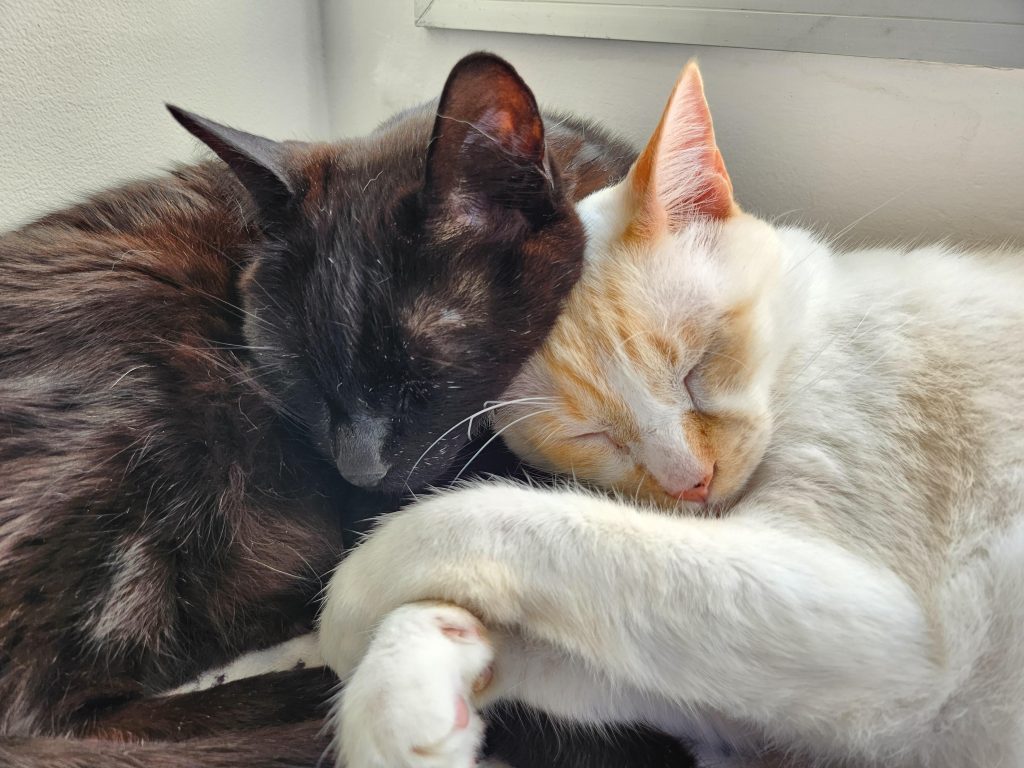
Are you contemplating adding a second feline friend to your home and wondering if it’s better to have two cats of the same gender? You’re not alone in facing this common dilemma that many cat lovers encounter.
The decision can feel daunting, but understanding the dynamics between same-gender cats can lead to a harmonious household. Imagine your home filled with twice the purring, double the playful antics, and an extra dose of companionship for you and your first cat.
But how do you ensure that your choice leads to a peaceful coexistence rather than territorial tiffs? This guide will unravel the mysteries and help you make an informed decision, so you can create the perfect kitty duo that brings joy, not chaos, into your life. Dive in to discover what really works when it comes to pairing cats by gender!
Benefits Of Same-gender Cats
Choosing two cats of the same gender offers several benefits for pet owners. It often leads to a more peaceful home environment. These cats tend to have fewer disagreements and form closer friendships. Understanding these advantages helps in making a better decision for your feline family.
Reduced Territorial Conflicts
Same-gender cats usually defend their space less aggressively. They are less likely to mark territory with sprays or scratches. This behavior reduces fights and stress in the home. A calm environment helps cats feel safe and relaxed.
Easier Social Bonding
Cats of the same gender often develop strong friendships. They play and groom each other more often. This bonding reduces loneliness and boredom. Happy cats show better behavior and health over time.
Simplified Litter Training
Training two cats of the same gender can be easier. They tend to use the same litter box without issues. This reduces accidents outside the box. Consistent habits make cleaning and maintenance simpler for owners.

Credit: www.reddit.com
Challenges With Same-gender Cats
Having two cats of the same gender can bring unique challenges. Cats are territorial animals, and same-gender pairs may show more competition. Owners must be aware of these potential issues to keep harmony at home.
Potential For Rivalry
Male cats often compete for dominance. This rivalry can lead to frequent fights or aggressive behavior. Female cats also show territorial behavior but usually less intense. Rivalry may cause stress and anxiety in both cats.
Behavioral Issues
Same-gender cats might display signs of stress. These include hiding, excessive grooming, or refusal to eat. Aggression may appear as hissing, swatting, or growling. Such behaviors disrupt peace and need careful attention.
Neutering And Spaying Importance
Neutering and spaying reduce hormone-driven behaviors. These procedures lower aggression and territorial marking. They help cats live together more peacefully. Early surgery can prevent many behavioral problems in same-gender pairs.
Mixed-gender Cat Dynamics
Having cats of different genders can create a unique dynamic in your home. Understanding how male and female cats interact helps you manage their relationship better. Let’s look at what natural behavior suggests and how this impacts your decisions.
Natural Social Structures
In the wild, male and female cats often have distinct roles. Males tend to roam larger territories, while females focus on raising kittens within smaller, safer zones. This natural separation can influence how they behave when living together.
Mixed-gender pairs sometimes mimic these roles, with males being more territorial and females more nurturing. However, this isn’t a strict rule, as personality plays a big part. Have you noticed differences in how your male and female cats behave around each other?
Possible Advantages
One benefit of having a male and a female cat is the potential for a balanced social environment. Females may be less aggressive and more tolerant, which can help calm a dominant male. This balance often results in fewer fights and less stress.
Another advantage is that mixed pairs may display less competition over territory. They often establish clear boundaries, reducing tension. Your cats might even enjoy complementary play styles, making their bond stronger.
Considerations For Cohabitation
Introducing a male and female cat requires careful attention to their personalities and health. Neutering or spaying is crucial to prevent unwanted litters and reduce hormone-driven behaviors. This step alone can dramatically improve harmony.
Watch for signs of jealousy or dominance, especially during the initial adjustment period. Provide separate resources like food bowls and litter boxes to avoid competition. Remember, each cat is unique, so patience and observation are key to helping them live happily together.

Credit: www.reddit.com
Factors Influencing Cat Compatibility
Choosing the right cats to live together depends on many factors. Compatibility is not just about gender. Many elements influence how well two cats get along. Understanding these helps create a happy home for your pets.
Age And Personality
Young cats often have more energy and curiosity. Older cats may prefer calm and quiet. Matching cats with similar energy levels helps reduce conflicts. Personality plays a big role. Friendly cats usually accept new friends easily. Shy or aggressive cats need slow introductions and patience.
Previous Social Experience
Cats used to living with others adapt faster. A cat that lived alone might feel stressed around a new cat. Early socialization shapes how cats behave with others. Some cats enjoy company. Others prefer to be the only pet. Knowing their history guides better pairing decisions.
Environment And Space
Enough space reduces fights and stress. Cats need separate resting spots and hiding places. Multiple litter boxes and feeding areas help avoid competition. A quiet, calm space supports better relationships. Crowded or noisy homes can increase tension between cats.
Tips For Introducing New Cats
Introducing a new cat to your home can be both exciting and challenging. It requires patience and a thoughtful approach to ensure both cats feel safe and comfortable. Here are some practical tips to help you navigate this process smoothly and reduce tension between your furry friends.
Gradual Introduction Process
Start by keeping the new cat separated in a quiet room with their own litter box, food, and water. Let your resident cat get used to the new scent by swapping bedding or toys between them. This helps build familiarity without direct contact.
After a few days, allow brief, supervised visits where the cats can see each other through a baby gate or slightly open door. Watch their body language closely—curiosity is good, but hissing or growling means you need more time.
Monitoring Interactions
When you feel ready to let them meet face-to-face, keep the first interactions short and positive. Use treats or playtime to create happy associations. If either cat shows signs of aggression, separate them calmly and try again later.
Keep a close eye during these early encounters. Look for relaxed postures, sniffing, or gentle pawing as signs of acceptance. Your intervention can prevent a small disagreement from turning into a lasting feud.
Managing Stress And Anxiety
Both cats might feel stressed by the change. Providing hiding spots and vertical spaces like cat trees can give them safe places to retreat. Don’t forget to maintain your usual routines to give them a sense of stability.
Consider using calming aids like pheromone diffusers or natural supplements if you notice persistent anxiety. Remember, your calm demeanor helps too—cats pick up on your energy more than you realize.
Have you noticed how your cats’ behavior changes with each introduction attempt? Adjusting your approach based on their reactions is key to a peaceful coexistence.

Credit: www.reddit.com
Expert Recommendations
Choosing to have two cats of the same gender can lead to questions about their compatibility and happiness. Experts offer valuable advice based on their experience and research to help you make the best decision for your furry friends. Understanding their insights can guide you in creating a harmonious home environment.
Veterinarian Advice
Veterinarians often emphasize the importance of neutering or spaying your cats to reduce territorial aggression. They explain that same-gender cats, especially males, may show more dominance behaviors if unaltered. Regular health check-ups and monitoring stress levels can prevent conflicts and maintain their well-being.
Your vet might suggest gradual introductions and plenty of personal space to minimize tension. They also recommend observing body language closely for signs of discomfort or aggression. Have you noticed your cats’ subtle signals that hint at how they feel about each other?
Animal Behaviorist Insights
Behaviorists point out that personality often outweighs gender when it comes to compatibility. They encourage matching cats with similar energy levels and social needs rather than focusing solely on gender. For instance, two calm female cats may coexist better than a high-energy male and a shy female.
Experts also highlight the role of environment in shaping behavior. Providing multiple hiding spots, vertical spaces, and separate feeding areas can reduce rivalry. How can you tweak your home layout to support peaceful interactions between your cats?
Owner Responsibilities
As a cat owner, you play a crucial role in managing relationships between your pets. Consistency in routine, attention to each cat’s needs, and patience during introductions are key. Remember, even same-gender cats need individual affection to feel secure.
It’s important to intervene calmly during conflicts and never punish your cats for natural behaviors. Instead, redirect their energy with toys or playtime. Have you set up a plan for managing disagreements and ensuring both cats feel equally loved?
Frequently Asked Questions
Is It Easier To Raise Two Cats Of The Same Gender?
Yes, same-gender cats often have fewer territorial disputes. They usually get along better, making cohabitation smoother and less stressful.
Do Male Cats Fight More Than Females?
Male cats tend to be more territorial and may fight more. Neutering reduces aggression, improving harmony among male cats.
Can Two Female Cats Live Peacefully Together?
Yes, female cats generally coexist well. Early introduction and spaying help reduce competition and promote peace.
Does Cat Gender Affect Their Bonding Behavior?
Gender can influence bonding, but personality matters more. Cats of any gender can form strong, lasting friendships.
Conclusion
Choosing two cats of the same gender can work well. Personality matters more than gender in cat friendships. Some cats get along great, others may not. Giving them time helps build a strong bond. Watch their behavior and step in if needed.
Proper care and love make any pair happy. Every cat is unique, so stay patient. Enjoy the journey of raising your furry friends.

Lily Purrington is the founder of MyKittyPicks.com, a cozy corner of the web dedicated to helping cat lovers discover the best cat products, furniture, toys, and home decor ideas.
A lifelong cat enthusiast, Lily shares trusted tips, honest product recommendations, and stylish inspiration designed to keep kitties happy and homes beautiful.
Her mission is simple: to bring together practical advice and purr-fect picks that make life better for cats and the people who love them.


