
If you’ve ever watched your young male cat suddenly start showing interest in the great outdoors or acting a bit more restless than usual, you might be wondering, “How old are male cats when they start mating?” Understanding this can be crucial for any cat owner. It helps you prepare for changes in your cat’s behavior and decide on the best time for neutering.
This article will dive into the age when male cats typically start mating and what signs you should look out for. By the time you finish reading, you’ll have a clear idea of how to handle this new phase in your furry friend’s life.
So, keep reading to ensure you’re fully prepared for your cat’s journey into adulthood.
Male Cat Maturity Age
Male cats reach sexual maturity at different ages. This depends on their breed, health, and environment. Understanding male cat maturity age helps owners manage their pets better. It also guides responsible breeding and neutering decisions.
Physical Development Milestones
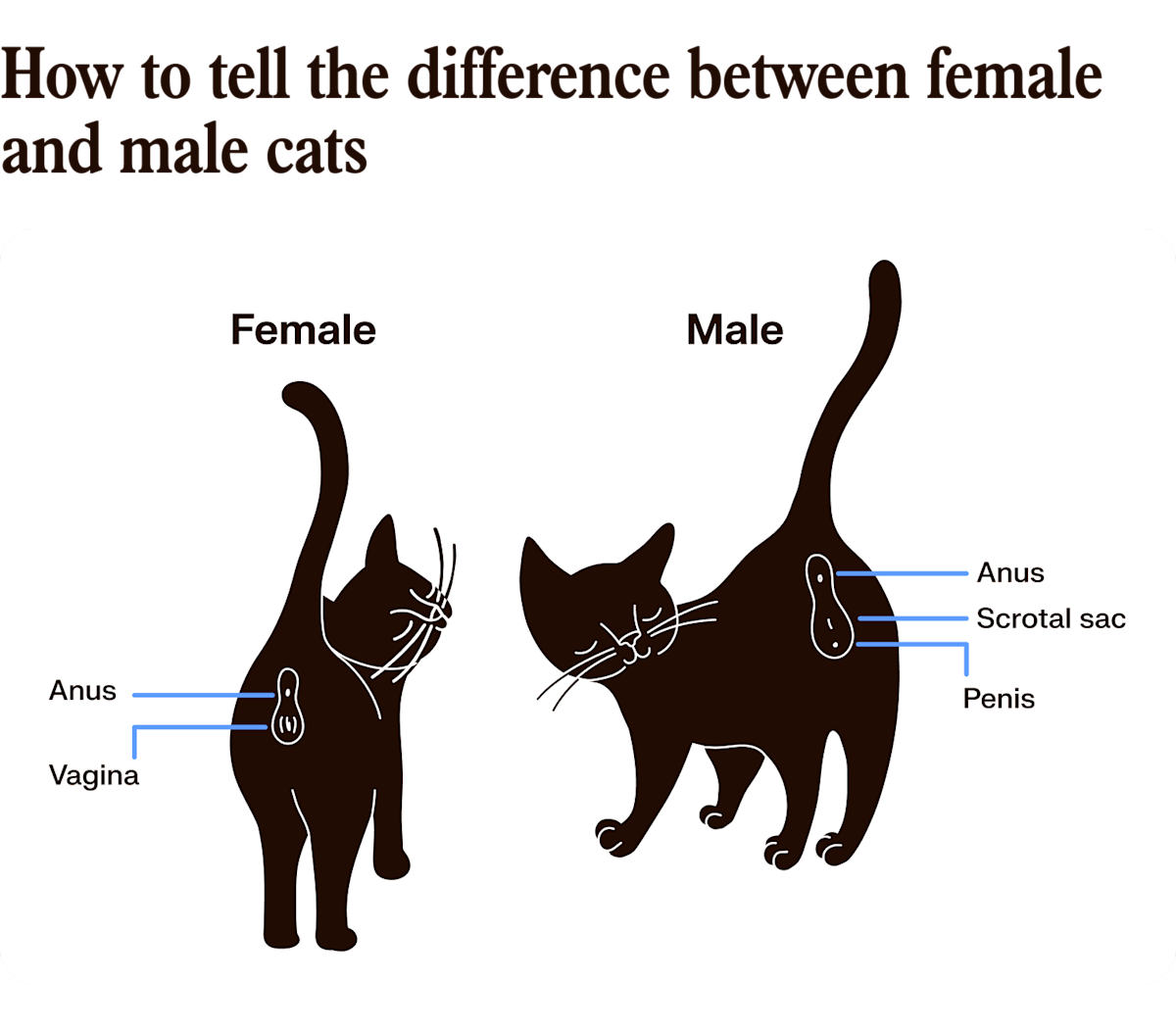
Male cats start showing physical signs of maturity around six to nine months old. Their testicles become more visible and larger. The body grows muscular, and they gain weight. Fur texture may change, becoming thicker or coarser. These changes indicate readiness for mating.
Behavioral Changes Indicating Readiness
Behavior shifts are strong signs of mating readiness. Males begin to spray urine to mark territory. They may become more vocal, making loud yowls or howls. Aggression or restlessness can increase, especially around females. These behaviors show the cat’s drive to find a mate.
Signs Of Sexual Maturity
Recognizing the signs of sexual maturity in male cats helps you understand when they begin mating behaviors. These signs are clear and often come with noticeable changes in how your cat interacts with his environment and other animals. Paying attention to these behaviors can also guide you in managing your cat's needs responsibly.
Vocalizations And Marking
One of the first signs your male cat is reaching sexual maturity is a change in his vocalizations. You might hear louder, more persistent yowling, especially at night. This loud calling is his way of attracting females and announcing his presence.
Along with vocal changes, marking behavior becomes more frequent. Your cat may spray urine on furniture, walls, or doorways to leave his scent. This scent marking is a clear signal to other cats that he is sexually mature and ready to mate.
Aggression And Territorial Behavior
Sexual maturity often brings increased aggression. Your cat might become more defensive or hostile toward other cats and even people. This is especially true if he senses a rival nearby.
Territorial behavior spikes as he tries to protect his space and potential mates. You might notice him patrolling the yard more often or scratching surfaces to leave visual and scent marks. Understanding these actions can help you manage his environment to reduce conflicts.
Factors Influencing Mating Age
The age at which male cats begin mating varies widely. Several factors influence this important stage in their lives. Understanding these factors helps explain why some male cats start mating earlier than others. These elements include breed, nutrition, health, and environment. Each plays a distinct role in shaping mating behaviors and readiness.
Breed And Genetics
Different cat breeds mature at different rates. Some breeds reach sexual maturity faster due to their genetics. Larger breeds might take longer to start mating. Smaller or mixed breeds often mature earlier. Genetic factors determine hormone levels, affecting mating age. Breeders notice these patterns when selecting cats for breeding programs.
Nutrition And Health
Good nutrition speeds up growth and development in male cats. Cats with balanced diets reach mating age sooner. Poor nutrition can delay sexual maturity. Health problems also affect hormone production and mating behavior. Regular vet check-ups ensure male cats stay healthy and ready. A strong immune system supports early and successful mating.
Environment And Social Interactions
Living conditions influence mating age in male cats. Cats in stressful or crowded environments may delay mating. Social interaction with females can trigger mating behaviors earlier. Outdoor cats often mature faster than indoor-only cats. Territory and competition also play roles in when males start mating. Calm surroundings support natural development and readiness.

Credit: www.aol.com
Typical Mating Age Range
Understanding the typical mating age range for male cats can help you better manage their health and behavior. Male cats reach sexual maturity at different times, and knowing this range allows you to anticipate changes in their actions. It also helps you decide when to spay or neuter your cat to prevent unwanted litters.
Early Mating Cases
Some male cats can start showing mating behavior as early as 5 to 6 months old. This early maturity often surprises pet owners who aren’t prepared for the aggressive marking or roaming that follows. In these cases, the cat’s environment and genetics play a big role—if the cat grows up around females in heat, it might mature faster.
If you’ve noticed your young male cat spraying or trying to escape the house, it might be a sign he’s ready to mate. Addressing this early can save you from dealing with unexpected kittens or territorial fights.
Average Age For Most Males
Most male cats typically start mating between 7 and 12 months old. During this period, their bodies develop fully, and they gain the strength needed for mating behaviors. This is the common window when you’ll see increased vocalization, scent marking, and attempts to find a mate.
Have you ever wondered why your male cat suddenly becomes more restless or aggressive around this age? It’s often because of these hormonal changes linked to mating readiness. If you’re planning to neuter your cat, this age range is a good guideline to consider for timing the procedure.
Risks Of Early Mating
Allowing male cats to mate too early carries several risks. Young males might face health problems and behavior issues. Their bodies and minds are not ready for reproduction. Understanding these risks helps cat owners make better choices.
Health Concerns
Early mating puts strain on a young cat’s body. Their reproductive organs may not be fully developed. This can cause infections and injuries. Young cats also have weaker immune systems. They become more prone to diseases. Early mating can lower their life expectancy. It may also lead to genetic problems in offspring.
Behavioral Problems
Male cats that mate early often show aggressive behavior. They may fight more with other cats. Marking territory with strong smells increases. These cats can become restless and anxious. Early mating can disrupt social skills. It might cause problems with humans and other pets.
Credit: www.pets4homes.co.uk
Managing Male Cat Mating Behavior
Managing male cat mating behavior can be challenging but is essential for a peaceful home and the health of your pet. Understanding how to control and guide this natural instinct helps you avoid unwanted litters and behavioral issues. You can maintain a happy environment for both your cat and yourself with the right approach.
Neutering Benefits And Timing
Neutering is one of the most effective ways to manage mating behavior in male cats. It reduces the urge to roam, fight, and mark territory with strong-smelling spray. Cats neutered before reaching sexual maturity—usually around 5 to 6 months old—show fewer aggressive and mating-related behaviors.
Timing matters. Early neutering can prevent the onset of unwanted behaviors before they become habits. If your male cat is already exhibiting strong mating instincts, neutering still helps but might not eliminate all behaviors immediately.
Have you noticed how neutered cats often become calmer and more affectionate? This change can improve your bond and reduce stress for both of you.
Behavioral Training Techniques
Besides neutering, training plays a key role in managing mating behavior. Redirect your cat’s energy by providing toys and interactive play sessions to keep them mentally and physically stimulated. This reduces boredom, which can increase unwanted behaviors.
Use positive reinforcement to reward calm and non-aggressive behavior. For example, give treats or affection when your cat avoids spraying or excessive vocalizing. Consistency is crucial—cats learn best when they clearly associate good behavior with rewards.
If your cat starts to roam or display mounting behavior, gently distract them with a toy or call them to a quiet area. Over time, this helps break the habit and teaches them alternative ways to express their energy.
Credit: www.kinship.com
Frequently Asked Questions
At What Age Do Male Cats Reach Sexual Maturity?
Male cats typically reach sexual maturity around 6 to 12 months old. This is when they start showing mating behaviors and can reproduce.
When Do Male Cats Start Seeking Mates?
Male cats usually begin seeking mates between 6 to 12 months of age, depending on their health and environment.
How Does Neutering Affect Male Cat Mating Age?
Neutering before sexual maturity prevents mating behaviors. It is recommended before 6 months to avoid early reproduction.
Can Male Cats Mate Before One Year Old?
Yes, male cats can start mating as early as 6 months, although some may begin closer to 12 months.
Conclusion
Male cats usually start mating around six to twelve months old. This age can vary depending on the cat’s health and environment. Understanding this helps owners manage their pets better. It also prevents unwanted litters and promotes responsible care. Remember, early mating can affect a cat’s behavior and health.
Keeping male cats neutered is a safe choice for most owners. This simple step supports your cat’s well-being and community health. Knowing when male cats start mating is key to good pet care.

Lily Purrington is the founder of MyKittyPicks.com, a cozy corner of the web dedicated to helping cat lovers discover the best cat products, furniture, toys, and home decor ideas.
A lifelong cat enthusiast, Lily shares trusted tips, honest product recommendations, and stylish inspiration designed to keep kitties happy and homes beautiful.
Her mission is simple: to bring together practical advice and purr-fect picks that make life better for cats and the people who love them.


