

Have you ever wondered if dental disease in your cat could be more serious than just bad breath or a little discomfort? You might be surprised to learn that ignoring your cat’s oral health can lead to serious problems, even life-threatening ones.
Understanding the risks and signs of dental disease is crucial to keeping your furry friend healthy and happy. You’ll discover why dental disease in cats isn’t something to take lightly—and what you can do to protect your beloved pet. Keep reading to learn how dental health can impact your cat’s overall well-being and how to spot the warning signs before it’s too late.
Causes Of Dental Disease In Cats
Dental disease is common in cats and can lead to serious health problems. Understanding the causes helps protect your cat’s teeth and gums. This guide explains the main causes and risks.
Good dental care starts with knowing what types of dental issues cats face. Some conditions develop slowly and may cause pain or infection if not treated.
Common Types Of Dental Issues
Cats can suffer from different dental problems. These affect their teeth, gums, or both. Some common issues include:
- Plaque and tartar buildup
- Gingivitis, which is gum inflammation
- Periodontal disease affecting tissues around teeth
- Tooth resorption where tooth structure breaks down
- Stomatitis causing mouth ulcers and pain
Risk Factors And Triggers
Certain conditions and habits increase the chance of dental disease in cats. Owners should watch for these risk factors to help prevent problems.
| Risk Factor | How It Affects Dental Health |
| Age | Older cats are more likely to have dental disease. |
| Poor Diet | Foods high in soft or sticky content increase plaque. |
| Lack of Dental Care | Missing regular teeth cleaning leads to buildup. |
| Breed | Some breeds have a higher risk of dental issues. |
| Underlying Illness | Diseases like diabetes weaken oral health. |
Credit: www.msn.com
Signs Your Cat May Have Dental Problems
Dental disease in cats is common and can cause pain and health issues. Early signs help catch problems before they get worse.
Watch your cat’s behavior and look for physical symptoms. These clues show if your cat needs dental care.
Behavioral Changes To Watch
Cats with dental problems often act differently. They may hide or avoid being touched near their mouth.
Other behaviors include eating less or dropping food while eating. Your cat might also paw at its face.
- Hiding more than usual
- Reluctance to eat or drink
- Dropping food while eating
- Swelling or pawing at the face
- Avoiding petting near the mouth
Physical Symptoms And Indicators
Look inside your cat’s mouth if possible. Red, swollen gums or bad breath are common signs of dental disease.
Other signs include loose teeth or visible tartar buildup. You might see drooling or notice bleeding from the gums.
- Red or swollen gums
- Bad breath
- Tartar buildup on teeth
- Loose or missing teeth
- Drooling or bleeding gums
Health Risks Linked To Untreated Dental Disease
Dental disease is common in cats and can cause serious health problems. If left untreated, it can harm more than just their teeth.
Understanding the risks helps cat owners protect their pets from pain and illness caused by dental issues.
Impact On Overall Health
Untreated dental disease causes pain and infection in the mouth. This makes it hard for cats to eat and enjoy life.
Bacteria from the mouth can enter the bloodstream. This spreads infection to important organs and weakens the immune system.
- Painful chewing and eating problems
- Bad breath and mouth sores
- Bacteria moving to heart, liver, and kidneys
- Lowered ability to fight other illnesses
Potential Fatal Complications
If dental disease is ignored, it may lead to life-threatening problems. Serious infections can damage vital organs.
Severe infections can cause organ failure and death. Early dental care prevents these dangerous complications.
- Heart infections (endocarditis) from bacteria
- Kidney and liver damage due to infection
- Sepsis from widespread infection
- Weight loss and weakness from pain
Diagnosing Dental Disease In Cats
Dental disease in cats can cause pain and health problems. Early diagnosis helps treat it effectively.
Recognizing dental issues requires a careful check by a veterinarian. They use specific exams and tools.
Veterinary Examination Procedures
A vet starts by looking inside the cat’s mouth. They check teeth, gums, and oral tissues for signs of disease.
The vet may gently feel the teeth and gums to find pain or swelling. Checking breath odor helps too.
- Visual inspection for redness, swelling, or broken teeth
- Palpation to detect lumps or sore spots
- Assessment of the cat’s chewing and eating habits
- Observation of mouth pain signs like drooling or pawing
Diagnostic Tools And Tests
Vets use special tools to see problems not visible to the eye. These tests help confirm dental disease.
Dental X-rays show damage under the gums. Blood tests check for infections or other health issues.
- Dental X-rays reveal tooth root and bone health
- Oral swabs may test for bacteria or viruses
- Blood tests assess overall health and infection
- Anesthesia may be used for a full mouth exam
Effective Prevention Strategies
Cats can suffer from dental disease, which may lead to serious health problems. Preventive care is essential to keep your cat's teeth and gums healthy.
Regular maintenance and good habits can reduce the risk of dental disease in cats. Let’s explore some effective strategies.
Home Dental Care Tips
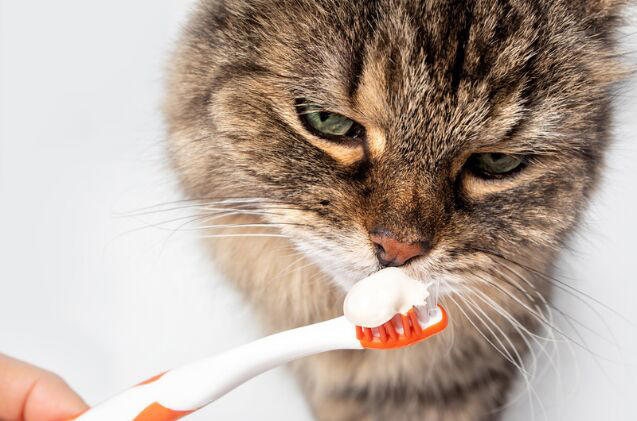
Home dental care is a vital part of keeping your cat’s mouth healthy. Regular cleaning helps prevent plaque and tartar buildup.
- Brush your cat’s teeth daily with a pet-safe toothpaste
- Use dental wipes or pads for easy cleaning
- Provide dental treats that help clean teeth
- Introduce dental toys to encourage chewing
Diet And Nutrition Choices
What your cat eats can affect its dental health. A balanced diet supports strong teeth and gums.
Choose foods that promote oral health and reduce plaque. Consider both wet and dry food options.
- Provide crunchy kibble to help clean teeth
- Include wet food to ensure proper hydration
- Look for foods with added dental benefits
- Avoid sugary or sticky treats
Regular Veterinary Checkups
Veterinary checkups are important for early detection of dental issues. Regular exams can prevent severe problems.
Schedule dental cleanings with your vet to maintain your cat's oral health. Professional care is essential for deep cleaning.
- Visit the vet at least once a year for dental exams
- Discuss any signs of dental discomfort with your vet
- Consider professional cleanings to remove tartar
- Follow your vet’s recommendations for dental care

Credit: www.alleycat.org
Treatment Options For Dental Disease
Cats can suffer from dental disease, which needs proper care. Treatment helps improve their health and comfort.
Various treatments are available to address dental issues in cats. Professional care is often necessary.
Professional Dental Cleaning
Professional cleaning removes plaque and tartar. This is done by a veterinarian under anesthesia.
Regular cleanings can prevent more serious health issues. Consult your vet for a suitable schedule.
Medications And Therapies
Medications help manage pain and infection. Antibiotics and pain relief are common prescriptions.
- Antibiotics to fight infection
- Pain relief for comfort
- Special diets to support dental health
Surgical Interventions
Surgery may be needed for severe cases. This includes tooth extraction or treating gum disease.
| Surgical Option | Purpose |
| Tooth Extraction | Remove damaged teeth |
| Gum Surgery | Treat severe gum disease |
Maintaining Long-term Dental Health
Dental disease in cats can cause pain and other health problems. Keeping their teeth healthy helps them live longer.
Good dental care is important to prevent serious issues that can become fatal. Regular care keeps your cat comfortable.
Routine Care Practices
Brush your cat’s teeth regularly using a pet-safe toothpaste. This removes plaque before it turns into tartar.
Feed dental-friendly food and treats. These help reduce bacteria and keep gums healthy.
- Brush teeth at least three times a week
- Use special dental diets or treats
- Provide fresh water daily
- Offer chew toys that clean teeth
Monitoring And Follow-up
Watch for signs of dental problems like bad breath, drooling, or difficulty eating. Early detection is key.
Schedule regular vet check-ups. The vet can clean your cat’s teeth and check for hidden issues.
- Look for red or swollen gums
- Check for loose or broken teeth
- Visit the vet every six months
- Follow vet advice for treatments

Credit: www.petscare.com
Frequently Asked Questions
Can Dental Disease In Cats Cause Death?
Yes, untreated dental disease can lead to fatal complications. Infection may spread to vital organs, causing severe health issues.
How Can I Spot Dental Disease In My Cat?
Look for bad breath, drooling, difficulty eating, and red gums. Regular vet checks help detect issues early and prevent severity.
Is Dental Disease Common In Older Cats?
Yes, dental problems increase with age. Older cats often develop gum disease and tooth decay, requiring prompt dental care.
Can Dental Disease Affect My Cat’s Overall Health?
Absolutely. Dental infections can impact the heart, kidneys, and liver, leading to serious systemic illnesses in cats.
Conclusion
Dental disease in cats can lead to serious health problems. Untreated issues may cause pain, infections, and even death. Regular check-ups help catch problems early and keep cats healthy. Good dental care at home reduces risks and improves their quality of life.
Watch for signs like bad breath or difficulty eating. Acting quickly makes a big difference. Protect your cat’s smile and overall health with simple steps. Don’t ignore dental health—it matters more than many think.

Lily Purrington is the founder of MyKittyPicks.com, a cozy corner of the web dedicated to helping cat lovers discover the best cat products, furniture, toys, and home decor ideas.
A lifelong cat enthusiast, Lily shares trusted tips, honest product recommendations, and stylish inspiration designed to keep kitties happy and homes beautiful.
Her mission is simple: to bring together practical advice and purr-fect picks that make life better for cats and the people who love them.


