

Your cat’s smile is more than just adorable—it’s a sign of their overall health. But did you know that gum disease is one of the most common problems pets face?
If you want to keep your furry friend happy and pain-free, learning how to prevent gum disease is a must. You’ll discover simple, effective steps you can take right now to protect your cat’s teeth and gums. Keep reading to find out how easy it is to give your cat the healthy mouth they deserve.
Credit: www.purina.com
Causes Of Gum Disease In Cats
Gum disease is common in cats and can cause pain and tooth loss. It happens when the gums become swollen or infected.
Understanding the causes helps cat owners prevent this problem early. Let’s look at the main reasons cats get gum disease.
Bacterial Buildup
Bacteria collect on a cat’s teeth and gums. This creates a sticky layer called plaque. If not cleaned, plaque hardens into tartar.
Tartar irritates the gums and leads to infection. Regular cleaning can stop bacteria from building up.
Diet And Nutrition
A cat’s diet affects its dental health. Soft or wet food can leave more residue on teeth. This feeds bacteria and causes plaque.
Dry food helps clean teeth by scraping off some plaque. Feeding a balanced diet supports strong gums and teeth.
- Wet food can increase plaque buildup
- Dry food helps reduce tartar formation
- Balanced nutrition keeps gums healthy
Genetic Factors
Some cats have genes that make them prone to gum disease. Certain breeds get it more often than others.
Genetic factors can affect how the immune system fights bacteria. These cats need extra dental care.
Age And Health Conditions
Older cats are more likely to get gum disease. Aging weakens gums and teeth. It also slows healing.
Some health problems like diabetes or kidney disease increase risk. These conditions reduce the cat’s ability to fight infections.
Signs Of Gum Disease
Gum disease in cats is a common problem. It can cause pain and affect their health.
Knowing the signs helps you act early and keep your cat comfortable.
Red Or Swollen Gums
Healthy cat gums are usually pink. Red or swollen gums show irritation.
This swelling means the gums are inflamed. It is an early sign of gum disease.
Bad Breath
Bad breath in cats can signal gum disease. It happens because bacteria build up.
If your cat’s breath smells bad often, check their mouth for other signs.
Difficulty Eating
Cats with gum disease may eat less or avoid hard food. Eating becomes painful.
Watch for signs like dropping food or chewing only on one side.
- Reluctance to eat dry kibble
- Slow chewing or pawing at the mouth
- Weight loss from eating less
Excessive Drooling
Drooling more than usual can mean your cat is in pain. Gum disease causes this.
Look for wet fur around the mouth or on their chin from saliva.
Daily Dental Care
Taking care of your cat’s teeth every day helps stop gum disease. Good daily care keeps their mouth healthy and pain-free.
Small habits can protect your cat’s gums and teeth. Learning simple dental care steps is important for your pet’s well-being.
Brushing Techniques
Use a soft-bristled toothbrush made for cats. Gently brush in small circles along the gum line. Focus on the outside of the teeth.
Keep brushing sessions short and calm. Let your cat get used to the brush slowly to avoid stress.
Choosing The Right Toothpaste
Only use toothpaste made for cats. Human toothpaste can harm them. Cat toothpaste often comes in flavors they like.
- Check the label for pet-safe ingredients
- Pick flavors your cat prefers, like poultry or fish
- Avoid toothpaste with fluoride or xylitol
- Ask your vet for toothpaste recommendations
Frequency Of Brushing
Brush your cat’s teeth regularly to prevent plaque build-up. Daily brushing is best, but at least three times a week helps.
| Brushing Frequency | Benefits |
| Daily | Best plaque control and gum health |
| 3-4 times a week | Good maintenance with less effort |
| Once a week | Some cleaning but less effective |
| Less than once a week | Risk of gum disease and tooth problems |
Diet And Chew Toys
Keeping your cat’s teeth clean helps prevent gum disease. Good diet and chew toys play key roles. They support dental health by reducing plaque and tartar.
Feeding the right food and giving safe chew toys can keep your cat’s gums healthy. These habits make a big difference.
Dental-friendly Diet Options
Dry food is better than wet food for cleaning teeth. It helps scrape off plaque while your cat chews. Look for kibble made for dental health.
Some special dental diets contain ingredients that reduce tartar. These foods support gum health and freshen breath.
- Dry kibble designed for dental care
- Foods with enzymes to reduce plaque
- High-quality protein to support overall health
Role Of Chew Toys In Cleaning Teeth
Chew toys help clean your cat’s teeth by scraping away plaque. They also massage the gums and reduce bad breath. Choose toys that are safe and made for cats.
Regular chewing keeps teeth strong and gums healthy. It is a fun way for cats to care for their mouths.
- Choose rubber or nylon chew toys
- Avoid small toys that can be swallowed
- Replace worn-out toys to keep chewing effective
Avoiding Harmful Foods
Some foods can harm your cat’s teeth and gums. Avoid sugary treats and sticky foods that stick to teeth. These increase plaque and gum problems.
Do not feed your cat bones or hard items that can break teeth. Keep human food like onions and garlic away, as they are toxic to cats.
- No sugary or sticky treats
- No cooked or raw bones
- No onions, garlic, or toxic human foods
Regular Vet Checkups
Regular vet checkups help keep your cat’s mouth healthy. They catch problems early before they get worse.
Visiting the vet often lets you protect your cat from gum disease and other health issues.
Professional Dental Cleanings
Vets clean your cat’s teeth to remove plaque and tartar. This stops gum disease from developing.
Professional cleanings reach areas you cannot clean at home. They keep your cat’s gums strong.
Early Detection Of Problems
Vets check your cat’s mouth for signs of gum disease. Early detection helps treat problems quickly.
Look for redness, swelling, or bad breath. Your vet can spot these signs during a checkup.
Vaccinations And Overall Health
Vaccinations keep your cat’s immune system strong. A healthy cat fights infections better, including gum disease.
Regular health exams help vets check your cat’s whole body. This supports healthy gums and teeth.

Credit: justcatsclinic.com
Home Remedies And Products
Gum disease in cats can lead to serious health issues. Preventing it is important for your pet’s well-being. You can use home remedies and products to help maintain your cat's dental health.
Here are some simple and effective solutions to prevent gum disease in cats. These include water additives, dental treats, and natural remedies.
Water Additives
Water additives are easy to use. They mix with your cat’s drinking water. These help reduce plaque and tartar buildup.
- Choose additives specifically for cats.
- Follow the instructions on the label.
- Ensure fresh water is always available.
Dental Treats
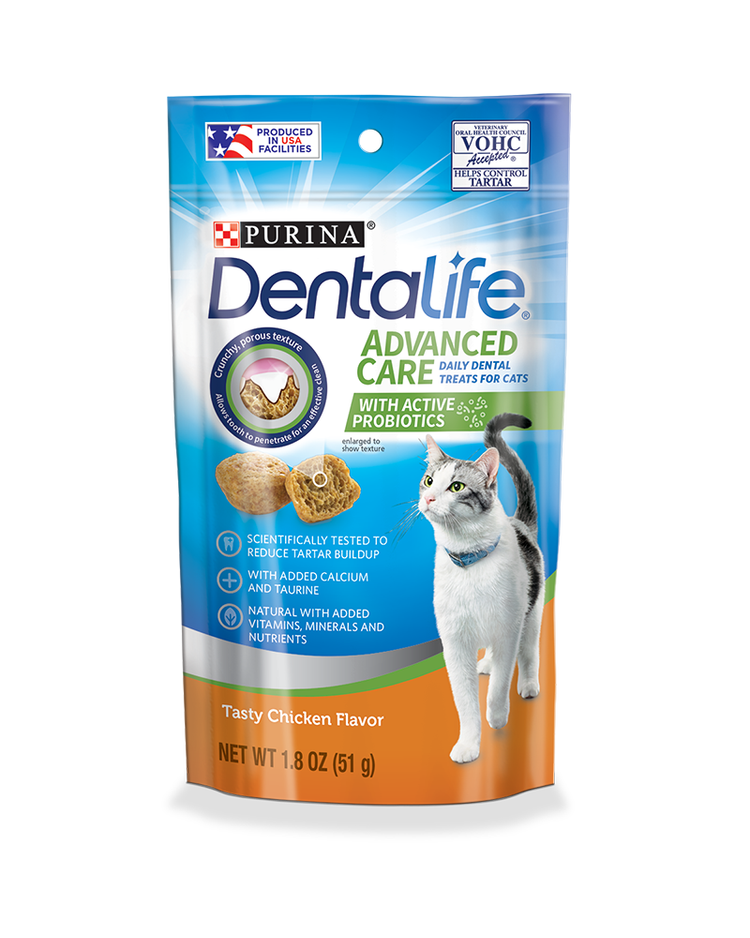
Dental treats help clean your cat's teeth. They remove food particles and reduce plaque.
| Product | Benefit |
| Treat A | Reduces tartar |
| Treat B | Freshens breath |
| Treat C | Strengthens gums |
Natural Remedies
Natural remedies can be a gentle way to care for your cat’s gums. These include herbal solutions and dietary changes.
When To Seek Veterinary Care
Cats can suffer from gum disease, which can lead to serious health issues. It’s important to know when your cat needs to see a vet.
Timely veterinary care can prevent complications and keep your cat healthy. Look out for these signs to decide when to seek help.
Persistent Symptoms
If your cat has symptoms that don’t go away, it’s time to see a vet. Common signs include bad breath and red gums.
Keep an eye on your cat’s eating habits. If they eat less or avoid food, it could be a sign of gum issues.
- Continuous bad breath
- Red or swollen gums
- Loss of appetite
Pain Or Discomfort
Cats often hide their pain. If your cat shows signs of discomfort, consult a vet. Look for difficulty in chewing or pawing at the mouth.
Be alert if your cat becomes irritable or avoids being touched around the mouth. These behaviors can indicate pain.
- Chewing on one side
- Pawing at the mouth
- Avoiding head pats
Advanced Gum Disease Signs
Advanced gum disease can cause severe problems. Seek immediate care if you notice bleeding gums or pus.
Watch for loose teeth or receding gums. These are serious signs that need urgent attention.
- Bleeding gums
- Loose teeth
- Receding gums

Credit: justcatsclinic.com
Frequently Asked Questions
What Are Common Signs Of Gum Disease In Cats?
Common signs include bad breath, red or swollen gums, drooling, and difficulty eating. Early detection helps prevent severe damage.
How Often Should I Brush My Cat’s Teeth?
Brush your cat’s teeth daily or at least 3-4 times a week. Regular brushing reduces plaque buildup and prevents gum disease.
Which Foods Help Prevent Gum Disease In Cats?
Dry kibble and dental-specific cat foods help reduce plaque. Avoid sugary treats and provide balanced nutrition for healthy gums.
Can Professional Dental Cleanings Prevent Gum Disease?
Yes, professional cleanings remove tartar and plaque below the gum line. Regular vet visits are essential for gum health.
Conclusion
Healthy gums keep your cat happy and pain-free. Regular brushing helps stop plaque build-up. Feed your cat a balanced diet for strong teeth. Visit the vet often to catch problems early. Watch for signs like bad breath or red gums.
Small steps each day can protect your cat’s smile. Taking care now saves trouble later. Keep your furry friend comfortable and healthy. Simple care makes a big difference in gum health. Your cat will thank you with purrs and play.

Lily Purrington is the founder of MyKittyPicks.com, a cozy corner of the web dedicated to helping cat lovers discover the best cat products, furniture, toys, and home decor ideas.
A lifelong cat enthusiast, Lily shares trusted tips, honest product recommendations, and stylish inspiration designed to keep kitties happy and homes beautiful.
Her mission is simple: to bring together practical advice and purr-fect picks that make life better for cats and the people who love them.


