

Have you ever wondered if you can simply flush your cat’s litter down the toilet? It sounds like a quick and easy way to clean the litter box, but is it really safe for your plumbing and the environment?
Before you make a decision, it’s important to understand the risks and facts behind flushable cat litter. Keep reading to find out what you need to know to protect your home and make the best choice for your furry friend.
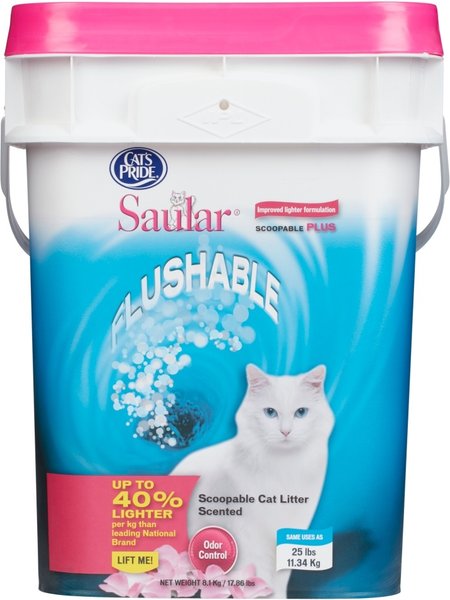
Credit: www.chewy.com
Types Of Cat Litter
Choosing the right cat litter can change your daily routine more than you might expect. Different types of litter offer various benefits and challenges, especially when you think about disposal options like flushing. Understanding the main categories helps you decide what works best for your cat and your plumbing.
Clay-based Litters
Clay-based litters are the most common and affordable option. They clump well, making it easy to scoop out waste. However, they are not flushable because they can clog pipes and damage septic systems.
Have you ever wondered why some clays feel heavier and dustier? That’s because they are made from bentonite, a mineral that expands when wet. While effective at odor control, this type is environmentally unfriendly and should always go in the trash.
Biodegradable Litters
Biodegradable litters come from natural materials like corn, wheat, pine, or paper. Many brands advertise these litters as flushable, but you should check the packaging and local regulations first.
These litters break down more easily in water, but they still can cause plumbing issues if flushed in large amounts. I once switched to a corn-based litter that claimed to be flushable, but after a few uses, my plumber warned me to stop flushing it to avoid blockages.
Silica Gel Litters
Silica gel litters use tiny crystals to absorb moisture and control odor. They don’t clump like clay or biodegradable litters, and flushing them is a bad idea.
These crystals can harden and cause serious plumbing problems. If you want a low-dust, low-maintenance option, silica gel might be your pick, but always dispose of it in the trash.

Credit: catit.ca
Common Myths About Flushable Litter
Many people believe flushable cat litter is safe to flush without harm. Myths spread quickly about what flushable really means. Some assume all litters break down easily in water or are safe for plumbing. Others think flushable litter is always good for the environment. These ideas need careful examination.
All Litters Are Flushable
Not all cat litters dissolve in water. Clay-based litters do not break apart and cause clogs. Only some natural litters claim to be flushable. Always check the label before flushing. Flushing the wrong litter can block pipes and damage plumbing.
Flushable Means Environmentally Safe
Flushable does not always mean eco-friendly. Some flushable litters still contain chemicals or non-biodegradable materials. These can harm water systems and wildlife. True environmental safety depends on ingredients and how litter breaks down in water.
Septic Systems Can Handle Any Litter
Septic tanks are delicate systems. Some litters can upset the bacteria that break down waste. Clay litters do not dissolve and build up in septic tanks. Even some flushable litters may cause problems. Always use septic-safe products to protect your system.
Facts On Flushable Cat Litter
The debate over whether cat litter is flushable is a hot topic among pet owners. Many of us are looking for convenient ways to manage pet waste without harming the environment or our plumbing. Let’s dig into the facts about flushable cat litter to see if it’s truly a viable option for you and your feline friend.
Manufacturer Claims Vs Reality
Manufacturers often advertise their cat litter products as flushable, highlighting their biodegradable and septic-safe properties. These claims are appealing, offering a simple solution to dispose of waste without extra hassle. However, the reality can be quite different.
Many users report issues after flushing cat litter, such as clogged toilets and damaged pipes. The distinction between what is labeled flushable and what actually breaks down efficiently in water is crucial. Have you ever had to call a plumber because of a ‘flushable’ product?
Impact On Plumbing And Sewers
Flushing cat litter can have significant impacts on plumbing and sewer systems. Even products labeled as flushable can cause blockages, leading to costly repairs. Small particles from the litter can accumulate, creating clogs over time.
Moreover, the litter may not disintegrate completely, exacerbating the problem. You might ask yourself, is the convenience worth the potential headache and expense?
Environmental Considerations
From an environmental perspective, flushable cat litter poses challenges. While some products claim to be eco-friendly, they can still contribute to water pollution if not fully decomposed before reaching treatment facilities.
Additionally, the production and disposal process of these litters may not be as green as advertised. Consider whether the environmental cost aligns with your values and goals for sustainability. Could there be more eco-conscious alternatives that suit your needs?
Weighing these factors can help you make an informed decision about whether flushing cat litter is the right choice for you and your home.

Credit: www.amazon.ca
Health Risks Of Flushing Cat Litter
Flushing cat litter might seem like a quick and easy way to dispose of waste, but it carries hidden health risks that many overlook. The dangers extend beyond just plumbing issues; they can affect your health and the environment. Understanding these risks helps you make safer choices for you and your family.
Toxoplasmosis Concerns
Toxoplasmosis is a serious infection caused by the parasite Toxoplasma gondii, which can be present in cat feces. When cat litter containing this parasite is flushed, it can enter water systems and potentially infect humans.
Pregnant women and people with weakened immune systems are especially vulnerable. Have you considered how flushing litter might expose your loved ones to this risk?
Keeping cat waste out of the toilet helps reduce the spread of this parasite and protects your household from unexpected health issues.
Water Contamination Risks
Flushed cat litter can introduce harmful substances into wastewater. Chemicals used in some litters, like clumping agents and fragrances, don’t break down easily and may pollute water sources.
Wastewater treatment plants are not designed to filter out all the toxins and parasites from cat litter. This means contaminants can leak into rivers, lakes, and even drinking water supplies.
Think about the impact on local ecosystems and your community’s water quality when you flush litter. Choosing safer disposal methods helps prevent this pollution and keeps water cleaner for everyone.
Safe Disposal Methods
Safe disposal of cat litter is important for the environment and plumbing. Some cat litters are not flushable and can cause blockages. Choosing the right disposal method helps keep your home and community clean. Here are some safe ways to dispose of cat litter properly.
Regular Trash Disposal
Most cat litter should go in the trash. Scoop the used litter into a sealed bag. This prevents odors and keeps pests away. Place the bag in your outdoor garbage bin. Avoid flushing litter down the toilet to protect plumbing.
Composting Options
Some natural cat litters can be composted. Use litter made from materials like wood, paper, or corn. Avoid composting litter with waste from sick cats. Compost the litter separately from food scraps. This method reduces landfill waste and benefits your garden.
Specialized Waste Programs
Some areas have special programs for pet waste. These services safely handle and process cat litter. Check local waste management websites for options. Using these programs supports safe and eco-friendly disposal. Keep your community clean by following their guidelines.
Tips For Managing Cat Waste Responsibly
Managing cat waste responsibly keeps your home clean and protects the environment. Proper care reduces odors, waste buildup, and plumbing issues. Follow simple tips to handle cat litter safely and effectively.
Choosing The Right Litter
Select litter that suits your cat’s needs and your disposal options. Clay-based litters often should not be flushed. Biodegradable litters made from corn, wheat, or wood offer eco-friendly alternatives. Check product labels for flushability and environmental impact. Consider dust levels and scent to keep the air fresh.
Cleaning And Maintenance Practices
Scoop waste daily to prevent odor and bacteria growth. Replace litter completely every one to two weeks. Wash the litter box with mild soap regularly to avoid stains and smells. Use gloves during cleaning to protect your hands. Dispose of waste in sealed bags to reduce odor and mess.
Educating Household Members
Inform everyone in the home about proper litter use and disposal. Explain why flushing some litters causes plumbing problems. Share tips on scooping and cleaning routines. Encourage consistency to keep the litter box area tidy. Create simple rules to follow for all family members.
Frequently Asked Questions
Is Cat Litter Safe To Flush Down The Toilet?
Most cat litters are not safe to flush. Clay-based litters can clog pipes and harm plumbing. Some biodegradable litters claim to be flushable, but always check the packaging first. Flushing cat litter can also harm septic systems and the environment.
What Happens If You Flush Cat Litter?
Flushing cat litter can cause pipe blockages and septic system damage. Clay litter expands when wet, causing clogs. It can also introduce harmful pathogens into water systems. Avoid flushing to protect plumbing and local water quality.
Are There Flushable Cat Litter Brands Available?
Yes, some brands offer flushable, biodegradable cat litter made from natural materials like corn or wheat. These break down in water and are safer for plumbing. Always verify flushability claims on packaging and follow disposal instructions carefully.
Can Flushing Cat Litter Harm The Environment?
Yes, flushed cat litter can pollute waterways and harm aquatic life. Clay litter does not break down easily, leading to environmental damage. Flushable litters have less impact but should still be used with caution to protect ecosystems.
Conclusion
Cat litter is not always safe to flush down toilets. Many types can clog pipes and harm the environment. Always check the packaging for flushable labels. Choose litter made from natural materials for easier disposal. Remember, flushing non-flushable litter can cause costly plumbing problems.
Dispose of cat waste properly to protect your home and nature. Taking simple steps helps keep water systems clean and safe. Keep your cat happy and your home worry-free by using the right litter. Simple care makes a big difference.

Lily Purrington is the founder of MyKittyPicks.com, a cozy corner of the web dedicated to helping cat lovers discover the best cat products, furniture, toys, and home decor ideas.
A lifelong cat enthusiast, Lily shares trusted tips, honest product recommendations, and stylish inspiration designed to keep kitties happy and homes beautiful.
Her mission is simple: to bring together practical advice and purr-fect picks that make life better for cats and the people who love them.


