

Have you ever wondered if you can flush your cat’s litter down the toilet? It seems like a quick and easy way to get rid of the mess, right?
But before you do, it’s important to know what really happens when cat litter meets your plumbing. Flushing the wrong type of litter could cause serious problems for your pipes, your septic system, and even the environment. You’ll discover the truth about flushing cat litter, learn which types might be safe, and find out the best ways to dispose of it without risk.
Keep reading to protect your home and keep your furry friend’s litter routine safe and simple.
Types Of Cat Litter
Choosing the right type of cat litter can make a big difference in managing your cat’s bathroom habits and your home’s cleanliness. Different litters have unique properties that affect everything from odor control to how easy they are to dispose of. Understanding these types helps you decide if flushing cat litter is a safe and practical option for you.
Clumping Vs Non-clumping
Clumping cat litter forms solid clumps when it gets wet, making it easier to scoop out urine and feces. This type is popular because it helps keep the litter box clean without replacing all the litter frequently.
Non-clumping litter absorbs moisture but doesn’t form clumps. It often needs changing more often and can be messier to clean. When thinking about flushing, clumping litter can cause plumbing issues since the clumps don’t break down easily in water.
Biodegradable Options
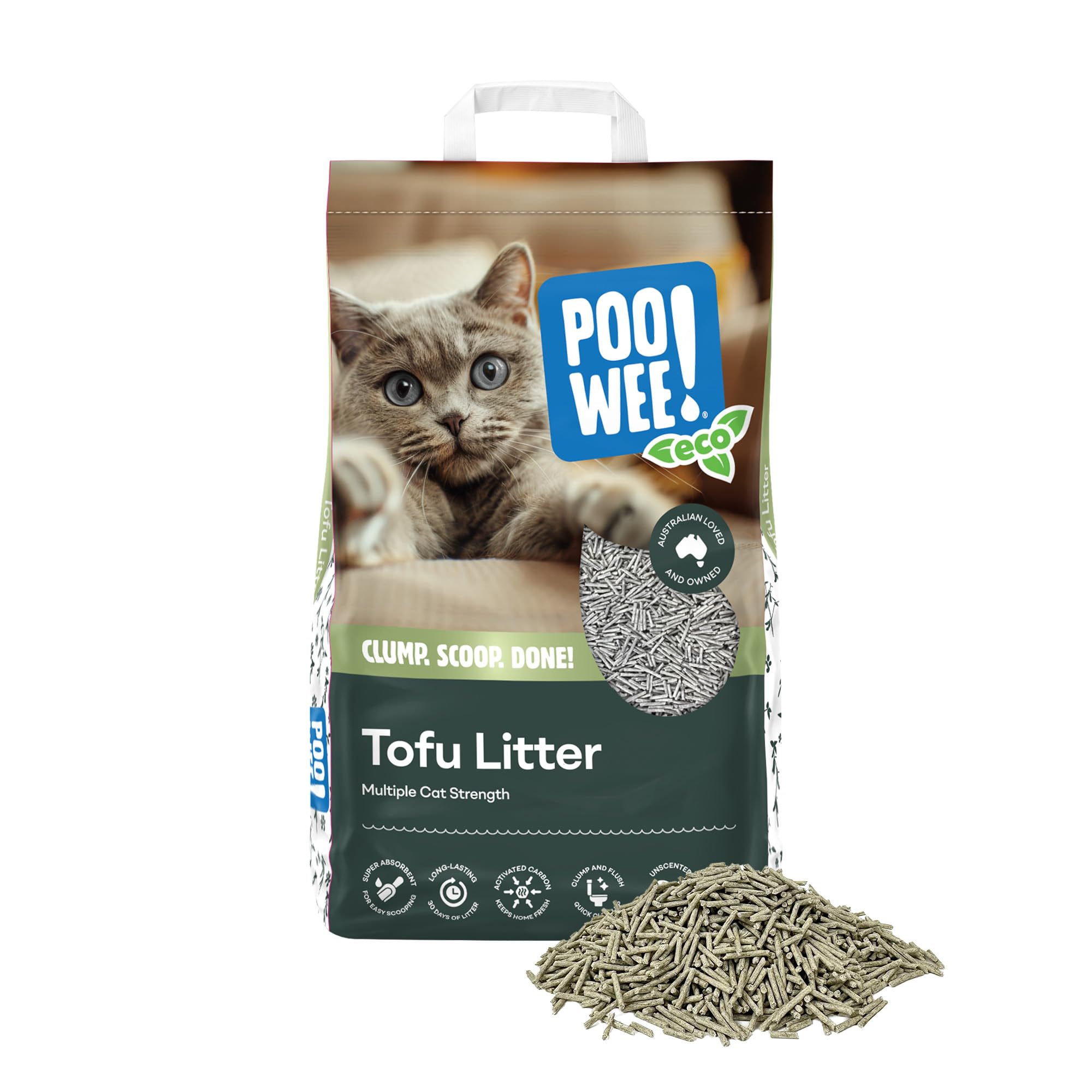
Biodegradable cat litters are made from natural materials like corn, wheat, pine, or paper. These litters break down more easily and are often safe to flush in small amounts.
If you want to flush cat litter, choosing a biodegradable option is usually the best bet. Still, you should check the packaging and your local wastewater rules—some biodegradable litters might still cause blockages or environmental concerns.
Clay-based Litters
Clay-based litters are among the most common and affordable. They are usually made from bentonite clay, which clumps tightly and controls odor well.
However, clay litter is heavy and does not break down in water. Flushing it can easily clog pipes and damage septic systems. If you use clay litter, flushing is generally not a safe disposal method.
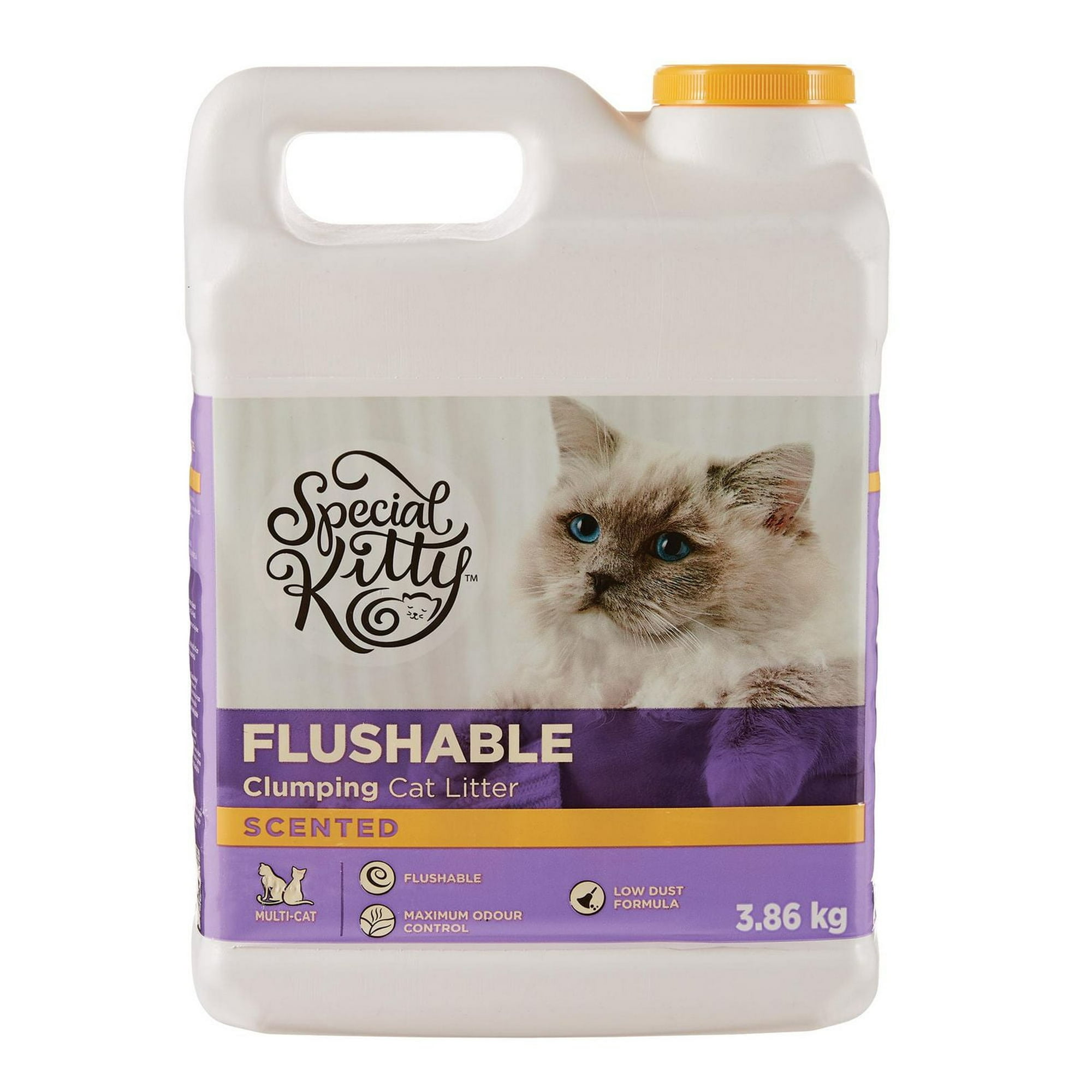
Flushable Cat Litter Varieties
Flushable cat litter varieties offer a convenient way to dispose of used litter safely. These litters are designed to break down quickly in water and sewage systems. They reduce clogs and protect plumbing better than traditional clay litters. Many flushable options also focus on being eco-friendly and gentle on the environment.
Materials Used
Flushable cat litters often use natural and biodegradable materials. Common ingredients include:
- Wood fibers
- Wheat
- Corn
- Pine
- Paper
These materials dissolve or break apart easily in water. They also compost well, reducing landfill waste. Avoiding heavy clays helps prevent plumbing issues. This makes daily cleaning simpler and safer for homes.
Certifications And Standards
Many flushable litters meet strict environmental and safety standards. Look for certifications like:
- USDA Biobased Product Labels
- Compostability certifications (e.g., ASTM D6400)
- Flushability certifications from wastewater authorities
These labels confirm the litter’s ability to break down safely. They show compliance with plumbing and environmental rules. Choosing certified products ensures responsible disposal and less harm to ecosystems.
Potential Plumbing Risks
Flushing cat litter might seem convenient, but it poses serious plumbing risks. The potential damage can lead to costly repairs and inconvenience. Understanding these risks can save you from unexpected troubles.
Clogs And Blockages
Cat litter clumps when wet. This feature is great for cleaning, but not for plumbing. Flushed litter hardens and expands in pipes. It can create clogs that block water flow. These blockages can affect your entire plumbing system.
When pipes get clogged, water may back up. This can result in messy, unhygienic overflows. Removing these blockages often requires professional help, adding to your expenses.
Pipe Damage
Many cat litters contain materials like clay. These materials are not biodegradable. Over time, they can cause wear and tear on pipes. This can lead to cracks or even pipe bursts.
Older plumbing systems are particularly vulnerable. The added stress from expanding litter can cause significant damage. Pipe damage is costly and disruptive. It may require extensive repairs or replacements.
Environmental Impact
Understanding the environmental impact of flushing cat litter is crucial before making a decision. Many pet owners wonder if this convenient disposal method harms water systems or local ecosystems. Let’s break down the main concerns so you can make an informed choice that protects the environment.
Water Pollution Concerns
Flushing cat litter can introduce harmful substances into water bodies. Clay-based litters, for example, don’t dissolve and can carry toxins and bacteria, including parasites like Toxoplasma gondii, which can be dangerous to marine life.
These pollutants often bypass natural filtration processes, leading to contamination of rivers and oceans. Have you considered how your daily habit might affect aquatic ecosystems miles away from your home?
Wastewater Treatment Challenges
Most wastewater treatment plants aren’t equipped to filter out cat litter particles or the pathogens they may contain. This means harmful materials can slip through and enter natural waterways.
Additionally, flushing litter can clog pipes and damage sewage infrastructure, causing costly repairs and service disruptions. Could your convenience be creating hidden expenses for your community?
Safe Disposal Alternatives
Finding safe ways to dispose of cat litter is essential for protecting your plumbing and the environment. Flushing cat litter can cause clogs and may introduce harmful bacteria into water systems. Instead, you can choose disposal methods that are both responsible and easy to manage.
Trash Disposal Tips
When disposing of cat litter in the trash, use a strong, sealed bag to prevent odors and leaks. Double-bagging can help contain moisture and reduce mess. You might want to scoop litter daily to keep your trash can fresh and avoid attracting pests.
Consider lining your litter box with biodegradable liners to make scooping and disposal cleaner. If you live in an apartment or shared housing, check your local regulations about pet waste disposal to avoid fines or issues. Have you ever noticed how much easier trash disposal becomes when you keep the litter dry and well-contained?
Composting Possibilities
Composting cat litter is an option, but only if you use biodegradable, non-clumping litter made from natural materials like wood, paper, or corn. Avoid composting clay-based or clumping litters as they do not break down easily and may contain chemicals.
Set up a separate compost bin specifically for pet waste to prevent contamination of your regular garden compost. Remember, cat waste can carry parasites, so using the compost only for non-edible plants is safer. Have you thought about how composting pet waste could reduce your household trash?
Credit: www.walmart.ca
Manufacturer Guidelines
Manufacturer guidelines are your best source of information when deciding if you can flush cat litter. Every brand has different ingredients and disposal recommendations that affect how safe flushing the litter might be. Ignoring these instructions could clog your plumbing or harm the environment.
Reading Labels
Start by carefully reading the label on your cat litter package. Look for any warnings about flushing or disposal. Some litters explicitly say “Do not flush” due to their clay or silica content.
Others may advertise as “flushable” or “septic-safe.” But what does that really mean for your home plumbing? Pay attention to the specific wording and any small print.
Labels might also mention whether the litter contains biodegradable materials. This can be a clue about its flushability but isn’t a guarantee. Have you ever tossed something down the toilet just to regret it later?
Following Instructions
If the manufacturer says the litter is flushable, follow their disposal instructions exactly. Some suggest flushing only small amounts at a time to avoid clogging. Others recommend flushing multiple times per scoop.
Ignoring these details increases the risk of plumbing problems. If the label advises against flushing, find alternative methods like trash disposal or composting if safe. Your pipes and local sewer systems will thank you.
Remember, manufacturers test their products with specific plumbing conditions in mind. Your home’s system might differ. Have you checked your local guidelines or talked to a plumber about flushing cat litter?
Expert Recommendations
Experts from different fields weigh in on whether flushing cat litter is a good idea. Their advice helps you understand the risks and benefits, so you can make a smart choice for your home and pet’s health.
Veterinarians’ Advice
Vets often warn against flushing cat litter. Many cat litters contain clumping agents and chemicals that can harm your plumbing and the environment. Plus, if your cat has any parasites or infections, these can spread through wastewater.
Some vets suggest disposing of litter in sealed bags to prevent odors and contamination. They also recommend checking if your litter is labeled as flushable—most are not. Have you ever considered how flushing might affect your local water system or your cat’s health?
Plumbers’ Insights
Plumbers strongly advise against flushing cat litter. Even litter marketed as flushable can clump and cause blockages in pipes. Over time, this buildup can lead to costly repairs or severe plumbing issues.
They explain that traditional wastewater systems aren’t designed to handle solid waste like cat litter. If you want to avoid plumbing headaches, it’s best to throw litter in the trash. Have you thought about the long-term damage flushing might cause to your home’s pipes?

Credit: www.tuftandpaw.com
Credit: www.amazon.ca
Frequently Asked Questions
Can You Flush Cat Litter Down The Toilet Safely?
Flushing cat litter is generally unsafe. Most litters clump and expand, causing plumbing blockages. Some litters contain clay or chemicals harmful to water systems. It’s best to dispose of cat litter in the trash to avoid plumbing or environmental issues.
Which Cat Litters Are Flushable And Eco-friendly?
Flushable litters are usually made from biodegradable materials like wood, corn, or wheat. Always check packaging for flushable labels. Even flushable litters should be flushed in small amounts to prevent pipe clogging. Eco-friendly litters break down naturally and reduce landfill waste.
What Happens If Cat Litter Clogs The Toilet?
Clogged toilets can cause backups, damage plumbing, and require costly repairs. Cat litter absorbs water and swells, blocking pipes. Avoid flushing clumping or clay-based litters to prevent blockages. Immediate plumbing assistance may be needed if a clog occurs.
Is Flushing Cat Litter Harmful To The Environment?
Flushing cat litter can release harmful chemicals and pathogens into water systems. Clay litters do not biodegrade and pollute waterways. Flushable litters are safer but should be used cautiously. Proper disposal in trash or composting is more environmentally responsible.
Conclusion
Flushing cat litter can cause serious plumbing problems. Most types do not break down in water. This can lead to clogs and damage pipes. Some clumping litters are especially risky to flush. Safe disposal means putting litter in the trash.
Always check your local rules about litter disposal. Protect your home and the environment by choosing the right method. Remember, keeping pipes clear saves you money and hassle. Don’t risk flushing cat litter—dispose of it properly instead.

Lily Purrington is the founder of MyKittyPicks.com, a cozy corner of the web dedicated to helping cat lovers discover the best cat products, furniture, toys, and home decor ideas.
A lifelong cat enthusiast, Lily shares trusted tips, honest product recommendations, and stylish inspiration designed to keep kitties happy and homes beautiful.
Her mission is simple: to bring together practical advice and purr-fect picks that make life better for cats and the people who love them.


