
Have you ever wondered if you can vacuum cat litter without ruining your vacuum or making a bigger mess? If you’re tired of sweeping up tiny litter granules every day, you’re not alone.
You want a quick and easy way to clean up, but is your vacuum really up to the job? Keep reading, because understanding the right way to handle cat litter cleanup can save you time, protect your vacuum, and keep your home fresh.
Let’s dive into what you need to know before you hit that power button.
Credit: medium.com
Types Of Cat Litter
Choosing the right type of cat litter is crucial, especially if you plan to vacuum it. Each type behaves differently under vacuum pressure and affects your cleaning routine. Understanding these differences helps you decide if vacuuming cat litter is practical or even safe for your vacuum cleaner.
Clumping Vs Non-clumping
Clumping litter forms solid clumps when wet, making it easier to scoop out waste. However, these clumps can be problematic for vacuums, as they may clog or damage the machine.
Non-clumping litter absorbs moisture but doesn’t form solid clumps. This type tends to be lighter and less likely to cause vacuum issues. If you accidentally spill some, vacuuming non-clumping litter might be less risky.
Silica Gel Litter
Silica gel litter consists of small, bead-like crystals that absorb moisture and control odor effectively. These crystals are hard and dry, so vacuuming them is generally safer for your vacuum compared to clay-based litters.
However, the fine dust from silica gel can sometimes be a concern for air quality. Do you have a vacuum with a HEPA filter to manage this dust properly?
Natural And Biodegradable Options
Natural litters made from materials like corn, wheat, pine, or paper offer eco-friendly alternatives. They usually produce less dust and are lighter, making vacuuming spills easier and less damaging to your vacuum.
Some natural litters break down quickly and can clog vacuum parts, so check your vacuum’s capacity before cleaning up. Have you tried these options for both your cat’s comfort and easier cleanup?
Vacuuming Cat Litter Risks
Vacuuming cat litter might seem like a quick way to clean up, but it carries several risks that could affect your vacuum cleaner, your home’s air quality, and even your health. Understanding these risks can help you decide the best way to handle those pesky litter spills without creating bigger problems.
Damage To Vacuum Cleaner
Cat litter is often coarse and heavy, which can clog your vacuum’s filters and damage its motor. Many vacuums are not designed to handle the hard granules of litter, leading to worn-out brush rolls and suction loss. If you’ve ever noticed your vacuum struggling or overheating after cleaning litter, it’s a sign the machine is under stress.
Dust And Allergens
Cat litter creates a lot of dust, especially when vacuumed, which can spread fine particles throughout your home. These dust particles often contain allergens that can irritate your eyes, nose, and throat. Even vacuums with HEPA filters can struggle to capture all the dust, leaving you with a cloud of irritants in the air.
Health Concerns
Vacuuming cat litter can stir up dust that contains not just allergens but also bacteria and parasites harmful to humans. This is particularly risky if you or someone in your household has respiratory issues like asthma. Have you noticed sneezing or coughing after cleaning litter? That might be your body reacting to airborne irritants released during vacuuming.
Best Vacuum Types For Cat Litter
Choosing the right vacuum for cat litter can make your life easier. Cat litter can be tricky to clean up. The wrong vacuum may spread it around or clog. To help you decide, we will explore the best vacuum types for cat litter. Each type has its own strengths and weaknesses. Let’s dive into the details.
Canister Vacuums
Canister vacuums are versatile and powerful. They have strong suction, making them great for cat litter. Many come with specialized attachments. These help pick up litter from carpets and hard floors. Canister vacuums are also easy to maneuver. This makes cleaning around furniture a breeze. Consider a model with a HEPA filter. It traps dust and allergens, keeping your home fresh.
Stick Vacuums
Stick vacuums are lightweight and convenient. They are perfect for quick clean-ups. Many models are cordless, offering great mobility. Stick vacuums with brush rolls work well on scattered litter. Choose one with a detachable hand vacuum. This feature is perfect for tight spaces and upholstery. Keep an eye on battery life. Longer run times mean more cleaning, less charging.
Robotic Vacuums
Robotic vacuums offer hands-free cleaning. They can schedule cleanings to suit your routine. Some models can detect and avoid litter boxes. This prevents spreading litter further. Robotic vacuums with strong suction handle litter effectively. Look for models with brushless rollers. They reduce the risk of tangles and clogs. Cleaning schedules keep your floors tidy with minimal effort.
Safe Vacuuming Tips
Vacuuming cat litter requires care to protect your vacuum and keep your home clean. Following safe vacuuming tips can prevent damage and improve cleaning results. These tips help handle cat litter without hassle or risk.
Use Proper Attachments
Choose vacuum attachments designed for hard surfaces or small debris. Avoid using the brush roll on clumping litter as it can clog or damage the vacuum. A crevice tool or flat nozzle works best to reach corners and tight spots.
Avoid Wet Litter
Never vacuum wet or damp cat litter. Wet litter can clog the vacuum and cause mold or bad smells inside. Scoop out wet clumps before vacuuming the loose, dry litter around the box.
Regular Filter Cleaning
Clean your vacuum’s filters often to maintain suction power. Cat litter dust can quickly block filters. Wash or replace filters as recommended to keep your vacuum working well and reduce odors.
Alternative Cleaning Methods
Vacuuming cat litter can be tricky and sometimes damaging to your vacuum cleaner. Luckily, there are other effective ways to keep your space clean without risking your equipment. These alternative cleaning methods can help you maintain a tidy home while dealing with cat litter mess.
Sweeping And Dustpans
Sweeping is a simple yet effective way to gather scattered cat litter. Use a broom with soft bristles to avoid scratching your floor. Pair it with a dustpan to quickly collect the litter and dispose of it.
Try sweeping in small, controlled strokes to prevent litter from scattering further. You might find that regularly sweeping after your cat’s litter box use keeps the area under control without much effort.
Lint Rollers And Brushes
Lint rollers are surprisingly handy for picking up fine litter particles from carpets and upholstery. Just roll over the surface, and the sticky sheets will grab the litter bits.
Brushes with firm bristles can also help, especially on fabric or carpeted areas. You can use a handheld brush or even a pet grooming brush to sweep away stubborn litter granules.
Air Purifiers
Cat litter dust can linger in the air and affect air quality. An air purifier with a HEPA filter can reduce airborne particles, making your home healthier.
Using an air purifier near the litter box area can prevent dust buildup and improve overall comfort. Have you noticed how much fresher the air feels after running one for a few hours?

Credit: www.eufy.com
Preventing Litter Scatter
Litter scatter creates a mess around your cat’s litter box. It can be frustrating to clean and may cause dust or odors. Preventing litter scatter helps keep your home clean and fresh. Use smart tools and habits to reduce stray litter outside the box. Here are some effective ways to stop litter from spreading.
Litter Mats
Litter mats catch particles stuck to your cat’s paws. Place them outside the litter box entrance. Choose mats with a textured surface to trap litter better. They stop litter from spreading across floors. Clean mats regularly to keep them effective.
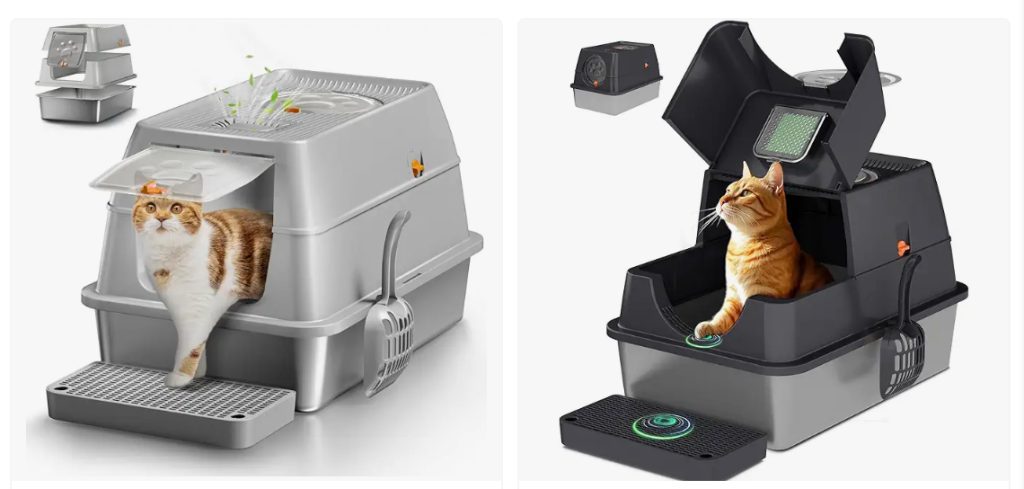
Covered Litter Boxes
Covered litter boxes contain litter inside the box. They reduce the chance of litter flying out when your cat digs. Covered boxes also limit dust and odors. Make sure your cat likes the covered style before buying. Some cats prefer open boxes.
Regular Maintenance
Clean the litter box daily to prevent buildup. Scoop waste and clumps often to keep litter fresh. Replace litter completely on a set schedule. Wipe the box edges and surrounding floor to catch stray litter. Regular care stops litter from spreading and keeps the area neat.
Credit: www.vacuumempire.com
Frequently Asked Questions
Can You Vacuum Cat Litter Safely?
Vacuuming cat litter can damage your vacuum and cause clogs. Clumping litter often sticks inside the machine. Use a broom or specialized litter vacuum for best results.
What Type Of Vacuum Works For Cat Litter?
A vacuum with strong suction and a HEPA filter works best. Avoid bagless vacuums as litter can harm the motor. Consider a handheld vacuum designed for pet messes.
How To Clean Cat Litter From Carpet Effectively?
First, scoop excess litter, then vacuum gently with a brush attachment. Use a carpet cleaner for stains. Regular vacuuming prevents litter buildup and odors.
Does Vacuuming Cat Litter Cause Dust Problems?
Yes, vacuuming dry cat litter can create dust clouds. This dust can irritate your respiratory system. Wetting the litter slightly before cleaning can reduce dust.
Conclusion
Vacuuming cat litter can be tricky but helpful if done right. Choose a vacuum designed for fine dust and small particles. Avoid vacuums that can get clogged or damaged by litter. Regular sweeping can also keep the area clean without risks.
Always clean your vacuum after use to prevent odors and damage. Keeping your cat’s space tidy helps both you and your pet feel comfortable. Small efforts make a big difference in maintaining a clean home.

Lily Purrington is the founder of MyKittyPicks.com, a cozy corner of the web dedicated to helping cat lovers discover the best cat products, furniture, toys, and home decor ideas.
A lifelong cat enthusiast, Lily shares trusted tips, honest product recommendations, and stylish inspiration designed to keep kitties happy and homes beautiful.
Her mission is simple: to bring together practical advice and purr-fect picks that make life better for cats and the people who love them.


