

Have you ever been scratched by a cat and wondered if it might cause more than just a little sting? Cat Scratch Disease can sneak up on you after a simple scratch or bite, leaving you feeling tired and uncomfortable.
But don’t worry—you don’t always need a doctor’s visit to start feeling better. You’ll discover easy and effective ways to treat Cat Scratch Disease right at home. Keep reading, because the sooner you act, the quicker you’ll be back to feeling like yourself again.
Symptoms To Watch For
Cat scratch disease happens after a cat scratch or bite. It causes mild to moderate symptoms in most people. Knowing the symptoms helps you treat it early at home.
Watch your body for changes after contact with a cat. Early signs guide you on how to care for yourself and when to see a doctor.
Common Signs
Symptoms usually start within one to two weeks after a scratch or bite. They can last for several weeks.
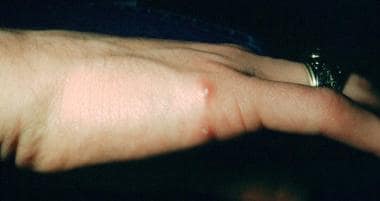
- Red bump or blister at the scratch or bite site
- Swollen, tender lymph nodes near the injury
- Fever that may come and go
- Fatigue or feeling tired
- Headache
- Loss of appetite
When To Seek Medical Help
Most cases improve without medical care. Yet some signs need a doctor’s attention to avoid problems.
| Warning Sign | What to Do |
| High fever lasting more than 5 days | See a doctor immediately |
| Swollen lymph nodes that get bigger or very painful | Visit a healthcare provider |
| Red streaks near the scratch or bite | Seek urgent medical help |
| Difficulty breathing or chest pain | Call emergency services |
| Weakness or vision problems | Get medical evaluation quickly |
Credit: indianexpress.com
Initial Care Steps
Cat scratch disease can cause swelling and pain after a scratch. Treating it early helps reduce symptoms. Follow simple care steps at home.
Cleaning the scratch and reducing pain are important first steps. These actions help prevent infection and ease discomfort.
Cleaning The Scratch
Wash your hands before touching the scratch. Use clean water and mild soap to wash the area gently. This removes dirt and germs.
Do not scrub hard. Pat the scratch dry with a clean towel. Avoid using strong chemicals or alcohol on the wound.
Reducing Swelling And Pain
Apply a cold compress or ice pack wrapped in cloth to the scratch. Keep it on for 10 to 15 minutes to reduce swelling.
Take over-the-counter pain relievers like acetaminophen or ibuprofen as needed. Follow the medicine instructions carefully.
- Rest the affected area
- Keep the scratch clean and dry
- Avoid scratching or picking at the wound
Natural Remedies
Cat Scratch Disease can cause swelling and discomfort. Natural remedies can help ease symptoms at home.
These remedies focus on soothing the skin and reducing pain without strong medicines.
Herbal Treatments
Herbs like chamomile and calendula have anti-inflammatory properties. They calm irritated skin and reduce swelling.
You can use herbal teas or creams made from these plants to help the affected area heal faster.
- Apply chamomile tea bags as a cool compress on the scratch.
- Use calendula cream to soothe and protect the skin.
- Try aloe vera gel for its cooling and healing effects.
Cold And Warm Compresses
Cold compresses help reduce pain and swelling right after the scratch happens. They numb the area and stop inflammation.
Warm compresses improve blood flow later on. They help the body clear the infection and ease stiffness.
- Use a cold compress for 10 to 15 minutes several times a day.
- Switch to warm compresses after 48 hours to relax the area.
- Always wrap the compress in a clean cloth to protect your skin.
Boosting Immunity
Cat scratch disease can weaken your immune system. Strengthening it at home helps your body fight the infection. Eating well and resting are key ways to boost immunity.
Simple changes in your daily routine support healing. Let’s explore some easy tips to help you recover faster.
Diet Tips
A healthy diet gives your body the nutrients it needs. Focus on foods rich in vitamins and minerals that support your immune system.
- Eat plenty of fruits like oranges, strawberries, and kiwi for vitamin C.
- Include vegetables such as spinach, broccoli, and carrots for vitamins A and E.
- Choose lean proteins like chicken, fish, and beans to help repair tissues.
- Drink yogurt or take probiotics to support gut health and immunity.
- Limit sugary and processed foods that can lower your immune response.
Rest And Hydration
Rest and water are important to help your body fight infection. Proper sleep and hydration keep your immune system strong.
| Tip | Why It Helps |
| Get 7–9 hours of sleep | Rest repairs cells and boosts immunity |
| Drink 8–10 cups of water daily | Hydration helps flush out toxins |
| Avoid alcohol and caffeine | They can dehydrate and weaken immune response |
| Take short naps if needed | Extra rest speeds recovery |
Preventing Infection Spread
Cat scratch disease spreads through scratches or bites from infected cats. It can cause swelling, fever, and tiredness. You can treat it at home while stopping the infection from spreading.
Good care helps your body heal faster. It also keeps others safe from catching the infection.
Hygiene Practices
Wash your hands often, especially after touching your cat or cleaning wounds. Use soap and warm water for at least 20 seconds.
Keep any scratches or bites clean. Gently wash the area with soap and water. Cover it with a clean bandage to stop dirt and germs.
- Change bandages daily or if wet or dirty
- Do not share towels or clothing that touched the wound
- Clean surfaces and cat areas regularly
- Use hand sanitizer if soap and water are not available
Avoiding Cat Scratches
Try to prevent scratches to lower infection risk. Teach children how to play gently with cats. Avoid rough handling or teasing cats.
Trim your cat’s nails regularly to reduce scratch damage. Use toys to play instead of your hands. If your cat feels scared, give it space.
- Wear long sleeves when handling cats if scratches are common
- Do not pick up stray or unknown cats
- Watch your cat’s body language for signs of stress
- Keep cats indoors to reduce fights with other animals
Credit: emedicine.medscape.com
When Home Care Isn’t Enough
Cat scratch disease is usually mild. It often heals with rest and care. But sometimes, home treatment is not enough. It’s crucial to know when to seek medical help.
Understanding the signs of complications can make a difference. Early medical intervention prevents serious problems. Let’s look at the signs and treatments.
Signs Of Complications
Most cases of cat scratch disease are harmless. But some signs point to complications. These signs need prompt medical attention.
- High fever that doesn’t go away
- Swollen glands that are very painful
- Pus coming from the scratch
- Extreme fatigue and weakness
- Sudden loss of appetite
Medical Treatments
When symptoms worsen, doctors can help. Medical treatments vary based on the severity of the condition. They aim to reduce symptoms and prevent complications.
Doctors may prescribe medicines to treat the infection. These medicines help your body fight the bacteria.
- Antibiotics to kill bacteria
- Pain relievers for discomfort
- Antipyretics to reduce fever

Credit: www.goodrx.com
Frequently Asked Questions
What Are The First Steps To Treat Cat Scratch Disease At Home?
Clean the scratch area immediately with soap and water. Apply an antiseptic to prevent infection. Rest and monitor symptoms closely. Use over-the-counter pain relievers if needed. Seek medical advice if symptoms worsen or persist beyond two weeks.
Can Home Remedies Cure Cat Scratch Disease Completely?
Home remedies help manage mild symptoms but may not cure the infection fully. Antibiotics prescribed by a doctor are often necessary. Proper wound care and rest support recovery. Always consult a healthcare professional for accurate diagnosis and treatment.
How Long Does Cat Scratch Disease Last Without Treatment?
Symptoms can last from a few weeks to several months. Without treatment, the infection may worsen or cause complications. Early care speeds recovery and reduces risks. If symptoms persist beyond a month, seek medical attention promptly.
What Over-the-counter Medicines Help With Cat Scratch Disease Symptoms?
Pain relievers like ibuprofen or acetaminophen can reduce pain and fever. Antihistamines may help with itching or allergic reactions. Do not use antibiotics without a doctor’s prescription. Always follow dosage instructions on the packaging.
Conclusion
Treating cat scratch disease at home takes care and attention. Keep the wound clean and dry. Use warm compresses to ease pain and swelling. Rest helps your body fight the infection. Watch for signs like fever or spreading redness. Seek medical help if symptoms worsen or last long.
Remember, most cases get better with simple care. Stay calm and follow these easy steps for recovery. Your health matters, so act wisely and stay safe.

Lily Purrington is the founder of MyKittyPicks.com, a cozy corner of the web dedicated to helping cat lovers discover the best cat products, furniture, toys, and home decor ideas.
A lifelong cat enthusiast, Lily shares trusted tips, honest product recommendations, and stylish inspiration designed to keep kitties happy and homes beautiful.
Her mission is simple: to bring together practical advice and purr-fect picks that make life better for cats and the people who love them.


