

Have you ever been scratched by a cat and wondered if it could cause more than just a small wound? Cat Scratch Disease might be lurking behind that tiny scratch, and knowing how to treat it is crucial for your health.
You’ll discover simple, clear steps to recognize and manage this condition effectively. Keep reading to protect yourself and your loved ones from unexpected complications. Your well-being is worth understanding this now.
Symptoms To Watch
Cat scratch disease is an infection caused by bacteria from cat scratches or bites. Knowing the symptoms helps you get the right care quickly.
Watch for signs that start soon after a cat scratch or bite. Early treatment can stop the illness from getting worse.
Early Signs
The first symptoms usually appear within one to two weeks after the cat scratch. These signs show your body is fighting the infection.
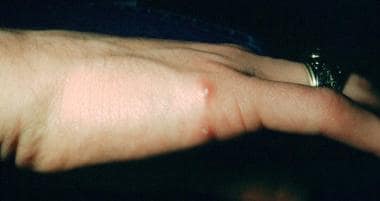
- A small bump or blister at the scratch site
- Redness and swelling around the scratch
- Swollen lymph nodes near the scratch, often in the neck or armpit
- Fever and headache
- Fatigue or feeling tired
When To See A Doctor
Contact a doctor if symptoms last longer than a week or get worse. Some cases need medical care to avoid complications.
| Symptom | Reason to See a Doctor |
| High fever over 101°F (38.3°C) | May indicate spreading infection |
| Severe swelling or pain near scratch | Possible abscess or severe infection |
| Skin rash or red streaks | Signs of blood infection |
| Headache with stiff neck | Could signal serious complications |
| Fatigue lasting more than two weeks | Needs medical evaluation |
Credit: indianexpress.com
Medical Treatments
Cat scratch disease is an infection that needs medical care. Most people get better with the right treatment. Doctors focus on easing symptoms and stopping the infection.
Medical treatments often include antibiotics and ways to reduce pain. These help the body heal faster and feel more comfortable.
Antibiotic Options
Antibiotics help fight the bacteria that cause cat scratch disease. Your doctor will choose the best medicine based on your symptoms and health.
- Azithromycin is often the first choice. It works well and is easy to take.
- Doxycycline is another option, especially for severe cases.
- Rifampin may be used with other antibiotics to improve results.
- Ciprofloxacin can help but is less common.
- Trimethoprim-sulfamethoxazole is an alternative if others do not work.
Pain Relief Methods
Pain and swelling often come with cat scratch disease. Using pain relief can make you feel better during recovery.
| Method | Description | Use |
| Over-the-Counter Painkillers | Drugs like acetaminophen or ibuprofen reduce pain and fever. | Take as directed to ease discomfort. |
| Warm Compress | Applying warmth helps reduce swelling and soothes pain. | Use several times a day on affected areas. |
| Rest | Rest helps the body fight the infection and heal faster. | Limit physical activity until symptoms improve. |
Home Care Tips
Cat scratch disease causes discomfort and swelling near the scratch. You can help your body heal with simple care at home.
Taking good care of the wound and resting well will support your recovery. Drinking fluids helps your body fight the infection.
Wound Cleaning
Keep the scratch clean to stop germs from spreading. Wash the area gently with soap and water every day.
Avoid scrubbing hard to prevent more irritation. Use a clean cloth or cotton ball to pat the wound dry after washing.
- Wash hands before touching the wound
- Use mild soap and warm water
- Rinse the area well to remove soap
- Pat dry with a clean towel
- Cover the scratch with a sterile bandage if needed
Rest And Hydration
Rest helps your body fight the infection and heal faster. Avoid heavy activities that can slow recovery.
Drink plenty of water and fluids to stay hydrated. Fluids help your immune system work well and reduce fever.
- Get enough sleep each night
- Take short breaks during the day
- Drink water, herbal tea, or clear broth
- Avoid caffeine and alcohol
- Eat healthy foods to support healing
Preventing Complications
Cat scratch disease usually goes away with treatment. Still, it can cause problems if not treated well. Watching for serious signs helps prevent these issues.
Knowing when to get medical help can keep you safe. This guide explains what symptoms need care fast.
Recognizing Severe Symptoms
Severe symptoms may mean the infection is spreading or causing harm. Look for signs like high fever or swollen lymph nodes that don’t get better.
- Fever over 102°F (39°C) lasting more than a week
- Swollen lymph nodes that grow larger or become very painful
- Severe headache or neck stiffness
- Blurred vision or eye pain
- Difficulty breathing or chest pain
- Extreme tiredness or weakness
When To Seek Emergency Help
Some symptoms need quick emergency care. Do not wait if you or someone you care for has these signs.
| Symptom | Why It Is Serious | Action Needed |
| High fever above 104°F (40°C) | Risk of severe infection or complications | Call emergency services or go to ER immediately |
| Severe difficulty breathing | Possible lung infection or swelling | Seek emergency medical care right away |
| Sudden weakness or numbness | Signs of nervous system involvement | Get emergency help immediately |
| Loss of consciousness or confusion | Possible brain infection or severe illness | Call emergency services without delay |
Reducing Future Risks
Cat scratch disease can be prevented by careful actions. Reducing risks helps keep you healthy around cats.
Understanding how to handle cats safely and care for them well lowers your chance of infection.
Safe Cat Handling
Handle cats gently to avoid scratches and bites. Use calm movements and let the cat come to you.
Wear gloves if you need to clean wounds or handle stray cats. Wash your hands after playing with cats.
- Never roughhouse with cats
- Keep your face away from cats’ claws and teeth
- Use gloves when cleaning cat areas
- Wash hands with soap and water after contact
Regular Pet Care
Keep your cat healthy by regular vet visits. Healthy cats are less likely to carry bacteria that cause disease.
Use flea control and keep your cat’s nails trimmed. Clean their living space often to reduce germs.
- Schedule yearly vet check-ups
- Use flea prevention treatments
- Trim cat nails regularly
- Clean bedding and litter boxes weekly

Credit: www.goodrx.com
Credit: emedicine.medscape.com
Frequently Asked Questions
What Is The Best Treatment For Cat Scratch Disease?
Treatment for cat scratch disease usually involves antibiotics like azithromycin. Rest and pain relievers help reduce symptoms. Most cases improve within a few weeks with proper care.
How Long Does Cat Scratch Disease Last?
Cat scratch disease symptoms typically last 2 to 4 months. With treatment, recovery can be quicker. Early diagnosis and care can prevent complications and speed up healing.
Can Cat Scratch Disease Resolve Without Treatment?
Mild cases of cat scratch disease may resolve on their own. However, antibiotics speed recovery and prevent complications. Always consult a doctor for proper diagnosis and treatment advice.
Are Antibiotics Necessary For Cat Scratch Disease?
Yes, antibiotics are often recommended to treat cat scratch disease. They help reduce lymph node swelling and prevent infection spread. Early antibiotic use improves recovery and lowers complication risks.
Conclusion
Treating cat scratch disease starts with early care and attention. See a doctor if symptoms appear after a cat scratch. Antibiotics often help clear the infection quickly. Rest and proper wound cleaning support faster healing. Watch for fever or swollen lymph nodes as signs to act.
Protect yourself by handling cats gently and cleaning scratches. Simple steps can prevent serious problems. Staying informed helps you take control of your health. Remember, quick action leads to better recovery.

Lily Purrington is the founder of MyKittyPicks.com, a cozy corner of the web dedicated to helping cat lovers discover the best cat products, furniture, toys, and home decor ideas.
A lifelong cat enthusiast, Lily shares trusted tips, honest product recommendations, and stylish inspiration designed to keep kitties happy and homes beautiful.
Her mission is simple: to bring together practical advice and purr-fect picks that make life better for cats and the people who love them.


