
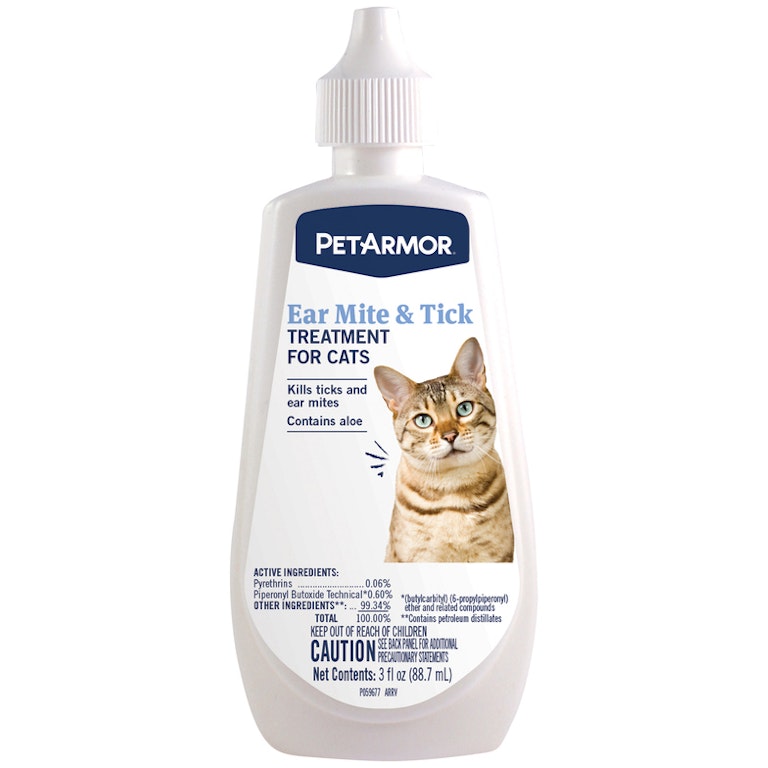
Are you noticing your cat scratching more than usual? Tiny mites might be the cause, and if left untreated, they can make your furry friend uncomfortable and even sick.
You want your cat to feel happy and healthy, but dealing with mites can seem confusing. Don’t worry—this guide will show you exactly how to spot, treat, and prevent cat mites quickly and effectively. Keep reading to protect your pet and bring back their playful spirit.

Credit: www.amazon.com
Identifying Cat Mites
Identifying cat mites early can save your furry friend from a lot of discomfort. These tiny parasites are hard to spot with the naked eye, but their effects are quite noticeable. Understanding the signs and knowing which types of mites might be causing the problem will help you take quick action.
Common Symptoms
Does your cat suddenly scratch more than usual or seem restless? These could be signs of mites. Look out for:
- Intense itching and scratching
- Red, inflamed, or scaly skin
- Hair loss, especially around ears, neck, and face
- Crusty or flaky patches on the skin
- Unpleasant odor coming from your cat’s coat
Sometimes, your cat might shake its head frequently or tilt it to one side, which can indicate ear mites. Have you noticed any of these behaviors in your pet? Catching these symptoms early can prevent serious skin infections.
Types Of Mites
Knowing which mite you’re dealing with is crucial for effective treatment. The most common types include:
| Type of Mite | Where They Live | Effects on Your Cat |
|---|---|---|
| Ear Mites (Otodectes cynotis) | Inside the ear canal | Causes itching, dark ear wax, and head shaking |
| Demodex Mites | Hair follicles and skin | Leads to hair loss and scaly skin |
| Sarcoptic Mites (Scabies) | Burrow into the skin | Intense itching and red, crusty sores |
| Cheyletiella Mites (Walking Dandruff) | Surface of the skin | Causes flaky skin and mild itching |
Each type of mite requires a different treatment approach. Have you checked your cat’s ears or skin closely to spot any unusual signs? Being observant can make all the difference in your cat’s health.
Causes And Risk Factors
Understanding the causes and risk factors of cat mites is essential to prevent and treat infestations effectively. These tiny parasites thrive under certain conditions and can spread quickly if you’re not careful. Knowing where they come from and what encourages their growth can help you protect your feline friend.
Environmental Factors
Mites favor warm, humid environments. If your home has poor ventilation or your cat spends time in damp areas, the risk of mites increases.
Dirty bedding, unclean living spaces, and crowded conditions also create a perfect breeding ground. I once noticed my cat scratching more after we moved to a humid apartment with limited airflow. Cleaning her bedding regularly and improving ventilation made a huge difference.
Could improving your cat’s environment reduce the chances of mites? Absolutely. Keeping your cat’s space dry and clean is a simple but powerful step.
Transmission Sources
Mites spread mainly through direct contact with infected animals. If your cat interacts with other pets, especially stray or outdoor cats, the risk rises sharply.
Shared bedding, grooming tools, and close quarters can also help mites jump from one host to another. When I visited a friend with multiple cats, I realized how easy it was for mites to spread just by sharing a brush.
Are you aware of all the ways your cat might be exposed? Being mindful of these transmission sources can help you take action before mites become a problem.
Home Remedies
Home remedies can help ease your cat’s discomfort from mites. They support healing and reduce itching naturally. These remedies work best alongside advice from a vet. Use them gently to avoid stressing your cat.
Natural Oils
Natural oils can soothe your cat’s skin and may repel mites. Coconut oil is a popular choice. It has antibacterial and antifungal properties.
- Apply a small amount of coconut oil to the affected areas.
- Massage gently to help absorption.
- Repeat daily but watch for any irritation.
Other oils like olive oil or neem oil can help too. Always dilute strong oils with a carrier oil. Never use oils directly without checking safety for cats.
Dietary Adjustments
Good nutrition boosts your cat’s immune system. A strong immune system fights mites better. Add omega-3 fatty acids to your cat’s diet.
- Fish oil supplements support skin health.
- Include fresh, high-quality protein sources.
- Limit processed foods and fillers.
Fresh water is essential. Keep your cat hydrated to help skin heal faster. Consult your vet before changing diet or adding supplements.
Over-the-counter Treatments
Over-the-counter treatments offer a convenient way to tackle cat mites without needing a prescription. These options are widely available and can provide relief quickly when used correctly. Knowing which products to trust and how to apply them can make a big difference in your cat’s comfort and recovery.
Topical Solutions
Topical solutions are among the most direct ways to treat cat mites. These products are applied directly to your cat’s skin, often between the shoulder blades, where mites tend to hide.
Look for treatments containing ingredients like fipronilor imidacloprid, which effectively kill mites and prevent reinfestation. Applying these solutions weekly can reduce itching and clear up skin irritations.
One pet owner shared how a topical treatment cleared her cat’s scabs in just two weeks. Have you noticed your cat scratching more than usual? A quick topical application might be what you need.
Medicated Shampoos
Medicated shampoos offer another practical choice for treating cat mites. These shampoos contain ingredients such as lime sulfuror selenium sulfidethat target mites during baths.
Bathing your cat 2-3 times a week with these shampoos can help remove mites and soothe inflamed skin. Although cats might not love the bath time, the relief afterward is worth it.
Remember to rinse thoroughly and dry your cat well to avoid skin irritation. Could a simple change in your cat’s bathing routine help eliminate mites faster?
Prescription Medications
Prescription medications are key to effectively treating cat mites. These drugs target mites directly and help reduce symptoms fast. Using the right medication can stop the infestation and improve your cat’s comfort. Always follow your vet’s advice for the best results.
Antiparasitic Drugs
Antiparasitic drugs kill mites and stop their spread. Common options include:
- Selamectin – a topical treatment that kills mites and fleas
- Ivermectin – an oral or injectable drug that targets many parasites
- Milbemycin oxime – often used in combination with other medications
These drugs work by disrupting the mite’s nervous system. Treatment usually lasts several weeks to ensure all mites are gone. Your vet will recommend the correct dose for your cat’s weight and health.
Anti-inflammatory Options
Anti-inflammatory medications reduce swelling and itching caused by mites. These include:
- Corticosteroids – reduce inflammation and calm irritated skin
- Antihistamines – help control allergic reactions and itching
These drugs make your cat feel more comfortable during treatment. They do not kill mites but support healing. Use them under veterinary supervision to avoid side effects.

Credit: www.amazon.com
Preventive Measures
Preventing cat mites is often easier than treating an infestation. You can protect your furry friend by adopting simple daily habits that reduce the risk of mites taking hold. These preventive measures also make your home a healthier place for everyone.
Regular Cleaning
Cleaning your cat’s environment regularly cuts down the chances of mites spreading. Vacuum carpets, furniture, and your cat’s bedding at least twice a week to remove any mites or eggs lurking around.
Wash your cat’s blankets and toys in hot water weekly. This kills mites and prevents them from hiding in soft surfaces.
Think about your own habits—do you clean areas your cat frequents as often as you should? Small changes here can make a big difference.
Routine Check-ups
Schedule regular vet visits to catch mite problems early. Your vet can spot signs you might miss and recommend effective treatments before mites become a serious issue.
During check-ups, ask about the best preventive products like sprays or shampoos. Some topical treatments can protect your cat for weeks.
Have you noticed your cat scratching more than usual? Don’t wait for the next appointment—early detection can save your cat discomfort and reduce treatment time.
When To Consult A Veterinarian
Knowing when to consult a veterinarian is vital for your cat’s health. Mites can cause discomfort and lead to serious problems if untreated. Early professional advice can prevent complications and speed recovery. Watch your cat closely and act wisely.
Persistent Symptoms
If symptoms last more than two weeks, see a vet. Persistent itching, redness, or hair loss signals trouble. Home treatments might not be enough for stubborn mites. A vet can diagnose and suggest stronger medications. Don’t ignore ongoing signs of discomfort.
Severe Infestations
Severe infestations cause intense itching and skin damage. Your cat may develop sores or scabs from scratching. Mites can spread quickly and affect other pets. A vet can provide effective treatments and advice. Immediate care helps stop the infestation from worsening.

Credit: www.walmart.com
Frequently Asked Questions
What Are Common Symptoms Of Cat Mites Infestation?
Common symptoms include intense itching, redness, hair loss, and scabs on your cat’s skin. Cats may scratch excessively and show signs of discomfort. Early detection helps in effective treatment.
How Can I Safely Treat Cat Mites At Home?
Use vet-approved mite treatments like medicated shampoos or topical ointments. Clean your cat’s bedding and living area thoroughly. Always follow product instructions and consult your vet if symptoms persist.
How Long Does Cat Mite Treatment Usually Take?
Treatment typically lasts 2 to 4 weeks, depending on severity. Regular application of medication is crucial. Follow-up vet visits ensure complete mite elimination and prevent reinfestation.
Can Cat Mites Spread To Humans Or Other Pets?
Yes, cat mites can temporarily affect humans and other pets, causing itching or rash. However, they don’t survive long off the cat. Prompt treatment reduces the risk of spread.
Conclusion
Treating cat mites starts with quick action and care. Clean your cat’s bedding and living areas often. Use vet-recommended treatments to remove mites safely. Watch your cat closely for any signs of mites. Regular check-ups help prevent mite problems early.
A healthy, clean home keeps mites away. Your cat feels better and stays happy with good care. Small steps make a big difference in mite control. Keep learning about your cat’s health for best results.

Lily Purrington is the founder of MyKittyPicks.com, a cozy corner of the web dedicated to helping cat lovers discover the best cat products, furniture, toys, and home decor ideas.
A lifelong cat enthusiast, Lily shares trusted tips, honest product recommendations, and stylish inspiration designed to keep kitties happy and homes beautiful.
Her mission is simple: to bring together practical advice and purr-fect picks that make life better for cats and the people who love them.


