
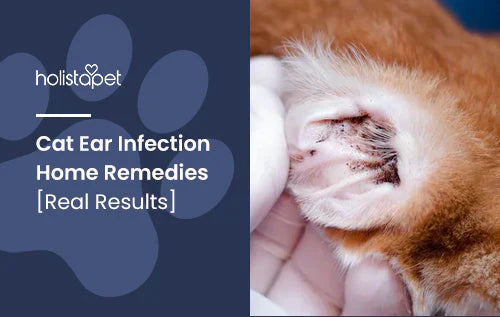
Are you worried about your cat scratching its ears too much or shaking its head constantly? These could be signs of ear mites—a common problem that can make your furry friend uncomfortable and restless.
But the good news is, you don’t have to wait until your cat has an issue to act. By learning how to prevent ear mites now, you can keep your cat’s ears healthy and avoid costly vet visits. You’ll discover simple and effective ways to protect your cat from these tiny pests.
Keep reading to find out how easy it is to give your cat the comfort it deserves.
Causes Of Ear Mites
Ear mites are tiny parasites that live in a cat’s ear canal. They cause itching and discomfort. Understanding what causes ear mites helps prevent them.
These mites spread easily from one cat to another. They thrive in warm, moist environments like the ear canal. Knowing how they spread can protect your cat.
Contact With Infected Animals
Ear mites spread mainly by direct contact. Cats that live with or meet other infected cats can catch mites fast. Grooming or playing close together spreads the mites.
Shared Bedding And Grooming Tools
Mites can survive for a short time outside a host. They hide in bedding, blankets, or brushes. Sharing these items can spread ear mites among cats.
- Using the same brush for multiple cats
- Sleeping on the same bed or blanket
- Sharing towels or cleaning cloths
Outdoor Exposure
Cats that spend time outside have higher risk. They can meet stray or wild animals carrying ear mites. Outdoor areas also have dirt and debris that help mites survive.
Poor Ear Hygiene
When a cat’s ears are dirty, mites find it easier to live there. Wax buildup and moisture create a perfect home for mites. Cleaning ears regularly helps keep mites away.
| Cause | How It Spreads | Risk Level |
| Contact with Infected Animals | Close grooming or play | High |
| Shared Bedding and Grooming Tools | Using same items | Medium |
| Outdoor Exposure | Meeting stray animals | Medium |
| Poor Ear Hygiene | Wax and moisture buildup | Low to Medium |
Signs Your Cat Has Ear Mites
Ear mites are tiny parasites that live in a cat’s ears. They cause itching and discomfort. Spotting the signs early helps your cat get treatment fast.
These signs can look like other ear problems. Watch your cat closely to know if it has ear mites.
Frequent Scratching Of Ears
Cats with ear mites scratch their ears a lot. The mites cause strong itching. You may see your cat pawing at or rubbing its ears against furniture.
Dark, Crusty Discharge In The Ear
Ear mites produce a dark, crumbly discharge. It looks like coffee grounds. You might find this inside or around the cat’s ears.
- Discharge can be black or brown
- Crust may cover the ear canal
- Discharge often smells bad
Head Shaking And Tilting
Your cat may shake its head often to remove irritation. It might also tilt its head to one side. This behavior shows discomfort in the ear.
Redness And Swelling Inside The Ear
The inside of the ear can look red and swollen. This happens because of inflammation caused by the mites. The skin may also feel warm to touch.
Hair Loss Around The Ears
Constant scratching can lead to hair loss near the ears. You might see bald patches or thinning fur. This is a sign of irritation from the mites.
Restlessness And Irritability
Cats with ear mites often feel restless. They may act cranky or hide more than usual. This is due to the constant itching and discomfort.
Routine Ear Cleaning Techniques
Cleaning your cat’s ears regularly helps stop ear mites. It keeps their ears healthy and fresh.
Use gentle cleaning methods to avoid hurting your cat. Follow simple steps to clean safely.
Gather The Right Supplies
Prepare all the items before you start. This makes the cleaning process easier and safer.
- Use a vet-approved ear cleaner
- Have clean cotton balls or soft cloths ready
- Keep treats nearby to reward your cat
Create A Calm Environment
Choose a quiet spot to clean your cat’s ears. Calm pets are easier to handle during cleaning.
Talk softly and move slowly. This helps your cat stay relaxed and trust you.
Apply The Ear Cleaner Safely
Gently hold your cat’s ear and put some cleaner inside. Avoid pushing too deep to protect the ear canal.
Massage the base of the ear for about 20 seconds. This loosens dirt and wax inside.
Wipe Away Dirt And Excess Cleaner
Use a cotton ball or soft cloth to clean the ear’s outer part. Remove any dirt or wax you see.
Do not use cotton swabs inside the ear canal. They can cause damage or push debris deeper.
Check Your Cat’s Ears Regularly
Look for signs of ear mites or infections. Early detection helps prevent serious problems.
- Check for redness or swelling
- Look for dark, crumbly debris
- Notice if your cat scratches or shakes its head often
Reward Your Cat After Cleaning
Give your cat a treat or gentle petting after cleaning. Positive rewards make future cleanings easier.
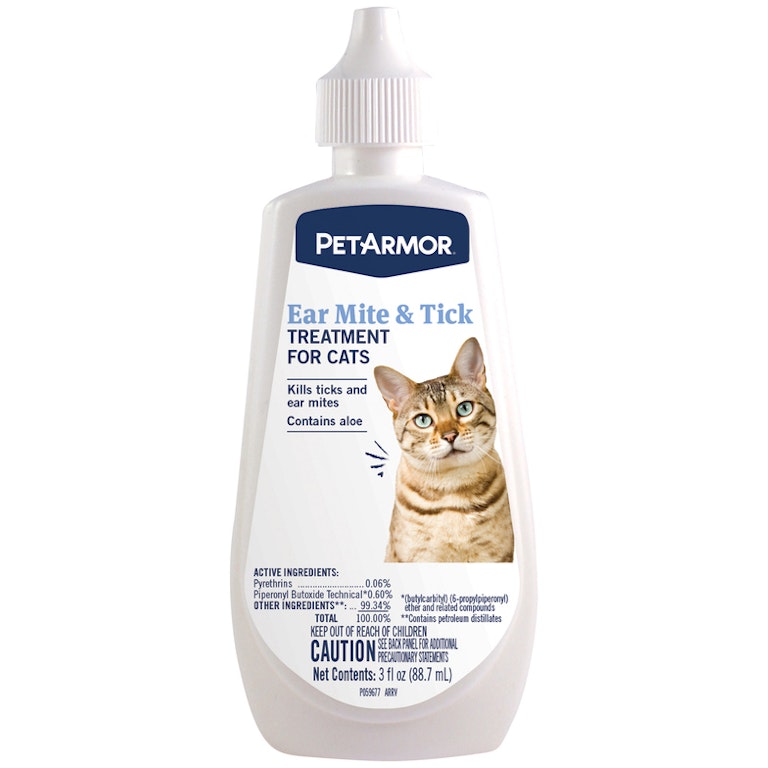
Credit: www.gianteagle.com
Safe Treatment Options
Ear mites are tiny parasites that cause itching and discomfort in cats. It is important to treat them safely to protect your cat’s health.
Using safe treatment options helps prevent side effects and ensures your cat gets relief quickly.
Use Vet-approved Medications
Always choose medications recommended by your veterinarian. These products are tested and safe for cats.
Common options include ear drops and topical treatments that kill ear mites without harming your pet.
- Topical spot-on treatments
- Medicated ear drops
- Oral medications prescribed by vets
Clean Your Cat’s Ears Gently
Cleaning your cat’s ears helps remove mites and debris before treatment. Use a soft cloth or vet-approved ear cleaner.
Never use cotton swabs deep in the ear canal. This can cause injury or push mites deeper.
- Use gentle ear cleaning solutions
- Wipe outer ear with a soft cloth
- Avoid inserting objects into the ear canal
Follow The Treatment Schedule
Apply treatments exactly as your vet instructs. This ensures all mites are killed and prevents re-infestation.
Skipping doses or stopping early can make the mites harder to remove.
- Use medication for the full recommended time
- Apply doses on the correct days
- Consult your vet if symptoms persist
Keep Your Cat’s Environment Clean
Ear mites can spread from bedding and furniture. Wash your cat’s bedding and vacuum often to remove mites.
Cleaning reduces the chance of your cat getting ear mites again after treatment.
- Wash bedding in hot water weekly
- Vacuum carpets and furniture regularly
- Keep your cat’s living area dry and clean
Avoid Using Harsh Home Remedies
Some home remedies can harm your cat’s ears or skin. Avoid using oils, alcohol, or soaps not made for pets.
Always check with a vet before trying any new treatment.
- Do not apply human medicines
- Avoid home remedies without vet advice
- Use only pet-safe products
Preventive Care Strategies
Ear mites are tiny parasites that cause discomfort in cats. Keeping your cat free from ear mites needs regular care and attention.
Preventive care helps stop ear mites before they become a problem. You can protect your cat with simple daily habits.
Regular Ear Cleaning
Cleaning your cat’s ears removes dirt and wax where mites hide. Use a vet-approved cleaner and a soft cloth or cotton ball.
Maintain A Clean Environment
Keep your cat’s living area clean. Wash bedding and vacuum carpets often to remove mites and eggs from the environment.
Limit Contact With Infected Animals
Avoid letting your cat interact with animals that have ear mites. This reduces the risk of spreading parasites.
Use Preventive Medications
Talk to your vet about preventive treatments. These medicines help kill mites before they cause infection.
Check Your Cat Regularly
Look inside your cat’s ears every week. Early signs include scratching, redness, and black debris. Early detection helps with quick treatment.
- Keep ears dry and clean
- Wash bedding weekly
- Avoid contact with stray cats
- Use vet-recommended ear drops
- Inspect ears for signs of mites

Credit: www.happypet.care
Environmental Cleaning Tips
Preventing ear mites in cats requires a clean environment. Regular cleaning reduces the risk of infestation. Here are some tips to keep your home safe for your feline friend.
Vacuum Regularly
Vacuuming removes hair and dirt where mites can hide. Focus on carpets, rugs, and furniture. Use a vacuum with a HEPA filter for best results.
Wash Bedding Frequently
Wash your cat’s bedding every week. Use hot water and mild detergent. This kills any mites and eggs present in the fabric.
Disinfect Surfaces
Clean surfaces with pet-safe disinfectants. Focus on areas your cat frequently visits. Regular disinfection helps keep mites away.
Control Humidity
Ear mites thrive in humid conditions. Use a dehumidifier to keep humidity low. Aim for a humidity level of 30-50% in your home.
Regular Grooming
Groom your cat often to spot any signs of mites. Regular grooming also helps remove dirt and loose fur, reducing mite habitats.
Keep Outdoor Areas Clean
Maintain a clean yard for outdoor cats. Remove debris and keep grass short. This reduces places where mites can thrive.
When To Visit The Vet
Cats can get ear mites, which are tiny parasites. They can make your cat uncomfortable and itchy. Knowing when to see the vet is important.
If you notice any signs of ear mites, take your cat to the vet. Early treatment helps your cat feel better faster.
Signs Of Ear Mites
Ear mites can cause several symptoms in cats. Watch for these signs to know if your cat might have ear mites.
- Frequent scratching of the ears
- Shaking of the head
- Dark discharge from the ears
- Red and inflamed ear canals
Behavior Changes
Ear mites can make your cat behave differently. Changes in behavior can be a sign of discomfort.
- Increased irritability
- More vocal than usual
- Avoiding being touched around the head
Regular Vet Check-ups
Regular vet check-ups can help prevent ear mites. Your vet can spot early signs and provide treatment.
During check-ups, vets can clean your cat’s ears. This reduces the chance of mites.
Home Prevention Tips
Keep your cat’s environment clean to prevent ear mites. Regular cleaning helps stop the spread of mites.
- Vacuum your home often
- Wash your cat’s bedding regularly
- Keep your cat away from infected animals

Credit: www.happypet.care
Frequently Asked Questions
What Are The Common Signs Of Ear Mites In Cats?
Ear mites cause itching, redness, and dark discharge in cats’ ears. You may notice your cat scratching or shaking its head frequently. Early detection helps prevent infections and discomfort.
How Can I Prevent Ear Mites In My Cat?
Keep your cat’s ears clean and dry. Avoid contact with infected animals. Regular vet check-ups and using preventive ear treatments reduce the risk of ear mites.
Can Ear Mites Spread Between Cats And Humans?
Ear mites primarily affect cats but can temporarily transfer to humans. They don’t infest humans permanently. Prompt treatment of your cat prevents spread to family members.
What Home Remedies Help Prevent Ear Mites In Cats?
Home remedies like cleaning ears with diluted apple cider vinegar may help. However, always consult a vet before trying any home treatments to ensure safety and effectiveness.
Conclusion
Preventing ear mites in cats keeps them happy and healthy. Regular ear checks catch problems early. Clean ears gently with vet-approved products. Keep your cat’s environment clean and free of mites. Avoid contact with infected animals to reduce risk. Healthy cats resist mites better than weak ones.
Stay alert for signs like scratching or head shaking. Quick action stops mites from spreading or causing pain. Simple steps protect your cat’s ears and comfort. Caring for your cat’s ears shows your love and care.

Lily Purrington is the founder of MyKittyPicks.com, a cozy corner of the web dedicated to helping cat lovers discover the best cat products, furniture, toys, and home decor ideas.
A lifelong cat enthusiast, Lily shares trusted tips, honest product recommendations, and stylish inspiration designed to keep kitties happy and homes beautiful.
Her mission is simple: to bring together practical advice and purr-fect picks that make life better for cats and the people who love them.


