

Training your cat to use a litter tray might seem tricky, but it’s easier than you think. If you’ve ever dealt with messes outside the box, you know how frustrating it can be.
Imagine having a clean, fresh-smelling home without the stress of accidents. In this guide, you’ll discover simple, effective steps that make litter training smooth for both you and your cat. Keep reading, and you’ll learn how to create good habits that last a lifetime.
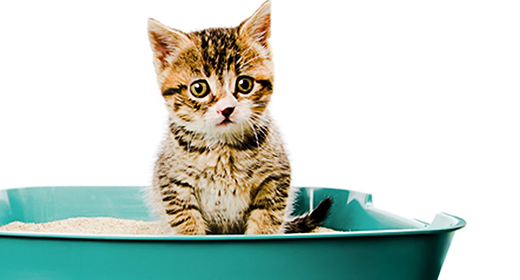
Credit: www.iams-india.com
Choosing The Right Litter Tray
Choosing the right litter tray is key to training your cat successfully. The tray must fit your cat’s size and habits. A good tray encourages your cat to use it without stress. This section covers size, style, materials, and placement tips.
Size And Style Options
Select a tray that fits your cat comfortably. Small trays may trap waste outside. Large cats need roomy trays to turn easily. Open trays offer easy access but less privacy. Covered trays give privacy but may feel cramped.
Consider these points:
- Tray should be at least 1.5 times your cat’s length
- High sides prevent litter scatter
- Low entry edges help kittens or older cats
- Open trays suit shy cats who dislike covers
Material Considerations
Choose a tray made from durable, easy-to-clean material. Plastic is common and lightweight. It resists moisture and odors well. Avoid trays with rough surfaces that can hurt paws. Smooth surfaces make cleaning faster.
- Non-toxic, pet-safe plastic
- Non-porous materials reduce bacteria buildup
- Lightweight but sturdy construction
- Easy to wipe and sanitize
Tray Placement Tips
Place the litter tray in a quiet, low-traffic area. Cats need privacy to feel safe. Avoid noisy or busy spots like near washing machines or loud appliances. Keep the tray away from food and water bowls. Ensure easy access at all times.
- Choose a calm, private corner
- Keep the tray on a stable surface
- Avoid direct sunlight or damp areas
- Place multiple trays if you have many cats

Credit: petite-store.com
Selecting The Best Litter
Choosing the right litter is key to helping your cat use the litter tray. The best litter feels comfortable to your cat’s paws and controls odors well. Cats dislike strong smells and dirty trays. Picking the right litter type and keeping the right depth makes training easier. Cleanliness invites your cat to the tray and builds good habits.
Types Of Cat Litter
There are several types of cat litter. Clay-based litter is popular and clumps well. Clumping litter makes cleaning simple and fast. Silica gel litter absorbs moisture and controls odor for longer. Natural options like corn, wheat, or pine litter are eco-friendly. Choose a type that suits your cat’s needs and your cleaning routine.
Scented Vs. Unscented
Scented litter masks odors but can bother sensitive cats. Unscented litter is gentle and more natural. Most cats prefer unscented litter because strong smells can scare them away. Pick unscented litter to keep your cat comfortable and willing to use the tray.
Litter Depth And Maintenance
Keep litter depth around 2 to 3 inches. This is enough for digging and covering waste. Too little litter can make your cat avoid the tray. Too much litter can be messy. Scoop waste daily and replace litter weekly. Clean trays help prevent accidents and keep your cat happy.
Introducing Your Cat To The Tray
Introducing your cat to the litter tray is a crucial step in training that sets the foundation for good habits. It’s more than just placing the tray in a corner; it involves understanding your cat’s behavior and creating a comfortable environment. This phase requires your full attention and care to ensure your feline friend feels safe and confident using the tray.
Timing And Patience
Timing plays a key role when introducing a cat to the litter tray. Cats often need guidance right after meals or naps, as these are natural times they want to relieve themselves.
Patience is essential because every cat adjusts at their own pace. If your cat doesn’t use the tray immediately, don’t rush or punish them. Instead, keep the tray accessible and gently encourage them by placing them in the tray at these key times.
Positive Reinforcement
Reward your cat with praise or a small treat whenever they use the litter tray correctly. Positive reinforcement builds a clear connection between the desired behavior and a pleasant outcome.
Use a calm, happy tone to reinforce the behavior, so your cat feels encouraged rather than scared. Avoid negative reactions; instead, focus on celebrating each success, no matter how small.
Handling Accidents Gracefully
Accidents are part of the learning process. When your cat misses the tray, clean the area thoroughly to remove any scent that might attract them back to the wrong spot.
Never scold or punish your cat, as this can create fear and confusion. Instead, redirect them gently to the litter tray and keep it clean and inviting to prevent future mistakes.
Establishing A Routine
Establishing a routine is vital to help your cat learn to use the litter tray. Cats thrive on consistency. A clear schedule makes them feel safe and reduces accidents. Setting regular times for feeding and litter tray visits builds good habits quickly. Observing your cat’s behavior helps you understand their needs. Keeping the litter tray clean encourages repeated use. These simple steps create a positive training experience for both you and your cat.
Feeding And Tray Schedule
Feed your cat at the same times daily. This regular feeding encourages predictable bathroom times. Cats usually need the litter tray soon after eating. Place your cat in the litter tray after meals. Repeat this often to build a strong connection. Consistency helps your cat learn where to go. Avoid free-feeding to keep the schedule effective.
Recognizing Signs Your Cat Needs The Tray
Watch for signs your cat needs to go. Sniffing around or scratching the floor are common clues. Restlessness or sudden hiding can also signal the urge. Gently guide your cat to the tray when you see these signs. Prompt action reduces accidents and reinforces good behavior. Learn your cat’s unique signals to respond quickly.
Cleaning And Hygiene Practices
Keep the litter tray clean every day. Remove clumps and waste to prevent odors. Wash the tray with mild soap weekly. Avoid strong-smelling cleaners that might scare your cat. A clean tray invites your cat to use it more often. Place the tray in a quiet, accessible spot to increase comfort. Good hygiene supports your cat’s health and training success.
Troubleshooting Common Issues
Training your cat to use a litter tray can sometimes hit a few bumps. Cats are creatures of habit, but they also have their own preferences and quirks that can lead to common issues. Understanding these challenges and knowing how to address them can save you a lot of frustration and keep your home clean and stress-free.
Avoiding Tray Aversion
Tray aversion happens when your cat starts avoiding the litter box altogether. This can be caused by dirty litter, an uncomfortable tray, or even a noisy location. Make sure you clean the tray daily and use a litter your cat likes—some prefer fine-grain, others clumping or non-scented.
Try moving the litter box to a quiet, private spot where your cat feels safe. Watch how your cat approaches the tray; if it seems hesitant, it might be too small or have high sides that make entry difficult. Sometimes, switching to an open tray or one with lower sides can make a big difference.
Dealing With Marking Behavior
If your cat is marking outside the litter tray, it’s often a sign of stress or a territorial claim. Neutering or spaying can reduce this behavior, especially in male cats. Clean any marked spots thoroughly with an enzyme cleaner to remove odors that encourage repeat marking.
Providing multiple litter trays in different areas can help, especially in multi-cat households. This reduces competition and gives your cat options. Pay attention to any changes in your cat’s environment that might be causing anxiety, such as new pets or visitors.
When To Consult A Veterinarian
Sometimes litter tray issues are linked to health problems like urinary tract infections, kidney issues, or arthritis. If your cat suddenly stops using the tray or shows signs of pain, don’t wait to see a vet. Early diagnosis can prevent serious complications.
Also, if you notice frequent urination, blood in the urine, or excessive licking of the genital area, these are red flags. Your vet can help rule out medical causes and provide guidance tailored to your cat’s needs.
Credit: www.petsradar.com
Frequently Asked Questions
How Long Does It Take To Train A Cat To Use A Litter Tray?
Training a cat to use a litter tray usually takes one to two weeks. Consistency and patience are key. Positive reinforcement helps speed up the process. Avoid punishment, as it can confuse your cat and delay training.
What Type Of Litter Tray Is Best For Cats?
Choose a litter tray that is large, low-sided, and easy to access. Covered trays may trap odors but some cats dislike them. Ensure the tray is cleaned regularly to encourage use. The right tray depends on your cat’s preferences.
How Often Should I Clean My Cat’s Litter Tray?
Clean the litter tray daily by removing waste. Completely change the litter and wash the tray once a week. Cleanliness prevents odor and keeps your cat comfortable. A clean tray promotes consistent litter box use.
Can Kittens Be Trained To Use A Litter Tray?
Yes, kittens can learn to use a litter tray from about 3 to 4 weeks old. Early introduction and encouragement help. Place them in the tray after meals and naps. Gentle guidance ensures they develop good habits early.
Conclusion
Training a cat to use a litter tray takes time and patience. Stay calm and consistent in your approach. Offer praise when your cat uses the tray correctly. Keep the tray clean and in a quiet place. Watch your cat’s behavior and adjust as needed.
Small steps lead to good habits. Soon, your cat will use the litter tray regularly. Enjoy a cleaner home and a happy pet. Training is simple with care and attention. You can do this!

Lily Purrington is the founder of MyKittyPicks.com, a cozy corner of the web dedicated to helping cat lovers discover the best cat products, furniture, toys, and home decor ideas.
A lifelong cat enthusiast, Lily shares trusted tips, honest product recommendations, and stylish inspiration designed to keep kitties happy and homes beautiful.
Her mission is simple: to bring together practical advice and purr-fect picks that make life better for cats and the people who love them.


