
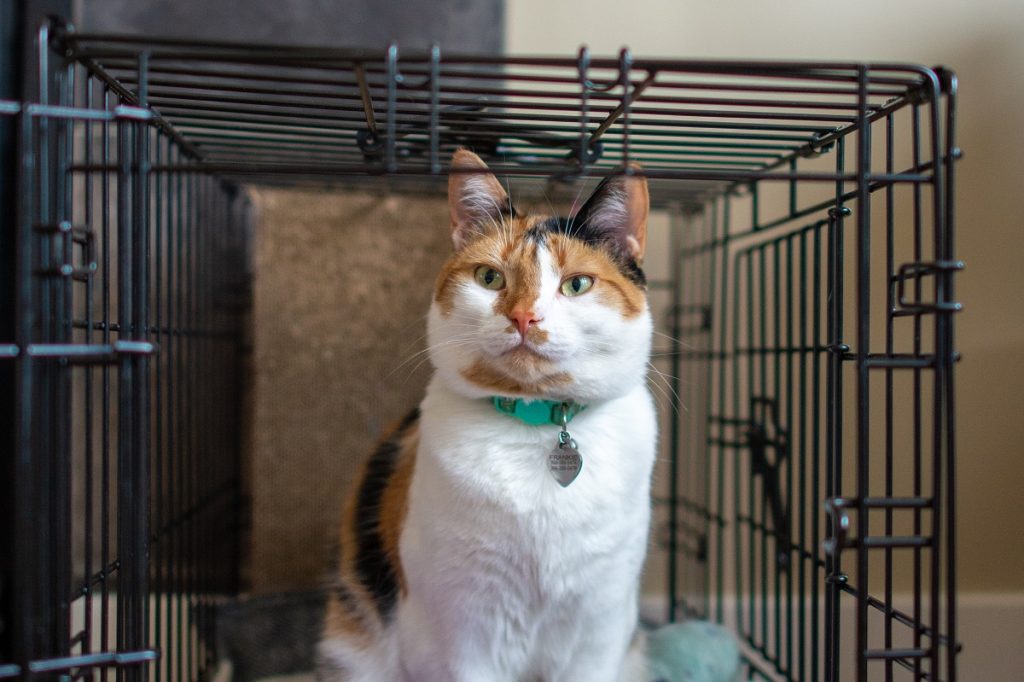
Have you ever wondered if you can crate train your cat? It might sound unusual, but crate training can actually make your life and your cat’s life easier.
Imagine having a safe space for your furry friend during travel, vet visits, or even just quiet time at home. If you’re curious about how to start, what to expect, and whether it’s really possible, keep reading. By the end of this article, you’ll have clear answers and practical tips to help your cat feel comfortable and secure in a crate.

Credit: bestfriends.org
Benefits Of Crate Training Cats
Crate training cats might sound unusual to some, but it offers several practical benefits that can make life easier for both you and your feline friend. A well-trained crate provides a safe space, reduces stress during travel, and simplifies trips to the vet. If you’re wondering whether this approach could work for your cat, understanding these benefits might help you decide.
Safety And Security
Your cat’s crate can become a personal sanctuary where they feel protected. Unlike leaving them roaming freely during busy or chaotic moments, a crate confines them safely without feeling trapped.
Think about times when you’ve had visitors or loud noises—does your cat hide or seem anxious? A crate offers a quiet retreat to calm down, reducing their stress and preventing accidents around the house.
Travel Convenience
Traveling with a cat can be stressful for both of you. A crate-trained cat is used to being in a confined space, making car rides and trips less nerve-wracking.
Instead of chasing a scared cat around the house trying to get them into a carrier, you’ll save time and frustration. Your cat will also feel more secure, which means fewer meows and less scratching during the journey.
Vet Visits Made Easier
Vet visits often cause anxiety for cats, leading to difficult handling and stressful experiences. If your cat is comfortable with a crate, getting them into the carrier becomes a smooth, calm process.
This small change can improve your cat’s health care by making routine visits less traumatic, which benefits their overall well-being. Plus, less stress for your cat means less stress for you.

Credit: www.catbosstv.com
Choosing The Right Crate
Choosing the right crate is essential for successful cat crate training. The crate should feel safe and comfortable. It should also suit your cat’s size and habits. Picking the right crate helps your cat adjust quickly and enjoy the space. Here are some key points to consider.
Size And Comfort
The crate must be big enough for your cat to move freely. It should allow your cat to stand, turn, and stretch. A cramped crate causes stress and discomfort. Soft bedding inside adds warmth and coziness. Avoid crates that are too large, as they may feel unsafe to your cat.
Material Options
Crates come in plastic, metal, and fabric styles. Plastic crates offer privacy and a solid feel. Metal crates provide durability and strength. Fabric crates are lightweight and portable. Choose a material that fits your cat’s temperament and your lifestyle. Easy-to-clean materials save time and keep the crate fresh.
Ventilation And Visibility
Proper airflow prevents overheating and odors. Look for crates with multiple vents or mesh panels. Good ventilation keeps your cat calm and healthy. Visibility lets your cat see surroundings, reducing fear. Some cats prefer more privacy, so balance visibility with enclosed spaces.
Preparing Your Cat
Preparing your cat for crate training takes patience and a gentle approach. The goal is to help your cat see the crate as a safe and comfortable space rather than a confinement. How you introduce the crate can make all the difference in your cat’s willingness to accept it.
Introducing The Crate Gradually
Start by placing the crate in a quiet area where your cat already feels relaxed. Leave the door open so your cat can explore it at their own pace without feeling trapped. You might notice your cat peeking inside or even napping near it after a few days.
Try feeding your cat near the crate to build a positive association. If your cat shows interest, encourage them to step inside by placing treats just inside the entrance. The key is to avoid rushing; let your cat take the lead on when to go in and out freely.
Creating A Positive Environment
Make the crate inviting by adding soft bedding that your cat already likes. The comfort of familiar textures can reduce anxiety and make the crate feel like a safe retreat. Avoid using the crate only for stressful events, like trips to the vet, as this can create negative feelings.
Spend time sitting near the crate, talking softly or offering gentle pets if your cat is comfortable. This shows your cat that the crate is part of their everyday environment, not a place of isolation. Could your cat start to see the crate as their own cozy corner?
Using Familiar Scents And Toys
Familiar smells help your cat feel secure. Place a blanket or an old shirt with your scent inside the crate. Your cat will associate the crate with comfort and safety through these scents.
Add your cat’s favorite toys or a scratching pad inside the crate. This encourages playful exploration and helps your cat feel less confined. Have you noticed how a beloved toy can change your cat’s mood instantly? Use that power to make the crate a welcoming space.
Step-by-step Training Process
Training a cat to accept a crate takes patience and care. The process involves small, gentle steps that build trust. Cats need to feel safe and comfortable before they use the crate willingly. Follow these steps to help your cat adjust without stress.
Short Sessions To Start
Begin with very brief crate sessions. Leave the door open so your cat can explore. Place soft bedding inside for comfort. Let your cat enter and exit freely. Keep the environment calm and quiet. End sessions before your cat shows signs of stress. Repeat often to build positive associations.
Encouraging Voluntary Entry
Use treats and toys to attract your cat inside. Place favorite snacks near and inside the crate. Speak softly and praise when your cat approaches. Avoid forcing or pushing your cat inside. Reward voluntary entry with gentle petting or play. This approach makes the crate a positive place.
Extending Crate Time Safely
Slowly increase the time your cat spends inside. Start with a few minutes and add a little each day. Stay nearby and watch for signs of discomfort. Offer treats and comfort during longer stays. Never leave your cat alone too long at first. The goal is calm, relaxed crate time.
Common Challenges And Solutions
Training a cat to accept a crate is not without its hurdles. Cats are naturally independent and cautious creatures, so understanding common challenges can help you approach crate training more effectively. Here, we look at key issues you might face and practical ways to handle them.
Dealing With Resistance
Resistance is a natural response when introducing a new environment like a crate. Your cat might hiss, scratch, or simply refuse to enter. Instead of forcing the issue, offer treats or toys inside the crate to create a positive lure.
Try leaving the crate open in a familiar area so your cat can explore it at their own pace. Patience is crucial—some cats need days or even weeks to warm up to the idea. Could your cat’s past experiences influence how they react to the crate?
Managing Stress And Anxiety
Crate training can cause stress if your cat feels trapped or unsafe. Watch for signs like excessive meowing, hiding, or refusal to eat. To ease anxiety, cover the crate with a soft blanket to create a cozy, den-like space.
Using pheromone sprays or diffusers near the crate can help calm your cat. Keep crate sessions short initially and gradually increase the time. Remember, your calm attitude can directly impact your cat’s comfort level.
Avoiding Negative Associations
Negative experiences linked to the crate may cause your cat to avoid it permanently. Avoid using the crate as a punishment or forcing your cat inside when they’re scared. Instead, make the crate a positive place by feeding meals inside or placing favorite toys within.
Consistency helps; try to maintain a routine around crate time so your cat knows what to expect. Have you noticed if your cat associates any specific sounds or actions with the crate? Identifying and modifying these can prevent setbacks.

Credit: www.reddit.com
Expert Tips For Success
Cats can be crate trained with patience and care. Start by choosing a comfortable crate and creating a positive environment. Gradually introduce your cat to the crate using treats and gentle encouragement.
Crate training isn’t just for dogs. With the right approach, you can successfully crate train your cat too. The process requires patience, understanding, and a few expert tips to guide you along the way. Below are some key strategies to ensure success in crate training your feline friend.Consistency Is Key
Cats thrive on routine. Ensure that crate training sessions happen at the same time each day. This helps your cat understand what to expect and reduces anxiety. Place the crate in a familiar location. Your cat should associate the crate with comfort and security. Consider leaving the door open so your cat can explore at its own pace. Use a consistent cue or command. A simple phrase like “crate time” can signal to your cat that it’s time to enter the crate.Reward-based Motivation
Positive reinforcement can make a world of difference. Offer treats or toys as rewards when your cat enters the crate. This creates a positive association with the crate. Experiment with different rewards. Some cats might prefer a tasty treat, while others might respond better to playtime or petting. Tailor your rewards to what your cat loves most. Avoid negative reinforcement. Never force your cat into the crate or use it as a form of punishment. This can create fear and resistance.Patience And Observation
Every cat is unique, and training might take time. Be patient and observe your cat’s reactions during the process. If your cat seems stressed, take a step back and slow down the training. Celebrate small victories. If your cat steps into the crate willingly, even for a moment, acknowledge this progress. Small steps lead to long-term success. Ask yourself: How is your cat responding? Are there specific triggers that cause anxiety? Understanding your cat’s behavior can help tailor your approach. Crate training a cat requires careful attention and an understanding of your feline’s needs. With consistency, rewards, and patience, you can create a positive experience for both you and your cat.Frequently Asked Questions
Can Cats Be Successfully Crate Trained?
Yes, cats can be crate trained with patience and positive reinforcement. It helps them feel safe and secure in a confined space.
How Long Does Crate Training A Cat Take?
Crate training a cat usually takes a few weeks. Consistency, treats, and gentle encouragement speed up the process.
Is Crate Training Stressful For Cats?
Crate training is not stressful if done gradually. It provides a cozy, quiet space that many cats enjoy.
What Are The Benefits Of Crate Training Cats?
Crate training offers safety during travel, vet visits, and helps manage behavior. It also creates a secure resting spot.
Conclusion
Crate training a cat takes patience and gentle steps. Not all cats like crates at first, but many learn to feel safe inside. Use treats and soft words to help your cat adjust. Keep the crate cozy with a blanket or toy.
Small, calm sessions work best to build trust. Over time, your cat may enjoy the crate as a quiet space. Remember, each cat is different. Try and see what works best for your furry friend. Crate training can make travel and vet visits less stressful.

Lily Purrington is the founder of MyKittyPicks.com, a cozy corner of the web dedicated to helping cat lovers discover the best cat products, furniture, toys, and home decor ideas.
A lifelong cat enthusiast, Lily shares trusted tips, honest product recommendations, and stylish inspiration designed to keep kitties happy and homes beautiful.
Her mission is simple: to bring together practical advice and purr-fect picks that make life better for cats and the people who love them.


