
Is your cat meowing non-stop, driving you a little crazy? You’re not alone.
Constant meowing can be frustrating and exhausting, especially when you don’t know how to make it stop. But what if you could train your cat to quiet down without feeling guilty or stressed? This guide will show you simple, effective ways to help your furry friend stop meowing so much.
Keep reading, and you’ll discover easy tips that really work—making your home peaceful again and strengthening the bond with your cat.

Credit: moderncat.com
Reasons Cats Meow
Cats meow for many reasons. It is their way to talk with humans. Understanding why your cat meows helps you respond well. This can reduce unwanted meowing over time.
Communication Needs
Cats use meowing to share feelings or needs. They might want food, water, or to be let outside. Sometimes, meows show they feel lonely or scared. Each cat has a unique way to express itself.
Attention Seeking
Many cats meow to get your attention. They want to play, be petted, or just be near you. If you often respond to meows, your cat will meow more. It is a habit formed through interaction.
Health Issues
Sometimes meowing signals a health problem. Cats in pain or discomfort may meow loudly. Older cats might meow due to confusion or memory loss. Watch for changes in meowing patterns and consult a vet if needed.
Environmental Factors
Changes in the environment can cause meowing. New pets, visitors, or loud noises may stress your cat. They meow to express fear or discomfort. Keeping a calm, stable environment helps reduce stress meows.

Credit: www.reddit.com
Identify Triggers
Identifying what causes your cat to meow helps reduce unwanted noise. Cats meow for many reasons. Understanding these reasons is the first step to training your cat to be quieter.
Look closely at your cat’s actions and surroundings. This helps find patterns linked to meowing.
Observe Behavior Patterns
Watch your cat carefully throughout the day. Notice when the meowing starts and what your cat does just before. Does your cat meow while playing, eating, or resting? These clues reveal the triggers. Pay attention to body language too. Tail position, ear movement, and eye contact show your cat’s feelings.
Note Time And Place
Write down the time when your cat meows most. Is it morning, afternoon, or night? Check where your cat is during these times. Is your cat near a window, door, or food bowl? Finding the exact time and place helps you avoid or change these situations.
Record Responses
Keep a simple log of what you do when your cat meows. Does feeding, petting, or talking stop the meowing? Note how your cat reacts to each action. This record shows what encourages or discourages the meowing. Use this information to adjust your responses and train your cat effectively.
Create A Calm Environment
Creating a calm environment is key to helping your cat reduce excessive meowing. Cats often vocalize more when they feel stressed or unsettled. By making your home a peaceful place, you can encourage your furry friend to express themselves less through meows and more through relaxed behavior.
Provide Safe Spaces
Giving your cat a safe, quiet area can significantly lower their stress levels. Cats like to retreat to cozy corners or high perches where they feel secure. You might notice your cat meowing less when they have a favorite blanket or a secluded spot to hide.
Try setting up a small bed in a quiet room or a covered cat tree. This gives them control over their environment and a place to escape from noise or activity. Have you seen how your cat behaves when they have a peaceful retreat? Chances are, they’re much quieter.
Maintain Routine
Cats thrive on routine. Feeding, playtime, and rest at consistent times help your cat feel safe and less anxious. When your cat knows what to expect, they’re less likely to meow out of confusion or stress.
Keep meal times regular and try to interact with your cat at similar times every day. This predictability can calm their nerves and reduce attention-seeking meows. What daily routine could you stick to that your cat will recognize and feel comforted by?
Use Soothing Sounds
Background noise can soothe a cat and drown out sudden sounds that might trigger meowing. Soft music, white noise machines, or nature sounds can create a peaceful atmosphere. I once played gentle classical music for my cat during a thunderstorm, and her meowing stopped almost immediately.
Experiment with different sounds to find what your cat responds to best. Keep the volume low and consistent to avoid startling them. Could a calming playlist be the secret to quieting your chatty cat?
Positive Reinforcement
Positive reinforcement helps your cat learn good behavior. It encourages quiet moments and reduces meowing. Cats respond well to rewards and attention. This approach builds trust and improves communication between you and your cat.
Reward Quiet Behavior
Notice when your cat stays quiet for a bit. Give gentle praise or a soft pet to show approval. This teaches your cat that quiet time brings positive attention. Repeat this often to make the connection clear.
Use Treats And Praise
Use small treats to reward silence. Offer a treat right after your cat stops meowing. Say kind words like “good cat” to reinforce the behavior. Treats and praise make quiet moments more appealing.
Ignore Excessive Meowing
Do not respond to loud or long meows. Avoid eye contact and do not speak to your cat then. This shows that meowing will not bring attention. Wait for quiet before giving any response or reward.
Train With Commands
Training a cat to stop meowing often requires clear communication. Using commands helps your cat understand what behavior you want. Teaching your cat simple commands brings calm to noisy moments. Consistency and patience are key when training with commands.
Teach ‘quiet’ Cue
Pick a word like “quiet” to signal no meowing. Say the word softly but firmly when your cat meows. Wait for your cat to stop meowing before giving a reward. Use treats or gentle petting as positive feedback. Repeat this often to link the word with silence.
Consistent Responses
Always respond the same way to meowing. Avoid shouting or giving attention during noisy spells. Calmly say “quiet” and wait for silence before offering rewards. Consistent reactions help your cat learn the right behavior faster. Everyone in the house should follow the same rules.
Practice Patience
Training takes time. Your cat will not learn the command overnight. Celebrate small progress to stay motivated. Avoid punishment; it can increase stress and meowing. Keep sessions short and positive. Patience builds trust and makes training effective.
Meet Basic Needs
Understanding your cat’s basic needs is key to reducing excessive meowing. Cats often vocalize when something essential is missing or out of balance in their daily life. Meeting these needs creates a calm environment where your cat feels secure and less inclined to call out repeatedly.
Regular Feeding Schedule
Stick to a consistent feeding routine to help your cat feel secure. Cats thrive on predictability, so feeding at the same times every day reduces anxiety and the urge to meow for food.
If your cat meows near mealtime, try feeding smaller portions more frequently. This can keep hunger at bay and minimize loud demands.
Playtime And Exercise
A bored or restless cat often meows to get your attention. Regular play sessions help burn off excess energy and reduce vocal outbursts.
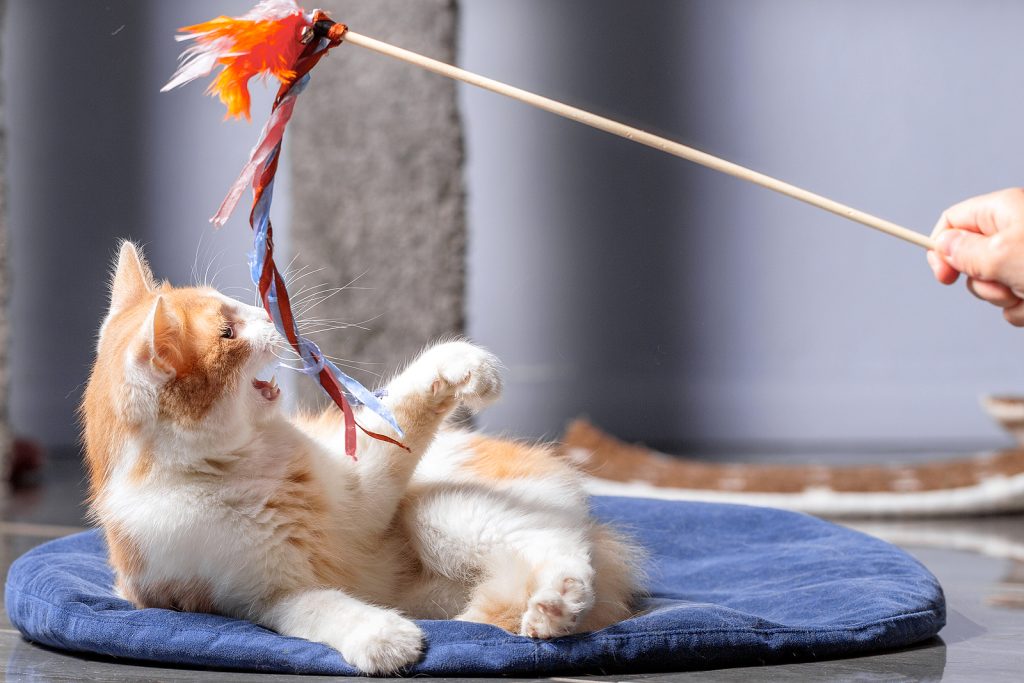
Use toys that mimic hunting, like feather wands or laser pointers. You might be surprised how much quieter your cat becomes after just 15 minutes of interactive play.
Health Checkups
Sometimes, constant meowing signals discomfort or illness. Regular vet visits catch health issues before they escalate into persistent vocalizing.
If your cat suddenly starts meowing more, consider a health check. Pain or medical problems often cause increased vocalization, and addressing them can restore peace.
Avoid Reinforcing Meowing
Giving attention to your cat only when it meows can make the behavior worse. Ignore loud meowing to help reduce it over time. Reward quiet moments with gentle praise or treats instead.
Understanding how to prevent reinforcing your cat’s meowing is crucial in training them to be quieter. Cats often meow to get attention or treats, and responding immediately can make the behavior worse. By strategically altering your responses, you can teach your cat that meowing won’t always get them what they want.Delay Attention
When your cat starts meowing for attention, try delaying your response. Instead of responding immediately, wait until they are quiet before you engage with them. This teaches your cat that silence, not meowing, earns your attention. Imagine your cat meowing at the door for a treat. If you rush to give them a snack, you’re reinforcing the noise. Instead, wait for a moment of calm and then reward them.Stay Calm
It’s important to stay calm when your cat meows excessively. Raising your voice or showing frustration can make your cat anxious or even more vocal. Your cat takes cues from your behavior. By maintaining a calm demeanor, you’re demonstrating that meowing doesn’t lead to excitement or concern. Does your cat meow at you when you’re on the phone? Keep your voice steady and continue with your conversation. Your calmness will signal to your cat that meowing isn’t a big deal.Limit Responses
Consider how often you respond to your cat’s meows. Are you inadvertently giving them attention every single time? Limiting your responses can decrease the frequency of their meowing. Next time your cat meows, ask yourself if it truly requires your immediate action. If not, let it be. Over time, your cat will learn that constant meowing won’t always lead to engagement. Cats are smart, and they quickly learn patterns. By breaking the habit of responding to every meow, you’re teaching them a new way to communicate and get your attention.Seek Professional Help
Training a cat to stop meowing excessively can be challenging. Sometimes, it’s best to seek professional help. Experts can provide valuable insights into your cat's behavior. This can ensure a happy and peaceful home environment. Below are key steps to consider.
Consult Veterinarian
First, talk to your veterinarian. They can check for health issues causing excessive meowing. Sometimes, an underlying condition might be the reason. A vet can conduct a thorough examination. They may suggest tests to rule out medical problems.
Consider Behaviorist
If no medical issues are found, a cat behaviorist can help. They specialize in understanding feline behavior. A behaviorist can identify triggers causing your cat to meow. They can create a personalized training plan for your cat. This plan will address specific behavioral concerns.
Explore Medical Causes
Always consider potential medical causes for excessive meowing. Common issues include pain, hunger, or anxiety. A vet can help identify and treat these causes. Resolving medical issues can significantly reduce meowing. This step is crucial for your cat’s well-being.

Credit: moderncat.com
Frequently Asked Questions
Why Does My Cat Meow Excessively?
Cats meow to communicate needs like hunger, attention, or discomfort. Excessive meowing may indicate stress, illness, or boredom. Understanding the cause helps address the behavior effectively and reduces unnecessary noise.
How Can I Reduce My Cat’s Meowing?
Provide regular feeding, playtime, and affection to meet your cat’s needs. Avoid rewarding meowing with attention. Use positive reinforcement for quiet behavior. Consistency and patience are key to reducing excessive vocalizing.
Is Ignoring Meowing An Effective Training Method?
Yes, ignoring attention-seeking meowing can teach your cat it won’t get a response. Only respond when your cat is quiet. This method discourages excessive meowing over time and promotes calm communication.
Can Training Help Stop Night-time Meowing?
Yes, establish a nighttime routine with feeding and play before bed. Provide toys or distractions to keep your cat occupied. Avoid responding to meowing at night to discourage the behavior.
Conclusion
Training a cat to stop meowing takes time and patience. Consistency in your actions helps your cat learn faster. Reward quiet behavior with treats or praise. Avoid giving attention when your cat meows loudly. Understand your cat’s needs and respond kindly.
Quiet moments will increase with steady practice. Your cat will feel happier and calmer. Enjoy the peaceful home you create together. Keep trying, and don’t give up. Small steps lead to big changes.

Lily Purrington is the founder of MyKittyPicks.com, a cozy corner of the web dedicated to helping cat lovers discover the best cat products, furniture, toys, and home decor ideas.
A lifelong cat enthusiast, Lily shares trusted tips, honest product recommendations, and stylish inspiration designed to keep kitties happy and homes beautiful.
Her mission is simple: to bring together practical advice and purr-fect picks that make life better for cats and the people who love them.


