

Have you ever wished your cat could play fetch just like a dog? Training a cat to fetch might sound impossible, but with the right approach, you can turn your curious feline into a fun, interactive companion.
Imagine the joy of tossing a toy and watching your cat eagerly bring it back to you. In this guide, you’ll discover simple, effective steps that make training your cat to fetch not only possible but enjoyable for both of you.
Ready to unlock a new level of bonding with your cat? Let’s dive in.

Credit: www.reddit.com
Why Cats Fetch
Understanding why cats fetch can change how you approach training your feline friend. Unlike dogs, cats aren’t naturally known for fetching, but many do it anyway. Knowing the reasons behind this behavior helps you encourage and enjoy this playful habit with your cat.
Natural Instincts
Cats are natural hunters. They love to chase and pounce on moving objects, which mimics catching prey. Fetch taps into this instinct, turning a simple game into a form of mental and physical exercise.
Have you noticed how your cat’s eyes lock onto toys like a laser? That focus comes from their predatory nature, making fetch a fun way to satisfy their hunting drive.
Play And Bonding
Playing fetch is more than just a game; it’s a way to bond with your cat. When you throw a toy and your cat brings it back, it creates a shared experience built on trust and communication.
This interaction strengthens your relationship and helps your cat feel more connected to you. Have you seen how your cat’s tail twitches or how they purr during play? These are signs they enjoy your time together.
Benefits Of Fetch
- Mental Stimulation:Fetch challenges your cat’s mind, keeping boredom away.
- Physical Exercise:Running and pouncing help maintain a healthy weight and agility.
- Stress Relief:Active play reduces anxiety and destructive behaviors.
Imagine your cat eagerly waiting for you to throw their favorite toy. That excitement shows how much they benefit from this simple activity. Could this be the key to a happier, healthier cat in your home?

Credit: www.reddit.com
Choosing The Right Toy
Choosing the right toy is key to teaching your cat to fetch. The toy must catch your cat’s interest and be easy to carry. Cats prefer toys that feel good in their mouths and paws. Picking the best toy helps your cat enjoy the game and learn faster.
Size And Texture
Pick a toy small enough for your cat to carry in its mouth. Too big or heavy toys can frustrate your cat. Soft toys with a bit of texture work well. They are gentle on teeth and paws. Avoid toys that are too hard or slippery.
Safety Considerations
Choose toys without small parts that can be swallowed. Avoid toys with loose strings or pieces that can break off. Use non-toxic materials to keep your cat safe. Always check the toy regularly for damage. Replace it if it starts to fall apart.
Favorite Options
- Small plush mice or balls
- Lightweight foam balls
- Feather toys attached to a small base
- Crumpled paper balls
These toys are easy to throw and carry. Try different toys to see which your cat likes best.
Setting Up The Training Space
Choose a quiet, open area free from distractions to help your cat focus. Keep toys and treats nearby to encourage participation. A comfortable space makes learning easier and more fun for your cat.
Setting up the training space is crucial for teaching your cat to fetch. A well-prepared environment can make the process smooth and enjoyable. Cats are curious creatures, so creating the right atmosphere encourages them to learn effectively.Quiet Environment
Choose a quiet room for training. Loud noises can scare your cat. Ensure minimal background noise. A calm setting helps your cat focus. This quiet space should be away from daily household activities. The goal is to make your cat feel at ease.Limited Distractions
Keep distractions to a minimum. Remove any toys or items that may divert your cat’s attention. Close windows and doors to block outside noise. Train in a room where there are fewer people or pets. This focus will help your cat concentrate on the task.Comfortable Area
Ensure the training area is comfortable. A soft rug or mat can provide a cozy spot. Proper lighting is important so your cat can see clearly. Avoid slippery surfaces that might make your cat uneasy. A comfortable space encourages your cat to engage more readily in fetching activities.Step-by-step Training Process
Training a cat to fetch might seem like a challenge, but breaking the process into clear steps makes it manageable and even fun. You’ll need patience, consistency, and a bit of creativity. Let’s dive into how you can guide your feline friend through each phase of learning this playful skill.
Getting Your Cat Interested
Start by choosing a toy your cat loves—something light and easy to carry, like a small ball or a soft mouse. Observe what kind of play excites your cat naturally. Does your cat chase moving objects or prefer batting things around?
Use short play sessions to engage your cat’s attention. Toss the toy gently across the room and watch if your cat shows interest in chasing it. If not, try different toys or add a bit of catnip to spark curiosity.
Introducing The Fetch Command
Pick a simple word or phrase like “fetch” to say every time you toss the toy. Consistency is key—use the same command and tone each time. Cats respond best to clear, calm cues.
After tossing the toy, say the command clearly and encourage your cat to go after it. Don’t expect immediate understanding; give your cat time to connect the word with the action. Repetition over several days helps build this association.
Encouraging Retrieval
Once your cat chases the toy, the next step is to encourage bringing it back. You might need to gently call your cat or pat the floor near you to signal where you want the toy delivered. Use excitement in your voice to motivate your cat.
If your cat picks up the toy but doesn’t return, try moving a step closer or using a second toy as a lure. Be patient—some cats take longer to grasp this part. Watch for moments when your cat naturally carries toys back and reward that behavior.
Rewarding Success
Positive reinforcement is crucial. Offer treats, affection, or playtime immediately after your cat brings the toy back. This makes your cat associate fetching with good outcomes.
Keep rewards small and frequent to maintain motivation. Over time, you can gradually reduce treats and rely more on praise and petting. Have you noticed how your cat’s eyes light up when praised? That’s your cue to keep going.
Common Challenges
Training a cat to fetch can be rewarding but comes with its own set of hurdles. Understanding these common challenges helps you stay patient and adjust your approach. You might find that each cat brings a unique twist to the learning process.
Lack Of Interest
Many cats simply don’t see the point of fetching. Unlike dogs, cats often prioritize play on their own terms. If your cat ignores the toy, try switching to something that sparks curiosity, like a feather or a small ball with a bell.
Have you noticed your cat’s favorite play style? Use that insight to choose toys that naturally grab their attention. Sometimes, a quick burst of play before training sessions can wake up their interest.
Short Attention Span
Cats are notorious for losing focus quickly. Training sessions that last too long often end in frustration for both of you. Keep sessions under five minutes and stop while your cat is still engaged.
Try breaking the training into multiple short bursts throughout the day. This respects your cat’s natural rhythms and keeps the experience positive. Do you find your cat more responsive at certain times of the day?
Inconsistent Responses
Your cat might fetch perfectly one moment and ignore the toy the next. This inconsistency can be confusing, but it’s normal behavior. Cats don’t always connect actions with rewards the way dogs do.
To improve consistency, use the same commands and rewards every time. Maintain a calm tone and avoid rushing the process. Could changing the environment or timing help your cat respond better?
Tips For Consistent Practice
Training your cat to fetch takes more than just teaching the basics; it requires consistent effort and smart practice habits. How you structure your training sessions can make a big difference in keeping your cat interested and motivated. Here are some tips to help you stay consistent and effective during your training journey.
Short Sessions
Cats have short attention spans, so keep training sessions brief—around 5 to 10 minutes at a time. This prevents your cat from losing interest or becoming frustrated. You’ll find that frequent, short bursts of practice work better than long, drawn-out sessions.
Try to fit in multiple short sessions throughout the day, especially during times when your cat is naturally more active. Notice how your cat reacts and adjust the timing accordingly.
Positive Reinforcement
Reward good behavior immediately with treats, praise, or play. Cats respond best to positive reinforcement, which encourages them to repeat the action you want. Timing is everything—delivering the reward right after your cat fetches will help them connect the dots.
- Use small, tasty treats that your cat loves.
- Keep your voice cheerful and encouraging.
- Mix in playtime as a reward to keep things fun.
Have you noticed how your cat’s enthusiasm changes when you celebrate their success? That’s the power of positive reinforcement.
Patience And Persistence
Training a cat to fetch can take days or even weeks, so patience is key. Don’t expect perfection right away; instead, celebrate small victories along the way. If your cat seems uninterested one day, try again later or change your approach slightly.
Consistency matters more than intensity. Practice a little each day, even if progress feels slow. Over time, your cat will start to understand and enjoy the game.
What’s one way you can stay motivated to keep practicing, even when your cat isn’t cooperating? Finding your own patience will make all the difference.
Advanced Tricks After Fetch
Once your cat masters the basic fetch game, you can challenge their skills with advanced tricks. These tricks not only keep your cat mentally stimulated but also deepen your bond. Let’s explore ways to make fetch more interactive and fun.
Returning On Command
Teaching your cat to bring the toy back on command adds a new layer to fetch. Start by using a consistent word or phrase like “bring it here.” Praise and reward your cat immediately when they return with the toy.
If your cat hesitates, try using treats or gentle encouragement. Patience is key—cats respond better to positive reinforcement than pressure. Have you noticed how some cats love to show off when they know they’re doing well?
Playing Fetch Indoors
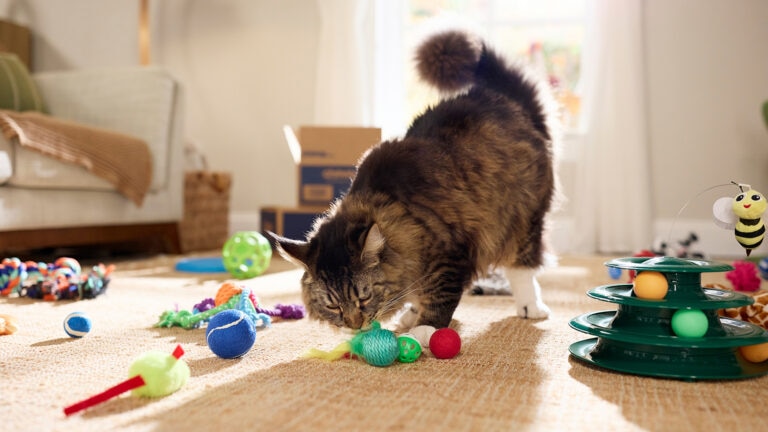
Indoor fetch requires a bit of creativity but can be just as exciting. Choose lightweight toys that won’t damage your furniture or break easily. Soft balls, small plush toys, or even crumpled paper work well.
Clear a safe area and use short tosses to keep your cat engaged. You might find your feline friend prefers chasing the toy along the floor instead of catching it mid-air. How can you adjust the game to fit your cat’s unique play style?
Combining Fetch With Other Tricks
Mix fetch with commands like “sit,” “stay,” or “drop” to boost your cat’s obedience and focus. For example, ask your cat to sit before you throw the toy. Then, after they catch it, use “drop” to have them release it before the next throw.
This combo challenges your cat mentally and physically. It’s rewarding to see your cat follow multiple commands in a row. What other tricks could you add to make playtime even more engaging?
Credit: www.chewy.com
Frequently Asked Questions
How Long Does It Take To Train A Cat To Fetch?
Training a cat to fetch usually takes 2 to 4 weeks. Consistency and patience are key. Short daily sessions help maintain their interest and improve learning speed.
What Is The Best Age To Start Fetch Training?
Kittens aged 3 to 6 months learn fetch faster. Younger cats are more playful and adaptable. However, adult cats can learn with the right motivation and patience.
Which Toys Work Best For Cat Fetch Training?
Small, lightweight toys like soft balls or stuffed mice work best. Choose toys easy for your cat to carry. Avoid loud or hard toys that may scare them.
How Do I Keep My Cat Motivated During Fetch Training?
Use treats and praise to reward fetch behavior. Keep sessions short and fun to maintain interest. Gradually increase difficulty to challenge your cat.
Conclusion
Training a cat to fetch takes time and patience. Start with small steps and keep sessions short. Use treats and praise to encourage your cat. Not every cat will enjoy this activity, and that’s okay. Enjoy the moments you share during training.
With love and practice, your cat might learn to fetch. Remember, fun and trust matter most in training. Keep trying, and celebrate small wins together.

Lily Purrington is the founder of MyKittyPicks.com, a cozy corner of the web dedicated to helping cat lovers discover the best cat products, furniture, toys, and home decor ideas.
A lifelong cat enthusiast, Lily shares trusted tips, honest product recommendations, and stylish inspiration designed to keep kitties happy and homes beautiful.
Her mission is simple: to bring together practical advice and purr-fect picks that make life better for cats and the people who love them.


