

Have you ever wondered if Cat Eye Syndrome can be prevented? If you’re worried about this rare genetic condition affecting you or your family, you’re not alone.
Understanding what causes Cat Eye Syndrome and whether there are steps you can take to reduce the risk is crucial. You’ll discover clear answers and practical insights that could make a difference for your peace of mind and your loved ones’ health.
Keep reading to learn what you need to know.
Causes Of Cat Eye Syndrome
Cat Eye Syndrome is a rare genetic condition. It affects how a baby grows before birth.
This syndrome is caused by changes in chromosomes. These changes affect many parts of the body.
Genetic Factors
Cat Eye Syndrome happens because of a small extra piece of chromosome 22. This extra piece carries extra genes.
The extra genes cause changes in the body’s development. This leads to the signs of Cat Eye Syndrome.
- The extra chromosome piece is called an inverted duplicated chromosome 22
- This extra chromosome is not inherited in most cases
- It usually happens by chance during the formation of egg or sperm cells
Chromosomal Abnormalities
Cat Eye Syndrome is linked to chromosomal abnormalities. These are problems with the chromosomes in cells.
The extra chromosome piece causes too many genes to be present. This imbalance leads to symptoms.
- Extra genetic material causes developmental problems
- Chromosome 22 is involved in many body functions
- Abnormalities in chromosome 22 can affect eyes, ears, and heart

Credit: www.eliteveterinarycare.com
Risk Factors To Consider
Cat Eye Syndrome is a rare genetic condition. It happens because of extra chromosome material. Understanding risk factors can help families prepare better.
Not all causes are clear, but some risks are known. These risks include family history and environmental influences.
Family History
Cat Eye Syndrome can run in families. If someone in your family has it, your risk may increase. This is because the condition involves changes in chromosomes.
Genetic counseling can help families understand these risks. It provides information about chances of passing the condition to children.
Environmental Influences
Some environmental factors might affect chromosome changes. These include exposure to certain chemicals or radiation. Such exposures may raise the chance of genetic problems.
Pregnant women should avoid harmful substances. This helps reduce risks of genetic issues in their babies.
Prenatal Screening Options
Cat Eye Syndrome is a rare genetic condition. Prenatal screening helps detect it before birth.
Early detection allows parents and doctors to prepare for care and treatment.
Ultrasound Examinations
Ultrasound uses sound waves to create pictures of the baby in the womb. It can show physical signs linked to Cat Eye Syndrome.
Doctors look for unusual features like eye shape or heart problems during the scan. Regular ultrasounds help track the baby’s growth and health.
- Check eye structure for abnormalities
- Examine the heart and kidneys
- Look for facial and skull differences
- Monitor growth patterns closely
Genetic Testing Techniques
Genetic tests analyze the baby’s DNA to find changes that cause Cat Eye Syndrome. These tests are more precise than ultrasounds.
Common tests include chorionic villus sampling and amniocentesis. These collect cells from the placenta or amniotic fluid.
- Chorionic villus sampling (CVS) – done early in pregnancy
- Amniocentesis – performed later for detailed analysis
- Non-invasive prenatal testing (NIPT) – uses mother’s blood
- Chromosome analysis to find extra or missing parts
Preventive Measures And Limitations
Cat Eye Syndrome is a rare genetic disorder caused by an extra piece of chromosome 22. It affects body parts like the eyes, heart, and kidneys. Preventing this syndrome is difficult because it happens randomly in most cases.
Understanding prevention helps families prepare and seek medical advice early. Some steps may lower risks, but no full prevention exists yet.
Current Medical Recommendations
Doctors suggest genetic counseling for families with a history of Cat Eye Syndrome. This helps parents understand the risks before having children. Prenatal testing can check if the baby has the syndrome.
Regular check-ups during pregnancy are important to monitor the baby’s health. Early diagnosis allows doctors to plan treatments and support for the child.
- Genetic counseling before pregnancy
- Prenatal genetic tests like amniocentesis
- Ultrasound scans to detect physical signs
- Early medical care after birth
Challenges In Prevention
Cat Eye Syndrome usually occurs from random chromosome changes. It does not have clear causes that can be avoided. This makes prevention very hard.
Many cases have no family history, so parents cannot predict the risk. Testing can only find the syndrome after conception. Treatments focus on managing symptoms, not prevention.
- Random chromosome changes cause most cases
- No known lifestyle changes reduce risk
- Testing is available only during or after pregnancy
- Prevention is limited to early detection and care
Support And Management Strategies
Cat Eye Syndrome is a rare condition needing care and support. Early help can improve life quality for those affected.
Families and caregivers play a key role in managing symptoms. Many strategies focus on development and daily needs.
Early Intervention
Early therapy helps children with Cat Eye Syndrome reach their full potential. Doctors recommend regular check-ups and developmental screenings.
- Speech therapy to improve communication
- Physical therapy to build muscle strength
- Occupational therapy for daily living skills
- Special education support in schools
Therapeutic Approaches
Therapies focus on managing symptoms and improving abilities. A team approach with doctors and therapists works best.
| Therapy Type | Purpose | Frequency |
| Speech Therapy | Help with talking and understanding language | Weekly |
| Physical Therapy | Improve movement and coordination | 2-3 times a week |
| Occupational Therapy | Develop daily living and fine motor skills | Weekly or biweekly |
| Behavioral Therapy | Address social and emotional challenges | As needed |
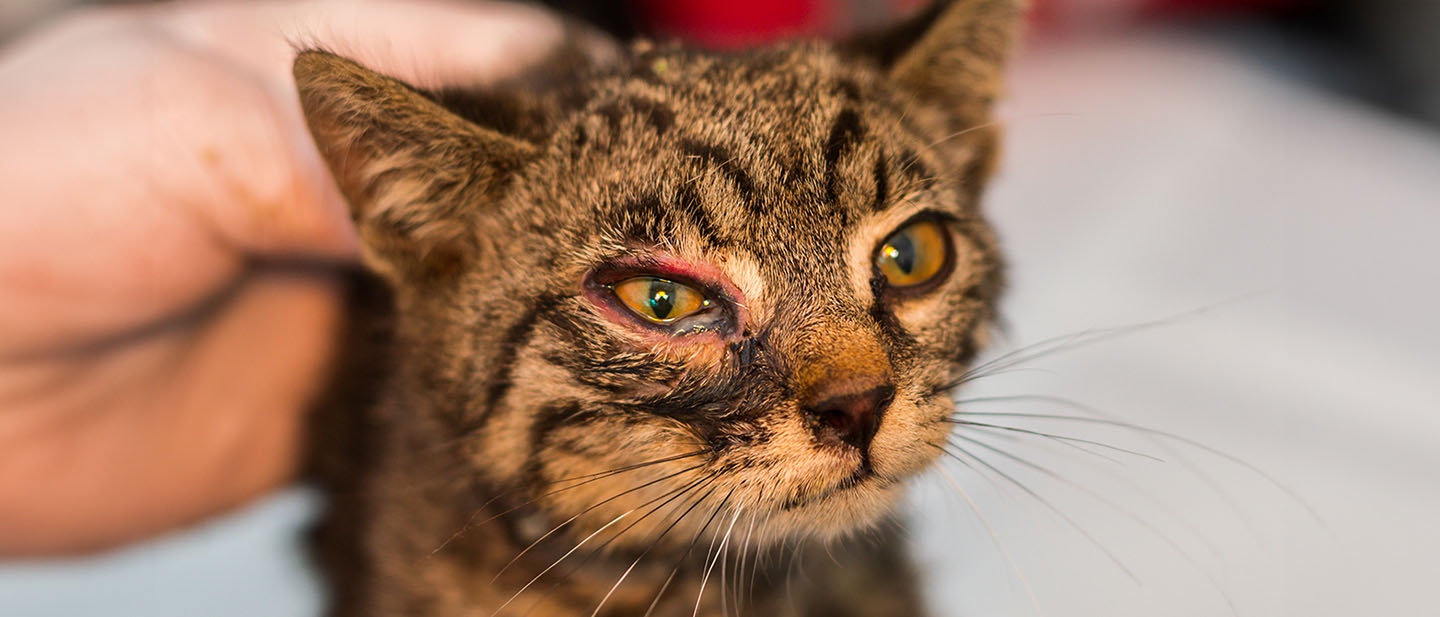
Credit: www.whiskas.com.ph
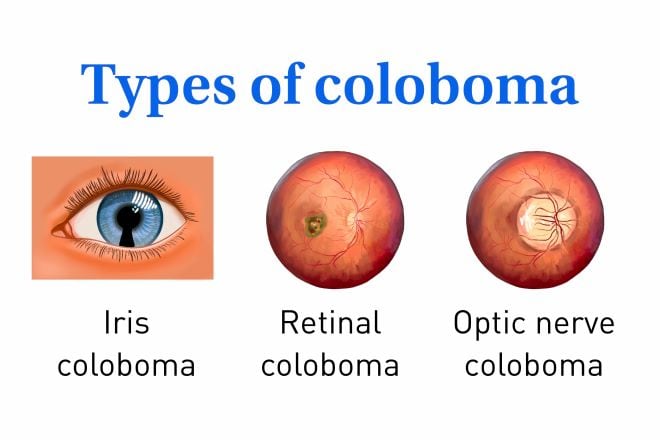
Credit: www.allaboutvision.com
Frequently Asked Questions
What Causes Cat Eye Syndrome?
Cat Eye Syndrome is caused by an extra chromosome fragment. This genetic anomaly affects chromosome 22. It occurs randomly and is not inherited in most cases.
Can Cat Eye Syndrome Be Detected Early?
Yes, prenatal genetic testing can detect Cat Eye Syndrome early. Tests like amniocentesis identify chromosomal abnormalities before birth. Early diagnosis helps in planning medical care.
Is Cat Eye Syndrome Hereditary?
Cat Eye Syndrome is rarely hereditary. Most cases result from new genetic mutations. Genetic counseling can assess the risk for future pregnancies.
Are There Ways To Prevent Cat Eye Syndrome?
Currently, there is no known way to prevent Cat Eye Syndrome. Genetic mutations causing it occur spontaneously. Regular prenatal checkups and genetic counseling are recommended.
Conclusion
Cat Eye Syndrome cannot be prevented by current medical methods. It happens due to genetic changes that are not avoidable. Early diagnosis helps families prepare and seek support. Genetic counseling can guide parents about risks and options. Staying informed is important for managing the condition well.
Research continues to explore better understanding and care. Living with Cat Eye Syndrome requires patience and care. Support from doctors and loved ones makes a big difference. Knowledge and kindness always help those affected to cope.

Lily Purrington is the founder of MyKittyPicks.com, a cozy corner of the web dedicated to helping cat lovers discover the best cat products, furniture, toys, and home decor ideas.
A lifelong cat enthusiast, Lily shares trusted tips, honest product recommendations, and stylish inspiration designed to keep kitties happy and homes beautiful.
Her mission is simple: to bring together practical advice and purr-fect picks that make life better for cats and the people who love them.


