

Does your cat’s playful bite or sudden scratch catch you off guard? You’re not alone.
Many cat owners struggle with this behavior, which can make bonding with your furry friend stressful. But what if you could teach your cat to play gently without hurting you? You’ll discover simple, effective ways to train your cat not to bite or scratch.
By understanding why cats act this way and learning the right techniques, you can create a safer, happier space for both you and your pet. Keep reading, and take the first step toward a more peaceful relationship with your cat.
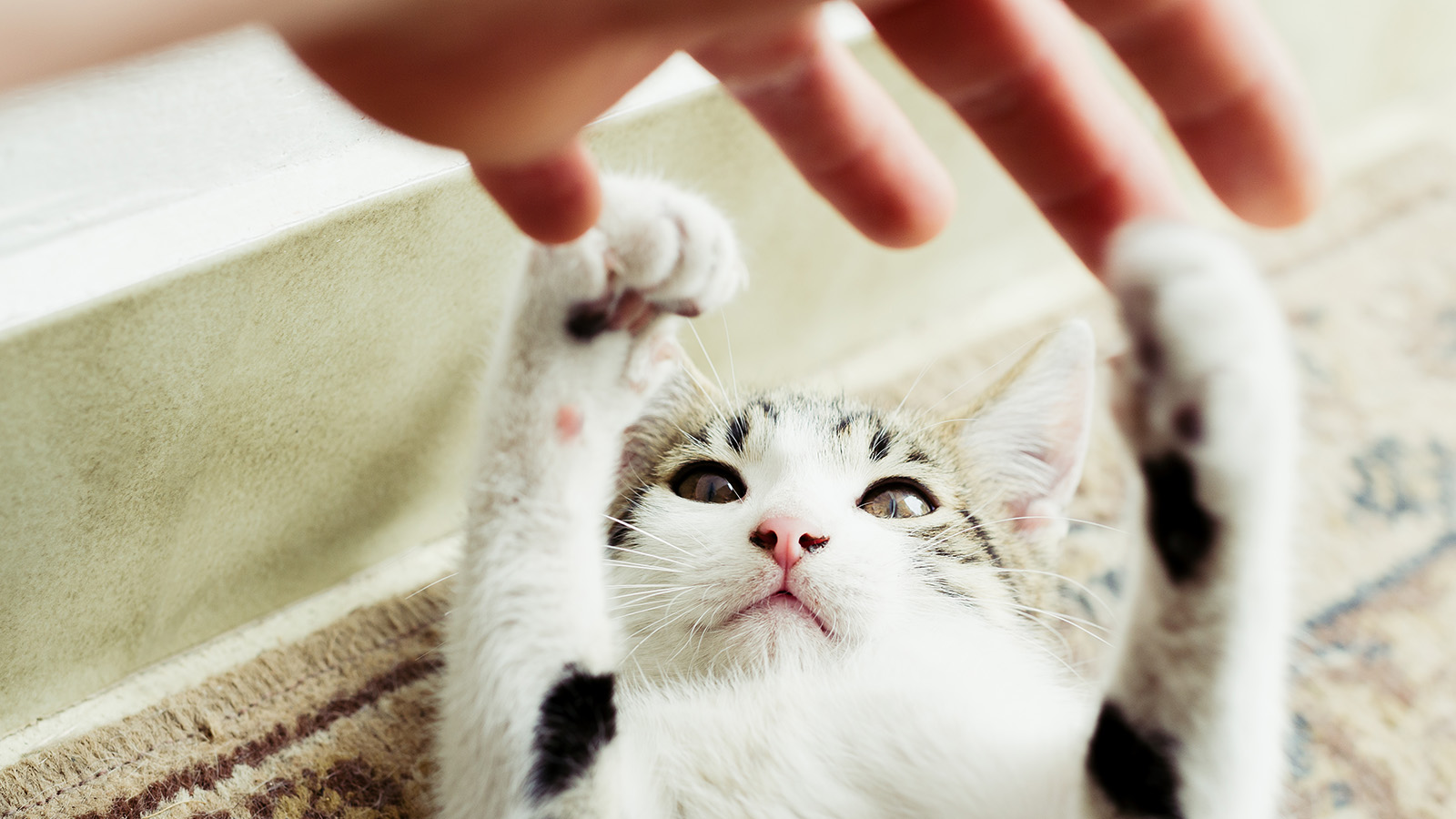
Credit: animals.howstuffworks.com
Why Cats Bite And Scratch
Cats use biting and scratching as ways to communicate and explore their world. These behaviors can seem aggressive but often serve natural purposes. Understanding why cats bite or scratch helps prevent unwanted actions. It also builds a stronger bond between you and your pet.
Natural Behaviors
Biting and scratching are normal for cats. They help cats hunt, play, and defend themselves. Kittens bite and scratch during play to learn control. Adult cats use these actions to mark territory and express feelings. These behaviors are part of their instincts.
Triggers For Aggression
Cats may bite or scratch when they feel scared or threatened. Sudden noises or unfamiliar people can cause stress. Pain or illness can also make cats aggressive. Sometimes, cats bite or scratch if they feel cornered. Recognizing these triggers helps reduce aggressive episodes.
Signs Of Overstimulation
Cats show signs before biting or scratching due to too much touch. Watch for flicking tails, flattened ears, or tense muscles. Quick head turns or sudden stops in purring are warnings. Stopping petting at these signs prevents bites or scratches. Learning these signs keeps interactions safe and happy.

Credit: www.catster.com
Setting Boundaries Early
Setting clear limits helps cats learn what behavior is acceptable. Consistently saying no to biting or scratching teaches them boundaries early. This prevents bad habits from forming and keeps playtime safe for everyone.
Setting boundaries early helps prevent biting or scratching in cats. Understanding how to guide your feline friend is essential. Establishing limits ensures a peaceful coexistence. It also strengthens the bond between you and your cat. Explore effective ways to set these boundaries below.Socializing Kittens
Socializing kittens is crucial for their development. Introduce them to different people gently. Expose them to various environments gradually. This reduces fear and aggression as they grow. A well-socialized kitten is less likely to bite or scratch. Encourage positive interactions with other pets too. This teaches them to play without aggression.Using Positive Reinforcement
Use positive reinforcement to shape good behavior. Reward your cat with treats for calm actions. Praise them when they play gently. This encourages them to repeat good behavior. Avoid punishing them for biting or scratching. Negative reactions can increase anxiety. Calmly redirect their attention instead.Avoiding Rough Play
Avoid rough play that encourages biting. Use toys instead of hands for playtime. This helps them distinguish between toys and people. Offer a variety of toys to keep them engaged. Rotate toys to maintain their interest. Teach them that hands are for petting, not biting. This prevents confusion and reduces aggressive play.Redirecting Aggressive Behavior
Redirecting your cat’s aggressive behavior is key to building a peaceful home and a happy pet. Instead of just stopping the biting or scratching, you want to guide your cat’s energy into safe, positive outlets. This approach not only protects you but also respects your cat’s natural instincts.
Providing Appropriate Toys
Giving your cat toys that mimic prey can shift their focus from your hands and feet to a safe target. Toys like feather wands, laser pointers, and small balls can satisfy their hunting drive.
Keep a variety of toys accessible and rotate them regularly to maintain your cat’s interest. Have you noticed how your cat suddenly pounces on a toy after ignoring others for weeks? That’s the power of fresh playthings.
Teaching Gentle Play
Encourage your cat to play gently by stopping the game the moment they bite or scratch. This shows them that rough behavior ends the fun immediately.
Use calm, soft tones to praise gentle touches. Over time, your cat will learn that gentle play leads to more attention and treats.
Using Deterrents Safely
Safe deterrents like bitter sprays or double-sided tape on furniture can discourage biting and scratching without harming your cat.
Always choose products designed specifically for cats and test a small area first. If your cat avoids a spot after applying a deterrent, you’ve found an effective way to redirect their behavior.
Training Techniques That Work
Training a cat not to bite or scratch needs patience and the right approach. Gentle, clear techniques help your cat learn faster. These techniques focus on positive interaction and clear communication. Avoid harsh punishments, as they can cause fear or aggression. Use reward-based methods to encourage good behavior. Here are effective training techniques that work well with most cats.
Clicker Training Basics
Clicker training uses a small device that makes a clicking sound. This sound tells your cat it did something right. Start by clicking and immediately giving a treat. Your cat learns to connect the click with a reward. Use the clicker to mark good behavior like gentle play. This technique helps cats understand what you want from them.
Consistency And Timing
Always respond to biting or scratching right away. Cats learn best when feedback is instant. Consistent reactions teach your cat what is allowed. Use the same words and tone each time. Everyone in the household should follow these rules. Mixed signals confuse cats and slow down training. Keep training sessions short but regular for best results.
Rewarding Good Behavior
Focus on praising your cat when it behaves well. Use treats, petting, or toys as rewards. Reward calm and gentle actions immediately after they happen. This encourages your cat to repeat good behavior. Avoid giving attention to bad behavior, so it is not reinforced. Positive rewards build trust and make training enjoyable for your cat.
Managing Biting And Scratching In Adults
Managing biting and scratching in adult cats can be challenging, but it’s essential to understand the reasons behind these behaviors before trying to change them. Adult cats often bite or scratch out of fear, pain, or overstimulation rather than just being aggressive. By carefully observing your cat and applying targeted strategies, you can reduce these unwanted behaviors and improve your bond.
Identifying Underlying Causes
Have you noticed if your cat bites or scratches during play, when being petted, or suddenly without warning? These clues help uncover whether your cat feels threatened, uncomfortable, or is in pain. Sometimes, health issues like arthritis or dental pain cause irritability, leading to biting or scratching.
Stress is another common trigger. Changes in the environment, new pets, or even loud noises can make your cat anxious. Watch for signs like hiding, excessive grooming, or vocalizing to identify stress-related causes.
Behavior Modification Strategies
Redirect your cat’s energy by offering plenty of toys and interactive play sessions. Use wand toys or laser pointers to keep a safe distance between your hands and your cat’s claws and teeth.
Set clear boundaries by gently withdrawing attention when your cat bites or scratches. Consistency is key—don’t reward aggressive behavior with petting or play. Instead, offer treats or affection only when your cat is calm and gentle.
Try using calming aids such as pheromone diffusers or calming collars to reduce anxiety. These tools can make your cat feel more secure and less likely to lash out.
When To Seek Professional Help
If your cat’s biting or scratching persists despite your efforts, consider consulting a veterinarian to rule out medical issues. Persistent pain or neurological problems require professional treatment.
A certified animal behaviorist can provide personalized training techniques tailored to your cat’s personality. They can help you understand complex behaviors and develop effective plans to improve your cat’s conduct.
Have you ever tried changing your approach based on your cat’s mood or health? Sometimes small adjustments can make a big difference in managing these behaviors.

Credit: www.outdoorbengal.com
Creating A Calm Environment
Creating a calm environment helps reduce a cat’s urge to bite or scratch. Cats feel safer and more relaxed in quiet, stress-free spaces. A peaceful setting encourages positive behavior and trust.
Reducing Stress Factors
Identify loud noises or sudden movements that scare your cat. Keep the home quiet during their rest times. Avoid overcrowding their space with too many people or pets. Maintain a regular routine for feeding and play. Consistency helps cats feel secure and lowers anxiety.
Safe Spaces For Cats
Provide cozy spots where your cat can hide or rest undisturbed. Use cat trees, boxes, or soft beds in quiet corners. Let your cat choose these places freely. Safe spaces give cats control and comfort, reducing defensive behaviors like biting.
Using Pheromone Products
Pheromone sprays or diffusers mimic natural cat scents. These products calm cats and ease tension. Place diffusers near resting or feeding areas. Use sprays on bedding or in carriers before travel. Pheromones create a soothing atmosphere that lowers scratching and biting.
Maintaining Long-term Success
Maintaining long-term success in training your cat not to bite or scratch takes ongoing effort and attention. It’s not just about stopping unwanted behavior once, but about creating a lasting change in how your cat interacts with you. Consistency and understanding your cat’s needs play a huge role in keeping those sharp claws and teeth in check.
Regular Playtime And Exercise
Keeping your cat active helps reduce biting and scratching caused by excess energy. Make playtime a daily habit with toys that mimic prey, like feather wands or laser pointers. This lets your cat release energy in a positive way, making them less likely to take it out on your hands.
Have you noticed your cat biting more when they’re bored? Adding 15-20 minutes of focused play can make a big difference. It’s also a chance to teach gentle play by rewarding calm behavior with treats or praise.
Monitoring Behavior Changes
Pay close attention if your cat’s biting or scratching suddenly increases. Changes in behavior might signal stress, illness, or discomfort. If you spot new patterns, it’s worth checking with a vet or considering what might have changed in their environment.
Keep a simple journal of when and where biting happens. This can help you identify triggers you might miss otherwise. For example, your cat might bite more after loud noises or during certain types of petting.
Building A Strong Bond
Your relationship with your cat is the foundation for all training success. Spend quality quiet time together, offering gentle petting and speaking softly. This builds trust and reduces anxiety, which often leads to fewer biting incidents.
Remember, your cat is more likely to listen when they feel safe and loved. Try to recognize their limits—if they seem overstimulated, it’s okay to step back. Isn’t it amazing how understanding these little signals can change your daily interactions?
Frequently Asked Questions
How Can I Stop My Cat From Biting?
Redirect your cat’s biting by using toys for play. Avoid using hands as toys. Reward gentle behavior with treats and praise. Consistency helps your cat learn boundaries effectively.
Why Does My Cat Scratch Furniture?
Cats scratch to mark territory and sharpen claws. Provide scratching posts to satisfy this instinct. Use deterrents like double-sided tape on furniture. Regular nail trimming also reduces damage.
When Should I Seek Professional Help For Cat Aggression?
Seek help if biting or scratching causes injury. Persistent aggression despite training needs expert advice. A vet or animal behaviorist can identify underlying issues and suggest solutions.
What Are Effective Ways To Train A Cat Not To Scratch?
Use positive reinforcement to reward good behavior. Offer scratching posts and discourage furniture scratching. Use gentle deterrents and avoid punishment. Patience and consistency are key to success.
Conclusion
Training a cat not to bite or scratch takes time and patience. Stay calm and consistent with your approach. Reward good behavior to encourage your cat. Avoid harsh punishments as they cause fear. Use toys to redirect energy and play.
Watch your cat’s body language to prevent bites. Keep training sessions short and positive. Over time, your cat will learn gentle ways to interact. Enjoy a happier, safer relationship with your furry friend.

Lily Purrington is the founder of MyKittyPicks.com, a cozy corner of the web dedicated to helping cat lovers discover the best cat products, furniture, toys, and home decor ideas.
A lifelong cat enthusiast, Lily shares trusted tips, honest product recommendations, and stylish inspiration designed to keep kitties happy and homes beautiful.
Her mission is simple: to bring together practical advice and purr-fect picks that make life better for cats and the people who love them.


