
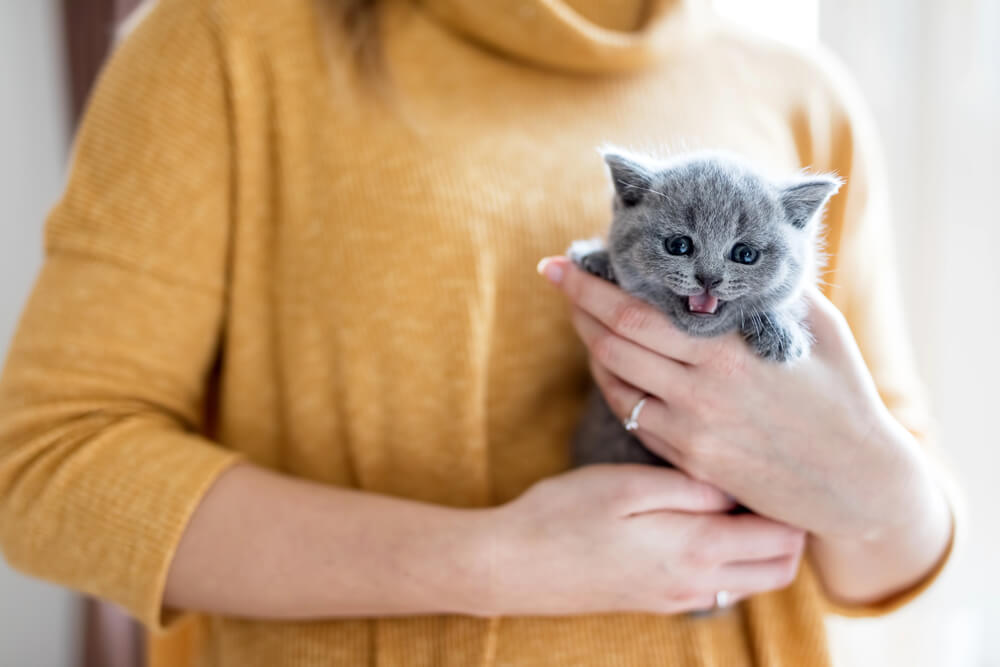
Are you thinking about adding a new kitten to your family? If you already have a cat at home, you might wonder how your feline friend will react to the new addition.
Understanding your cat’s behavior and knowing the signs of acceptance can make the transition smoother for everyone. We’ll explore how to tell if your cat will accept a kitten, providing you with valuable insights and tips. Whether you’re dealing with a shy cat or a playful one, we’ve got you covered.
Keep reading to discover the secrets to creating a harmonious home for your furry companions.
Signs Your Cat May Accept A Kitten
Introducing a new kitten to your home can be exciting but also nerve-wracking. Understanding if your cat will accept a kitten helps you prepare better and avoid stress for both pets. Certain signs in your cat’s behavior can give you a clear indication of how well they might adapt to a new furry friend.
Observing Social Behavior
Watch how your cat interacts with other animals or people. Does your cat seek out companionship or prefer to be alone? A cat that enjoys social contact, such as grooming or playing with other cats, is more likely to welcome a kitten.
Notice if your cat approaches other pets calmly or with curiosity rather than hostility. If your cat often shares spaces or toys without aggression, this is a positive sign. You might have seen your cat gently sniff or nudge another animal, showing openness to new relationships.
Assessing Temperament
Every cat has a unique personality. Some are patient and tolerant, while others are more territorial and defensive. If your cat displays a calm and relaxed demeanor, it suggests a higher chance of accepting a kitten.
Consider how your cat responds to changes in the environment. Does it adapt quickly or become anxious? Cats that handle change well tend to adjust faster to a new kitten. Watch for signs like relaxed body language and steady eye contact as you introduce new stimuli.
Noticing Curiosity Levels
Curiosity is a big clue to your cat’s openness. Does your cat show interest in new objects or beings entering its space? Cats that investigate new things with gentle sniffing or playful gestures often accept kittens more easily.
If your cat approaches the kitten with cautious curiosity instead of immediate hissing or swatting, it’s a good indicator. You might even catch your cat inviting the kitten to play or exploring together. How does your cat react when you bring home something unfamiliar? That reaction can guide your expectations.

Credit: www.reddit.com
Preparing Your Cat For The New Arrival
Preparing your cat for the arrival of a new kitten takes time and patience. It’s not just about introducing two animals; it’s about helping your cat feel safe and comfortable with the upcoming change. This preparation can reduce stress and increase the chances that your cat will accept the new member of the family.
Introducing Scents Gradually
Start by swapping bedding or toys between your cat and the kitten to mix their scents. This allows your cat to get used to the new smell without direct contact. You might notice your cat sniffing or rubbing against these items, which shows they are beginning to accept the presence of another feline.
Have you ever seen your cat react strongly to a new smell? Pay attention to those signals. If your cat seems anxious or aggressive, slow down the scent introduction and give more time to adjust.
Setting Up Separate Spaces
Create a safe and quiet area for your kitten, away from your cat’s main territory. This helps both animals feel secure and prevents early confrontations. Your cat will appreciate having a place that remains just theirs.
Gradually allow supervised visits after a few days or weeks, depending on your cat’s behavior. Watch for signs of curiosity or stress, and be ready to separate them if needed. This step-by-step approach helps build trust and reduces territorial disputes.
Providing Familiar Toys And Items
Keep your cat’s favorite toys, blankets, and beds accessible during this transition. Familiar items offer comfort and reassurance amid the changes in their environment. You can even use these items to engage your cat in play, keeping their routine enjoyable and stable.
Have you noticed how your cat clings to certain objects? These can be powerful tools to ease anxiety. By maintaining familiar surroundings, you give your cat a sense of control and stability, increasing the chances of a peaceful introduction.
First Meeting Strategies
Introducing a new kitten to your cat can be a delicate process. The first meeting sets the tone for their future relationship. You want to make sure both feel safe and comfortable to increase the chances of acceptance.
Choosing The Right Environment
Pick a neutral, quiet space where neither cat feels territorial. A room with plenty of hiding spots and escape routes works best. Avoid areas where your current cat spends most of their time to prevent territorial behavior.
Think about the room’s size—too small can feel cramped and stressful. Too large might be overwhelming for a first encounter. A medium-sized room with familiar scents is ideal.
Keeping Initial Interactions Short
Start with brief meetings of just a few minutes. This prevents overwhelming either cat and helps you gauge their reactions. Gradually increase the time as they become more comfortable around each other.
End the session on a positive note, even if it means separating them quickly. You want your cat to associate the new kitten with calm and safety, not stress. Have treats or toys ready to reward good behavior.
Monitoring Body Language
Watch closely for signs of stress or aggression. Look for flattened ears, hissing, or a puffed-up tail as red flags. However, curiosity and slow blinking can indicate a willingness to engage.
Ask yourself: Is your cat relaxed or tense? Are they avoiding or approaching the kitten? Your observations will guide when to try another meeting or when to give more time apart.

Credit: www.reddit.com
Managing Potential Conflicts
Introducing a kitten to your resident cat can stir up tension. Managing potential conflicts early helps both cats adjust smoothly. Understanding how to spot and handle issues makes a big difference in their relationship.
Recognizing Aggressive Behavior
Watch your cat closely for signs of aggression like hissing, growling, or swatting. These behaviors show your cat feels threatened or stressed. Sometimes, even staring or stiff body posture signals discomfort.
Don’t ignore subtle cues—your cat might freeze or avoid the kitten altogether. Recognizing these early signs lets you step in before things escalate. Have you noticed your cat’s tail flicking sharply? That’s often a warning sign.
Intervening Safely
If a conflict starts, separate the cats calmly without using your hands. Try distracting them with toys or treats to redirect their focus. Avoid yelling or sudden movements that could increase their stress.
Use a soft blanket or a barrier to gently separate them if needed. Safety matters most—for you and your cats. Remember, quick and calm intervention helps prevent injuries and builds trust.
Using Positive Reinforcement
Reward your cat for calm behavior around the kitten with treats or gentle petting. Positive reinforcement encourages good interactions and lowers tension. Praise your cat when they sniff or sit near the kitten without hostility.
Try short, supervised sessions together and gradually increase the time. Patience is key—your cat learns that the kitten isn’t a threat. What reward does your cat respond to best? Use that to strengthen their bond.
Long-term Integration Tips
Introducing a kitten to your adult cat is just the beginning. Long-term success depends on how they live together daily. Patience and care can help both cats feel safe and happy. The goal is to build a peaceful home for both pets. Here are key tips for keeping harmony over time.
Encouraging Shared Playtime
Playtime helps cats bond and reduce stress. Use toys both cats enjoy, like feather wands or balls. Let them chase and pounce together in short sessions. Watch their body language for signs of enjoyment or discomfort. Praise calm and gentle interactions with treats or petting. Shared play creates positive memories and trust.
Maintaining Individual Attention
Each cat needs personal attention to feel secure. Spend quiet time with your older cat alone. Give the kitten special moments too, away from the adult cat. Separate feeding areas avoid food fights and stress. Respect their space and rest times. Balanced attention prevents jealousy and helps both cats feel loved.
Adjusting As They Grow Together
Cats change as they age and get used to each other. Observe their relationship and adjust routines as needed. Increase or decrease play based on their energy levels. Create new hiding spots or resting areas if one cat needs space. Stay flexible and patient during growth and changes. This helps maintain peace and happiness for years.

Credit: www.reddit.com
When To Seek Professional Advice
Introducing a new kitten to your home can be exciting, but it doesn’t always go smoothly. Sometimes, despite your best efforts, your cat may struggle to accept the newcomer. Knowing when to ask for professional help can save you both stress and heartache.
Identifying Persistent Issues
Watch closely for signs that tension isn’t easing. If your cat continues to hiss, swat, or hide for days or weeks after the kitten arrives, it’s a red flag. Persistent aggression or anxiety can affect their health and well-being.
Have you noticed your cat losing appetite or grooming less? These changes might mean the situation is too stressful for them to handle alone. Don’t ignore ongoing problems—early intervention often leads to better outcomes.
Finding A Cat Behaviorist
A cat behaviorist can offer tailored advice and techniques to ease the introduction. They understand feline body language and can spot subtle signs you might miss. Their guidance often includes step-by-step plans to help your cat adjust at their own pace.
Look for certified professionals with good reviews and experience dealing with multi-cat households. Some behaviorists even offer virtual consultations, making it easier to get help without leaving your home. Would you be open to trying expert advice that could transform your cats’ relationship?
Considering Alternative Solutions
If professional help isn’t immediately available, consider temporary changes to your home setup. Creating separate safe zones with their own food, litter boxes, and resting spots can reduce conflict. Sometimes, giving your cat more alone time helps them feel secure.
In some cases, delaying the kitten’s access to common areas or increasing interactive playtime with your resident cat can improve their mood. Remember, every cat is unique—what works for one might not work for another. Are you prepared to adjust your approach based on what your cat needs?
Frequently Asked Questions
How Can I Tell If My Cat Will Accept A Kitten?
Observe your cat’s behavior around other cats. Signs of curiosity and calmness suggest they may accept a kitten. Aggression or hiding may indicate resistance. Gradual introductions help assess acceptance over time.
What Signs Show A Cat Dislikes A New Kitten?
Hissing, growling, swatting, or avoiding the kitten are clear signs. Your cat may also eat less or hide more. These behaviors indicate stress and discomfort with the new kitten’s presence.
How Long Does It Take For Cats To Accept Kittens?
Acceptance varies but often takes days to weeks. Gradual introductions and positive experiences speed up bonding. Patience and supervision are key to a smooth transition.
Can Personality Affect A Cat’s Acceptance Of Kittens?
Yes, friendly and social cats usually accept kittens faster. Territorial or shy cats may resist new additions. Understanding your cat’s temperament helps predict their reaction to a kitten.
Conclusion
Watching your cat’s behavior helps predict kitten acceptance. Notice their body language and reactions carefully. Give your cat time to adjust at their own pace. Introduce kittens slowly and in a calm setting. Patience and gentle steps make all the difference.
Every cat is unique, so stay flexible and kind. This approach builds trust and friendship between pets. Your efforts help create a happy home for both. Keep observing and supporting your cat’s comfort. A peaceful introduction leads to lasting companionship.

Lily Purrington is the founder of MyKittyPicks.com, a cozy corner of the web dedicated to helping cat lovers discover the best cat products, furniture, toys, and home decor ideas.
A lifelong cat enthusiast, Lily shares trusted tips, honest product recommendations, and stylish inspiration designed to keep kitties happy and homes beautiful.
Her mission is simple: to bring together practical advice and purr-fect picks that make life better for cats and the people who love them.


