
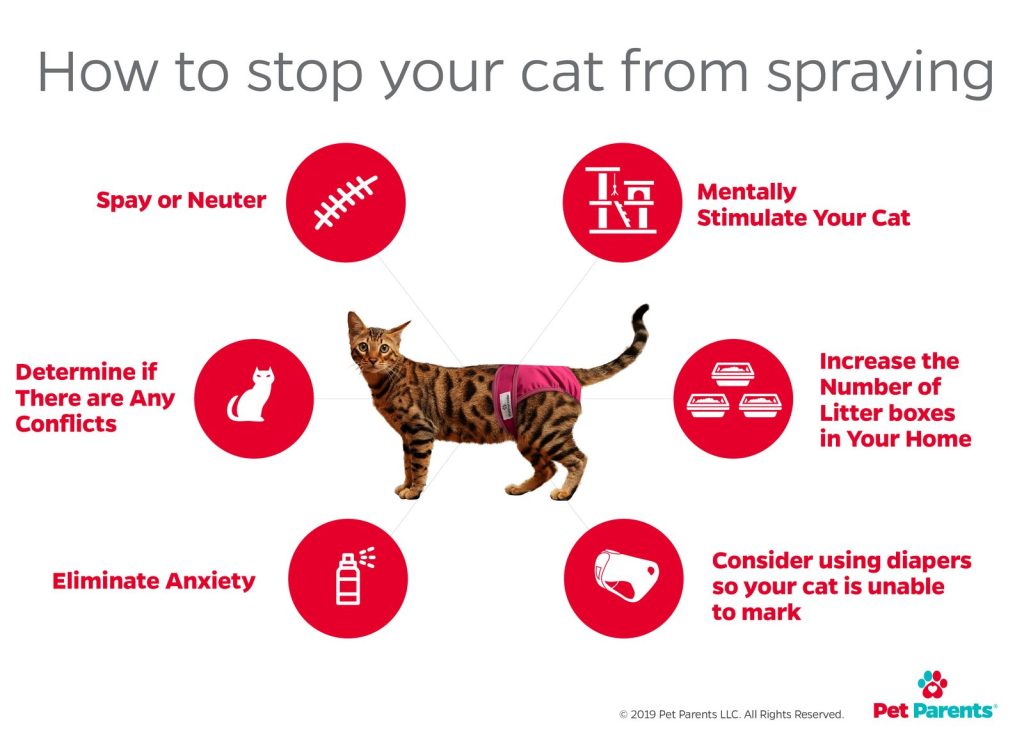
Is your cat spraying around the house and leaving unwanted marks? You’re not alone, and it can be really frustrating.
But don’t worry—there are simple steps you can take right now to stop this behavior. Understanding why your cat sprays and how to manage it can save your furniture, your sanity, and your bond with your furry friend. Keep reading to discover practical tips that will help you prevent your cat from spraying for good.

Credit: us.feliway.com
Reasons Cats Spray
Cats spray to mark their area and communicate with other cats. This behavior can be confusing and frustrating for cat owners.
Understanding why cats spray helps you stop it. There are several common reasons behind this behavior.
Territorial Marking
Cats spray to mark their territory. It is a way to show other cats that this place belongs to them.
Both male and female cats use spraying to protect their space, especially if they feel threatened.
- New cats in the house can trigger spraying
- Outdoor cats spray to warn others
- Changes in home layout may cause marking
Stress And Anxiety
Cats spray when they feel scared or stressed. Loud noises or new people can upset them.
Stress makes cats unsure about their environment. Spraying helps them feel safer.
- Moving to a new home can cause spraying
- Changes in routine upset many cats
- Other pets may increase anxiety
Medical Issues
Sometimes cats spray because of health problems. Pain or infections can cause this behavior.
Urinary tract infections and bladder problems often lead to spraying. A vet check is important.
- Urinary tract infections cause frequent urination
- Bladder stones can cause pain and spraying
- Other illnesses may change behavior
Identifying Spraying Behavior
Cats spray to mark their territory. This behavior can be confusing for owners.
Knowing how to spot spraying helps stop it early. It is different from normal urination.
Difference Between Spraying And Urination
Spraying means a cat releases a small amount of urine on vertical surfaces. It is done to mark spots.
Urination is when a cat pees on horizontal surfaces. It usually means the cat needs to go to the bathroom.
- Spraying leaves a small spray on walls or furniture
- Urination leaves a larger puddle on the floor
- Spraying often happens outside the litter box
- Urination usually happens inside the litter box
- Spraying is common in unneutered cats
- Urination is part of normal bathroom behavior
Common Triggers
Several things can cause cats to spray. Stress and changes in their area are common triggers.
Other triggers include new pets, loud noises, or dirty litter boxes. Recognizing these helps prevent spraying.
- New animals or people in the home
- Loud sounds or sudden changes
- Dirty or unavailable litter boxes
- Territory conflicts with outdoor cats
- Medical issues like urinary infections
Immediate Steps To Stop Spraying
Cat spraying can be frustrating for pet owners. It is important to act fast to stop your cat from spraying inside the house.
Taking quick actions can help reduce this behavior and make your home smell fresh again.
Clean Soiled Areas Thoroughly
Cleaning spots where your cat sprayed is very important. If the smell stays, your cat may spray there again.
Use an enzyme cleaner made for pet urine. This breaks down the smell and stops cats from marking the same place.
- Blot the area with paper towels first
- Apply enzyme cleaner generously
- Let it sit as the instructions say
- Rinse and dry the area well
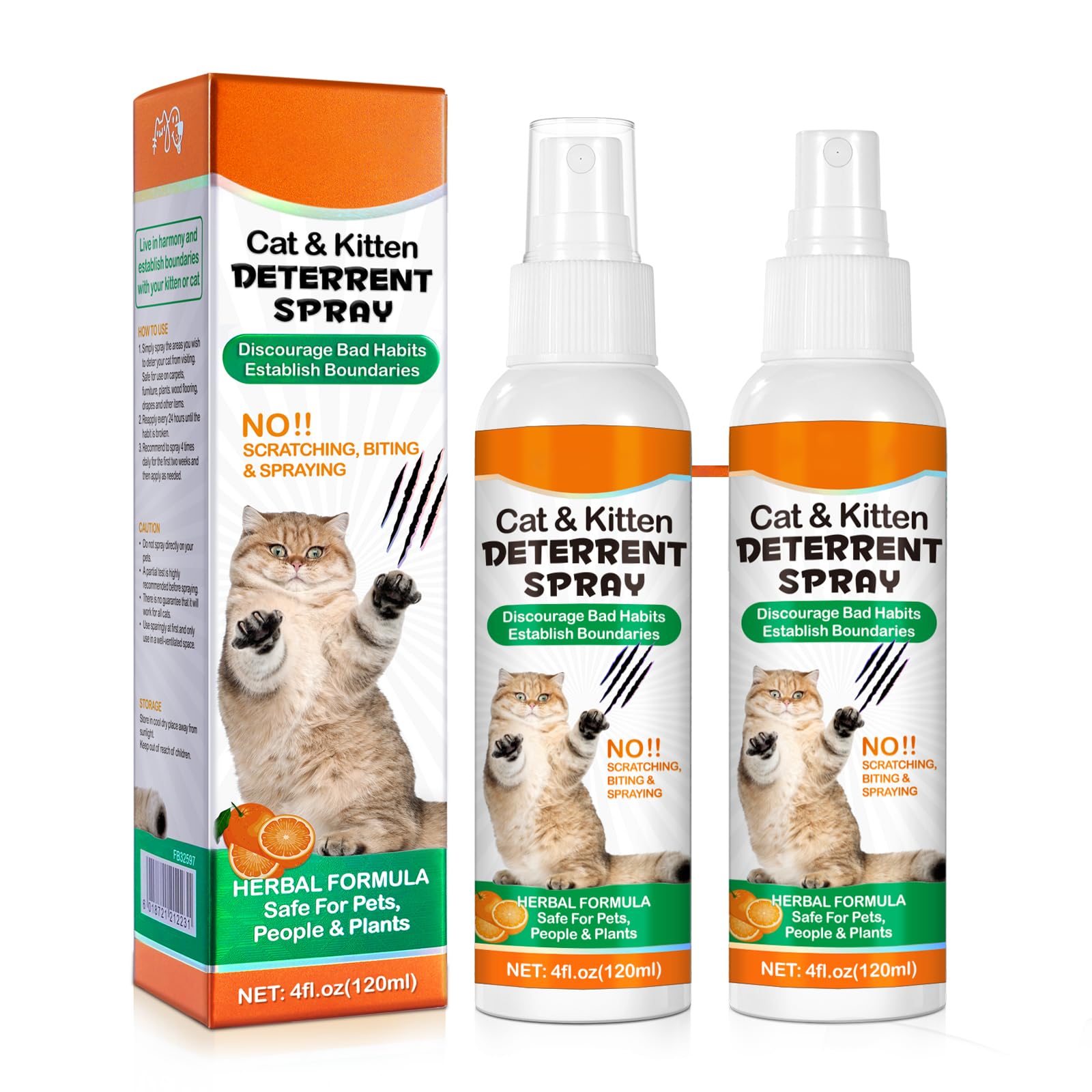
Use Deterrent Sprays
Deterrent sprays can stop cats from spraying again. These sprays have smells cats do not like.
Spray the deterrent on areas your cat marked. This helps keep them away from those spots.
- Choose a safe, pet-friendly spray
- Apply regularly to keep the smell strong
- Test spray on a small area first
- Use with cleaning to be more effective
Limit Access To Marked Spots
Keep your cat away from places it likes to spray. Blocking these areas can stop the behavior fast.
Use barriers or close doors to prevent your cat from reaching marked spots. This reduces the chance of new sprays.
- Close doors to rooms with spraying problems
- Use baby gates or pet barriers
- Remove or cover objects your cat marks
- Provide a clean litter box nearby
Credit: www.amazon.ca
Long-term Prevention Strategies
Stopping a cat from spraying takes patience and the right approach. Long-term strategies help keep your home clean and your cat happy. These methods work best when combined for lasting results.
Here are three key areas to focus on: spaying or neutering, creating a calm environment, and providing enough litter boxes. Each plays an important role in preventing spraying behavior.
Spaying Or Neutering
Spaying or neutering your cat reduces hormone-driven behaviors like spraying. It lowers the chance your cat will mark territory indoors. Cats fixed before six months old have the best chance to avoid spraying.
Creating A Calm Environment
Stress causes many cats to spray. A calm home helps reduce stress and stops spraying. Use safe hiding spots, quiet rooms, and gentle playtime to keep your cat relaxed.
- Keep a regular routine for feeding and play
- Limit loud noises and sudden changes
- Use calming products like pheromone diffusers
- Give your cat plenty of attention and affection
Providing Adequate Litter Boxes
Not having enough litter boxes can cause spraying. Cats like clean and private places to go. Make sure you have enough boxes and keep them clean.
| Number of Cats | Recommended Number of Litter Boxes |
| 1 | 2 |
| 2 | 3 |
| 3 or more | Number of Cats + 1 |
Behavioral Training Tips
Cat spraying can be stressful for both you and your pet. Training your cat helps reduce this behavior. Use gentle and consistent methods to guide your cat.
Understanding your cat’s needs and responses improves training success. Focus on positive behavior and calm redirection.
Positive Reinforcement
Reward your cat for good behavior to encourage it. Use treats, petting, or praise immediately after your cat acts well.
This helps your cat link good actions with positive results. Avoid punishment because it can increase stress and spraying.
- Give treats when your cat uses the litter box
- Offer gentle petting after good behavior
- Use a calm voice to praise your cat
Redirecting Attention
Distract your cat from spraying by offering toys or playtime. This helps change their focus to something positive.
When you see signs of spraying, gently move your cat to an approved area. Keep your cat busy with interactive activities.
- Use feather toys or laser pointers
- Create play sessions after spraying signs
- Place new toys in areas where spraying occurred
Using Feliway Diffusers
Feliway diffusers release calming scents that reduce stress in cats. Place them in rooms where your cat sprays most.
This product mimics natural cat pheromones. It helps your cat feel safe and less likely to spray.
- Plug diffuser into an outlet near spraying spots
- Use continuously for best results
- Combine with training for stronger effect
Credit: www.amazon.ca
When To Consult A Veterinarian
Cats may spray for various reasons. It’s crucial to know when a vet’s help is needed. This guide will help you identify signs.
If your cat is spraying, it might signal health issues. Consulting a vet can prevent complications.
Signs Of Urinary Tract Problems
Urinary problems can cause discomfort for cats. It’s vital to watch for specific signs that indicate an issue.
- Frequent attempts to urinate
- Blood in urine
- Crying while urinating
- Urinating outside the litter box
Persistent Spraying Despite Efforts
If your cat continues to spray, despite your efforts, it may be a sign of stress or another issue.
Frequently Asked Questions
Why Does My Cat Spray Indoors?
Cats spray to mark territory, especially when stressed or feeling threatened. Neutering reduces this behavior significantly. Environmental changes often trigger spraying.
How Can I Stop My Cat From Spraying?
Clean sprayed areas thoroughly with enzymatic cleaners. Provide stress relief, neuter your cat, and ensure a clean litter box. Use deterrents or pheromone diffusers.
Is Spraying Different From Regular Urination?
Yes, spraying is a small amount of urine on vertical surfaces for marking. Regular urination is larger and on horizontal surfaces like litter boxes.
Can Stress Cause Cats To Spray?
Absolutely. Stressful situations like new pets, moves, or loud noises can trigger spraying. Reducing stress helps prevent this behavior effectively.
Conclusion
Preventing a cat from spraying takes patience and care. Keep your cat calm and stress-free. Clean any sprayed areas quickly and thoroughly. Use a litter box that is clean and easy to access. Provide enough toys and attention to keep your cat happy.
Watch for signs of health issues and visit the vet if needed. Remember, small changes can make a big difference. Your cat will feel safer, and your home will stay fresh. Consistency matters in stopping spraying habits for good.

Lily Purrington is the founder of MyKittyPicks.com, a cozy corner of the web dedicated to helping cat lovers discover the best cat products, furniture, toys, and home decor ideas.
A lifelong cat enthusiast, Lily shares trusted tips, honest product recommendations, and stylish inspiration designed to keep kitties happy and homes beautiful.
Her mission is simple: to bring together practical advice and purr-fect picks that make life better for cats and the people who love them.


