
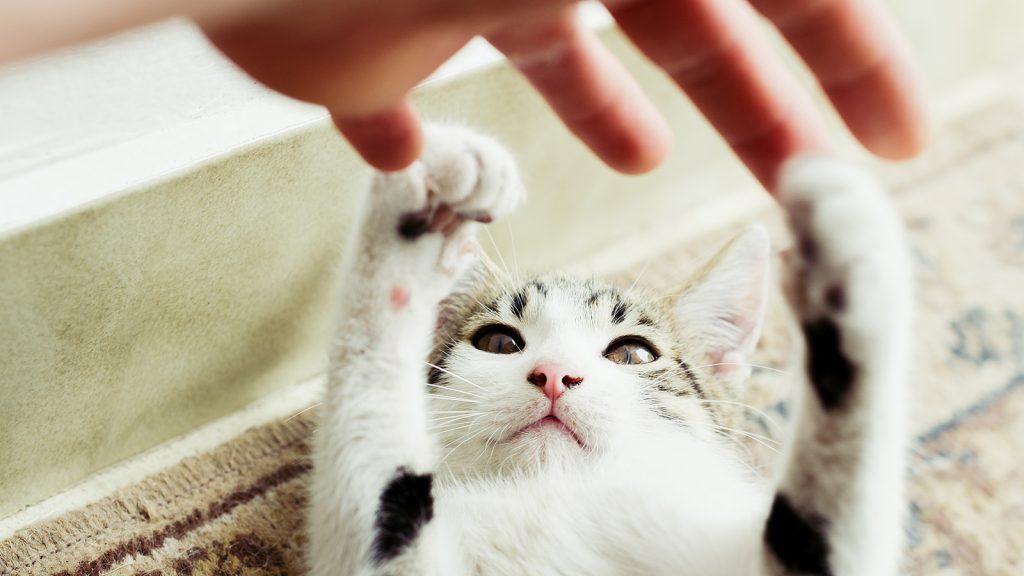
Is your cat suddenly acting out with biting, scratching, or hissing? Aggressive behavior in cats can be frustrating and even scary for you and your furry friend.
But you don’t have to accept this as just “how your cat is. ” There are clear steps you can take to understand why your cat is acting this way and how to calm their aggression. Keep reading, because by the end of this article, you’ll have simple, effective tools to bring peace back to your home and strengthen the bond with your cat.
Causes Of Aggression In Cats
Aggressive behavior in cats can catch you off guard and create tension at home. Understanding what drives your cat’s aggression helps you address the root cause rather than just the symptoms. Let’s look at common triggers behind this challenging behavior so you can take informed steps to calm your feline friend.
Medical Issues
Sometimes aggression signals pain or illness. Cats hide discomfort well, but sudden aggression could mean an injury, dental problems, or arthritis.
If your cat’s mood shifts abruptly, a vet checkup is essential. Treating health problems often reduces aggressive outbursts significantly.
Environmental Triggers
Changes around your cat can spark aggression. New furniture, loud noises, or unfamiliar visitors may stress your cat out.
Even small disruptions like a new pet or rearranged rooms can be unsettling. Pay attention to when aggression happens to identify specific triggers.
Social Factors
How your cat interacts with people and other pets affects behavior. Lack of socialization or territorial disputes with other cats often lead to fights.
Cats that feel threatened by another animal in the house may lash out. Observing these social dynamics helps you create a peaceful environment.
Fear And Anxiety
Fear is a powerful driver of aggression. If your cat feels cornered or unsafe, it may attack to defend itself.
Stressful situations like vet visits or car rides can cause anxiety-based aggression. Recognizing signs of fear early lets you intervene before aggression escalates.

Credit: animals.howstuffworks.com
Recognizing Aggressive Behavior
Aggressive behavior in cats can be confusing and worrying. Recognizing signs early helps prevent injuries and stress for both you and your cat. Cats use body language and actions to show their feelings. Learning these signs allows you to respond calmly and safely.
Body Language Signs
Watch your cat’s body closely. Key signs include:
- Raised fur on the back or tail
- Ears flattened or turned sideways
- Hissing, growling, or spitting sounds
- Wide eyes with pupils dilated
- Stiff posture or crouching low
- Swatting with claws out
These signals show fear, anger, or stress. Respect your cat’s space when you see these signs.
Types Of Aggression
Cats show aggression in different ways:
- Fear Aggression:Defensive, when the cat feels threatened.
- Territorial Aggression:Protecting their space from intruders.
- Redirected Aggression:Anger shown toward someone else.
- Petting-Induced Aggression:Sudden irritation during petting.
- Play Aggression:Rough play that can hurt.
Identifying the type helps in choosing the right approach to stop aggression.
When To Seek Help
Persistent aggression needs expert advice. Contact a vet or animal behaviorist if:
- Your cat attacks often without clear cause
- Injuries happen to people or other pets
- Aggression affects your cat’s daily life or health
- Behavior changes suddenly and severely
Professionals offer guidance and treatment options for safe, lasting results.
Immediate Steps To Calm Aggression
Calm your cat by speaking softly and moving slowly to avoid startling it. Offer a safe space where your cat can retreat and feel secure. Use gentle petting only if the cat allows, helping reduce tension quickly.
Dealing with a cat’s sudden aggression can be both surprising and stressful. Whether it’s a hiss, a swat, or a full-on attack, knowing how to calm your feline friend quickly is crucial. Immediate steps can help diffuse tension and prevent future incidents. Let’s dive into some practical ways to address aggressive behavior in cats.Safe Handling Techniques
Approach your cat slowly to avoid startling them. Use a soft voice and let them come to you when they’re ready. If you need to pick them up, support their body fully and avoid restraining them too tightly. Consider using a towel to gently wrap them if they become very aggressive. This can help prevent scratches and bites. Always ensure your safety first.Creating A Calm Environment
Reduce loud noises and sudden movements in your home. Cats are sensitive to their surroundings, and a peaceful environment can help ease their stress. You can also use calming sprays or diffusers designed for cats. These products release pheromones that mimic the ones cats naturally produce to feel secure.Using Distraction Methods
Distracting your cat can quickly shift their focus from aggression to play. Offer them a favorite toy or a treat to redirect their attention. Interactive toys can be particularly effective. They engage your cat’s hunting instincts and provide a healthy outlet for their energy. Have you ever noticed how your mood affects your cat? Your calm demeanor can also help soothe them. Take a deep breath, and remember, patience is key.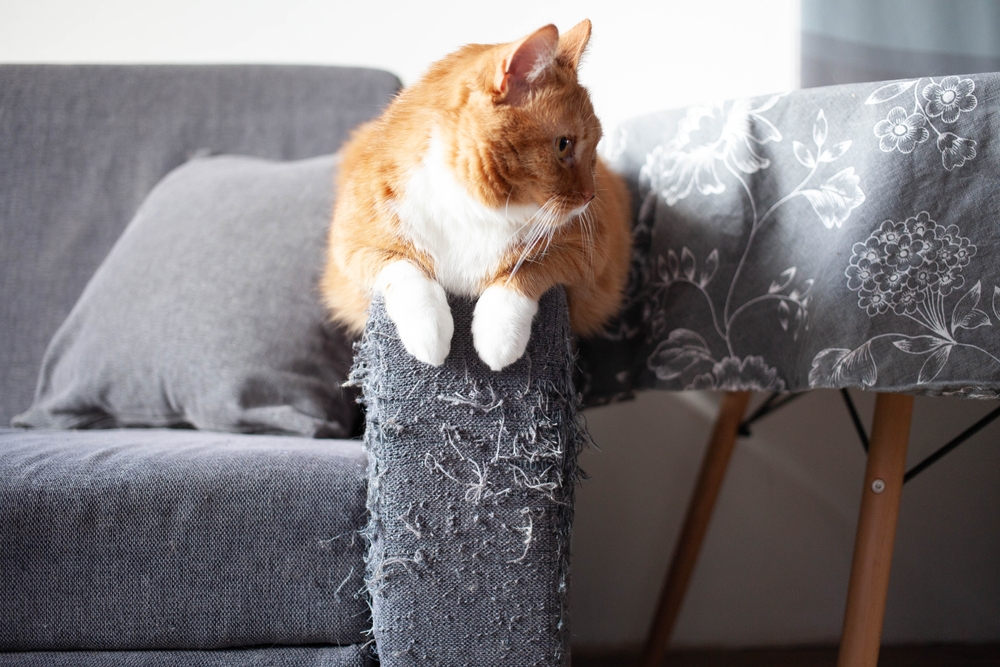
Credit: justcatsclinic.com
Long-term Behavior Modification
Long-term behavior modification helps reduce aggressive acts in cats. It shapes your cat’s reactions slowly and safely. This approach builds trust and improves your cat’s mood over time.
Positive Reinforcement
Reward your cat for calm and gentle actions. Use treats, petting, or soft praise. This encourages good behavior to happen more often. Avoid punishment, as it may cause fear or more aggression.
Desensitization And Counter-conditioning
Expose your cat to triggers in small, controlled steps. Start with very low levels that do not cause aggression. Pair these moments with treats or play to create positive feelings. Gradually increase exposure as your cat stays calm.
Establishing Routine
Cats feel safer with a clear daily schedule. Feed, play, and rest at regular times. A steady routine reduces stress and aggressive outbursts. Predictable days help your cat relax and trust you more.
Environmental Adjustments
Changing your cat’s environment can reduce aggressive behavior. Cats feel safer and calmer in spaces that suit their nature. Small shifts in their surroundings help them relax. This ease lowers chances of sudden attacks or fights.
Providing Enrichment
Cats need activities to stay happy and busy. Toys, scratching posts, and climbing trees keep them active. Playtime breaks their boredom and releases energy. Mental challenges, like puzzle feeders, also stimulate their mind. A cat with enough fun and mental work shows less aggression.
Safe Spaces And Hiding Spots
Cats want quiet places to hide and rest. Create cozy spots with blankets or boxes. High shelves or cat trees offer safe retreats. These areas help cats escape stress or threats. Feeling secure reduces anxiety and aggressive actions.
Limiting Stressors
Loud noises, strangers, and other pets can upset cats. Try to keep their environment calm and quiet. Avoid sudden changes in routine or furniture. A stable, peaceful space makes cats feel confident. Less stress means fewer chances of aggressive behavior.
When To Consult A Veterinarian Or Behaviorist
Recognizing when aggressive behavior in your cat requires professional help is crucial. Sometimes, aggression signals underlying health issues or deep-rooted behavioral problems. Knowing when to reach out to a veterinarian or a behaviorist can save your cat from unnecessary stress and improve your home environment.
Medical Treatments
Persistent aggression might be linked to pain or illness. Conditions like arthritis, dental problems, or neurological disorders can make your cat irritable.
A thorough veterinary checkup can identify these issues. Treating the root medical cause often reduces aggressive behavior significantly.
Professional Training Options
Behaviorists specialize in understanding and modifying your cat’s aggressive actions. They tailor training programs that fit your cat’s specific triggers and personality.
These experts can teach you techniques to redirect aggression, improve socialization, and build trust. Have you noticed certain situations where your cat’s aggression spikes? A behaviorist can help you address those moments effectively.
Medication And Supplements
In some cases, calming medications or supplements might be necessary. Vets may prescribe anti-anxiety drugs or natural supplements to ease stress and aggression.
These options should always be used under professional guidance to avoid side effects or dependency. Have you tried environmental changes but still see no improvement? Medication might provide the support your cat needs.
Preventing Future Aggression
Preventing future aggression in cats is all about creating a safe, understanding environment where your feline feels secure and knows what to expect. Aggression often stems from fear, confusion, or frustration, so addressing these root causes early can save you from many challenges later. How can you set your cat up for a calm and happy life? Let’s look into some practical steps you can take today.
Early Socialization
Introducing your cat to different people, pets, and environments from a young age helps build their confidence. Kittens exposed to various sights and sounds are less likely to react aggressively to new experiences. Have you ever noticed how a calm kitten usually grows into a more relaxed adult cat? That’s the power of early socialization.
Make sure these introductions are positive and gentle. Use treats and praise to create good associations. Avoid overwhelming your cat; short, frequent sessions work best.
Consistent Training
Training isn’t just for dogs—cats respond well to clear, consistent rules too. Use the same commands and signals every time to avoid confusing your cat. For example, if you don’t want them to scratch furniture, gently redirect them to a scratching post consistently.
Reward good behavior with treats or affection to encourage repetition. Avoid punishment, which can increase fear and aggression. Instead, guide your cat calmly to understand what’s acceptable.
Monitoring Changes In Behavior
Pay close attention to your cat’s mood and habits. Sudden changes like hiding, growling, or increased aggression can signal health issues or stress. Have you noticed your cat acting differently after a move or a new pet arrives?
Keep a journal of any behavior changes to share with your vet. Early detection can prevent problems from escalating. Sometimes, small environmental tweaks, like adding hiding spots or playtime, can make a big difference.
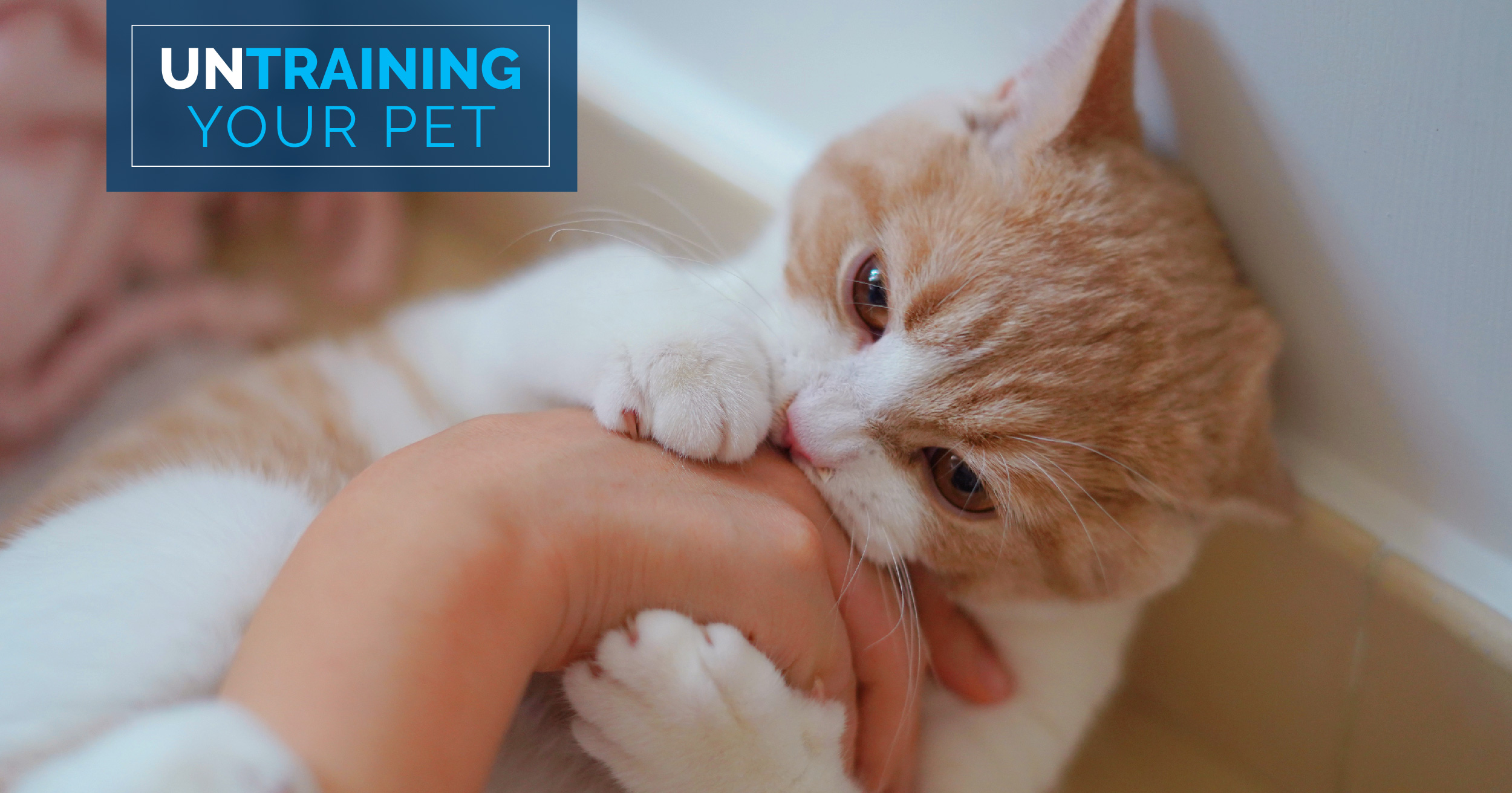
Credit: www.diamondpet.com
Frequently Asked Questions
What Triggers Aggressive Behavior In Cats?
Aggression in cats can stem from fear, pain, territorial disputes, or overstimulation. Identifying these triggers helps in managing and reducing aggressive incidents effectively.
How Can I Safely Stop My Cat’s Aggression?
Use calm, gentle handling and avoid punishment. Provide a quiet space and use toys to redirect energy. Consulting a vet or behaviorist is also beneficial.
Are There Specific Toys To Reduce Cat Aggression?
Yes, interactive toys like feather wands and laser pointers help redirect aggressive energy. Regular play sessions reduce stress and prevent boredom-related aggression.
When Should I Seek Professional Help For Cat Aggression?
Seek professional help if aggression persists despite behavior changes or causes injury. A vet or animal behaviorist can diagnose and recommend tailored treatment plans.
Conclusion
Stopping aggressive behavior in cats takes time and patience. Observe your cat’s triggers and avoid them. Use gentle play and offer safe spaces. Reward calm and friendly actions often. Keep routines steady to reduce stress. Consult a vet if aggression stays strong.
Small steps lead to big changes. Your cat can feel safe and happy again. Stay calm and loving throughout the process. Trust builds better bonds with your pet. Helping your cat behave well improves life for both.

Lily Purrington is the founder of MyKittyPicks.com, a cozy corner of the web dedicated to helping cat lovers discover the best cat products, furniture, toys, and home decor ideas.
A lifelong cat enthusiast, Lily shares trusted tips, honest product recommendations, and stylish inspiration designed to keep kitties happy and homes beautiful.
Her mission is simple: to bring together practical advice and purr-fect picks that make life better for cats and the people who love them.


